Key Takeaways
-
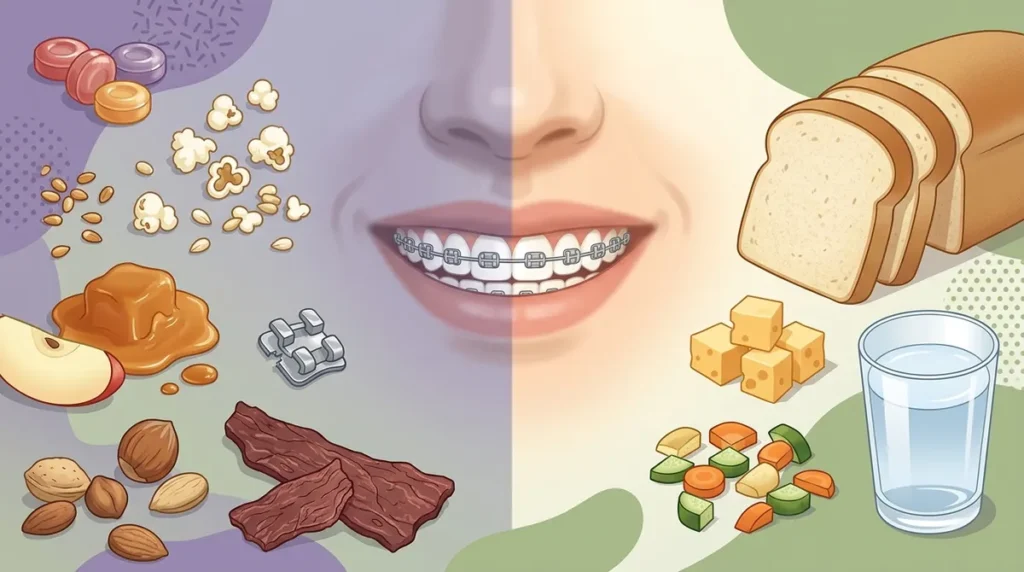
Avoid hard, sticky, and chewy foods like hard candy, caramel, popcorn, and gum as they can break brackets, bend wires, and get stuck in braces, delaying treatment.
-
Cut whole foods like apples, carrots, and corn into small bite-sized pieces before eating to prevent applying dangerous front-teeth pressure to your brackets.
-
Skip crunchy foods including nuts, chips, pretzels, and hard pizza crusts; replace them with softer alternatives like nut butters, cheese puffs, and soft breads.
-
Limit sugary drinks like soda and sports drinks that pool around brackets and cause permanent white spot lesions on tooth enamel—drink water instead.
-
Chew with your back teeth and avoid tough, chewy meats like beef jerky; choose tender, well-cooked proteins that require minimal pulling and gnawing.
-
Follow these food restrictions throughout your entire treatment (typically 12-24 months) and call your orthodontist immediately if you damage a bracket or wire.
Getting braces is an exciting step toward a beautiful smile. But once those brackets and wires are in place, your eating habits need a little adjustment. Knowing which foods to avoid with braces can save you from broken brackets, painful wires, and longer treatment times. Nobody wants an unexpected trip to the orthodontist because of a crunchy snack!
Whether you’re a parent helping your child navigate life with braces, a teen adjusting to your new smile journey, or an adult finally taking the leap toward straighter teeth, this guide is for you. We’ve put together 13 foods that can seriously damage your braces — plus helpful tips to keep your treatment on track. If you want to learn more about all about braces and how they work, we’ve got you covered.
Why Food Choices Matter During Orthodontic Treatment
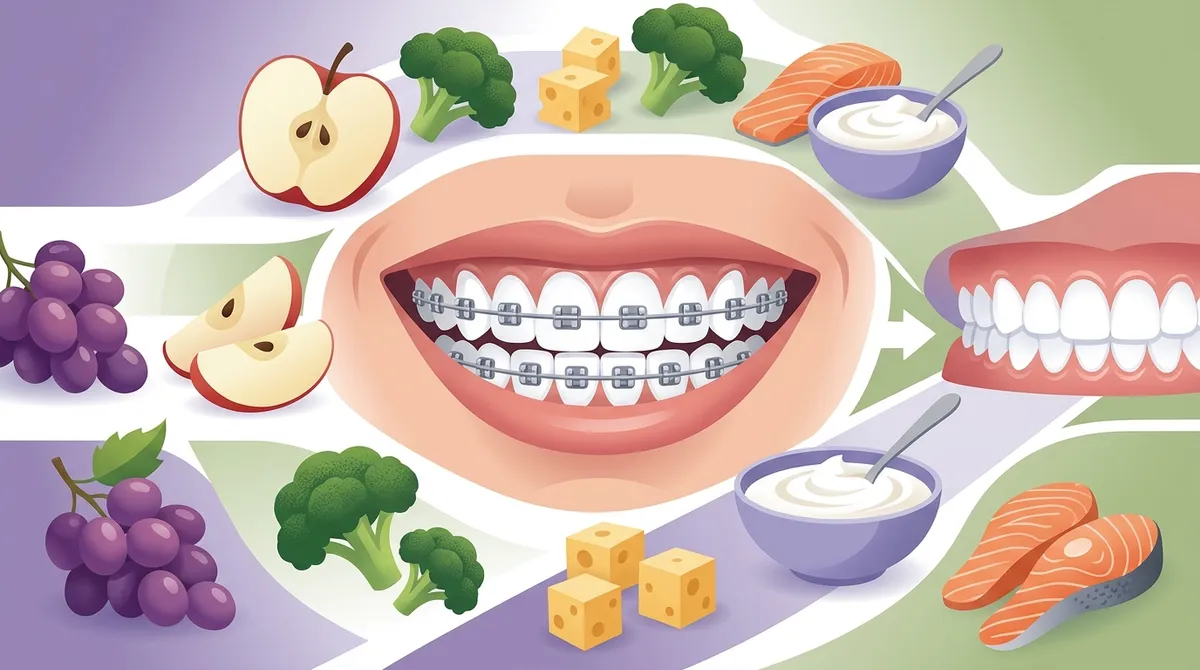
Your braces are working hard every single day. The brackets are bonded to your teeth, and the wires apply gentle pressure to shift them into the right position. Eating the wrong foods can pop brackets off, bend wires, and even cause small injuries to your gums and cheeks. Any damage like this can delay your treatment and cost you extra appointments.
The good news? Avoiding problem foods is easier than you think. Once you know what to skip, you can still enjoy a wide variety of delicious meals. And if you’re exploring clear aligners as an alternative, some dietary restrictions are different — aligners are removable, so you eat freely after taking them out. But for traditional braces wearers, let’s dive into what to watch out for.
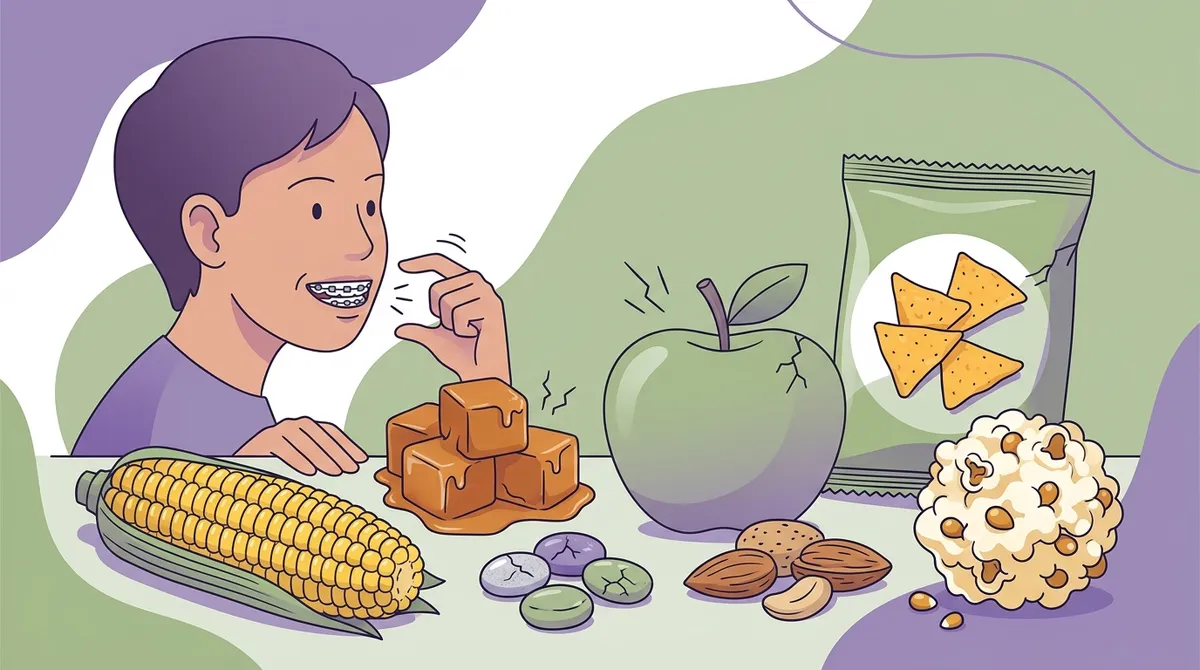
The 13 Foods to Avoid With Braces
1. Hard Candy
Hard candies are a major culprit for broken brackets. Biting down on a lollipop or jawbreaker puts enormous pressure on your brackets. Even sucking on hard candy can create problems because of the high sugar content that clings to braces and causes cavities. This one is a definite no during treatment.
2. Chewy Candy and Caramel
Sticky, chewy sweets like caramels, taffy, and gummy bears are some of the worst foods to eat with braces. They wrap around brackets and wires, pulling at them with every chew. It’s very difficult to clean sticky candy out of braces, which also raises your cavity risk significantly.
3. Popcorn
Popcorn might seem harmless, but those hard, unpopped kernels at the bottom of the bag are a real threat. Even popped kernels can get wedged between wires and teeth. The hulls are especially tricky to remove and can irritate your gums. Movie nights can still be fun — just swap popcorn for a softer snack!
4. Nuts
Nuts are crunchy and dense, making them risky for braces wearers. Whether it’s almonds, cashews, or peanuts, biting down on these can snap a wire or dislodge a bracket. If you love nuts, try nut butters instead — they give you the same flavor without the crunch.
5. Bagels and Hard Rolls
Chewy breads like bagels, hard rolls, and thick pizza crusts require a lot of biting force. That force travels right to your brackets and can pop them loose. Soft breads are fine — just steer clear of anything that requires you to really bite and tear. Check out these tips for caring for your braces to protect your smile throughout treatment.
6. Ice
Chewing ice is a surprisingly common habit, and it’s one of the most damaging things you can do with braces. Ice is extremely hard and can crack brackets right off your teeth. Even if you don’t chew it, letting ice sit against your brackets for too long can cause problems. Drink cold beverages, but skip chewing the ice!
7. Corn on the Cob
Corn on the cob requires you to bite directly with your front teeth — exactly the motion that puts braces at risk. The force needed to pull corn off the cob can easily break brackets. The solution? Cut the corn off the cob before eating it. You still get all the flavor without the risk.
8. Apples and Raw Carrots (Whole)
Biting into a whole apple or a large raw carrot applies the same front-teeth pressure as corn on the cob. These are actually healthy foods, so you don’t have to give them up entirely. Just slice them into small, bite-sized pieces before eating. Small pieces are much safer for your brackets and wires.
9. Chips and Pretzels
Crunchy chips and hard pretzels can snap and lodge between your wires. They also crumble into tiny pieces that are tricky to brush out. If you’re craving something crunchy, try soft alternatives like cheese puffs or soft crackers instead. Your brackets will thank you.
10. Chewing Gum
Gum and braces are not friends. Gum wraps around brackets and wires and is nearly impossible to remove without causing damage. Even sugar-free gum should be avoided during treatment. It’s one of those habits that feels harmless but can lead to a broken brace and an unplanned orthodontist visit. Learn what to do during an orthodontic emergency if something does go wrong.
11. Sugary Drinks
Sodas, sports drinks, and sweet teas are loaded with sugar and acid. With braces, these liquids pool around your brackets and can cause white spot lesions — permanent marks on your enamel. This is one of the most common issues we see, and it’s entirely avoidable. Stick to water as much as possible, and rinse your mouth after any sugary drink.
12. Beef Jerky and Tough Meats
Chewy, tough meats like beef jerky, whole chicken wings, or spare ribs require a lot of pulling and gnawing. This puts stress on your brackets and can bend or break your wires. Tender, well-cooked meats are perfectly fine — just avoid anything that requires a tug-of-war with your teeth.
13. Pizza Crusts
Hard, crunchy pizza crusts are a double problem. They’re hard enough to pop brackets and often get stuck in the wires. The good news? You can still enjoy pizza — just eat the soft part and skip the hard outer crust. A small adjustment makes a big difference in protecting your treatment progress.
Quick Reference: Foods to Avoid vs. Braces-Safe Alternatives
| Foods to Avoid With Braces | Braces-Safe Alternative |
|---|---|
| Hard candy | Soft chocolate (melts easily) |
| Chewy caramel | Smoothies or yogurt |
| Popcorn | Soft crackers or cheese puffs |
| Whole apples | Sliced apples or applesauce |
| Chewing gum | Sugar-free mints |
| Ice | Cold water or slushie drinks |
| Nuts | Smooth peanut butter or almond butter |
| Beef jerky | Tender, slow-cooked meats |
What Happens If You Break a Bracket?
Accidents happen, even when you’re careful. If a bracket breaks or a wire pops, don’t panic. Call your orthodontist right away. At Segovia Orthodontics, we understand that life happens, and we’re here to help you get back on track quickly. The team led by Dr. Flor Segovia is experienced in handling these situations with care and efficiency.
In the meantime, if a wire is poking your cheek, use orthodontic wax to cover the sharp end. You can find it at most pharmacies. Never try to bend or cut the wire yourself. For more guidance, visit our page on common emergency situations with braces so you know exactly what steps to take.
Tips for Eating Safely With Braces
Adjusting your diet doesn’t have to feel like a punishment. Here are some practical tips to make mealtimes easier and safer during your treatment:
- Cut food into small pieces before eating to reduce the force on your brackets.
- Chew with your back teeth whenever possible, and avoid biting directly with your front teeth.
- Rinse your mouth with water after every meal to loosen food particles from your braces.
- Brush and floss after every meal to keep plaque from building up around brackets.
- Carry orthodontic wax in your bag or backpack for emergencies.
- Read menus ahead of time at restaurants so you can choose braces-friendly options.
Best Soft Foods to Eat With Braces
Now for the fun part — what you CAN eat! There are so many delicious, braces-friendly foods to enjoy. Here’s a quick list to inspire your next meal:
- Yogurt, smoothies, and milkshakes
- Scrambled eggs and soft omelets
- Mashed potatoes and soft-cooked vegetables
- Pasta, noodles, and rice dishes
- Soft fish like tilapia or salmon
- Pancakes, oatmeal, and soft cereals
- Soup and stews
- Soft fruits like bananas, grapes, and melon
- Hummus with soft pita bread
- Pudding, Jell-O, and ice cream
As you can see, the list of safe foods is much longer than the list of things to avoid. Eating with braces just requires a bit of creativity and planning. For more guidance on your braces journey, explore our essential orthodontics tips for caring for your braces.
How Long Do I Need to Follow These Guidelines?
You’ll need to follow these food guidelines for the entire duration of your braces treatment. For most patients, that’s anywhere from 12 to 24 months. The exact timeline depends on your treatment plan, which your orthodontist will discuss with you. Teen orthodontic treatment and adult orthodontics can have different timelines based on each person’s unique needs.
Once your braces come off, you’ll transition to retainers to hold your new smile in place. At that point, most food restrictions are lifted! You can learn all about orthodontic retainers and what to expect after treatment. It’s worth the wait — your smile will be absolutely worth every food sacrifice you made along the way.
A Note for Parents Navigating Braces With Kids
If your child has just gotten braces, it can feel overwhelming to manage their diet. Start by going through the kitchen together and identifying any foods that need to be swapped out. Make it a fun activity rather than a restrictive one. Let them pick out new soft snacks to try. The American Academy of Orthodontics recommends that parents stay involved and supportive throughout treatment — it makes a huge difference in compliance and results.
For more family-focused guidance, the American Board of Orthodontics has excellent resources on braces care and patient education. You might also enjoy connecting with our practice community on our Facebook page and our Instagram page, where we share tips, patient stories, and smile transformations regularly. And if you’re curious about options specifically for your child, our parent’s guide to braces for children is a great place to start.
Speaking of keeping a healthy home environment, our friends at All Trusted Lawn Care know that maintaining a beautiful space — inside and out — starts with consistent, mindful habits, just like braces care!
When to Contact Your Orthodontist
Some situations need prompt attention from your orthodontist. Reach out right away if you notice:
- A bracket that has come loose or fallen off
- A wire that is poking your cheek or gum
- Unusual pain or soreness that doesn’t go away
- A band that has slipped out of place
- Swelling or irritation around your braces
Don’t wait and hope the problem resolves on its own. Prompt care prevents delays in your treatment progress. You can always get in touch with our team at Segovia Orthodontics if you have any concerns, big or small. We’re always happy to help and answer your questions.
Your Smile Journey Starts Here
Following the guidelines on foods to avoid with braces is one of the simplest ways to protect your investment and keep your treatment on schedule. Every small choice you make — like slicing your apple instead of biting into it — adds up to big results over time. You’ve committed to a beautiful smile, and you deserve to get there as smoothly as possible.
At Segovia Orthodontics at Lakewood Ranch, we believe every patient deserves personalized care and guidance every step of the way. Whether you’re just starting your braces journey or you’re a few months in, we’re here to support you. Visit us on Google — Segovia Orthodontics to see what our patients are saying, and get a feel for our warm, welcoming practice.
Ready to take the next step toward your dream smile? Schedule your appointment with our team today and let us help you smile with confidence — one braces-friendly meal at a time!
FAQs
Q: What are the most important foods to avoid with braces?
A: The biggest ones to skip are hard candies, chewy caramel, popcorn, chewing gum, and hard crusty breads. These can pop brackets off, bend wires, and get stuck in hard-to-clean places. When in doubt, if a food is hard, sticky, or chewy, it’s best to find a softer alternative!
Q: Can I eat pizza with braces?
A: Great news — yes, you can enjoy pizza with braces! Just skip the hard, crunchy outer crust and stick to the soft parts of the slice. The toppings and soft dough are totally fine, so your Friday pizza night doesn’t have to disappear.
Q: How do I handle food cravings for things I can’t eat with braces?
A: It’s all about finding tasty swaps! Craving something crunchy? Try soft cheese puffs or crackers. Missing caramel? A soft chocolate treat can hit the spot. Getting creative with alternatives makes the journey a lot more enjoyable, and your smile will thank you at the end!
Q: What should I do if I accidentally eat something I shouldn’t with braces?
A: First, don’t panic! Check your braces carefully in a mirror to see if any brackets seem loose or wires are bent. If everything looks fine, rinse your mouth and brush gently. If you notice any damage, call your orthodontist right away — catching it early prevents bigger delays in your treatment.
Q: Are food restrictions the same for clear aligners as for braces?
A: Actually, no! Clear aligners are removable, so you simply take them out before eating and put them back in afterward. This means you have much more flexibility with food choices compared to traditional braces. Just be sure to clean your teeth before reinserting your aligners after each meal.
Our Service Area