Key Takeaways
-
Apply orthodontic wax immediately over poking wires or sharp brackets, and use a pencil eraser to gently push wires away from soft tissue to manage discomfort until your orthodontist can repair it.
-
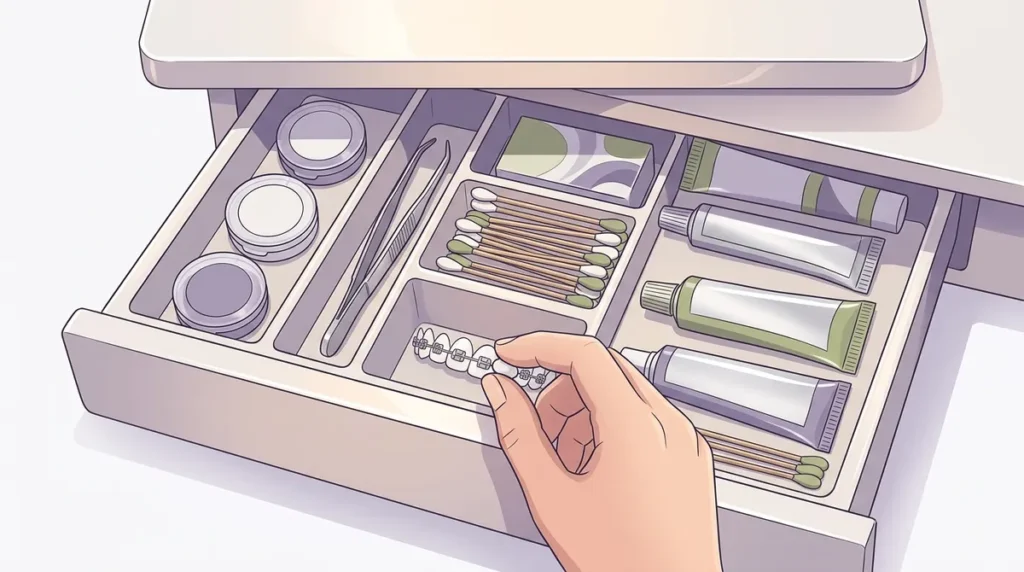
Assemble a braces emergency kit with orthodontic wax, sterile tweezers, cotton swabs, oral anesthetic gel, and your orthodontist’s phone number to handle common issues quickly at home.
-
Avoid hard, sticky, chewy, and crunchy foods like apples, caramel, bagels, popcorn, and corn on the cob, as they are the primary cause of broken brackets and bent wires.
-
Contact your orthodontist immediately if you experience severe pain, swelling, continuous bleeding, signs of infection, or unexpected tooth shifting—do not wait for a regular appointment.
-
Save any broken brackets and avoid removing wires yourself; instead, cover with wax and call your orthodontist promptly to prevent disrupting your treatment progress.
-
Distinguish between true emergencies (severe pain, infection, mouth lacerations) and minor issues (loose brackets, small sores) to avoid unnecessary urgent visits and manage stress effectively.
Braces are a great tool for creating beautiful, healthy smiles. But let’s be honest — sometimes unexpected things happen. A wire pokes your cheek. A bracket snaps off. Suddenly, you’re not sure what to do next. These are the moments that feel stressful, especially if it’s your child dealing with the problem!
The good news? Most emergency situations with braces are very manageable. Many can even be handled at home with a few simple steps. Knowing what to do — and when to call your orthodontist — makes all the difference. This guide covers the most common braces emergencies, how to handle them, and when it’s time to pick up the phone and contact the office.
Whether you’re a mom managing your teenager’s orthodontic care or an adult rocking clear aligners or traditional braces, this article is for you. Let’s walk through everything you need to know to stay calm and handle these situations like a pro!

True Emergencies vs. Minor Braces Discomforts
Before we dive in, it helps to understand the difference between a true orthodontic emergency and a minor inconvenience. Not every uncomfortable moment requires an urgent office visit. Learning to tell them apart saves you time and stress.
You can read more about this on our Orthodontic Emergency page. It walks through what qualifies as urgent and what can wait for a regular appointment.
True orthodontic emergencies include:
-
Severe pain or swelling in the mouth or face
-
A wire that has punctured or cut soft tissue
-
A bracket or wire causing trauma to the gums or cheeks
-
Infection or abscess near a tooth or gum
-
Significant injury to the teeth or jaw from an accident
Minor braces issues that can often wait include:
-
A poking wire that can be temporarily managed at home
-
A loose bracket that is still attached to the wire
-
Mild soreness after an adjustment
-
A lost or broken elastic tie
-
A missing rubber band
If you’re ever unsure, it’s always okay to contact us and describe what’s happening. We’re happy to help you figure out the best next step!

The Most Common Emergency Situations With Braces
1. Poking or Broken Wires
This is one of the most common braces complaints we hear. A wire can slip out of place or break, leaving a sharp end that pokes the inside of your cheek, lip, or gum. It’s uncomfortable — and totally understandable to want it fixed right away!
Here’s how to handle a poking wire at home until you can see us:
-
Use the eraser end of a pencil or a clean cotton swab to gently push the wire away from the soft tissue.
-
Apply orthodontic wax over the sharp end to create a smooth surface and protect your cheek or lip.
-
If the wire is sticking out far, use small nail clippers (sterilized with rubbing alcohol) to carefully clip the end — only if it’s truly necessary and accessible.
-
Rinse your mouth with warm saltwater to soothe any irritation.
-
Call the office to schedule a repair appointment as soon as possible.
Never try to pull a wire out entirely on your own. This could disrupt your treatment progress. Instead, contact the office so we can assess the situation and fix it quickly. You can also check out our Orthodontic Emergencies: Mistakes You Should Never Make guide for what to avoid in these moments.
2. Broken or Loose Brackets
Brackets are the small metal or ceramic pieces bonded to each tooth. They can occasionally loosen or break off — usually from eating hard, crunchy, or sticky foods. This is one of the most frequent emergency situations with braces that patients experience.
Here’s what to do if a bracket breaks or comes loose:
-
Check if the bracket is still attached to the wire. If it is, leave it in place and cover it with wax if it’s irritating your mouth.
-
If the bracket has come completely off, save it and bring it to your appointment.
-
Avoid eating anything sticky, hard, or chewy until the bracket is repaired.
-
Call the office to let us know. We’ll schedule a repair visit as soon as we can.
A loose bracket doesn’t always mean your entire treatment is set back — but it does need to be fixed promptly so your teeth keep moving in the right direction. Learn more about what to expect from orthodontic care on our All About Braces page.
3. Mouth Sores or Irritated Gums
Braces can rub against the soft tissue inside your mouth, especially in the first few weeks. This often causes small sores or irritation on the cheeks, lips, or gums. While this isn’t exactly a braces emergency, it can feel very uncomfortable.
Ways to soothe irritation at home:
-
Apply orthodontic wax to any brackets or wires causing the irritation.
-
Rinse with warm saltwater 2-3 times a day to promote healing.
-
Use an over-the-counter oral anesthetic gel for temporary relief.
-
Eat soft foods until the sores heal.
If sores are severe, persistent, or accompanied by swelling, please request an appointment so we can take a closer look.
4. Lost or Broken Retainer
If you’ve recently finished active treatment, your retainer is incredibly important. Losing or breaking it — even for just a few days — can allow teeth to shift. This is especially true for adult orthodontics patients who want to protect their results long-term.
If your retainer breaks or goes missing, contact the office right away. Don’t wait and hope your teeth stay in place — they likely won’t! You can learn more about protecting your smile on our Orthodontic Retainers page.
5. Swallowing a Bracket or Wire
This sounds scary, but it’s actually fairly rare. If you accidentally swallow a small bracket or piece of wire, stay calm. In most cases, the piece will pass through the digestive system harmlessly.
However, if you believe you’ve inhaled (not swallowed) a piece into your airway, seek emergency medical care immediately. This is a true medical emergency. Call 911 or go to the nearest emergency room right away. After the medical situation is resolved, contact our office so we can replace the hardware.
Quick Reference Table: Braces Emergencies and What to Do
|
Situation |
Severity |
What To Do First |
Contact Office? |
|---|---|---|---|
|
Poking wire |
Mild to moderate |
Apply orthodontic wax; push wire back gently |
Yes — schedule repair soon |
|
Broken bracket |
Moderate |
Save bracket; cover with wax if irritating |
Yes — schedule repair promptly |
|
Mouth sores |
Mild |
Wax, saltwater rinse, soft foods |
If severe or persistent |
|
Lost retainer |
Moderate to high |
Contact office immediately |
Yes — urgent replacement needed |
|
Swallowed bracket |
Usually mild |
Stay calm; monitor symptoms |
Yes — and seek medical care if needed |
|
Swelling or infection |
High |
Call office immediately |
Yes — same-day or ER visit |
|
Jaw injury from accident |
High |
Seek emergency medical care |
Yes — after medical treatment |
Building Your Braces Emergency Kit at Home
One of the smartest things you can do is put together a small braces emergency kit. It takes about five minutes to assemble, and it can save you a lot of discomfort on a busy weeknight or weekend when the office is closed.
Here’s what to include in your kit:
-
Orthodontic wax (your best friend during braces!)
-
Sterile tweezers
-
Small nail clippers or wire cutters (sterilized)
-
Cotton swabs and cotton balls
-
Over-the-counter oral pain reliever
-
Oral anesthetic gel
-
A small mirror and flashlight
-
Our office phone number: call us at 941-557-1333
Having this kit ready means you’re always prepared. Parents — this is especially helpful to keep at home and in your child’s school bag!
Foods That Cause Braces Emergencies
Many braces emergencies are actually preventable! The biggest culprit is almost always food. Knowing what to avoid can seriously reduce your chances of dealing with broken brackets or bent wires.
-
Hard foods: Apples (unless sliced), carrots, hard candies, ice, nuts, and crusty bread can all snap brackets right off teeth.
-
Sticky foods: Caramel, taffy, gummy candies, and even some granola bars can pull wires and brackets loose.
-
Chewy foods: Bagels, tough meats, and chewy candy put excessive pressure on brackets and wires.
-
Crunchy snacks: Popcorn, chips, and pretzels can wedge under wires or break brackets unexpectedly.
-
Corn on the cob: Always cut corn off the cob — biting into it directly is a classic way to pop a bracket!
For a full breakdown of your treatment options and how to protect your investment, visit our Types of Braces page. And if you’re exploring braces for your teen, our Teen Orthodontic Treatment page has great guidance tailored to younger patients.
When to Contact the Office Right Away
There’s no such thing as a silly question when it comes to your orthodontic care. We would much rather you call us than suffer in silence or accidentally make things worse. Here are the situations where you should contact us the same day:
-
A wire has punctured or cut your cheek and won’t stop bleeding
-
You notice swelling around a tooth, gum, or jaw
-
You have significant pain that doesn’t improve with over-the-counter pain relievers
-
A bracket fell off completely and you’re unsure what to do
-
Your teeth feel like they’ve shifted unexpectedly
-
You’ve had an injury to your face or mouth
At Segovia Orthodontics at Lakewood Ranch, Dr. Flor Segovia and our team are committed to being there for our patients when they need us most. We know that emergency situations with braces can be stressful, and we work hard to provide fast, friendly support. You can also visit us on Google — Segovia Orthodontics to see reviews from families just like yours who trust us with their care.
For reference, the American Board of Orthodontics also provides excellent resources on orthodontic care standards so you always know you’re receiving top-quality treatment.
How to Avoid Braces Emergencies in the First Place
Prevention is always better than a panicked call at 8 PM! Here are some simple habits that significantly reduce your risk of braces emergencies:
-
Brush and floss gently but thoroughly every day to keep brackets secure
-
Wear a mouthguard during contact sports to protect your braces and mouth
-
Follow your orthodontist’s food guidelines consistently
-
Attend all scheduled adjustment appointments so your treatment stays on track
-
Handle your braces with care — don’t chew on pens, nails, or other objects
Want to know more about what’s normal during treatment and what’s not? Check out our Common Orthodontic Problems page for more helpful guidance. We also share lots of tips on our Instagram page and our Facebook page — give us a follow to stay in the loop!
Your Partner Through Every Step of Treatment
Dealing with emergency situations with braces is never fun. But knowing how to respond — and having a trusted orthodontist in your corner — makes all the difference. Whether it’s a poking wire at midnight or a bracket that pops off before a big presentation, you don’t have to figure it out alone.
Dr. Flor Segovia and the team at Segovia Orthodontics are here to support you every step of the way. As a board-certified orthodontist, Dr. Segovia uses the latest techniques and technology to make your treatment as smooth and comfortable as possible — from your very first visit to the day you show off your finished smile.
Have questions about your braces or experiencing an issue right now? Don’t wait — schedule your appointment with our team today and let us take care of you. Your smile is worth it, and we’re so happy to be part of your journey!
FAQs
Q: What should I do first if I have a poking wire from my braces?
A: Great news — you can often manage a poking wire at home! Apply orthodontic wax over the sharp end to protect your cheek, and gently push the wire back with a pencil eraser or cotton swab. Then give your orthodontist’s office a call to schedule a repair as soon as possible.
Q: Is a broken bracket a dental emergency?
A: A broken bracket isn’t usually a same-day emergency, but it does need attention fairly quickly! If the bracket is still on the wire and not causing pain, cover it with wax and contact your orthodontist to book a repair appointment. Don’t eat hard or sticky foods in the meantime.
Q: How do I know if my braces issue needs immediate care?
A: If you’re experiencing severe pain, swelling, bleeding that won’t stop, or signs of infection like redness and fever, those are signs to contact your orthodontist right away or seek urgent medical care. Minor issues like small sores or a loose bracket can usually wait until the next available appointment.
Q: Can I eat normally with a broken bracket or loose wire?
A: It’s best to stick to soft foods until your bracket or wire is repaired! Eating hard, sticky, or chewy foods could make the damage worse or cause more brackets to loosen. Think mashed potatoes, yogurt, pasta, and soup — your braces will thank you.
Q: What is orthodontic wax and where can I get it?
A: Orthodontic wax is a soft, non-toxic wax you press over a sharp bracket or wire to create a smooth barrier between the metal and your cheek or lip. It’s super easy to use and works wonders for instant relief! You can find it at most pharmacies, grocery stores, or ask your orthodontist for some at your next visit.