Key Takeaways
-
Call your orthodontist immediately when an issue occurs rather than delaying—time matters and waiting can turn minor problems into expensive ones requiring more extensive repairs.
-
Never attempt DIY fixes like using super glue on brackets or cutting wires with household tools; only safe temporary measure is applying orthodontic wax to sharp areas until professional care is available.
-
Pain lasting more than 3-4 days or worsening over time is a red flag requiring orthodontist attention, as normal post-adjustment soreness typically resolves within a few days.
-
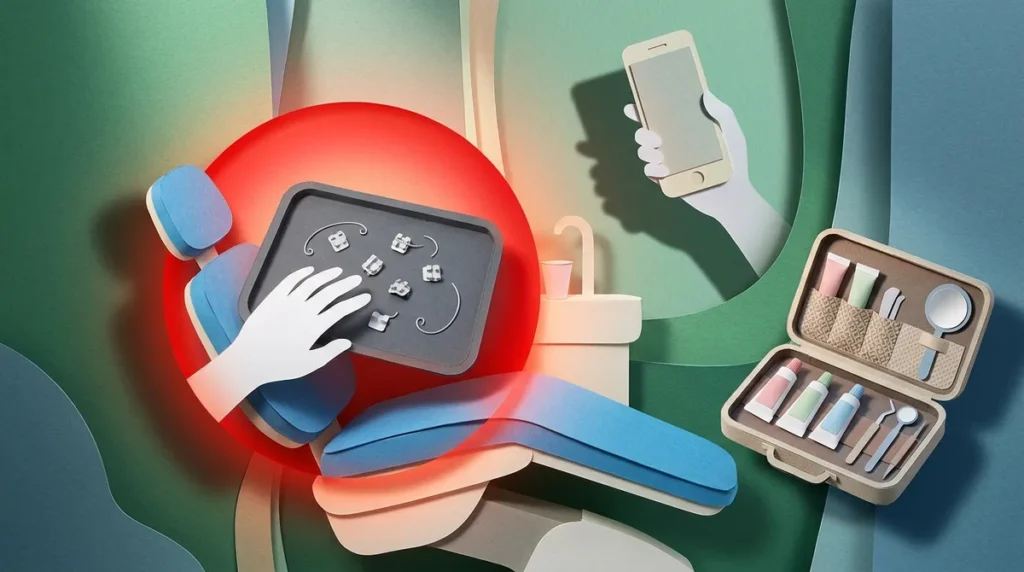
Create an emergency kit containing orthodontic wax, mirror, pain reliever, salt packets, and your orthodontist's contact information to transform stressful moments into manageable situations.
-
Always follow up professionally after temporary fixes and don't skip scheduled appointments, as underlying issues can cause delayed treatment timelines and unintended teeth shifting.
-
Clear aligner wearers must consult their orthodontist before advancing to the next tray when one is cracked or lost, since skipping this step can derail the entire treatment plan.
Picture this: It’s a Tuesday evening, your kid is at soccer practice, and suddenly they come home with a broken bracket. Or maybe you’re a busy professional and your clear aligner wire is poking your cheek before a big morning meeting. These moments can feel stressful and overwhelming — but they don’t have to be! Knowing what to do (and what not to do) during an orthodontic emergency can make all the difference. Whether you’re a parent managing your child’s braces or an adult navigating your own orthodontic journey, this guide is here to help you stay calm, avoid costly mistakes, and protect your smile. Let’s walk through the most common emergency orthodontics blunders and how to sidestep them like a pro.
What Counts as an Orthodontic Emergency?
Not every orthodontic issue is a full-blown emergency. But some situations definitely need prompt attention. Understanding the difference helps you act quickly without panicking unnecessarily.
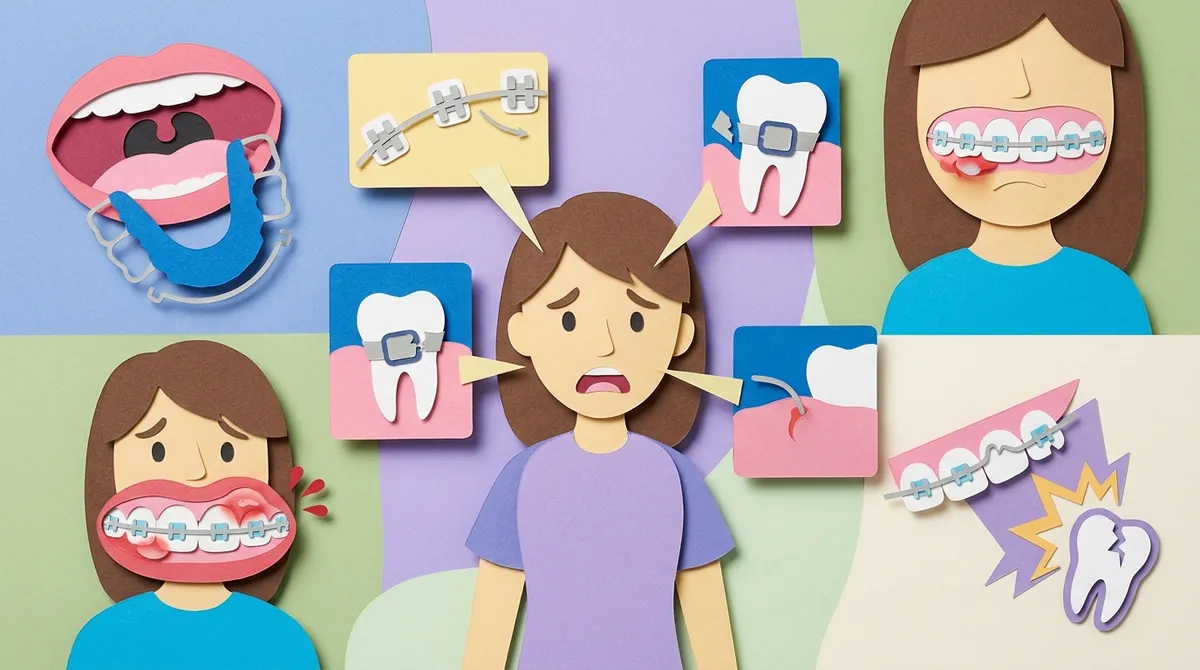
Here are situations that typically qualify as true orthodontic emergencies:
- A broken bracket that is causing pain or sharp irritation
- A wire that has shifted and is poking into your cheek or gums
- A loose or lost orthodontic retainer right after treatment
- Significant swelling, infection, or facial trauma affecting your braces
- A completely detached band or appliance
And here are situations that are minor inconveniences (not emergencies) that can wait for your next scheduled visit:
- Mild soreness after an adjustment appointment
- A slightly loose bracket with no pain
- A small piece of food stuck under a wire
- Mild discomfort from a new aligner tray
If you’re ever unsure, checking out our Orthodontic Emergency page is a great first step to get clarity fast.
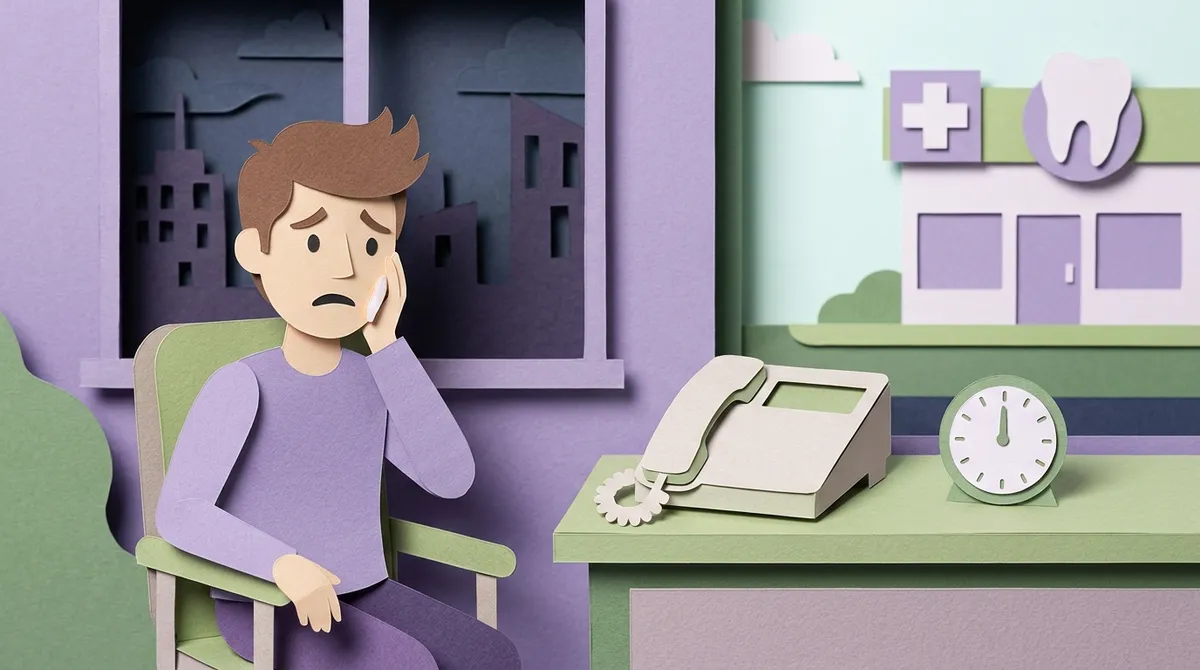
Mistake #1: Waiting Too Long to Call Your Orthodontist
This is the biggest mistake people make. When something goes wrong with your braces or aligners, time matters. Delaying a call can turn a minor issue into a major (and more expensive) problem.
Many people hesitate because they don’t want to seem like they’re overreacting. But here’s the truth: your orthodontist wants to hear from you. That’s exactly what the office is there for! If you’re in the Lakewood Ranch area, you can always get in touch with our team right away — we’re always happy to help figure out whether something needs same-day attention.
When you call, be ready to describe:
- What happened and when it occurred
- Which part of your appliance is affected (bracket, wire, band, aligner)
- Your current pain level on a scale of 1 to 10
- Any swelling, bleeding, or visible damage
Mistake #2: Trying to Fix It Yourself at Home
We’ve all been there — Googling “how to fix a broken bracket at home” at 10 PM. But DIY orthodontic fixes can actually make things much worse. Here’s what you should never try at home:
- Using super glue or household adhesive to reattach a bracket
- Cutting a wire with nail clippers or scissors (without guidance)
- Pushing a poking wire back with sharp tools like tweezers or a fork
- Trying to bend a broken retainer back into shape
Some of these actions can damage your teeth, gums, or the appliance itself — which can set back your treatment significantly. If a wire is poking you, the safest temporary fix is applying orthodontic wax over the sharp area until you can see your orthodontist. That’s one of the very few safe home remedies for emergency orthodontics situations.
Learn more about your types of braces so you understand what you’re working with and why professional repairs matter.
Mistake #3: Skipping Your Follow-Up Appointment
Sometimes people handle the immediate crisis — say, applying wax to a poking wire — and then completely forget to follow up with their orthodontist. This is a big mistake! Even if the discomfort fades, the underlying issue still needs to be professionally addressed.
Skipping follow-ups can lead to:
- Delayed treatment timelines because adjustments weren’t made on time
- Teeth shifting in unintended directions without proper wire tension
- Increased risk of gum irritation or infection around a damaged appliance
Think of it this way: if your car has a warning light, you might tape over it temporarily, but you still need a mechanic. Your orthodontic appliance is the same. Don’t ignore the signal!
Mistake #4: Ignoring Pain That Lasts More Than a Few Days
Some discomfort after getting braces tightened or switching to a new aligner tray is completely normal. But pain that lasts more than 3–4 days, or pain that gets worse over time, is a red flag.
| Type of Pain | What It Usually Means | What to Do |
|---|---|---|
| Mild soreness after adjustment | Normal healing response | Over-the-counter pain relief, soft foods |
| Sharp, localized pain from a wire | Wire has shifted or broken | Apply wax, call orthodontist |
| Throbbing pain lasting 4+ days | Possible infection or pressure issue | Call orthodontist immediately |
| Pain with visible swelling | Possible gum or jaw issue | Seek care right away |
Persistent pain is your body’s way of saying something isn’t right. Trust it. You can always call us at 941-557-1333 to talk through your symptoms with a friendly team member.
Mistake #5: Not Having an Emergency Kit Ready
Prevention is always better than panic. One of the smartest things you can do is keep a simple orthodontic emergency kit at home (and maybe one in your bag if you’re always on the go).
Here’s what to include in your kit:
- Orthodontic wax — the go-to for poking wires and rough brackets
- A small mirror — so you can actually see what’s going on in there
- Pain reliever — ibuprofen or acetaminophen for discomfort
- Salt packets — for warm saltwater rinses to soothe irritated gums
- Your orthodontist’s contact info — saved in your phone and written down
Being prepared turns a stressful moment into a manageable one. It’s especially helpful for parents of kids in braces — because kids have a talent for dental drama at the most inconvenient times! Check out our teen orthodontic treatment page for more tips on keeping your teenager’s treatment on track.
Mistake #6: Assuming Clear Aligners Don’t Have Emergencies
Clear aligners are amazing — discreet, removable, and comfortable. But they’re not immune to emergencies. If you’re using clear aligners, watch out for these common issues:
- A cracked or broken aligner tray that no longer fits properly
- A lost tray with no backup available
- Attachments (small tooth-colored bumps) that pop off unexpectedly
- Severe discomfort indicating a tray may have been inserted incorrectly
The biggest mistake aligner wearers make is just skipping to the next tray without consulting their orthodontist. This can throw off your entire treatment plan. Always call before making that decision on your own.
Mistake #7: Not Knowing Your Orthodontist’s Emergency Protocol
Every orthodontic practice handles after-hours emergencies a little differently. Not knowing your practice’s protocol before an emergency happens is a mistake you can easily avoid.
Here’s how to be prepared:
- Ask at your first visit what the after-hours emergency process is
- Save the practice phone number in your contacts right away
- Check if the office has an online portal or messaging system for urgent questions
At Segovia Orthodontics, Dr. Flor Segovia and our caring team make it a priority to guide patients through these moments with clarity and compassion. You can request an appointment easily online, and we’re always here to help when the unexpected happens.
Want to learn more about what makes our practice special? Check out why patients choose us for their orthodontic care in Lakewood Ranch.
Mistake #8: Neglecting Your Retainer After Treatment
Many people don’t realize that retainer issues also fall under the umbrella of emergency orthodontics. If you’ve completed treatment and your retainer breaks, cracks, or gets lost — don’t wait weeks to address it. Teeth can start shifting within days.
Read more about the importance of orthodontic retainers and why protecting your final results is just as important as the treatment itself.
And remember, if you had braces as a teen and feel like your teeth have shifted over the years, you’re not alone. Adult orthodontics is more common than ever, and getting back on track is totally doable!
Quick Reference: Emergency Orthodontics Do’s and Don’ts
| DO This | DON’T Do This |
|---|---|
| Call your orthodontist promptly | Wait days hoping it fixes itself |
| Apply orthodontic wax to sharp areas | Use household glue on brackets |
| Keep an emergency kit handy | Ignore persistent pain |
| Follow up after temporary fixes | Skip your follow-up appointment |
| Ask about after-hours protocols | Try to bend or cut wires yourself |
| Replace a lost retainer quickly | Assume aligners are emergency-free |
How to Stay Connected and Informed
Staying educated about your orthodontic care is one of the best ways to prevent emergencies in the first place. We love sharing tips, reminders, and behind-the-scenes moments on our Instagram page — it’s a great resource for patients of all ages. You can also connect with our community on our Facebook page for updates, patient stories, and helpful orthodontic advice.
And if you ever want to verify the credentials of your orthodontic provider, the American Board of Orthodontics is a trusted resource for finding board-certified orthodontists who meet the highest standards of care.
On a lighter note — if you’re going through a big move in the Lakewood Ranch area and worried about keeping up with your orthodontic appointments, the team at DynaMight Movers can help make your transition smoother so you can focus on what matters — including your smile!
Wrapping It Up: Stay Calm and Call Your Orthodontist
Orthodontic emergencies happen to the best of us. The good news? Most of them are totally manageable when you know what to do — and what not to do. Avoid these common mistakes, keep your emergency kit stocked, and always reach out to your orthodontist sooner rather than later.
Whether you’re a concerned parent, a busy professional, or someone preparing for a big life event with a smile in progress, we’ve got your back. Visit us on Google to read what our patients are saying, and when you’re ready to get expert help, don’t hesitate — schedule your appointment with us today and let’s take great care of your smile together!
FAQs
Q: What should I do first during an orthodontic emergency?
A: The very first thing to do is stay calm and call your orthodontist right away! Describe what happened, where the pain is, and which part of your appliance is affected — your orthodontic team will guide you on the best next steps.
Q: Can I use orthodontic wax during an emergency orthodontics situation?
A: Yes! Orthodontic wax is one of the safest and most helpful tools for emergency orthodontics situations. It works great for covering a poking wire or a rough bracket edge to prevent irritation until you can get to the office.
Q: Are clear aligner emergencies handled the same way as braces emergencies?
A: They’re similar, but there are some differences! With clear aligners, a cracked tray or a lost aligner needs quick attention — don’t just skip to the next tray without checking with your orthodontist first, as it could affect your treatment progress.
Q: How quickly can my teeth shift if I lose my retainer?
A: Teeth can begin shifting within just a few days of not wearing your retainer, especially in the months right after completing treatment. If you lose or break your retainer, contact your orthodontist as soon as possible to get a replacement!
Q: Is soreness after braces tightening considered an orthodontic emergency?
A: Not usually — mild soreness for 1 to 3 days after an adjustment is totally normal and expected. However, if the pain is sharp, localized, or lasts more than 4 days and gets worse, that’s a sign to call your orthodontist for a check-up.