Key Takeaways
-
Brush teeth after every meal (not just morning and night) using a soft-bristled toothbrush at a 45-degree angle to clean around brackets, as food easily traps in braces and poor care leads to cavities and longer treatment times.
-
Avoid hard, sticky, and crunchy foods like popcorn, caramel, gummy bears, whole apples, and raw carrots, as they can break brackets, bend wires, and significantly delay your treatment timeline.
-
Use orthodontic wax to provide instant relief from poking wires and bracket irritation; gently push wires back with a clean pencil eraser or cover sharp edges with wax before contacting your orthodontist.
-
Wear an orthodontic-safe mouthguard during contact sports to prevent broken brackets, cut lips, and damaged teeth; avoid boil-and-bite mouthguards as they don’t fit properly over braces.
-
Floss daily using floss threaders, orthodontic floss picks, or water flossers, and use fluoride mouthwash once daily for extra cavity protection, especially important for teens who may skip diligent brushing.
-
Attend all scheduled orthodontic appointments every 6-10 weeks without rescheduling, as missing visits can extend treatment time; wear a retainer after braces to prevent teeth from shifting back to original positions.
Getting braces is an exciting step toward a beautiful smile. But once those brackets are on, a lot of families wonder: now what? If you’re a parent in Lakewood Ranch managing your child’s new braces routine, or an adult navigating treatment yourself, caring for braces might feel overwhelming at first. The good news? It gets easier quickly — and the results are absolutely worth it.
This guide is packed with practical, easy-to-follow caring for braces tips for Lakewood Ranch families. Whether you’re a few days in or a few months along, these strategies will help you protect your investment, avoid common problems, and keep smiles healthy throughout treatment. Let’s dive in!
Why Braces Care Matters So Much
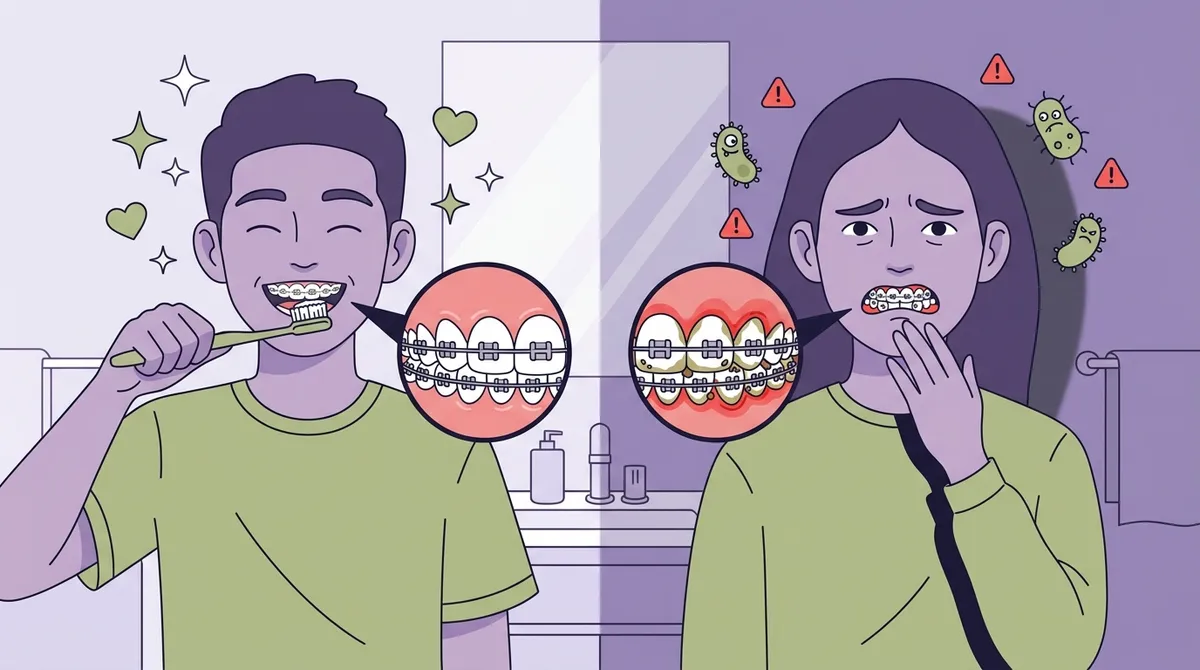
Braces work by gently shifting teeth into better positions over time. That process takes months — sometimes over a year — and what you do at home every single day makes a huge difference. Poor braces care can lead to cavities, staining, broken brackets, and even longer treatment times.
The good news is that caring for braces doesn’t have to be complicated. With the right habits, it becomes second nature fast. Think of it like learning to drive — tricky at first, totally natural after a few weeks. You can also explore all about braces on the Segovia Orthodontics website to get a deeper understanding of how braces work and what to expect.
Step-by-Step Daily Oral Hygiene Routine for Braces
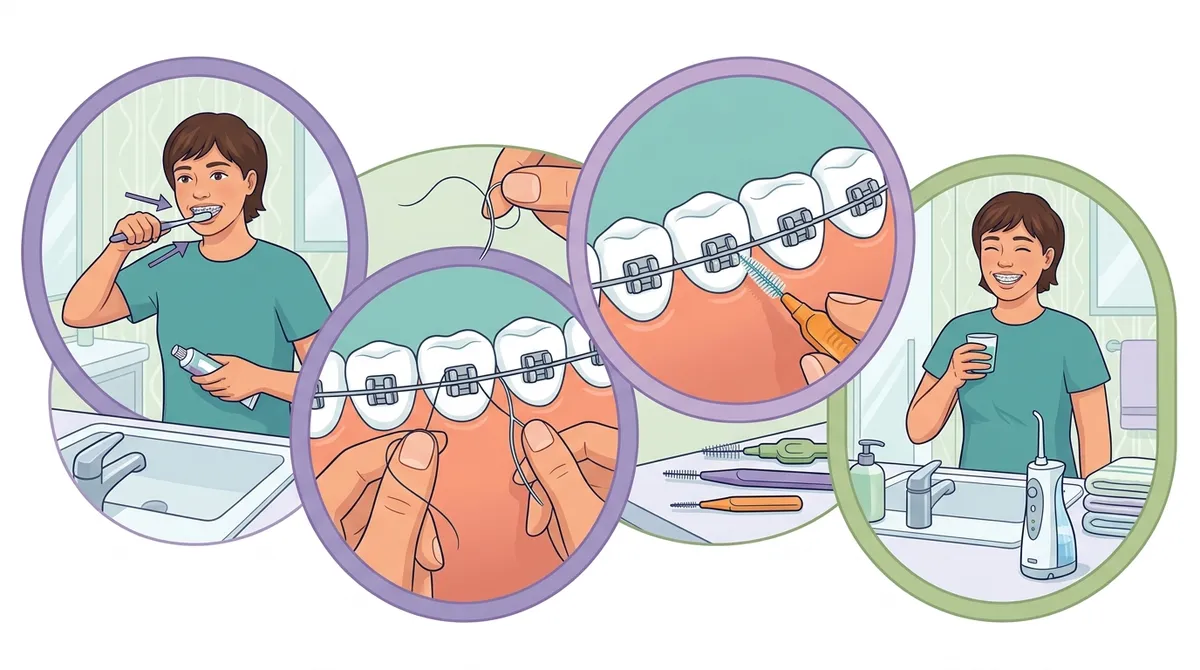
A consistent daily routine is the foundation of great braces care. Here’s a simple, step-by-step approach that works well for kids and adults alike.
1. Brush After Every Meal
Food gets trapped in braces easily. Brush your teeth after breakfast, lunch, and dinner — not just morning and night. Use a soft-bristled toothbrush and hold it at a 45-degree angle to clean around each bracket.
Electric toothbrushes can be really helpful for kids who rush through brushing. Many families find that a two-minute timer (or a fun song) keeps kids on track. For more brushing strategies, check out these essential orthodontic care tips.
2. Floss Every Day (Yes, Really)
Flossing with braces takes a bit more effort, but it’s non-negotiable. Use a floss threader or orthodontic floss picks to get between teeth and under the wire. Water flossers are also a fantastic option — they’re fast, effective, and kids tend to actually enjoy using them.
3. Use Fluoride Mouthwash
A fluoride rinse adds an extra layer of protection against cavities and white spot lesions. Use it once a day, ideally before bed. This is especially helpful for teens who might not be the most diligent brushers!
4. Rinse After Eating When You Can’t Brush
Sometimes brushing isn’t possible right away — like at school or during a lunch meeting. A quick rinse with water can dislodge food particles and tide you over until you can brush properly.
Foods to Avoid With Braces
What you eat has a huge impact on your braces. Certain foods can break brackets, bend wires, and create real setbacks in your treatment timeline. Here’s what to steer clear of:
- Hard foods: Popcorn, hard pretzels, ice, hard candies, nuts
- Sticky foods: Caramel, gummy bears, taffy, chewing gum
- Crunchy raw vegetables: Whole carrots, apples (cut them into small pieces instead)
- Chewy breads: Bagels, hard rolls, pizza crust
- Sugary drinks: Sodas, sports drinks, and juices that increase cavity risk
Don’t worry — there are still plenty of delicious things you CAN eat! Soft foods like pasta, yogurt, eggs, soft fruits, mashed potatoes, and smoothies are all braces-friendly. At your braces start appointment, your orthodontic team will walk you through a full food guide tailored to your specific treatment.
Braces-Friendly Food Options
| Food Category | Safe Choices | Avoid |
|---|---|---|
| Fruits | Bananas, berries, melons, grapes | Whole apples, raw pears |
| Vegetables | Steamed broccoli, soft cooked carrots | Raw carrots, corn on the cob |
| Proteins | Eggs, fish, tender chicken, tofu | Tough steak, ribs, jerky |
| Grains | Soft bread, rice, pasta, oatmeal | Hard rolls, bagels, popcorn |
| Snacks | Yogurt, pudding, soft cheese | Gummy candy, caramel, ice |
How to Handle Common Braces Issues at Home
Even with perfect care, small issues can come up. Here’s how to handle the most common ones without panicking — and when to call your orthodontist.
Poking Wires
A wire that’s sticking out can poke your cheek or gum. Use a clean pencil eraser or a cotton swab to gently push it back. If that doesn’t work, apply a small piece of orthodontic wax over the sharp end for temporary relief. Then contact us to schedule a quick fix.
Loose or Broken Brackets
A bracket can occasionally come loose if you eat something too hard. If this happens, don’t panic. The bracket usually stays attached to the wire. Cover it with wax if it’s irritating your mouth and learn more about what qualifies as an orthodontic emergency so you know when to call right away versus when it can wait until your next appointment.
Soreness After Adjustments
It’s completely normal to feel some soreness for a day or two after an adjustment. Soft foods, cold water, and over-the-counter pain relievers (as directed for your child’s age) can help. This discomfort is a sign that your teeth are moving — progress!
Irritation Inside the Mouth
Braces can rub against cheeks and lips, especially when they’re new. Orthodontic wax is your best friend here. Roll a small piece into a ball, press it over the bracket causing irritation, and enjoy instant relief. Your mouth toughens up over time!
Protecting Your Braces During Sports and Activities
Lakewood Ranch families tend to be active — and that’s wonderful! But if your child plays sports, a mouthguard is absolutely essential. A hard hit to the mouth without protection can break brackets, cut lips, or damage teeth. Always use an orthodontic-safe mouthguard during contact sports.
- Ask your orthodontist about the best type of mouthguard for braces
- Avoid boil-and-bite mouthguards — they don’t fit well over braces
- Store the mouthguard in a ventilated case between uses
- Replace the mouthguard if it becomes worn or misshapen
Playing an instrument? That’s fine too! Many musicians with braces use a bit of extra wax on the front brackets while they practice. It takes a little adjustment, but most kids adapt quickly.
Tips for Parents: Making Braces Care Easy for Kids
Let’s be honest — getting kids to brush thoroughly isn’t always a walk in the park. But a few simple strategies can make home braces care feel less like a chore and more like a routine.
- Create a braces care kit: Pack a small bag with a travel toothbrush, toothpaste, floss picks, and wax. Kids can keep one in their school backpack and one at home.
- Make it a family habit: Brush alongside your child at the same time each day. Kids are more motivated when they see their parents doing the same thing.
- Use positive reinforcement: A sticker chart or small rewards for consistent brushing can be surprisingly effective, especially for younger kids.
- Schedule regular check-ins: Look at your child’s teeth and braces weekly. You’ll catch loose brackets, food buildup, or other concerns before they become bigger problems.
- Keep appointments: Regular orthodontic checkups are essential for monitoring progress and making adjustments. Don’t skip them — each visit is a key step in the treatment plan.
For more guidance on caring for braces tips for Lakewood Ranch families with teens, check out our resource on teen orthodontic treatment. Teens have unique challenges — like peer pressure and busy schedules — and it helps to have a game plan.
Adults With Braces: Care Tips That Fit Your Life
More adults than ever are choosing braces in 2026. Whether you’re correcting a relapse or finally getting the smile you always wanted, adult braces care has its own set of considerations.
- Keep a travel hygiene kit in your work bag or purse for post-lunch brushing
- Choose braces-friendly lunch options to make midday care simpler
- Be mindful of coffee and red wine, which can stain around brackets
- Stay consistent with appointments — adults often have longer treatment windows without regular adjustments
If discretion is important to you professionally, you may also want to explore clear aligners as an alternative. These removable trays are a great fit for many busy professionals and offer their own set of care advantages. Read more about adult orthodontics to see which option suits your lifestyle best.
Comparing Braces Care: Kids vs. Teens vs. Adults
| Factor | Kids (7–12) | Teens (13–19) | Adults (20+) |
|---|---|---|---|
| Supervision needed | High — parents should monitor daily | Moderate — check in regularly | Self-directed |
| Motivation strategies | Sticker charts, rewards | Social motivation, milestone goals | Career and appearance goals |
| Biggest challenge | Thoroughness and consistency | Compliance with food rules | Fitting care into a busy schedule |
| Recommended tool | Electric toothbrush | Water flosser | Travel hygiene kit |
When to Call Your Orthodontist
Some things can wait until your next scheduled appointment. Others need a call sooner. Here’s a quick guide:
Call right away if:
- A wire is poking deep into gum tissue and wax won’t help
- Severe pain doesn’t go away after a few days
- A bracket is completely detached from the tooth and wire
- There’s swelling, infection, or fever
It can likely wait until your next visit if:
- A small piece of wax is managing the discomfort
- Mild soreness after an adjustment is easing up
- A bracket is loose but still connected to the wire
When in doubt, always reach out! The team at Segovia Orthodontics is always happy to help you figure out whether something needs immediate attention. You can also read about common emergency situations with braces to stay prepared.
Keeping Up With Orthodontic Appointments
Regular visits to your orthodontist are a non-negotiable part of braces care. These appointments allow your doctor to tighten wires, check progress, and spot any potential problems early. Most patients are seen every 6 to 10 weeks, depending on their treatment plan.
Missing appointments can actually extend your treatment time — nobody wants that! Put appointments in your family calendar as soon as they’re scheduled and set reminders a day ahead. If you need to reschedule, do it as soon as possible so your timeline stays on track.
Dr. Flor Segovia at Segovia Orthodontics Lakewood Ranch is a board-certified orthodontist who uses advanced orthodontic technology to make every visit as efficient and comfortable as possible. She’s also recognized by the American Board of Orthodontics, which means you’re in highly qualified hands. You can visit Segovia Orthodontics on Google to read reviews from other Lakewood Ranch families who have been through the same journey you’re starting now.
Life After Braces: Don’t Forget Your Retainer
Once braces come off, the work isn’t completely done. Teeth naturally want to shift back to their original positions — this is called relapse. Wearing a retainer as directed by your orthodontist is the only way to protect that beautiful new smile long-term.
Most patients wear retainers full-time at first, then transition to nights only. Read up on orthodontic retainers so you understand your options and how to care for them properly. Losing or forgetting your retainer is one of the most common mistakes people make — so build the habit early!
Connect With Other Lakewood Ranch Families
You’re not in this alone. Thousands of families across Lakewood Ranch are going through orthodontic treatment right now. Sharing tips, encouragement, and even recipe ideas for braces-friendly meals can make the whole experience more fun. Follow our Facebook page and our Instagram page for helpful tips, patient spotlights, and community updates from Segovia Orthodontics. It’s a great way to stay informed and feel connected throughout your treatment journey.
Our online visibility and patient engagement strategies are proudly supported by Brain Buzz Marketing, helping us reach and connect with more families across the Lakewood Ranch community.
Ready to Start Your Family’s Smile Journey?
Caring for braces doesn’t have to be stressful. With the right routine, a little patience, and a great orthodontic team by your side, the whole experience can actually be pretty smooth and even exciting. Every adjustment, every careful brushing session, and every skipped piece of caramel is a step closer to the smile your family has been dreaming about.
Whether you’re looking into early orthodontic treatment for your little one, teen braces options, or deciding between braces and clear aligners for yourself, Segovia Orthodontics is here to help every step of the way. Schedule your consultation today and let’s get your family’s smile journey started on the right foot!
FAQs
Q: How often should my child brush their teeth with braces?
A: Your child should brush after every meal — ideally three times a day or more! Food gets trapped in brackets and wires easily, so the more consistently they brush, the healthier their teeth and gums will stay throughout treatment.
Q: What do I do if my child’s bracket breaks?
A: Don’t panic — a broken bracket is a common issue and usually not an emergency. Cover it with orthodontic wax if it’s causing irritation and contact your orthodontist’s office as soon as possible to schedule a repair appointment. The sooner it’s fixed, the better for your treatment timeline!
Q: Can my child still play sports with braces?
A: Absolutely! Active kids do great with braces as long as they wear an orthodontic-safe mouthguard during contact sports. Ask your orthodontist to recommend the right type — it’s a simple step that protects both the braces and your child’s teeth and lips.
Q: How long will my child need to wear braces?
A: Treatment time varies depending on the complexity of each case, but most patients wear braces anywhere from 12 to 24 months. Your orthodontist will give you a personalized estimate at your first visit and update you on progress throughout treatment.
Q: What are the best tools for cleaning teeth with braces?
A: A soft-bristled toothbrush (electric is great!), floss threaders or orthodontic floss picks, a water flosser, and fluoride mouthwash are all fantastic tools for keeping teeth clean with braces. Your orthodontic team can walk you through exactly how to use each one at your next appointment.
Our Service Area