Key Takeaways
-
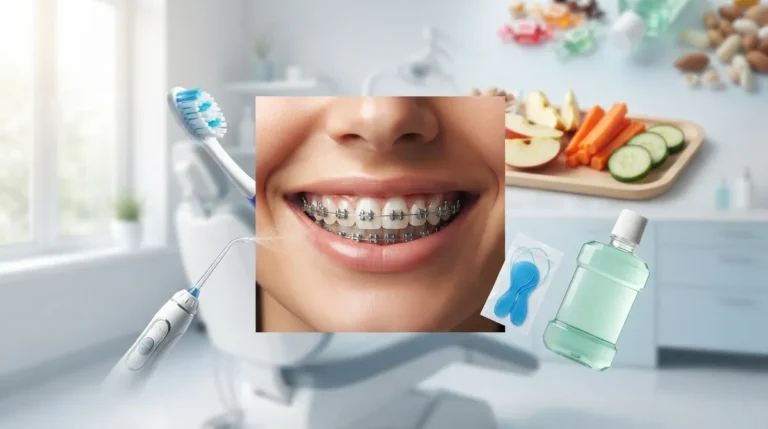
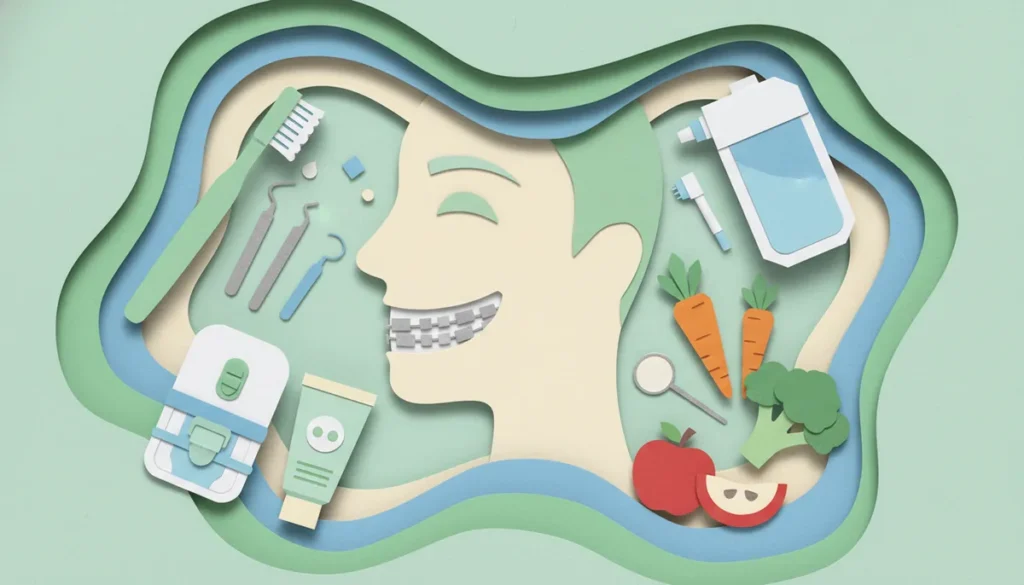
Develop a detailed daily cleaning routine for braces, including brushing at 45-degree angles around brackets and spending 2-3 minutes cleaning after every meal.
-
Avoid hard, sticky, and crunchy foods that can damage orthodontic appliances, and learn creative ways to modify your diet during treatment.
-
Use specialized tools like water flossers and orthodontic floss threaders to effectively clean between teeth and around braces where traditional flossing is challenging.
-
Wear clear aligners consistently for 20-22 hours per day, tracking wear time through apps or reminders to ensure treatment progresses as planned.
-
Keep an orthodontic care kit with travel toothbrush, floss, wax, and mirror to maintain proper hygiene and be prepared for cleaning needs throughout the day.
Starting your orthodontic journey is exciting, but caring for braces or clear aligners can feel overwhelming at first. Whether you’re a parent helping your child navigate life with braces or an adult seeking that perfect smile, knowing the right orthodontics tips makes all the difference. Proper care protects your investment, prevents discomfort, and ensures you achieve the beautiful results you’re working toward. In 2026, orthodontic technology has advanced significantly, but the fundamentals of good care remain essential. This guide shares practical, easy-to-follow advice that helps you maintain your orthodontic appliances and keeps your treatment on track from start to finish.
Understanding Your Orthodontic Appliances
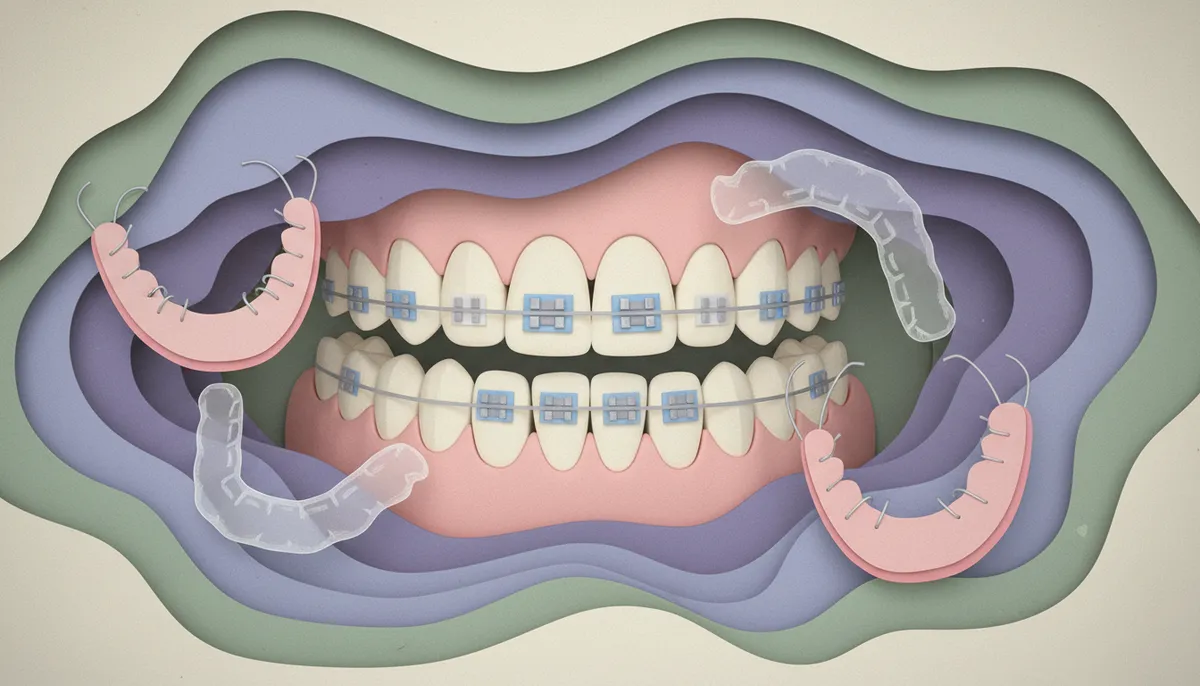
Before diving into specific care tips, it’s important to understand what you’re working with. Different orthodontic treatments require slightly different care approaches. Traditional metal braces consist of brackets bonded to your teeth and connected by wires. Clear ceramic braces work the same way but blend with your tooth color. Clear aligners are removable plastic trays that gradually shift your teeth. Each type has unique care requirements that affect your daily routine.
Knowing your specific appliance helps you follow the right care routine. Metal and ceramic braces stay in your mouth 24/7, requiring careful cleaning around brackets and wires. Clear aligners come out for eating and cleaning, but need their own special care. Retainers, which you’ll use after treatment, have different maintenance needs entirely. Understanding these differences helps you protect your orthodontic investment and avoid common problems that could delay your treatment timeline.
Why Proper Care Matters
Taking care of your orthodontic appliances isn’t just about keeping them looking nice. Poor care can lead to serious problems like tooth decay, gum disease, or permanent white spots on your teeth called decalcification. These issues can extend your treatment time by several months or even require additional dental work. The good news? Most problems are completely preventable with simple daily habits that become second nature after a few weeks.
Daily Cleaning Routines for Braces
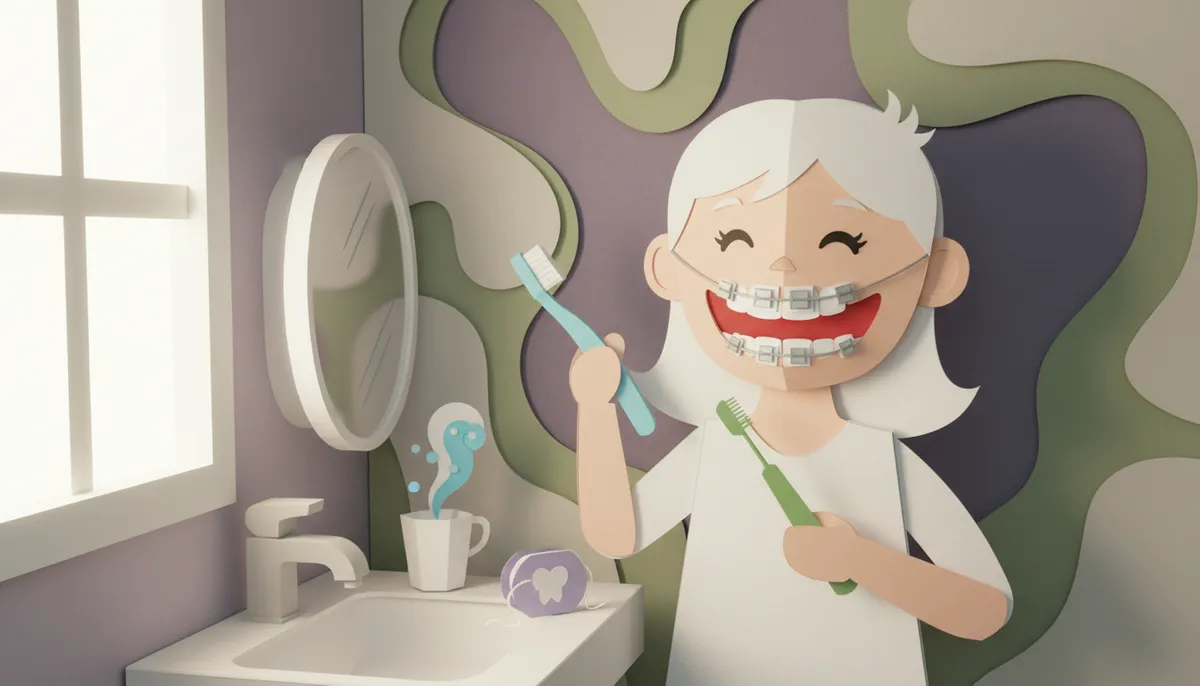
Brushing with braces takes more time and attention than regular brushing. Food particles and plaque easily get trapped around brackets and under wires, creating perfect conditions for bacteria to grow. Plan to spend at least two to three minutes brushing after every meal, using gentle circular motions that clean around each bracket without damaging the appliance.
Here’s your step-by-step brushing routine with braces:
- Rinse your mouth thoroughly with water to dislodge large food particles before brushing.
- Apply fluoride toothpaste to a soft-bristled brush and angle it at 45 degrees toward the gum line.
- Clean the top of each bracket by angling your brush down and using small circular motions.
- Clean below each bracket by angling your brush up and repeating the circular motion.
- Brush the chewing surfaces of your teeth using back-and-forth strokes.
- Don’t forget your tongue to remove bacteria and freshen breath.
Electric toothbrushes with orthodontic heads work wonderfully for braces because they provide consistent pressure and make thorough cleaning easier. Replace your brush head every two to three months, or sooner if bristles become frayed. If you’re following the proper brushing techniques, you’ll notice your teeth feel clean and smooth, even with appliances attached.
Flossing With Braces
Flossing with braces requires patience but remains absolutely essential. The space between your teeth where brackets can’t reach becomes a breeding ground for plaque without regular flossing. Use a floss threader or orthodontic floss with a stiff end to thread under the wire between each tooth. Gently move the floss up and down along each tooth surface, being careful not to snap the floss against your gums.
Water flossers offer an excellent alternative or supplement to traditional flossing. These devices use pressurized water to blast away food particles and plaque from around brackets and between teeth. Many patients find water flossers faster and easier than threading traditional floss, making them more likely to maintain consistent flossing habits throughout treatment.
Eating Smart With Orthodontic Appliances
Your diet changes significantly when you start orthodontic treatment. Certain foods can break brackets, bend wires, or get stuck in impossible-to-clean places. Avoiding problematic foods prevents emergency visits and keeps your treatment progressing smoothly. Most people adapt quickly to these dietary adjustments and discover plenty of delicious options that work perfectly with braces.
Foods to avoid with braces include:
- Hard foods like nuts, hard candies, ice, and popcorn kernels
- Sticky foods such as caramels, taffy, gum, and gummy candies
- Crunchy items like chips, hard pretzels, and hard cookies
- Chewy foods including bagels, thick pizza crust, and beef jerky
- Whole apples, carrots, and corn on the cob (cut into small pieces instead)
- Extremely hot or cold foods that cause discomfort on sensitive teeth
Safe, braces-friendly foods make up a surprisingly varied diet. Soft fruits, cooked vegetables, pasta, rice, soft bread, eggs, fish, ground meat, yogurt, cheese, and smoothies all work beautifully. Many patients find creative ways to enjoy favorite foods by modifying preparation methods. Slice apples into thin wedges, steam vegetables until tender, or cut sandwiches into small, manageable bites.
Managing Discomfort After Adjustments
Your teeth will feel sore for a few days after each adjustment appointment. This discomfort means your teeth are moving as planned. Stick to soft foods like mashed potatoes, soup, scrambled eggs, smoothies, and pasta during this time. Over-the-counter pain relievers help manage discomfort, but always follow dosage instructions and consult your orthodontist if pain seems excessive or unusual.
| Comfort Strategy | When to Use | Expected Relief Time |
|---|---|---|
| Cold compress | First 24 hours after adjustment | 15-20 minutes |
| Warm salt water rinse | After 24 hours, 2-3 times daily | Immediate soothing |
| Orthodontic wax | Anytime brackets irritate cheeks | While applied |
| Over-the-counter pain reliever | As needed per instructions | 30-60 minutes |
Special Care Tips for Clear Aligners
Clear aligners offer flexibility that traditional braces don’t, but they require their own specific care routine. You must remove aligners before eating or drinking anything except water to prevent staining and warping. Always store aligners in their protective case when not wearing them – never wrap them in napkins or tissues, as this leads to accidentally throwing them away.
Cleaning your aligners properly keeps them clear and odor-free throughout the treatment period. Rinse aligners with lukewarm water every time you remove them to prevent saliva buildup. Brush them gently with a soft toothbrush and clear, unscented antibacterial soap twice daily. Avoid using toothpaste on aligners, as it contains abrasives that scratch the plastic and make them look cloudy. The clear aligner care guidelines you receive from your orthodontist provide detailed information specific to your treatment system.
Maintaining Your Wear Schedule
Clear aligners only work when you actually wear them. Most treatment plans require wearing aligners 20 to 22 hours per day, removing them only for eating, drinking, and cleaning. Set phone reminders if you tend to forget to put aligners back in after meals. Track your wear time using apps provided by your aligner system, which help you stay accountable and ensure treatment progresses as planned.
Handling Orthodontic Emergencies
Sometimes problems occur despite careful maintenance. Knowing how to handle common emergencies prevents panic and helps you take appropriate action. A loose bracket, poking wire, or lost aligner doesn’t always require an immediate visit, but you should contact your orthodontist promptly to determine the best course of action.
Common orthodontic issues and quick fixes:
- Poking wire: Use a pencil eraser to gently push the wire away from your cheek, or cover it with orthodontic wax.
- Loose bracket: Leave it in place if still attached to the wire and cover with wax if irritating; call your orthodontist within 24 hours.
- Lost or broken aligner: Move back to the previous aligner if you have it, or forward to the next set if you’re near the transition date.
- Severe mouth sore: Rinse with warm salt water and apply orthodontic wax to any sharp areas causing irritation.
True emergencies requiring immediate attention include severe pain that doesn’t respond to over-the-counter medication, significant swelling, or trauma to your mouth or teeth. In these situations, contact your orthodontist immediately for guidance. Most practices offer emergency contact information for situations arising outside regular business hours.
Protecting Your Smile During Activities
Active lifestyles don’t stop during orthodontic treatment, but they require extra precautions. Sports and physical activities can damage braces or injure your mouth if you’re not careful. An orthodontic mouthguard protects both your appliances and your soft tissues during contact sports, martial arts, or any activity where impact to your face might occur.
Custom orthodontic mouthguards fit over braces much better than standard sports mouthguards. They provide cushioning between your braces and lips or cheeks, preventing cuts during impact. Your orthodontist can recommend appropriate mouthguards for your specific activities and appliance type. Remove clear aligners and wear a regular athletic mouthguard instead during sports to ensure maximum protection.
Musical Instruments and Braces
Playing wind instruments with braces takes adjustment but remains completely possible. Brass and woodwind players may experience initial discomfort as their lips adjust to the feel of brackets. Use orthodontic wax during practice sessions until your mouth adapts. Most musicians report returning to normal playing ability within two to four weeks after getting braces or following adjustments.
Retainer Care After Treatment
Your orthodontic journey doesn’t end when braces come off. Retainers maintain your new smile by preventing teeth from shifting back to their original positions. Wearing retainers exactly as prescribed is crucial – teeth have a natural tendency to move, especially during the first year after treatment. Many adults who had braces as teenagers need orthodontic treatment again because they didn’t wear retainers consistently.
Essential retainer care tips:
- Clean retainers daily with a soft toothbrush and gentle soap
- Soak removable retainers in denture cleaner or retainer solution weekly
- Always store retainers in their case when not wearing them
- Keep retainers away from heat sources that can warp plastic
- Never wrap retainers in napkins or leave them sitting out
- Bring retainers to all follow-up appointments for professional inspection
Fixed retainers bonded behind your teeth require special flossing attention but eliminate the worry of forgetting to wear them. Thread floss under the retainer wire daily using a floss threader or use a water flosser to clean around the bonded area. Regular dental cleanings become even more important with fixed retainers to prevent plaque buildup in these hard-to-reach spots.
Building Helpful Habits
Success with orthodontic treatment comes down to consistent daily habits. Creating a structured routine makes proper care automatic rather than a chore you must remember. Keep a care kit at school, work, or in your bag with a travel toothbrush, floss, orthodontic wax, and a small mirror. This preparation ensures you can clean properly after every meal, no matter where you are.
Setting specific times for orthodontic care helps build lasting habits. Brush immediately after breakfast, lunch, and dinner. Floss before bed without exception. Check your appliances in the mirror each morning and evening. These simple routines become second nature within a few weeks and significantly improve your treatment outcomes. Many patients report that the discipline learned during orthodontic care carries over into other healthy habits.
Teaching Children Good Orthodontic Habits
Parents play a crucial role in helping children maintain proper orthodontic care. Young patients often need supervision and reminders, especially during the first few months of treatment. Make brushing and flossing a family activity where everyone participates together. Use timers or music to ensure kids brush for the full two to three minutes needed with braces.
Positive reinforcement works better than nagging for building good habits. Create a chart where kids earn stickers or points for consistent care, then reward milestones with small non-food treats. Explain why proper care matters in terms they understand – showing before-and-after photos of other patients can provide powerful motivation. The early orthodontic care approach emphasizes education and partnership between orthodontist, parent, and patient.
Managing Treatment Costs and Appointments
Orthodontic treatment represents a significant investment in your health and confidence. Understanding your financial responsibilities and payment options helps reduce stress throughout the process. Most orthodontic practices offer flexible payment plans that spread costs over the treatment duration. Insurance coverage varies widely, so review your benefits carefully and ask your orthodontist’s office to verify coverage before beginning treatment.
| Payment Option | Best For | Key Advantage |
|---|---|---|
| Insurance coverage | Those with orthodontic benefits | Reduces out-of-pocket expenses |
| Monthly payment plans | Families managing budgets | No interest charges at most practices |
| FSA or HSA funds | Employees with health accounts | Pre-tax dollars lower effective cost |
| Family discounts | Multiple family members in treatment | Percentage reduction on second patient |
Keeping scheduled appointments ensures treatment stays on track. Most patients visit their orthodontist every four to eight weeks for adjustments and progress checks. Missing appointments delays treatment and can extend your time in braces by several months. Schedule appointments in advance and add them to your calendar with reminders. If you must reschedule, call as soon as possible to minimize disruption to your treatment timeline.
Communication With Your Orthodontic Team
Open communication with your orthodontist and their team makes orthodontic treatment smoother and more successful. Don’t hesitate to ask questions about anything you don’t understand – from care instructions to treatment progress. Your orthodontist wants you to feel confident and informed throughout the entire process. Segovia Orthodontics provides bilingual care in both English and Spanish, ensuring clear communication for all patients.
Report any concerns promptly rather than waiting for your next scheduled appointment. Persistent pain, loose appliances, or changes in how your teeth fit together all warrant a quick phone call. Most issues can be addressed with simple advice over the phone, but your orthodontist may want to see you for an emergency visit if needed. Being proactive prevents small problems from becoming bigger complications.
Using Technology for Better Care
Modern orthodontic practices leverage technology to improve patient care and communication. Many offices offer online portals where you can view appointments, access care instructions, and message the staff with questions. Some practices provide apps that send reminders for wearing aligners or brushing teeth. Take advantage of these digital tools to stay organized and connected throughout your treatment journey. Connect with our Facebook page or our Instagram page for helpful tips and community support.
Lifestyle Adjustments During Treatment
Orthodontic treatment affects various aspects of daily life beyond eating and cleaning. Social situations sometimes feel awkward at first, especially for teens and adults concerned about appearance. Remember that millions of people wear braces, and modern options like clear aligners or ceramic braces make treatment much less noticeable than traditional metal braces.
Photography and special events don’t need to be stressful with braces. Practice smiling naturally in front of a mirror to find angles that feel comfortable and confident. Many people discover their smile looks great with braces and feel proud to show they’re working toward improvement. For particularly important photos, clear aligners can be temporarily removed for brief periods, though this should be limited to maintain treatment progress.
Recognizing Treatment Progress
Watching your smile transform provides incredible motivation throughout orthodontic treatment. Take monthly photos using the same angle and lighting to document changes over time. Many patients are amazed when comparing early photos to later ones, as gradual daily changes become dramatic improvements when viewed over months. Your orthodontist will also take regular progress photos and show you how your treatment is advancing.
Teeth may look slightly worse before they look better, especially in complex cases where spacing or alignment must change dramatically. Trust the process and your orthodontist’s expertise. The American Board of Orthodontics certifies orthodontists who have completed rigorous additional training beyond dental school, ensuring you receive care from highly qualified professionals who understand how to achieve optimal results.
Preparing for Life After Braces
As treatment nears completion, excitement builds for the day your braces come off or you finish your final aligner. The removal appointment typically takes about an hour and is completely painless. Your orthodontist removes brackets, polishes away residual bonding material, and takes final photos and impressions. You’ll leave with retainers and specific instructions for wearing them to maintain your new smile.
Your teeth may feel strange without braces at first – smooth, slippery, and perhaps slightly sensitive. This sensation is completely normal and fades within a few days. Professional teeth whitening can address any minor discoloration around former bracket sites, though most patients find their natural tooth color looks beautiful once appliances are removed. Visit us on Google to read reviews from patients who have completed treatment and see their transformation stories.
Conclusion: Your Path to a Confident Smile
Following these orthodontics tips sets you up for successful treatment and a smile you’ll love showing off. Proper care requires commitment and consistency, but the daily habits become routine surprisingly quickly. The investment you make in orthodontic treatment pays dividends throughout your life through improved oral health, enhanced confidence, and a beautiful smile that opens doors personally and professionally.
Remember that your orthodontist and their team are partners in this journey. They’re available to answer questions, address concerns, and celebrate milestones with you. At Segovia Orthodontics, Dr. Flor Segovia combines advanced technology with personalized attention to ensure every patient receives exceptional care in a comfortable, supportive environment. Whether you’re starting treatment or helping a family member navigate their orthodontic journey, having the right information and support makes all the difference.
Ready to start your journey toward a healthier, more confident smile? Request an appointment today to discuss your orthodontic options and learn how proper care can help you achieve the results you’ve always wanted. Your perfect smile is closer than you think!
FAQs
Q: How often should I brush my teeth with braces?
A: You should brush your teeth after every meal and snack when wearing braces, which typically means at least three times daily. Spending two to three minutes each time ensures thorough cleaning around brackets and wires. Carry a travel toothbrush so you can maintain this routine even when away from home, preventing food buildup that leads to decay or gum problems.
Q: Can I still play sports with braces or clear aligners?
A: Absolutely! You can continue all sports and physical activities during orthodontic treatment with proper protection. Wear a custom orthodontic mouthguard over braces during contact sports to protect both your appliances and soft tissues. If you use clear aligners, remove them and wear a regular athletic mouthguard instead during games and practices for maximum safety.
Q: What should I do if my aligner cracks or breaks?
A: If your clear aligner cracks or breaks, contact your orthodontist immediately for guidance. If you’re near the end of your wear period for that aligner, your orthodontist may advance you to the next set. If you’re early in the cycle, you might need to return to the previous aligner temporarily while a replacement is made. Never continue wearing a damaged aligner as it won’t move teeth properly.
Q: How long do I need to wear my retainer after treatment ends?
A: Most orthodontists recommend wearing retainers full-time for the first six months after braces come off, then transitioning to nighttime wear indefinitely. Teeth have a natural tendency to shift throughout life, so long-term retainer use maintains your investment and prevents regression. Many adults wear retainers a few nights per week for life to keep their smile perfectly aligned.
Q: Why do my teeth hurt after adjustment appointments?
A: Soreness after adjustments is completely normal and actually indicates your treatment is working! When your orthodontist tightens wires or you switch to a new aligner, pressure causes teeth to begin moving through bone, creating temporary inflammation and sensitivity. This discomfort typically peaks within 24 to 48 hours and gradually decreases. Over-the-counter pain relievers and soft foods help you stay comfortable during this adjustment period.
Our Service Area