Key Takeaways
-
Orthodontic issues like crowding, spacing, and misalignment can significantly impact oral health, speech, and self-esteem.
-
Early detection of dental misalignment is crucial, as childhood interventions can prevent more complex problems later in life.
-
Genetic factors play a major role in orthodontic problems, with jaw size, tooth positioning, and alignment often inherited from parents.
-
Various treatment options like braces, clear aligners, and surgical interventions can effectively address different types of orthodontic issues.
-
Untreated orthodontic problems can lead to serious complications, including uneven tooth wear, jaw pain, increased cavity risk, and speech difficulties.
-
Modern diagnostic technologies like digital X-rays and 3D scanning have revolutionized orthodontic assessment and treatment planning.
-
Orthodontic treatments are no longer just cosmetic; they are essential for maintaining proper oral function, preventing long-term dental health issues.
Have you ever wondered why some people have perfectly straight teeth while others struggle with crowding, gaps, or bite problems? The truth is, orthodontic issues affect millions of people across all age groups, and understanding these concerns is the first step toward achieving a healthier, more confident smile. Whether you’re a parent noticing changes in your child’s teeth or an adult dealing with alignment problems, recognizing common orthodontic issues can help you make informed decisions about treatment options.
Orthodontic problems aren’t just about appearance—they can impact your oral health, speech, chewing ability, and even self-esteem. The good news is that modern orthodontics offers effective solutions for virtually every type of alignment concern. From traditional braces to clear aligners, today’s treatment options are more comfortable and efficient than ever before. Let’s explore the most common orthodontic issues and how they can be successfully addressed.
At Segovia Orthodontics, we understand that every smile is unique, and we’re committed to helping families in Lakewood Ranch achieve optimal oral health through personalized orthodontic care.
Understanding Crowding and How It Affects Your Smile
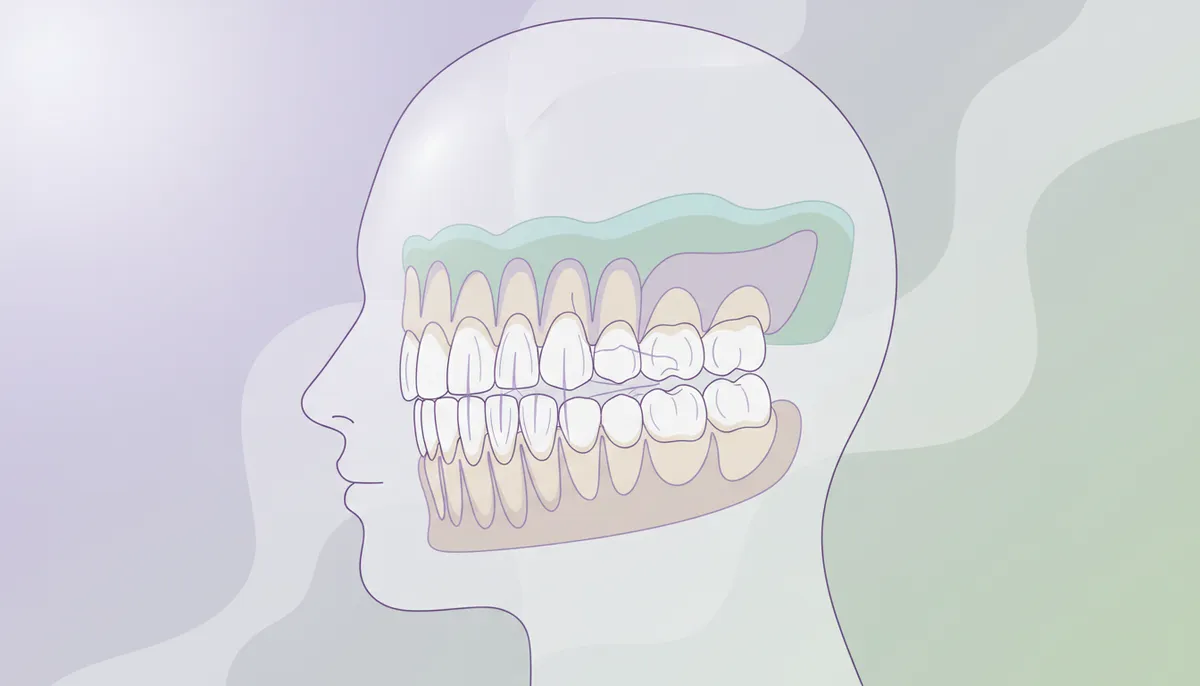
Crowding happens when your jaw doesn’t have enough space for all your teeth to fit normally. This is one of the most common orthodontic problems we see in both children and adults. When teeth compete for limited space, they can twist, overlap, or shift out of their proper positions.
Several factors contribute to crowding. Genetics plays a significant role—if your parents had crowded teeth, you’re more likely to experience the same issue. Early loss of baby teeth, extra teeth, or a small jaw size can also create crowding problems. Sometimes habits like thumb sucking or tongue thrusting during childhood can influence how teeth develop and align.
Crowded teeth create more than just cosmetic concerns. They make it harder to brush and floss effectively, increasing your risk for cavities and gum disease. Food particles and plaque get trapped between overlapping teeth, creating breeding grounds for bacteria. Additionally, crowded teeth can affect your bite, potentially leading to jaw pain and uneven tooth wear over time.
Treatment for crowding typically involves creating space in your mouth. This might include tooth extraction in severe cases, but modern techniques often use different types of braces or clear aligners to gradually shift teeth into proper alignment. Your orthodontist will evaluate your specific situation and recommend the best approach for your smile.
Spacing Problems Between Teeth
While crowding involves too little space, spacing issues occur when you have too much room between your teeth. These gaps can appear between any two teeth but are most commonly seen between the upper front teeth. Some people embrace their gaps as part of their unique smile, but others prefer to close them for aesthetic or functional reasons.
Gaps develop for various reasons:
- Missing teeth that leave open spaces
- Small teeth that don’t fill the available jaw space
- A large labial frenum (the tissue between your upper front teeth and lip)
- Habits like thumb sucking or tongue thrusting
- Gum disease that causes bone loss and tooth movement
Spacing between teeth can create practical problems beyond appearance. Food gets stuck more easily in larger gaps, potentially irritating your gums and increasing cavity risk. Speech problems, particularly with certain sounds, can also result from significant gaps. Some people develop lisps or have difficulty pronouncing words clearly.
Modern orthodontic treatment offers excellent solutions for spacing issues. Clear aligners work exceptionally well for closing gaps, as do traditional braces. In some cases where a prominent frenum causes the gap, a simple surgical procedure combined with orthodontic treatment can prevent the space from reopening after treatment.
Overbite: When Upper Teeth Overlap Too Much
An overbite occurs when your upper front teeth extend too far over your lower front teeth. While a slight overbite is normal and even healthy, an excessive overbite—sometimes called a “deep bite”—can cause significant problems. In severe cases, the lower teeth might even touch the roof of your mouth when you close your jaw.
Several factors contribute to excessive overbites. Genetics often determines jaw size and tooth positioning, making overbites hereditary in many families. Childhood habits like prolonged pacifier use, bottle feeding beyond toddler years, or thumb sucking can push the upper teeth forward. Sometimes bone development issues cause the upper jaw to grow more than the lower jaw, creating an overbite.
An excessive overbite can lead to various complications. The lower front teeth might wear down the back of the upper front teeth, causing enamel damage and increased sensitivity. Some people experience jaw pain, headaches, or TMJ (temporomandibular joint) problems. Speech difficulties and trouble chewing certain foods are also common with severe overbites.
Treatment for overbites depends on severity and age. Children might benefit from early orthodontic treatment that guides jaw growth. For teens and adults, braces or clear aligners can reposition teeth effectively. In severe cases, especially when jaw size discrepancies exist, a combination of orthodontics and surgical intervention might be necessary.
Underbite and Its Impact on Function
An underbite happens when your lower teeth extend beyond your upper teeth when you close your mouth. This condition, also called a Class III malocclusion, creates a “bulldog” appearance in profile. Underbites range from mild cases that are barely noticeable to severe situations that significantly affect facial appearance and oral function.
Underbites typically result from:
- Genetic factors that cause the lower jaw to grow larger than the upper jaw
- Upper jaw underdevelopment
- Lower jaw overdevelopment
- Missing or extra teeth
- Childhood habits that influence jaw development
This orthodontic issue creates both functional and aesthetic concerns. Chewing becomes difficult because teeth don’t meet properly, potentially affecting digestion. Speech problems, particularly with certain consonants, often develop. The unusual pressure distribution can cause premature tooth wear, jaw pain, and increased risk of tooth damage. Many people with underbites also feel self-conscious about their appearance.
Treating underbites works best when started early, ideally during childhood when jaws are still growing. Early intervention can guide jaw development and potentially avoid more complex treatment later. For teens and adults, treatment might involve braces, clear aligners, or a combination of orthodontics and jaw surgery for severe cases. Modern orthodontic technology has made underbite correction more predictable and comfortable than ever before.
Crossbite: When Teeth Don’t Line Up Properly
A crossbite occurs when some upper teeth sit inside the lower teeth when you close your mouth. This misalignment can affect one tooth, several teeth, or an entire side of your mouth. Crossbites develop in both the front (anterior) and back (posterior) areas of your mouth, each creating different concerns.
Several factors cause crossbites to develop. Delayed loss of baby teeth can prevent adult teeth from erupting in correct positions. Genetics influences jaw size and shape, sometimes creating crossbites. Chronic mouth breathing, often due to allergies or enlarged tonsils, can affect jaw development. Thumb sucking or prolonged pacifier use during early childhood also contributes to crossbite formation.
Untreated crossbites can lead to serious problems over time. Teeth wear unevenly, with some experiencing excessive grinding that damages enamel. Gum recession often develops on affected teeth due to abnormal pressure. Jaw pain, clicking, or TMJ disorders frequently result from the unnatural jaw position required to close your mouth. In growing children, crossbites can cause facial asymmetry as the jaw shifts to accommodate the misalignment.
Treatment for crossbites varies based on type and severity. Children often benefit from palatal expanders that widen the upper jaw, creating proper alignment. Braces effectively correct crossbites by moving individual teeth into correct positions. Adults might need more extensive treatment, but modern orthodontic techniques offer excellent results. Early detection and treatment prevent more complex problems from developing later.
Open Bite: When Teeth Don’t Touch
An open bite exists when upper and lower teeth don’t touch when you close your mouth. The most common type is an anterior open bite, where a gap remains between the front teeth even when back teeth are together. Less common are posterior open bites, where back teeth don’t touch while front teeth meet normally.
Open bites develop from various causes:
- Prolonged thumb sucking or pacifier use beyond age three
- Tongue thrusting (pushing your tongue forward when swallowing)
- Chronic mouth breathing
- Skeletal growth patterns
- Temporomandibular joint disorders
- Genetic factors affecting jaw development
This orthodontic problem creates significant functional challenges. Biting into foods like sandwiches or apples becomes difficult or impossible. Speech problems, particularly with certain sounds, commonly develop. The back teeth bear excessive pressure during chewing, leading to premature wear and potential damage. Many people with open bites also experience jaw pain and muscle strain from the unnatural chewing pattern.
Treating open bites requires addressing both the dental alignment and any underlying habits. Children often wear special appliances to break thumb-sucking habits while braces guide teeth into proper positions. Speech therapy might help correct tongue thrusting patterns. For adults, treatment typically involves braces or clear aligners, sometimes combined with surgical intervention for severe skeletal open bites. Success requires patient cooperation, especially in breaking harmful oral habits.
Overjet: When Front Teeth Stick Out
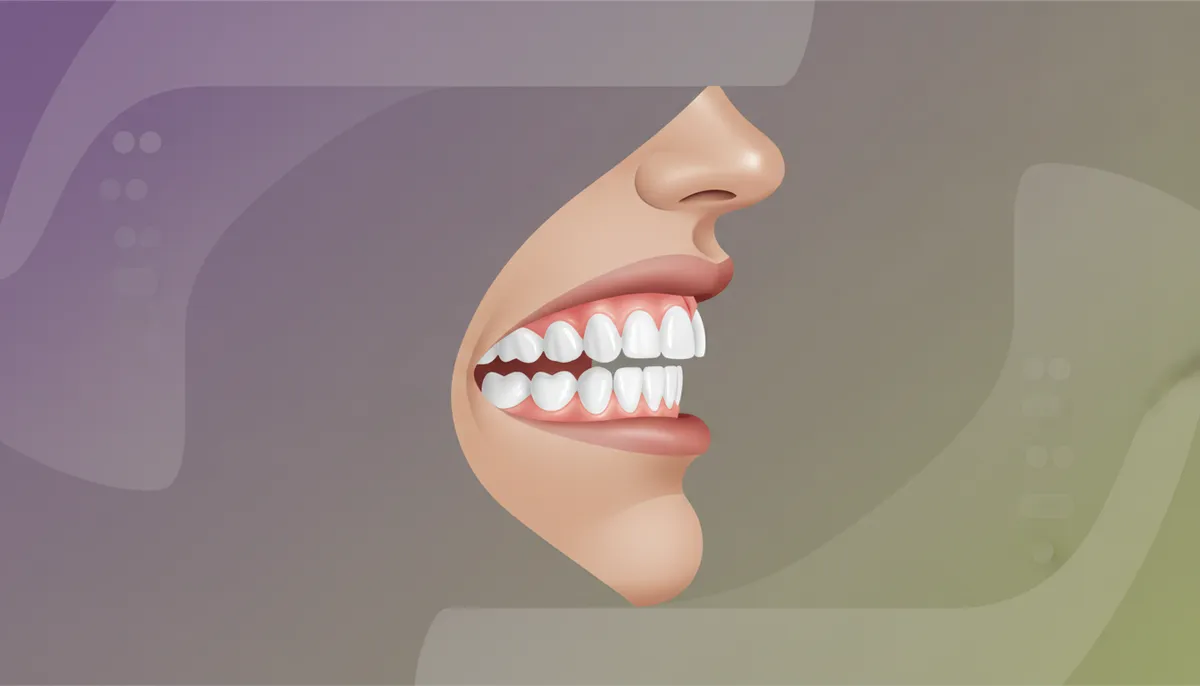
Overjet refers to the horizontal distance between your upper and lower front teeth. While a small overjet is normal, an excessive overjet—often called “buck teeth”—occurs when upper front teeth protrude significantly forward. This condition differs from an overbite, which measures vertical overlap rather than horizontal distance.
Several factors contribute to excessive overjet. Genetics plays a major role in determining jaw size and tooth positioning. Childhood habits like thumb sucking, prolonged pacifier use, or nail biting can push upper teeth forward. Sometimes the lower jaw is too small or positioned too far back, creating the appearance of protruding upper teeth. Missing lower teeth can also allow upper teeth to drift forward over time.
Excessive overjet creates both aesthetic and functional problems. Protruding teeth are more vulnerable to injury during falls or sports activities. Lip closure becomes difficult, potentially leading to dry mouth and increased cavity risk. Speech problems may develop, and some people experience difficulty eating certain foods. The appearance of protruding front teeth also affects self-confidence, particularly during adolescence.
Treatment options depend on the severity and underlying cause. Children might benefit from growth modification appliances that guide jaw development. Braces or clear aligners effectively retract protruding teeth and improve alignment. In severe cases, especially when caused by jaw size discrepancies, combining orthodontics with surgical intervention produces optimal results. Modern treatment techniques have made overjet correction predictable and efficient.
How Orthodontic Problems Are Diagnosed
Identifying orthodontic issues requires professional evaluation and advanced diagnostic tools. During your first orthodontic visit, your orthodontist conducts a comprehensive examination to assess your dental and facial structure. This process involves much more than simply looking at your teeth.
The diagnostic process includes several steps:
- Visual examination of teeth, gums, and jaw alignment
- Digital X-rays to evaluate tooth roots, jaw bones, and developing teeth
- Photographs of your face and smile from multiple angles
- Dental impressions or 3D scans to create accurate models
- Bite analysis to assess how upper and lower teeth fit together
- Evaluation of jaw movement and function
Your orthodontist considers multiple factors when diagnosing orthodontic problems. Age plays a crucial role, as treatment timing affects outcomes. The severity of the problem influences treatment approach and duration. Underlying skeletal issues might require different strategies than simple tooth misalignment. Your oral health history, including any previous dental work or injuries, also impacts treatment planning.
Advanced orthodontic technology has revolutionized diagnosis and treatment planning. Digital scanning eliminates messy impressions while providing incredibly accurate tooth models. Computer software allows orthodontists to simulate treatment outcomes before starting, helping you visualize your future smile. 3D imaging provides detailed views of jaw structure and tooth positioning that traditional X-rays cannot match.
Treatment Options for Common Orthodontic Problems
Modern orthodontics offers diverse treatment options to address virtually any alignment issue. The right choice depends on your specific problem, age, lifestyle, and personal preferences. Understanding available options helps you make informed decisions about your orthodontic care.
Traditional metal braces remain the most versatile and effective treatment for complex orthodontic issues. These tried-and-true appliances use metal brackets and wires to apply precise pressure that gradually moves teeth into proper positions. Today’s braces are smaller, more comfortable, and more efficient than older versions. They work well for patients of all ages and can correct even severe alignment problems.
Clear braces function like traditional braces but use tooth-colored or clear brackets that blend with your natural teeth. These appeal to patients who want effective treatment with less visible appliances. Clear braces work as effectively as metal braces for most orthodontic problems while offering improved aesthetics. They’re particularly popular among teens and adults who feel self-conscious about traditional metal brackets.
Clear aligners have transformed orthodontic treatment for many patients. These removable, transparent trays gradually shift teeth into alignment without wires or brackets. Clear aligners work well for mild to moderate orthodontic issues and offer unmatched convenience and discretion. You can remove them for eating, brushing, and special occasions, making them ideal for busy adults and image-conscious teens.
WildSmiles braces offer a fun option for younger patients who want to express their personality during treatment. These specialized brackets come in various shapes like hearts, stars, and footballs, making orthodontic treatment more enjoyable for kids and teens. They work just as effectively as traditional brackets while adding a personal touch to the treatment experience.
For some patients, especially children with developing jaws, early intervention appliances like palatal expanders or space maintainers can prevent more serious problems from developing. These devices guide jaw growth and preserve space for permanent teeth, potentially reducing or eliminating the need for more extensive treatment later.
The Importance of Early Detection and Treatment
Timing plays a crucial role in orthodontic treatment success. The American Board of Orthodontics recommends that children have their first orthodontic evaluation by age seven. At this age, enough permanent teeth have erupted to identify potential problems, yet children still have growing jaws that respond well to early intervention.
Early detection offers numerous advantages:
- Guides jaw growth to create proper proportions
- Lowers risk of trauma to protruding front teeth
- Corrects harmful oral habits before they cause permanent damage
- Improves appearance and self-esteem during critical developmental years
- Simplifies or eliminates the need for more complex treatment later
- Reduces overall treatment time and cost
Not every child needs early treatment, but identifying potential problems allows for strategic monitoring. Your orthodontist can track development and intervene at the optimal time for best results. Some conditions, like severe crossbites or underbites, respond much better to early treatment when jaws are still growing and more malleable.
Adults shouldn’t assume they’ve missed their opportunity for orthodontic treatment. Teeth can be moved at any age, and more adults than ever are seeking orthodontic care. Modern options like clear aligners make treatment convenient and discreet for busy professionals. Whether you’re addressing long-standing concerns or experiencing new problems from tooth shifting, orthodontic treatment can improve both function and appearance.
If you suspect orthodontic issues in yourself or your child, don’t wait to seek evaluation. Early assessment provides valuable information and allows for strategic treatment planning. Many problems are easier and less expensive to correct when caught early, making that initial consultation a worthwhile investment in long-term oral health.
Maintaining Results After Orthodontic Treatment
Successfully completing orthodontic treatment is an exciting milestone, but maintaining your new smile requires ongoing commitment. After months or years of moving teeth into proper positions, they naturally want to shift back toward their original locations. This tendency, called relapse, affects everyone to some degree.
Orthodontic retainers are essential for maintaining treatment results. These custom-made appliances hold teeth in their new positions while surrounding bone and tissue adapt to the changes. Your orthodontist will prescribe a specific retention protocol based on your treatment and individual needs.
Several types of retainers serve different purposes:
- Fixed retainers use a thin wire bonded behind front teeth for permanent retention
- Removable clear retainers look like thin aligners and offer nearly invisible retention
- Traditional wire retainers combine a plastic base with a wire across front teeth
Following your retention protocol exactly as prescribed is crucial for maintaining results. Initially, you’ll likely wear retainers full-time except when eating and brushing. Over time, many patients transition to nighttime-only wear. Some orthodontists recommend indefinite nighttime retention to ensure long-term stability.
Good oral hygiene protects your investment in orthodontic treatment. Brush twice daily, floss regularly, and attend dental checkups every six months. These habits prevent cavities and gum disease that could compromise your alignment. Keep retainers clean by brushing them gently and soaking them in appropriate cleaning solutions.
Avoid habits that could damage your newly aligned teeth. Don’t chew ice, bite your nails, or use teeth as tools to open packages. If you play sports, wear a mouthguard to protect your smile from injury. Address any teeth grinding or clenching issues with your dentist, as these habits can shift teeth over time.
If you notice any changes in your bite or tooth positions, contact your orthodontist promptly. Early intervention can often correct minor shifting before it becomes a significant problem. Many patients find that occasional retainer adjustments or replacement retainers help maintain perfect alignment for life.
Conclusion: Taking the First Step Toward Your Best Smile
Understanding common orthodontic issues empowers you to make informed decisions about your dental health. Whether you’re dealing with crowding, spacing, bite problems, or other alignment concerns, effective treatment options exist to help you achieve a healthy, beautiful smile. Modern orthodontics combines advanced technology with proven techniques to deliver comfortable, efficient results.
Remember that orthodontic problems often worsen over time when left untreated. What starts as a minor alignment issue can develop into more complex problems affecting your oral health, function, and confidence. The good news is that orthodontic treatment works at any age, and today’s options are more convenient and discreet than ever before.
At Segovia Orthodontics, Dr. Flor Segovia and her team provide personalized orthodontic care for patients of all ages. As a board-certified orthodontist, Dr. Segovia combines expertise with compassion to create treatment plans tailored to each patient’s unique needs and goals. The practice offers flexible orthodontic financing options to make quality care accessible for every family.
Don’t let orthodontic concerns hold you back from smiling confidently. Whether you’re concerned about your child’s developing bite or interested in improving your own smile, professional evaluation is the first step toward positive change. The team at Segovia Orthodontics is ready to answer your questions and help you explore treatment options that fit your lifestyle and budget.
Ready to transform your smile? Schedule your complimentary consultation today and discover how orthodontic treatment can improve your oral health, function, and confidence. Your journey to a beautiful, healthy smile starts with a single appointment. Check out our Instagram page to see amazing smile transformations, and visit us on Google to read reviews from our happy patients. We look forward to welcoming you to our orthodontic family!
FAQs
Q: At what age should my child first see an orthodontist?
A: The American Board of Orthodontics recommends that children have their first orthodontic evaluation by age seven. At this age, enough permanent teeth have erupted to identify potential problems, and the jaw is still growing, making early intervention more effective. Even if treatment isn’t needed immediately, this early visit allows the orthodontist to monitor development and intervene at the optimal time.
Q: Can adults get braces or clear aligners?
A: Absolutely! Teeth can be moved at any age, and more adults than ever are seeking orthodontic treatment. Modern options like clear aligners and tooth-colored braces make treatment discreet and convenient for busy professionals. Whether you’re addressing long-standing concerns or dealing with tooth shifting that occurred over time, orthodontic treatment can significantly improve both your smile’s appearance and function.
Q: How long does orthodontic treatment typically take?
A: Treatment duration varies based on the complexity of your orthodontic issues and the type of treatment chosen. Most cases take between 12 to 24 months, though minor corrections might be completed in as little as six months, while complex cases could require longer. Your orthodontist will provide a personalized timeline during your consultation based on your specific needs and treatment goals.
Q: Will I need to wear a retainer forever after braces?
A: While retention requirements vary by individual, most orthodontists recommend long-term or even lifetime retainer wear to maintain results. Initially, you’ll wear your retainer full-time, then transition to nighttime-only wear. Teeth naturally tend to shift throughout life, so consistent retainer use is the best way to protect your investment and keep your smile looking great for years to come.
Q: Are clear aligners as effective as traditional braces?
A: Clear aligners are highly effective for treating mild to moderate orthodontic issues, including crowding, spacing, and certain bite problems. They offer the advantages of being removable and nearly invisible. However, traditional braces remain the gold standard for complex cases involving severe misalignment, significant bite corrections, or vertical tooth movements. Your orthodontist will recommend the most appropriate treatment option based on your specific orthodontic needs.
Our Service Area