Key Takeaways
-
Early orthodontic evaluations at age 7 can prevent more serious dental problems from developing later
-
Palatal expanders and space maintainers create proper room for permanent teeth to grow in correctly
-
Addressing protruding teeth early reduces the risk of dental injuries during childhood activities
-
Early treatment can improve speech and breathing function by correcting jaw and tooth alignment
-
Two-phase orthodontic treatment can significantly reduce total time spent wearing braces
-
Early intervention helps build children’s confidence during critical social development years
-
Proactive orthodontic care can save money by preventing more complex and expensive treatments in the future
As a parent, you want the best for your child’s health and future. When it comes to their smile, timing matters more than you might think. Early orthodontic treatment can make a huge difference in your child’s dental development, confidence, and overall well-being. But what exactly does it mean, and why should you consider it before all their permanent teeth come in?
Most parents don’t realize that catching orthodontic issues early can prevent more serious problems down the road. The American Association of Orthodontists recommends that children have their first orthodontic evaluation by age 7. This might seem young, but it’s the perfect time to spot potential issues while your child’s jaw is still growing. Early intervention doesn’t always mean immediate treatment with braces. Sometimes it simply means monitoring growth and development to determine the best time to start.
In this guide, we’ll walk you through seven important benefits of early orthodontic treatment that every parent should understand. You’ll learn when to schedule that first visit, what problems can be corrected early, and how starting treatment at the right time can save you money and spare your child from more complicated procedures later. Let’s explore why early orthodontic care might be one of the best investments in your child’s future smile.

1. Prevents More Serious Problems From Developing
One of the biggest advantages of early orthodontic treatment is that it stops small issues from turning into big headaches. When orthodontists evaluate children around age 7, they can spot problems that might not seem obvious to parents. Things like crossbites, overcrowding, or jaw growth issues can get worse as your child grows if left untreated.
Think of it like fixing a small crack in your windshield before it spreads across the whole glass. Early treatment works the same way. By addressing problems while your child’s bones are still soft and growing, orthodontists can guide development in the right direction. This approach often means simpler treatments and better results than waiting until all permanent teeth have come in.
Common Issues Detected Early
During an early orthodontic evaluation, specialists look for several key problems that benefit from early intervention:
- Crossbites that can cause uneven jaw growth and facial asymmetry
- Severe crowding that indicates there won’t be enough room for permanent teeth
- Protruding front teeth that are more likely to get injured during sports or play
- Underbites or overbites that affect chewing and speech development
- Habits like thumb sucking that are changing tooth positions
- Early or late loss of baby teeth that might signal spacing problems
According to the American Board of Orthodontics, catching these issues early makes treatment more effective. Guiding jaw growth at the right developmental stage can reduce or eliminate the need for tooth extractions or jaw surgery later. This preventive approach is much gentler on children and often less expensive for families in the long run.
How Prevention Saves Time and Stress
When you address orthodontic problems early, you’re actually making life easier for everyone. Phase One treatment (the early intervention stage) typically lasts 9 to 18 months. This shorter timeframe means less disruption to your child’s busy schedule of school activities, sports, and social events.
Early treatment can also reduce the time needed for comprehensive orthodontic treatment during the teen years. Some children who receive early intervention only need minor adjustments later, while others might not need Phase Two treatment at all. That means fewer orthodontist appointments, less time wearing braces, and a smoother journey to a beautiful smile.
2. Creates Space for Permanent Teeth to Come In Properly
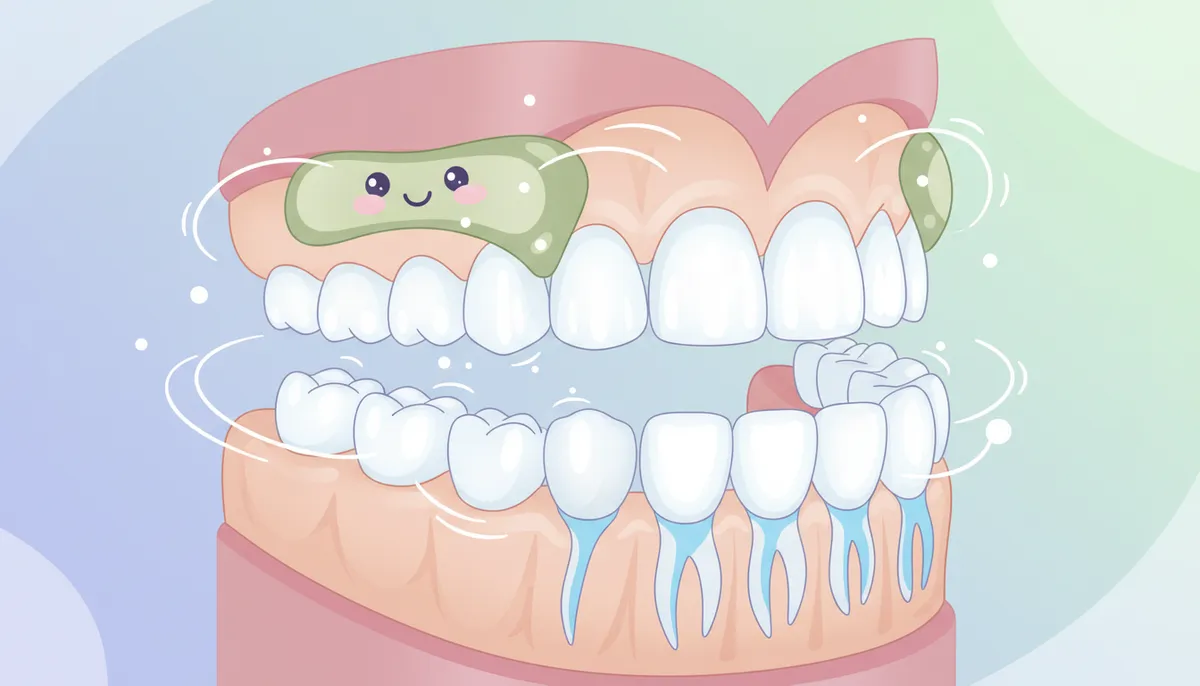
One of the most common reasons children need early orthodontic treatment is crowding. When baby teeth are packed too tightly together, it’s a clear sign that permanent teeth won’t have enough room to grow in straight. This crowding can lead to teeth coming in at odd angles, getting stuck below the gumline, or pushing other teeth out of position.
Early treatment can create the space permanent teeth need before they even erupt. Orthodontists use special appliances called palatal expanders or space maintainers to gently widen the jaw or hold space open. This process works best when children are young because their jaw bones haven’t fully hardened yet. The treatment is comfortable, effective, and sets the stage for a healthier smile.
Understanding Palatal Expansion
A palatal expander is a custom-made device that fits across the roof of the mouth. It applies gentle pressure to gradually widen the upper jaw over several months. This might sound uncomfortable, but most children adjust to the device within a week and experience minimal discomfort.
Here’s what makes palatal expansion so effective in younger children:
- The upper jaw consists of two bones that don’t fully fuse until the teenage years
- Gentle pressure can encourage these bones to separate slightly, creating more room
- New bone fills in the expanded space naturally as the jaw widens
- The process is permanent once the jaw stabilizes after treatment
- Results are achieved without removing any healthy teeth
At Segovia Orthodontics, Dr. Flor Segovia uses advanced technology to ensure palatal expansion is as comfortable as possible. The treatment typically takes 3 to 6 months, followed by a retention period where the expander stays in place while new bone forms.
Space Maintainers for Early Tooth Loss
Sometimes children lose baby teeth too early due to decay or injury. When this happens, neighboring teeth can drift into the empty space, blocking permanent teeth from coming in where they should. Space maintainers are simple appliances that hold that gap open until the permanent tooth is ready to erupt.
These devices are much simpler than braces and require very little maintenance. Children wear them comfortably and often forget they’re even there. This small step can prevent major crowding problems and reduce the need for tooth extractions or complex orthodontic work later on.
3. Reduces the Risk of Tooth Damage and Injury
Children with protruding front teeth face a higher risk of dental injuries during everyday activities. Whether they’re playing soccer, riding bikes, or just roughhousing with siblings, an accidental bump or fall can chip, crack, or even knock out teeth that stick out too far. Early orthodontic treatment can bring these teeth back into a safer position.
When front teeth protrude significantly, they lack the protection of the lips. This exposure makes them vulnerable to trauma. Studies show that children with severe overbites are twice as likely to experience dental injuries compared to children with properly aligned teeth. Addressing this issue early protects your child’s smile and saves you from costly emergency dental visits.
Protecting Active Kids
If your child plays sports or leads an active lifestyle, reducing protrusion becomes even more important. While mouthguards offer some protection, they work best when teeth are already in a safer position. Early treatment can:
- Move front teeth back to reduce their exposure
- Improve lip coverage so teeth are naturally protected
- Correct bite problems that leave teeth vulnerable
- Create a more balanced facial profile
- Boost your child’s confidence in physical activities
The treatment for protruding teeth in young children often involves removable appliances or limited braces on just the front teeth. These approaches are less invasive than full orthodontic treatment but deliver important protective benefits right when your child needs them most.
4. Improves Speech and Breathing Function
Many parents don’t realize that tooth and jaw alignment directly affect how children speak and breathe. When teeth are severely crowded, out of position, or the jaw is too narrow, it can create functional problems that go beyond appearance. Early orthodontic treatment addresses these issues during critical developmental years when corrections are most effective.
Speech problems like lisps or difficulty pronouncing certain sounds often stem from improper tongue placement. This happens when there isn’t enough room in the mouth or when teeth are positioned incorrectly. Similarly, narrow jaws can restrict airway space, leading to mouth breathing, snoring, or even sleep disruption.
Speech Development Benefits
Clear speech requires precise coordination between the tongue, teeth, and palate. When orthodontic issues interfere with this coordination, children may develop speech patterns that are hard to correct with speech therapy alone. Early orthodontic intervention can:
- Create proper space for the tongue to rest and move correctly
- Position teeth so sounds can be formed accurately
- Widen the palate to improve tongue placement
- Correct open bites that cause air to escape during speech
- Support speech therapy efforts with structural improvements
Many speech therapists work closely with orthodontists to achieve the best results for children. When structural issues are corrected early, speech therapy becomes more effective and children gain confidence in their communication skills.
Breathing and Airway Considerations
A narrow upper jaw doesn’t just affect teeth spacing. It can also restrict nasal passages and airway space, forcing children to breathe through their mouths instead of their noses. Mouth breathing might seem harmless, but it can lead to several problems including dry mouth, increased cavities, poor sleep quality, and changes in facial development.
Early palatal expansion improves airway space by widening the upper jaw. This allows children to breathe more easily through their noses, which is the natural and healthier breathing pattern. Better breathing means better sleep, improved focus at school, and healthier overall development. If you’ve noticed your child snoring, breathing with their mouth open frequently, or struggling with sleep, an early orthodontic evaluation might uncover treatable structural causes.
5. Shortens Overall Treatment Time
One of the most practical benefits of early orthodontic treatment is that it can actually reduce the total time your child spends in braces later. This might seem counterintuitive since you’re starting treatment earlier, but Phase One treatment creates favorable conditions that make Phase Two treatment much more efficient.
Think of early treatment as laying a solid foundation for a house. When the foundation is properly prepared, the rest of the construction goes faster and smoother. Similarly, when jaw relationships and spacing issues are addressed early, the final alignment of teeth becomes simpler and quicker during the teenage years.
The Two-Phase Treatment Approach
Many children who receive early intervention follow a two-phase treatment plan:
Phase One (Early Treatment): This stage typically occurs between ages 7 and 10 while children still have a mix of baby and permanent teeth. Treatment focuses on correcting jaw growth problems, creating space, and addressing issues that are easier to fix while the child is still growing. Phase One usually lasts 9 to 18 months.
Resting Period: After Phase One, children get a break while the rest of their permanent teeth come in. The orthodontist monitors progress during this time with occasional check-ups but no active treatment.
Phase Two (Comprehensive Treatment): This stage typically occurs during the early teen years when all permanent teeth have erupted. Because Phase One already addressed major issues, Phase Two focuses on fine-tuning alignment and bite. This stage is often shorter than it would have been without early intervention.
Time Savings Add Up
Children who receive appropriate early treatment often spend 6 to 12 months less in comprehensive braces compared to those who wait until all problems are fully developed. Some children only need limited treatment in Phase Two, while a small percentage don’t need Phase Two at all because early intervention solved their issues completely.
This time savings means fewer school days interrupted by orthodontic appointments, less time dealing with dietary restrictions from braces, and getting to that final beautiful smile sooner. For busy families juggling multiple children’s schedules, these time savings can make a real difference in daily life. You can schedule a consultation to learn whether early treatment could benefit your child’s timeline.
6. Builds Confidence During Critical Social Years
The emotional and social benefits of early orthodontic treatment are just as important as the physical ones. Children as young as 7 or 8 start noticing differences in appearance and can become self-conscious about teeth that look different from their peers. Addressing obvious orthodontic problems early can protect your child’s self-esteem during these formative years.
When children feel good about their smiles, they’re more likely to participate in class, smile in photos, and engage socially with friends. On the other hand, children who are embarrassed about their teeth might cover their mouths when laughing, avoid smiling, or feel anxious in social situations. These behaviors can affect their personality development and social relationships.
Social Development and Self-Image
The elementary and middle school years are crucial for developing self-confidence and social skills. Children who receive early treatment for noticeable orthodontic issues often experience:
- Improved self-esteem and willingness to smile freely
- Greater confidence in school presentations and social interactions
- Reduced teasing or negative comments from peers about appearance
- Better participation in activities like school photos and performances
- A positive attitude toward taking care of their oral health
Starting treatment early also normalizes orthodontic care for your child. When many of their classmates are also getting early evaluations or wearing expanders, it becomes a shared experience rather than something that makes them feel different or singled out.
Setting Up Success for Teen Years
By addressing major issues in the early years, you’re setting your child up for a smoother experience during their teenage years when social pressures peak. If comprehensive braces are still needed later, the treatment time will likely be shorter and the changes less dramatic because the foundation work was already completed.
Many teenagers appreciate that early treatment reduced their time in braces during high school when social events, dating, and milestone occasions like prom and graduation become important. Having a confident smile during these memorable years is a gift that lasts a lifetime. Connect with our team on our Facebook page to see real transformation stories from families in our community.
7. Saves Money in the Long Run
While early orthodontic treatment requires an initial investment, it often costs less overall than waiting until problems become severe. Complex orthodontic issues that develop from untreated early problems typically require longer treatment times, more appointments, and sometimes additional procedures like tooth extractions or jaw surgery.
When you address problems at the ideal developmental stage, treatment is simpler and more straightforward. This efficiency translates directly into cost savings. Additionally, preventing dental injuries through early correction of protruding teeth can save thousands of dollars in emergency dental work and restorations.
Understanding the Financial Benefits
Here’s how early treatment can impact your family’s orthodontic investment:
| Scenario | Without Early Treatment | With Early Treatment |
|---|---|---|
| Treatment Duration | 24-36 months of comprehensive braces | 12-18 months Phase One + 12-18 months Phase Two |
| Tooth Extractions | Often required (4 permanent teeth) | Frequently avoided through space creation |
| Additional Procedures | May need jaw surgery for severe cases | Guided growth prevents surgical need |
| Injury Risk | Higher risk requiring emergency care | Protected teeth reduce injury likelihood |
| Overall Cost | Higher due to complexity and duration | Lower due to prevention and efficiency |
Flexible Payment Options
Cost concerns shouldn’t prevent your child from getting the care they need. At Segovia Orthodontics, we offer flexible financing options to make early treatment affordable for every family. We work with most insurance plans and provide payment plans that fit your budget.
Many dental insurance policies cover a portion of orthodontic treatment for children, and some employers offer flexible spending accounts (FSAs) or health savings accounts (HSAs) that can be used for orthodontic care. These options make it easier to invest in your child’s dental health without financial stress.
Remember that the cost of addressing simple problems early is almost always less than treating complex problems later. When you factor in the reduced risk of dental injuries, shorter overall treatment time, and better outcomes, early orthodontic treatment delivers excellent value for families.
When to Schedule Your Child’s First Orthodontic Visit
Now that you understand the benefits of early orthodontic treatment, you might be wondering when exactly to schedule that first evaluation. The American Association of Orthodontists recommends an initial orthodontic screening by age 7, but this doesn’t mean treatment starts immediately for every child.
At age 7, children typically have a mix of baby teeth and permanent teeth. This stage gives orthodontists valuable insight into how the jaw is developing and whether permanent teeth will have enough space to come in properly. The evaluation is quick, non-invasive, and provides important information for planning your child’s dental future.
Signs Your Child Might Benefit From Early Evaluation
While age 7 is the recommended baseline, some children show signs that warrant an even earlier evaluation. Contact an orthodontist sooner if you notice:
- Early or late loss of baby teeth (before age 4 or after age 7)
- Difficulty chewing or biting food properly
- Mouth breathing or snoring during sleep
- Thumb sucking or pacifier use beyond age 5
- Crowded, misplaced, or blocked teeth
- Jaws that shift or make sounds when opening and closing
- Difficulty speaking or pronouncing certain sounds
- Biting the cheek or roof of the mouth frequently
- Teeth that don’t meet properly or at all
- Facial imbalance or asymmetry
These signs can indicate common orthodontic problems that benefit from early intervention. Even if treatment isn’t needed right away, establishing a relationship with an orthodontist ensures your child receives monitoring and care at exactly the right time.
What Happens During the First Visit
The first orthodontic visit is designed to be comfortable and informative for both you and your child. Here’s what you can typically expect:
The orthodontist will examine your child’s teeth, jaw, and facial structure to assess growth and development. They may take photos and X-rays to get a complete picture of your child’s dental situation. This examination is gentle and non-invasive, and most children find it interesting rather than scary.
After the evaluation, the orthodontist will discuss their findings with you. They’ll explain whether treatment is recommended now, later, or not at all. If early treatment is beneficial, they’ll outline what it would involve, how long it would take, and what results to expect. There’s never any pressure to start treatment immediately, and you’ll have time to ask questions and consider your options.
Many parents feel relieved after the first visit even if treatment isn’t needed yet. Knowing that your child’s development is on track provides peace of mind. And if issues are detected, you’ll have a clear plan and timeline for addressing them at the optimal time. To get started, you can easily request an appointment with our team today.
What to Expect From Early Orthodontic Treatment
If your child needs early intervention, understanding what treatment involves helps both of you feel prepared and confident. Early orthodontic treatment uses appliances and techniques specifically designed for growing children. These approaches are different from the braces teenagers typically wear and focus on guiding development rather than just moving teeth.
Common Early Treatment Appliances
Depending on your child’s specific needs, early treatment might involve one or more of these appliances:
- Palatal Expanders: Devices that gently widen the upper jaw to create space and improve bite alignment
- Space Maintainers: Simple appliances that hold space open when baby teeth are lost prematurely
- Partial Braces: Braces on just the front teeth to correct protrusion or alignment of specific teeth
- Functional Appliances: Devices that guide jaw growth and improve the relationship between upper and lower jaws
- Retainers: Custom appliances that hold teeth in position after early movement
Most early treatment appliances are either fixed (attached to teeth) or removable. Your orthodontist will recommend the best option based on your child’s age, cooperation level, and specific needs. Many children adapt quickly to these appliances and experience minimal discomfort.
Caring for Appliances
Taking care of orthodontic appliances is straightforward with a little practice. Your orthodontist will provide detailed instructions, but here are some general guidelines:
For fixed appliances like expanders, your child should brush carefully around the device twice daily and rinse after meals. Avoid sticky or hard foods that could damage the appliance. For removable appliances, your child should clean the device with a toothbrush and mild soap daily and store it in its case when not wearing it.
Regular orthodontic appointments ensure the appliance is working properly and your child’s teeth are moving as planned. These visits are typically scheduled every 4 to 8 weeks and take about 20 to 30 minutes. Most appointments fit easily into after-school hours, minimizing disruption to your family’s schedule.
Choosing the Right Orthodontist for Early Treatment
Not all orthodontists have the same level of expertise in treating young children. When selecting an orthodontist for early treatment, look for specific qualifications and experience that ensure your child receives the best possible care.
Important Credentials to Consider
Board certification is one of the most important credentials to look for. A board-certified orthodontist has completed rigorous additional training and examination beyond dental school and orthodontic residency. This certification demonstrates a commitment to excellence and staying current with the latest treatment advances.
Dr. Flor Segovia is a board-certified orthodontist with extensive experience in early intervention. Her expertise in treating young children, combined with her gentle approach and advanced orthodontic technology, makes her an excellent choice for families seeking early orthodontic care.
Family-Friendly Environment Matters
Early orthodontic treatment works best when children feel comfortable and excited about their appointments. Look for a practice that creates a welcoming, kid-friendly atmosphere. Features like friendly staff, a comfortable waiting area, and clear communication help children feel at ease.
At Segovia Orthodontics, we specialize in making orthodontic care a positive experience for children and families. Our team takes time to explain everything in terms children understand, and we celebrate progress at every visit. We also offer bilingual care in English and Spanish, ensuring every family feels welcome and understood.
Location and scheduling flexibility are also important factors. Choose a practice that’s conveniently located near your home or your child’s school and offers appointment times that work with your family’s schedule. The easier it is to attend appointments, the more consistent your child’s treatment will be. Check out our Instagram page to see our office environment and meet our team.
Taking the Next Step for Your Child’s Smile
Early orthodontic treatment offers incredible benefits that extend far beyond straight teeth. From preventing serious dental problems and reducing treatment time to building confidence and saving money, starting at the right time sets your child up for a lifetime of healthy, beautiful smiles.
The most important thing you can do is schedule that first evaluation by age 7. This simple step provides valuable information about your child’s dental development and ensures any issues are caught early when treatment is most effective. Even if your child doesn’t need treatment right away, you’ll have peace of mind knowing their growth is on track.
Remember that every child’s situation is unique. What works for one family might not be right for another. A qualified orthodontist can assess your child’s specific needs and recommend a personalized treatment plan that fits your family’s goals and budget.
If you’re in the Lakewood Ranch area and ready to learn more about early orthodontic treatment for your child, Segovia Orthodontics is here to help. Dr. Segovia and our caring team provide expert evaluations and personalized treatment plans in a comfortable, family-friendly environment. We accept most insurance plans and offer flexible financing to make treatment affordable.
Don’t wait for problems to become severe. Schedule your child’s complimentary consultation today and discover how early orthodontic care can make a lasting difference in their smile and confidence. You can also call us at 941-557-1333 to speak with our friendly team and find an appointment time that works for your busy schedule. We also invite you to visit us on Google to read reviews from other families who have trusted us with their children’s orthodontic care.
Investing in your child’s smile today creates benefits that last a lifetime. Take that first step and give your child the gift of a healthy, confident smile that will serve them well through all of life’s important moments.
FAQs
Q: What age should my child have their first orthodontic evaluation?
A: The American Association of Orthodontists recommends that children have their first orthodontic screening by age 7. At this age, children have a mix of baby and permanent teeth, which allows orthodontists to spot potential problems early. This doesn’t mean treatment will start immediately, but it establishes a baseline for monitoring your child’s dental development and ensures intervention happens at the optimal time if needed.
Q: Does early orthodontic treatment mean my child will need braces twice?
A: Not necessarily! While some children benefit from a two-phase treatment approach (early intervention followed by braces during teen years), many children who receive early treatment need shorter or simpler comprehensive treatment later. Some children only require minor adjustments in Phase Two, while others may not need additional treatment at all. Early intervention often reduces overall treatment time and complexity rather than adding to it.
Q: How long does early orthodontic treatment typically last?
A: Phase One or early orthodontic treatment typically lasts between 9 to 18 months, depending on the specific issues being addressed. After this active treatment period, there’s usually a resting phase where the orthodontist monitors your child’s development as their remaining permanent teeth come in. This is much shorter than comprehensive orthodontic treatment and focuses on correcting specific developmental issues at the ideal time.
Q: Is early orthodontic treatment painful for children?
A: Most children experience minimal discomfort with early orthodontic treatment. Appliances like palatal expanders may feel strange for the first few days, but children typically adjust quickly. Any discomfort is usually mild and can be managed with over-the-counter pain relievers if needed. Orthodontists design early treatment appliances specifically for young patients, prioritizing comfort while achieving effective results. Most kids adapt within a week and continue their normal activities without issues.
Q: How much does early orthodontic treatment cost?
A: The cost of early orthodontic treatment varies depending on the specific appliances and duration needed, but it’s often less expensive than waiting until problems become severe. Many dental insurance plans cover a portion of orthodontic treatment for children, and most orthodontic practices offer flexible payment plans to fit your budget. Early intervention typically reduces overall orthodontic costs by preventing complex problems that would require longer, more extensive treatment later. It’s best to schedule a consultation to get a personalized treatment plan and cost estimate for your child’s specific needs.
Our Service Area