Key Takeaways
-
Children should have their first orthodontic evaluation by age seven to identify potential alignment issues early and guide jaw growth effectively.
-
Signs your child might need braces include crooked teeth, difficulty chewing, mouth breathing, thumb sucking, and early or late baby tooth loss.
-
Braces options include traditional metal braces, clear ceramic braces, and clear aligners, each with unique benefits for different age groups and preferences.
-
Proper brace maintenance involves brushing after every meal, using specialized cleaning tools, and avoiding hard, sticky, and chewy foods that can damage brackets.
-
Treatment typically takes 18 to 36 months, with children visiting the orthodontist every 4-8 weeks for adjustments to gradually shift teeth into proper positions.
-
After braces, retainers are crucial to maintain teeth alignment, with most children wearing them full-time initially and then transitioning to nighttime-only wear.
Deciding whether your child needs braces can feel overwhelming. You want the best for their smile, but you might wonder when to start, what type works best, or how much it costs. These concerns are completely normal, and you’re not alone in wanting clear answers.
Braces help children develop healthy bites and confident smiles that last a lifetime. Most kids get braces between ages 9 and 14, but every child is different. Early evaluation by an orthodontist helps catch problems before they get worse. This guide walks you through everything you need to know about braces for children, from recognizing signs to choosing the right treatment.
At Segovia Orthodontics, we understand that every family’s journey is unique. Our team makes orthodontic care easy and stress-free for both parents and kids.

When Should Children Get Braces?
The American Board of Orthodontics recommends that children have their first orthodontic visit by age seven. This doesn’t mean your child needs braces right away. Early visits help orthodontists spot potential problems while teeth and jaws are still growing.
Some children benefit from early treatment between ages 7 and 10. Others wait until most permanent teeth come in around age 11 to 13. The best timing depends on your child’s specific needs.
Signs Your Child Might Need Braces
Watch for these common indicators that suggest an orthodontic evaluation:
- Crooked or crowded teeth that overlap
- Difficulty chewing or biting food properly
- Mouth breathing or snoring during sleep
- Thumb sucking past age five
- Early or late loss of baby teeth
- Jaws that make sounds or shift when opening
Your child’s dentist might also recommend an orthodontic consultation. Regular dental checkups catch alignment issues early. Early detection makes treatment easier and often shorter.
Benefits of Early Orthodontic Evaluation
Getting an early assessment provides several advantages. Orthodontists can guide jaw growth in the right direction. They create space for permanent teeth before crowding becomes severe. Early intervention often prevents more complex treatments later.
Some issues are easier to fix while children are still growing. An orthodontist at early orthodontic treatment can assess whether your child needs immediate care or just monitoring.

Types of Braces Available for Children
Modern orthodontics offers several options beyond traditional metal braces. Each type has unique benefits that fit different needs and lifestyles. Understanding your choices helps you make the best decision for your child.
Traditional Metal Braces
Metal braces are the most common and affordable option. They consist of metal brackets attached to each tooth connected by wires. These braces work for all types of alignment problems, from simple to complex.
Today’s metal braces are smaller and more comfortable than older versions. Kids can personalize them with colorful elastic bands. Many children enjoy choosing different colors at each adjustment appointment.
Metal braces are extremely durable and effective. They give orthodontists precise control over tooth movement. For children who play sports or have active lifestyles, they’re a reliable choice.
Clear Ceramic Braces
Clear braces work the same way as metal braces but use tooth-colored or clear brackets. They blend in with natural teeth, making them less noticeable. Older children and teens often prefer this more discreet option.
Ceramic braces cost slightly more than metal ones. They require a bit more care since the brackets can stain if not cleaned properly. However, for self-conscious children, the aesthetic benefit is worth it.
Clear Aligners for Children
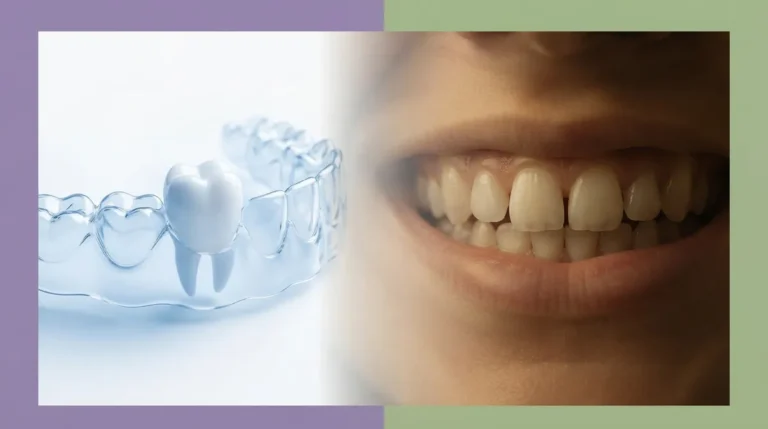
Clear aligners are removable plastic trays that gradually straighten teeth. They’re nearly invisible and can be taken out for eating and brushing. However, they work best for mild to moderate alignment issues.
Children need discipline to wear aligners 20-22 hours daily. They must remember to put them back in after meals. For responsible pre-teens and teens, clear aligners offer flexibility and comfort.
Specialized Options for Kids
Some children benefit from specialized treatments. WildSmiles braces feature fun shapes like stars, hearts, or footballs on the brackets. These make orthodontic treatment exciting for younger children.
Advanced technology like LightForce orthodontics uses 3D printing to create custom brackets for each tooth. This precision reduces treatment time and improves comfort.
How Braces Work to Straighten Teeth
Braces apply gentle, constant pressure to move teeth gradually. The brackets and wires work together to shift teeth into proper positions over time. This process might sound uncomfortable, but it’s carefully controlled.
Bone surrounding teeth is living tissue that responds to pressure. When braces push on a tooth, bone dissolves on one side and rebuilds on the other. This natural process allows teeth to move safely through the jaw.
Treatment typically takes 18 to 36 months, depending on the complexity. Children visit the orthodontist every 4 to 8 weeks for adjustments. During these appointments, the orthodontist tightens wires or changes aligners to keep progress on track.
What to Expect During Your First Visit
The first orthodontic visit is informative and stress-free. The orthodontist examines your child’s teeth, jaws, and bite. They take X-rays and photographs to assess alignment and growth patterns.
This initial consultation helps create a customized treatment plan. The orthodontist explains what issues need correction and recommends the best approach. You’ll learn about treatment options, timelines, and costs.
Questions to Ask During Your Consultation
Come prepared with questions to make the most of your visit. Here are important topics to discuss:
- What specific problems does my child have that need correction?
- What treatment options work best for their situation?
- How long will treatment take from start to finish?
- How often will we need to come for appointments?
- What happens if my child doesn’t wear their appliance as directed?
Don’t hesitate to ask about costs and payment plans. Understanding financial options upfront prevents surprises later. Many practices offer flexible orthodontic financing to fit family budgets.
Preparing Your Child for Braces
Getting braces is a big step for children. Some kids feel excited while others feel nervous. Preparing them mentally and practically makes the transition smoother.
Explain that braces help create a healthy, beautiful smile. Share positive stories about other kids who’ve had braces. Let your child know that any discomfort is temporary and manageable.
Managing Initial Discomfort
The first few days with braces can feel strange. Teeth might feel sore or sensitive as they adjust to pressure. This discomfort is normal and typically fades within a week.
Soft foods help during the adjustment period. Try these comfort foods:
- Yogurt and smoothies
- Mashed potatoes and soft pasta
- Scrambled eggs and oatmeal
- Soup and pudding
- Soft fruits like bananas and berries
Over-the-counter pain relievers can ease soreness if needed. Orthodontic wax helps if brackets irritate the inside of the mouth. Most children adapt quickly and forget they’re wearing braces.
Caring for Braces: Daily Maintenance Tips
Proper care keeps braces working effectively and prevents problems. Teaching your child good habits from the start makes maintenance easier. Clean teeth and braces lead to better results and fewer appointments.
Brushing takes longer with braces but is essential. Your child should brush after every meal and snack. Food particles get trapped easily around brackets and wires. Leaving them causes cavities and stains.
Step-by-Step Brushing Technique
Follow this simple routine for thorough cleaning:
- Rinse mouth with water to loosen food particles
- Brush at a 45-degree angle above and below brackets
- Clean each tooth individually, spending extra time on brackets
- Use a proxabrush or interdental brush to clean between wires
- Floss daily using a floss threader or orthodontic floss
- Rinse with water or mouthwash to finish
Electric toothbrushes designed for braces can make cleaning easier. They reach around brackets more effectively than manual brushes. Replace brush heads every three months or when bristles fray.
Foods to Avoid with Braces
Certain foods damage braces or get stuck easily. Avoiding these prevents broken brackets and emergency visits. Hard, sticky, and chewy foods are the main culprits.
Skip these while your child has braces:
- Hard candies, nuts, and popcorn kernels
- Sticky candies like caramel, taffy, and gummy bears
- Chewy foods such as bagels and hard pizza crust
- Ice cubes and hard pretzels
- Corn on the cob (cut off the cob first)
- Whole apples and carrots (cut into small pieces)
Breaking these rules can snap wires or pop off brackets. Repairs add time and cost to treatment. Most children adjust their eating habits quickly and find plenty of braces-friendly alternatives.
Common Orthodontic Problems Braces Fix
Braces address many dental and jaw alignment issues. Understanding what they correct helps you appreciate their importance. These problems aren’t just cosmetic—they affect oral health and function.
Orthodontists treat various common orthodontic problems that impact children’s development. Early treatment prevents complications like jaw pain, tooth wear, and speech difficulties.
Crowding and Spacing Issues
Crowded teeth overlap because the jaw is too small for all permanent teeth. This makes cleaning difficult and increases cavity risk. Braces create space by expanding the arch or extracting teeth when necessary.
Gaps between teeth can result from missing teeth or oversized jaws. While small gaps are harmless, large spaces affect bite function. Braces close gaps and create a more uniform appearance.
Bite Problems
Bite issues occur when upper and lower teeth don’t fit together properly. These problems affect chewing, speaking, and jaw health. Several types exist:
- Overbite: Upper front teeth overlap lower teeth too much
- Underbite: Lower teeth sit in front of upper teeth
- Crossbite: Some upper teeth sit inside lower teeth
- Open bite: Front teeth don’t touch when back teeth close
Correcting bite problems improves function and prevents jaw joint issues. Children who treat these early avoid more serious complications as adults.
How Much Do Children’s Braces Cost?
Cost varies based on treatment complexity, type of braces, and location. Traditional metal braces typically range from $3,000 to $7,000. Clear braces and specialized treatments cost slightly more.
Many factors influence the final price. Severe alignment issues require longer treatment. Additional appliances like expanders add to costs. Geographic location also affects pricing.
Insurance and Financing Options
Many dental insurance plans cover a portion of orthodontic treatment for children. Coverage typically ranges from $1,000 to $3,000. Check your policy details before starting treatment.
Most orthodontic practices offer flexible payment plans. These spread costs over the treatment period with monthly installments. Some offices provide discounts for paying in full upfront.
Segovia Orthodontics works with families to find affordable solutions. We offer various orthodontic financing options that fit different budgets. Our team explains all costs clearly before treatment begins.
Life with Braces: What Parents Should Know
Children adapt to braces faster than you might expect. The first week brings the biggest adjustment. After that, braces become part of their daily routine.
School and sports continue normally with braces. For contact sports, a special mouthguard protects teeth and braces. Your orthodontist can recommend the right type.
Supporting Your Child Through Treatment
Positive encouragement helps children stay motivated. Celebrate milestones like getting braces on, completing halfway, and removal day. Small rewards for good compliance keep spirits high.
Monitor brushing and eating habits, especially with younger children. Set reminders for wearing rubber bands or retainers as prescribed. Consistency leads to better results and shorter treatment times.
Connect with our community on our Facebook page to see success stories from other families. Seeing peers with braces helps children feel less alone in their journey.
After Braces: Retainers and Long-Term Care
Getting braces off is exciting, but treatment isn’t completely finished. Teeth naturally want to shift back to their original positions. Orthodontic retainers hold teeth in their new places while bone stabilizes.
Children typically wear retainers full-time for several months after braces come off. Then they transition to nighttime-only wear. Following retainer instructions preserves the beautiful results you’ve invested in.
Types of Retainers
Several retainer styles work for different needs:
- Removable retainers: Clear plastic or wire retainers worn at night
- Fixed retainers: Thin wires bonded behind front teeth permanently
- Combination: Both removable and fixed for maximum stability
Proper retainer care is simple. Clean removable retainers daily with a toothbrush and mild soap. Avoid hot water, which can warp plastic. Store them in their case when not in use to prevent loss or damage.
Choosing the Right Orthodontist
Finding the right orthodontist makes a huge difference in your experience. Look for someone with proper credentials and a child-friendly approach. Board certification shows advanced training and expertise.
A board-certified orthodontist has completed rigorous testing beyond dental school. This certification demonstrates commitment to excellence. Dr. Flor Segovia holds this prestigious credential and stays current with the latest techniques.
What Makes a Great Pediatric Orthodontist
The best orthodontists for children combine skill with a warm, patient manner. They explain procedures in ways kids understand. Their offices feel welcoming and fun, not intimidating.
Look for practices with advanced orthodontic technology. Modern equipment improves accuracy and comfort. Digital scans replace messy impressions. 3D imaging helps visualize treatment outcomes before starting.
Convenience matters for busy families. Flexible appointment times, including after school and Saturdays, reduce stress. Location is important too—choosing an orthodontist near home or school saves travel time.
Emergency Orthodontic Care
Most orthodontic issues aren’t true emergencies, but some situations need prompt attention. Knowing when to call helps you respond appropriately. Quick action prevents small problems from becoming bigger ones.
Contact your orthodontist right away if your child experiences severe pain, broken brackets, or poking wires. These issues need professional attention. For minor irritation, orthodontic wax provides temporary relief until your appointment.
Learn more about handling urgent situations in our guide to orthodontic emergency care. We’re here to help when unexpected problems arise.
Success Stories and Real Results
Seeing transformations inspires confidence in orthodontic treatment. Real families share their experiences and outcomes. These stories show what’s possible with proper care and commitment.
Many parents report their children’s confidence soars after treatment. Straight teeth improve self-esteem during crucial developmental years. Kids smile more freely in photos and social situations.
Follow our Instagram page to see before-and-after photos from our patients. Each smile tells a unique story of improved health and happiness. These results motivate families starting their own orthodontic journeys.
Why Choose Segovia Orthodontics
At Segovia Orthodontics, we treat every child like family. Dr. Flor Segovia brings expertise, compassion, and personalized care to every case. Our practice focuses on creating positive experiences that children actually enjoy.
We offer comprehensive treatment options from traditional braces to the latest clear aligner technology. Our approach combines proven methods with cutting-edge advances. This gives families the best of both worlds.
Our bilingual team serves English and Spanish-speaking families throughout Lakewood Ranch. We understand cultural values around healthcare and work with your preferences. Communication is always clear and comfortable.
Flexible financing makes quality orthodontic care accessible to more families. We believe every child deserves a healthy, beautiful smile regardless of budget. Our team helps you find payment options that work.
Visit us on Google to read reviews from families we’ve helped. Their experiences show our commitment to excellence and compassionate care.
Taking the Next Step
Starting your child’s orthodontic journey doesn’t have to feel overwhelming. With the right information and support, the process becomes straightforward and rewarding. Early evaluation gives you peace of mind and sets your child up for success.
Every child’s needs are different, which is why personalized assessment matters. What works for one child might not be ideal for another. Professional evaluation considers growth patterns, dental health, and individual circumstances.
Don’t wait if you’ve noticed signs your child might benefit from braces. The earlier you address concerns, the more options you have. Some problems become harder to fix once growth stops.
Orthodontic treatment is an investment in your child’s health, confidence, and future. Straight teeth are easier to clean, reducing cavity and gum disease risk. A proper bite prevents jaw problems and tooth wear. The benefits extend far beyond appearance.
Ready to learn more about how braces can help your child? Our friendly team makes the process easy from start to finish. We answer all your questions and create a treatment plan that fits your family’s needs and schedule. Schedule your consultation today and take the first step toward a lifetime of confident smiles.
FAQs
Q: At what age should my child first see an orthodontist?
A: Children should have their first orthodontic evaluation by age seven. This early visit helps catch potential problems while teeth and jaws are still growing. However, this doesn’t mean your child will need braces right away—it’s simply a preventive checkup to monitor development.
Q: How long does a child typically wear braces?
A: Most children wear braces for 18 to 36 months, depending on the complexity of their case. Simple alignment issues may take less time, while severe crowding or bite problems need longer treatment. Your orthodontist will provide a personalized timeline during your consultation based on your child’s specific needs.
Q: Do braces hurt when they’re first put on?
A: Getting braces doesn’t hurt during the appointment, but teeth may feel sore for a few days afterward as they adjust to pressure. This discomfort is normal and manageable with soft foods and over-the-counter pain relievers. Most children adapt quickly, and the soreness fades within a week.
Q: Can my child still play sports with braces?
A: Yes, children can continue playing sports while wearing braces. For contact sports like football, basketball, or soccer, a special orthodontic mouthguard protects both teeth and braces from injury. Your orthodontist can recommend the right type of mouthguard for your child’s activities.
Q: How much do braces for children typically cost?
A: Children’s braces typically cost between $3,000 and $7,000, depending on treatment complexity and type of braces chosen. Many dental insurance plans cover a portion of orthodontic treatment, and most practices offer flexible payment plans. At Segovia Orthodontics, we work with families to find affordable financing options that fit different budgets.