Key Takeaways
-
Crooked teeth cause functional health problems beyond aesthetics: misalignment makes oral hygiene harder, contributes to TMJ disorders and jaw pain, causes uneven tooth wear, and can affect speech.
-
American Association of Orthodontists recommends first evaluation by age 7; early treatment can guide jaw growth and simplify or shorten future treatment needs.
-
Wearing retainers after treatment is non-negotiable to prevent relapse—teeth naturally shift back to original positions, and many adults need retreatment because they stopped wearing retainers.
-
Modern orthodontic options range from traditional metal braces (18-36 months) to clear aligners (12-24 months) and ceramic braces, with treatment choice depending on age, lifestyle, and case complexity.
-
Genetic factors (jaw/tooth size), early childhood habits (thumb sucking, mouth breathing), overcrowding, and loss of baby teeth are the primary causes of crooked teeth.
-
Adult orthodontics is increasingly effective and accessible with discreet options like clear aligners; flexible financing plans and dental insurance acceptance make treatment affordable for various budgets.
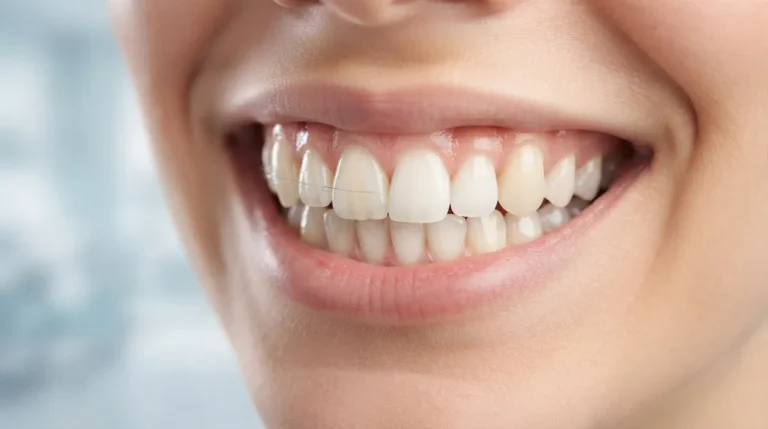
Let’s be honest — most of us didn’t win the genetic lottery when it comes to perfectly straight teeth. If you’ve ever looked in the mirror and noticed that your smile isn’t quite as even as you’d like, you’re definitely not alone. Crooked teeth are one of the most common dental concerns out there, affecting children, teens, and adults alike. The good news? There’s a lot you can do about it. Whether you’re a mom looking into treatment options for your child, a young professional hoping for a more confident smile, or someone who had braces years ago and noticed some shifting — this guide is for you. We’ll walk you through the causes of crooked teeth, why they matter beyond aesthetics, and all the ways modern orthodontics can help you get the smile you deserve. So grab a coffee, get comfortable, and let’s talk teeth!

What Causes Crooked Teeth?
Crooked teeth rarely happen by accident. There are several common reasons why teeth don’t always grow in straight, and understanding the cause can actually help guide the best treatment plan. Here’s a look at the most frequent culprits:
- Genetics: If mom or dad had crowded or misaligned teeth, chances are higher you might too. Jaw size and tooth size are largely inherited traits.
- Baby teeth issues: Losing baby teeth too early (or too late) can affect how permanent teeth erupt and align.
- Thumb sucking or pacifier use: Prolonged habits in early childhood can shift teeth over time and alter jaw development.
- Mouth breathing: Breathing through the mouth rather than the nose can change the shape of the jaw and how teeth grow.
- Overcrowding: When there isn’t enough space in the jaw for all teeth to fit comfortably, they push and overlap each other.
- Injury or trauma: A knock to the mouth or jaw can cause teeth to shift out of their proper positions.
- Orthodontic relapse: Not wearing retainers after orthodontic treatment can cause teeth to drift back toward their original positions.
If you’ve noticed any of these factors in yourself or your child, it’s worth scheduling a consultation with an orthodontist. Early evaluation can make a huge difference, especially for kids. Learn more about common orthodontic problems and what signs to look for.

Why Crooked Teeth Are More Than Just a Cosmetic Issue
Many people think crooked teeth are purely a looks thing. And while confidence and aesthetics are completely valid reasons to seek treatment, misaligned teeth can actually impact your health in several important ways. Here’s why fixing crooked teeth is about more than just your smile photo:
Oral Hygiene Challenges
Crooked or overlapping teeth create tight spaces where toothbrushes and floss have a hard time reaching. This leads to plaque buildup, which increases your risk of cavities and gum disease. Straight teeth are genuinely easier to clean — and that means a healthier mouth overall.
Jaw Pain and TMJ Issues
When teeth don’t come together properly, it puts uneven pressure on the jaw joint. Over time, this can contribute to jaw soreness, clicking, headaches, and even temporomandibular joint (TMJ) disorders. Correcting misalignment helps distribute bite force more evenly.
Uneven Tooth Wear
Teeth that don’t line up properly tend to wear down unevenly. Some teeth take on more pressure than they should, which can lead to chipping, enamel erosion, and even cracked teeth over time.
Speech Difficulties
In some cases, severely misaligned teeth can affect how certain sounds are formed, causing speech impediments. Orthodontic treatment can help address these functional issues too.
Self-Confidence
This one matters more than people sometimes admit. Research consistently shows that people who feel good about their smile tend to smile more, speak more confidently, and feel better about social and professional situations. That’s a real and meaningful benefit of treatment.
Treatment Options for Crooked Teeth
The great news is that in 2026, there are more ways to fix crooked teeth than ever before. Modern orthodontics offers a range of solutions tailored to different ages, lifestyles, and budgets. Here’s a breakdown of your main options:
| Treatment Option | Best For | Visibility | Average Treatment Time |
|---|---|---|---|
| Traditional Metal Braces | Children, teens, complex cases | Visible | 18–36 months |
| Clear Braces (Ceramic) | Teens and adults wanting less visibility | Tooth-colored | 18–36 months |
| Clear Aligners | Teens and adults, mild to moderate cases | Nearly invisible | 12–24 months |
| LightForce Braces | Patients wanting custom precision | Low profile | Varies by case |
Not sure which option is right for you? That’s exactly what an orthodontic consultation is for! An experienced orthodontist will evaluate your bite, teeth alignment, and jaw structure before recommending a personalized treatment plan. You can explore the different types of braces available to find what feels like the best fit for your lifestyle.
Crooked Teeth by Age Group: What You Need to Know
Children (Ages 7–12)
The American Association of Orthodontists recommends that children have their first orthodontic evaluation by age 7. At this stage, a mix of baby and adult teeth are present, which gives the orthodontist valuable insight into how the bite and jaw are developing. Early orthodontic treatment can sometimes guide jaw growth and make future treatment simpler or shorter.
Signs to watch for in your child include:
- Teeth that are visibly overlapping or crowded
- Difficulty biting or chewing food
- Early or late loss of baby teeth
- Thumb sucking past age 5
- Mouth breathing during the day or while sleeping
Teenagers
Teen years are the most common time for orthodontic treatment, and for good reason. Most permanent teeth are in by this age, and the jaw is still developing — making it a prime window for effective correction. Teen orthodontic treatment options include everything from classic metal braces to clear aligners designed with teen life in mind. Fun options like WildSmiles Braces let teens express their personality while straightening their teeth!
Adults
It’s never too late to address crooked teeth. Adult orthodontics has grown tremendously in popularity, especially with discreet options like clear aligners. Adults seeking treatment include first-timers who never had orthodontic care growing up, as well as relapse patients whose teeth shifted after previous treatment. Either way, effective solutions are absolutely available.
What to Expect at Your First Orthodontic Visit
If you’ve been putting off making that appointment, here’s a quick look at what the process actually looks like. There’s nothing to stress about — it’s a friendly, informative visit!
- Consultation and discussion: Your orthodontist will ask about your concerns, medical history, and goals for treatment.
- Examination: A thorough look at your teeth, bite, and jaw alignment — often with digital X-rays or 3D scans.
- Diagnosis: Your orthodontist identifies the specific issues contributing to your crooked teeth.
- Treatment planning: A customized plan is created just for you, including recommended treatment type and estimated timeline.
- Review of costs and financing: The office walks you through investment options and payment plans so treatment fits your budget.
Learn more about what to expect at your first orthodontic visit so you feel totally prepared. And if you have questions beforehand, don’t hesitate to reach out to our team — we love hearing from new patients!
The Role of Technology in Treating Crooked Teeth
Modern orthodontics has come a long way. Today’s orthodontists use advanced orthodontic technology to create more precise, comfortable, and efficient treatment experiences. Think 3D digital scans (no messy impressions!), custom-printed brackets like those used in LightForce Orthodontics, and digital treatment planning software that shows you a preview of your expected results before you even begin.
This technology doesn’t just make treatment look cooler — it genuinely improves outcomes. Custom-fitted brackets move teeth more precisely, reducing treatment time and discomfort. It’s one of the many reasons working with a skilled, board-certified orthodontist matters so much. The American Board of Orthodontics sets the standard for excellence in the field, and board certification is your assurance that your provider has met those high standards.
After Treatment: Keeping Your Smile Straight
Here’s something really important that doesn’t get talked about enough: what happens after your braces come off? The honest truth is that teeth have a natural tendency to shift back toward their original positions. This is called relapse, and it’s the number one reason people end up with crooked teeth again after orthodontic treatment.
The solution? Retainers! Orthodontic retainers are custom-made devices worn after treatment to hold your teeth in their new positions. Here’s what you should know:
- Retainers are non-negotiable after completing orthodontic treatment.
- Initially, you’ll likely wear your retainer full-time, then transition to nights only.
- Retainers can be removable or bonded (fixed behind the teeth).
- Lost or broken retainers should be replaced quickly to prevent shifting.
- Many adults seek re-treatment because they stopped wearing their retainers — so keep it up!
Making Treatment Affordable
One of the biggest hesitations people have about fixing crooked teeth is cost. The good news is that orthodontic care is more accessible than ever. Many practices offer flexible orthodontic financing options, low monthly payment plans, and accept dental insurance. Don’t let financial concerns stop you from exploring your options — most orthodontists are happy to work with you to find a plan that fits your budget.
At Segovia Orthodontics at Lakewood Ranch, Dr. Flor Segovia and her team are committed to making beautiful, healthy smiles accessible for every patient. Whether you’re starting your child’s orthodontic journey or finally treating your own crooked teeth, you’ll find a warm, welcoming environment with personalized care. Visit us on Google to see what our patients are saying, and check us out on our Facebook page and our Instagram page for tips, smiles, and updates from our practice family.
Take the First Step Toward a Straighter Smile
Crooked teeth are incredibly common, but they don’t have to be permanent. With so many effective, comfortable treatment options available today, there’s truly no better time to take action. Whether you’re concerned about your child’s developing smile, ready to finally address your own alignment, or looking to correct relapse from previous treatment, an orthodontist can help you find the right path forward.
Have more questions before you’re ready to book? Visit our orthodontic treatment FAQ page for answers to the most common things patients want to know. You can also learn more about Dr. Flor Segovia and her approach to patient care, and explore all the reasons to choose us for your orthodontic journey.
Your best smile is closer than you think — and it all starts with one simple step. Request an appointment with our team today, or give us a call at 941-557-1333. We can’t wait to meet you!
FAQs
Q: At what age should my child be evaluated for crooked teeth?
A: Great question, and kudos to you for being proactive! The American Association of Orthodontists recommends a first orthodontic evaluation by age 7. At this age, enough permanent teeth have come in for an orthodontist to spot developing issues early — and early treatment can sometimes make everything simpler down the road.
Q: Can crooked teeth fix themselves over time?
A: Unfortunately, crooked teeth don’t straighten on their own — in fact, they often get worse without treatment as more teeth erupt or existing ones continue to shift. The good news is that orthodontic treatment at any age can effectively correct misalignment and give you a healthier, straighter smile!
Q: Are clear aligners effective for treating crooked teeth?
A: Yes, absolutely! Clear aligners work wonderfully for mild to moderate cases of crooked teeth and are a popular choice for teens and adults who want a discreet option. Your orthodontist will evaluate your specific situation and let you know if clear aligners are the right fit for your smile goals.
Q: Will my teeth get crooked again after orthodontic treatment?
A: They can — but only if you skip wearing your retainer! Retainers are the key to keeping your teeth in their new positions long-term. Wear your retainer as directed by your orthodontist, and your beautiful straight smile should stay right where it belongs.
Q: Is it too late to fix crooked teeth as an adult?
A: Not at all — it’s never too late! Adult orthodontic treatment is more popular than ever, and there are plenty of discreet options available like clear aligners and tooth-colored braces. Many adults achieve incredible results and wish they hadn’t waited so long to get started!
Our Service Area