Key Takeaways
-
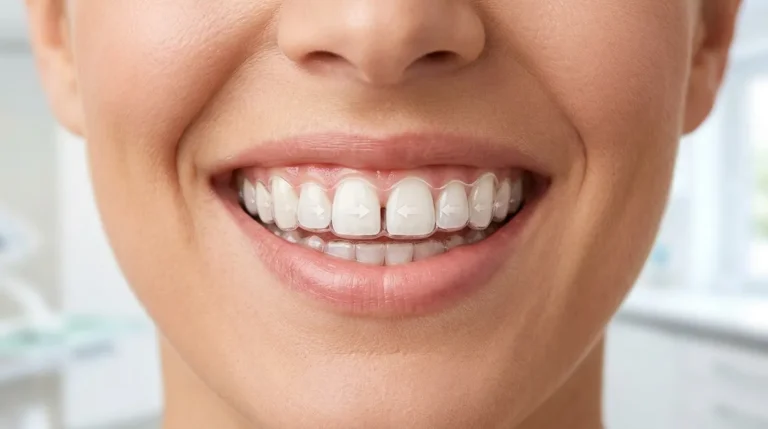
Always wear your retainer as prescribed: during the first months, wear it 20-22 hours daily, then transition to nighttime wear to prevent teeth shifting.
-
Use proper cleaning methods for your retainer: rinse with cool water, brush gently with mild soap, and avoid hot water, toothpaste, or harsh chemicals.
-
Always use your retainer case when not wearing it to prevent loss, damage, and accidental disposal, and keep a spare case in your bag or car.
-
Recognize that retainer wear is a lifelong commitment, with wear schedules changing from full-time to several nights per week as recommended by your orthodontist.
-
Contact your orthodontist immediately if your retainer feels tight, shows damage, or causes discomfort to prevent potential teeth shifting or more expensive corrections.
-
Build consistent retainer habits by integrating wear into your bedtime routine, setting reminders, and creating a supportive environment that encourages compliance.
Getting your braces off is an exciting milestone! You’ve spent months or even years working toward that perfect smile, and now it’s finally time to show it off. But here’s the thing many people don’t realize: your orthodontic journey doesn’t end when the braces come off. In fact, the retainer phase is just as important as the treatment itself. Unfortunately, many patients make simple mistakes with their retainers that can undo all that hard work and investment.
At Segovia Orthodontics at Lakewood Ranch, we’ve seen firsthand how proper retainer care can make or break your orthodontic results. That’s why we’re sharing these common mistakes so you can avoid them and keep your smile looking beautiful for life. Whether you’re a teen who just got your braces off or an adult who completed clear aligner treatment, this guide will help you protect your investment and maintain that confidence-boosting smile.
Mistake #1: Not Wearing Your Retainer as Prescribed
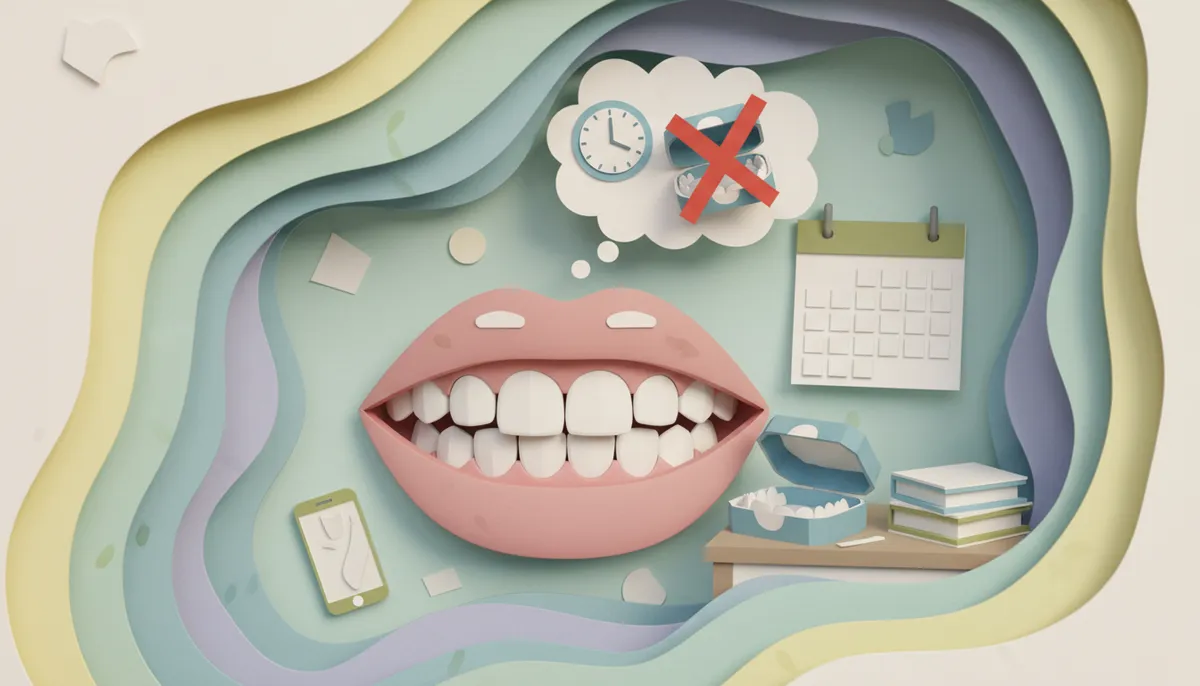
This is by far the biggest mistake we see, and it happens more often than you might think. After months or years of wearing braces or clear aligners, many patients feel like they’ve earned a break. They start skipping nights here and there, thinking it won’t make a difference. But here’s the reality: your teeth want to shift back to their original positions, and they’ll do it faster than you expect.
Your orthodontist prescribes a specific retainer wear schedule for a reason. During the first few months after treatment, you’ll typically need to wear your retainer full-time (20-22 hours per day). This gives your bone and surrounding tissues time to stabilize around your teeth’s new positions. After this initial phase, most patients transition to nighttime-only wear.
When you skip wearing your retainer, even for a few days, your teeth can start to shift. You might not notice it at first, but over time, those small movements add up. Before you know it, your retainer won’t fit anymore, and you’re looking at gaps, crowding, or other issues that you thought were behind you.
The Real Cost of Skipping Retainer Wear
Let’s talk about what happens when you don’t follow your wear schedule:
- Within the first 48 hours of not wearing your retainer, your teeth can start to shift slightly
- After one week, you might notice your retainer feels tight or uncomfortable when you try to put it back in
- After several weeks or months, your retainer may not fit at all, requiring a new retainer or even retreatment
- In some cases, patients need to start orthodontic treatment all over again, which means more time and money invested
Think of it this way: you wouldn’t stop taking medication halfway through a prescription, right? The same logic applies to your retainer schedule. Your orthodontist designed this plan based on years of training and experience, so trust the process and stick with it.
Mistake #2: Using the Wrong Cleaning Methods
Your retainer spends a lot of time in your mouth, which means it needs regular cleaning to stay fresh and hygienic. But many people use cleaning methods that actually damage their retainers or make them less effective. This mistake can lead to discolored, smelly, or warped retainers that need to be replaced sooner than necessary.
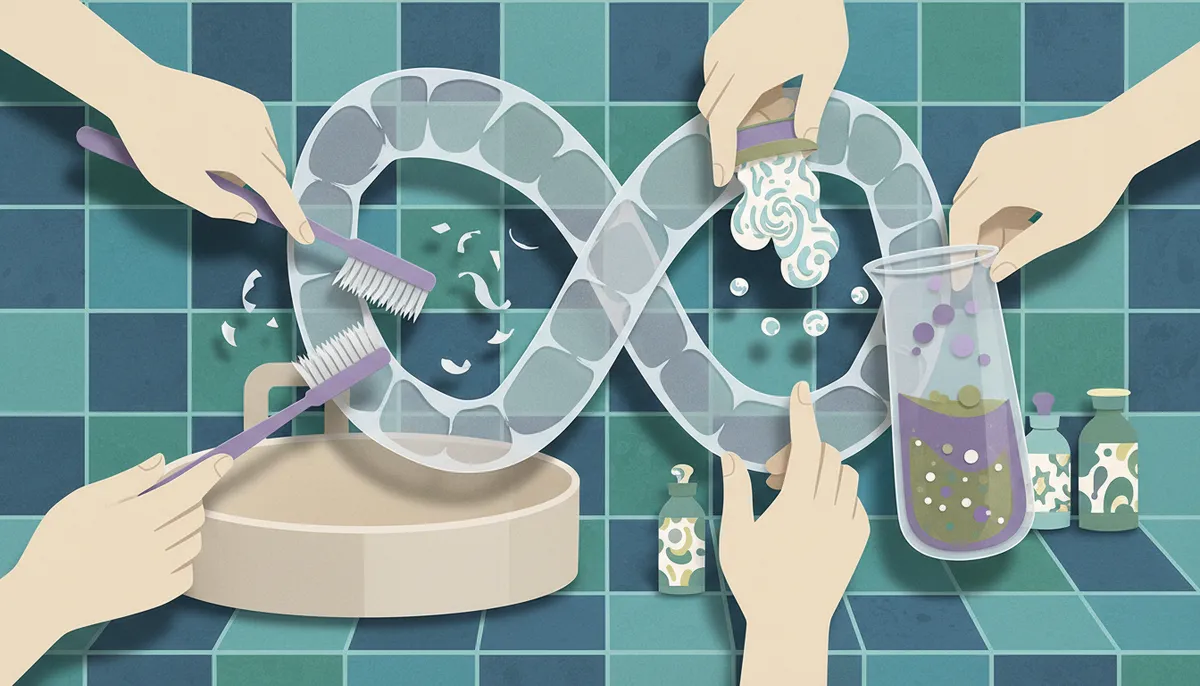
Some common cleaning mistakes include using hot water (which can warp plastic retainers), toothpaste with abrasive ingredients (which scratches the surface), or harsh chemical cleaners not designed for dental appliances. These methods might seem like they’re doing the job, but they’re actually creating problems.
The Right Way to Clean Your Retainer
Here’s what you should do instead:
- Rinse your retainer with cool water every time you remove it from your mouth
- Brush it gently with a soft toothbrush and mild, non-abrasive soap or retainer cleaner
- Soak it in a retainer cleaning solution or denture cleaner once a day (follow product instructions)
- Never use hot or boiling water, which can warp the plastic
- Avoid regular toothpaste, which is too abrasive and can scratch the retainer surface
- Don’t use mouthwash for cleaning, as the alcohol content can damage certain retainer materials
A clean retainer not only looks and smells better, but it also works better. Buildup of bacteria and plaque can affect how your retainer fits and can even contribute to dental problems like cavities or gum disease. Plus, a well-maintained retainer lasts longer, saving you money on replacements.
Mistake #3: Poor Storage Habits That Lead to Loss or Damage
If we had a dollar for every time someone lost their retainer wrapped in a napkin at a restaurant, we could probably buy everyone new retainers! But seriously, improper storage is one of the most common reasons patients need retainer replacements, and it’s completely preventable.
The problem usually happens when you’re eating out or at school. You remove your retainer, wrap it in a napkin or paper towel, and then forget about it. Later, someone clears the table and throws it away. Or you leave it sitting on a lunch tray, and it ends up in the trash. Dogs are also notorious for finding and chewing up retainers left on countertops or nightstands.
Smart Storage Solutions
Here’s how to protect your retainer investment:
- Always use your retainer case when your retainer isn’t in your mouth – no exceptions
- Keep a spare case in your backpack, purse, or car so you always have one handy
- Choose a brightly colored case that’s easy to spot and hard to misplace
- Store your retainer in the same place every night to build a consistent habit
- Keep your retainer case away from pets, who are attracted to the smell
Your retainer case is your best friend. It protects your retainer from damage, keeps it clean, and makes it much harder to lose. Make using your case as automatic as brushing your teeth. At Segovia Orthodontics, we provide durable cases for our patients, but you can also buy extras online or at most drugstores.
| Storage Location | Risk Level | Better Alternative |
|---|---|---|
| Wrapped in napkin | Very High (easily thrown away) | Always use retainer case |
| On bathroom counter | High (pets, water damage) | Designated case in drawer |
| In pocket or purse | Medium (can crack or break) | Hard-shell protective case |
| On nightstand | Medium (pets, knocked off) | Case in nightstand drawer |
Mistake #4: Ignoring Signs That Your Retainer Needs Attention
Your retainer talks to you, but are you listening? Many patients ignore warning signs that something’s wrong with their retainer or their teeth. By the time they finally reach out to their orthodontist, the problem has gotten worse and requires more intervention to fix.
Common warning signs include a retainer that feels tight or uncomfortable after being out for a short time, visible cracks or damage to the retainer material, a bad smell that won’t go away even after cleaning, or noticing that your teeth look or feel different. These aren’t things you should ignore or try to fix on your own.
When to Contact Your Orthodontist
Don’t wait for your regular checkup if you notice any of these issues:
- Your retainer doesn’t fit the way it used to, even if you’ve been wearing it regularly
- You see cracks, chips, or broken wires in your retainer
- Your retainer has a persistent bad smell or taste, even after proper cleaning
- You’ve lost or broken your retainer and need a replacement
- You notice your teeth shifting or spacing developing
- Your retainer causes pain, sores, or irritation in your mouth
Remember, small problems are easier and less expensive to fix than big ones. If your retainer feels tight after missing a few nights, that’s your teeth telling you they’re starting to shift. Contact your orthodontist right away rather than forcing the retainer to fit or continuing to skip wear time.
At our practice, we encourage patients to visit us on Google to stay connected and informed about retainer care tips and appointment reminders. We’re here to help you maintain that beautiful smile!
Mistake #5: Thinking Retainers Are Only Temporary
Here’s a truth that surprises many patients: retainer wear isn’t just for the first year or two after treatment. For most people, some form of retainer wear is actually a lifelong commitment. This might sound overwhelming, but once you understand why, it makes perfect sense.
Your teeth are held in place by ligaments and surrounded by bone that’s constantly remodeling throughout your life. This means your teeth naturally want to shift and move, regardless of whether you’ve had orthodontic treatment. Factors like aging, wisdom teeth, grinding your teeth at night, and even changes in your bite can cause teeth to drift over time.
Many patients make the mistake of stopping retainer wear after a year or two because they think their teeth are “set” in their new positions. Then, five or ten years later, they notice their teeth have shifted back. This is called orthodontic relapse, and it’s completely preventable with consistent retainer wear.
Lifelong Retainer Wear Schedule
Here’s what long-term retainer wear typically looks like:
- Months 1-6 after treatment: Full-time wear (20-22 hours daily), removing only for eating and cleaning
- Months 6-12: Nighttime wear (every night while sleeping)
- Years 1-2: Nighttime wear most nights (5-7 nights per week)
- Year 2 and beyond: Nighttime wear several nights per week (3-5 nights), or as recommended by your orthodontist
The good news is that nighttime wear is easy to maintain once it becomes part of your routine. Many patients compare it to charging their phone at night – it’s just something you do. Plus, modern retainers are comfortable and don’t interfere with sleep or speech.
Understanding Different Types of Retainers
Not all retainers are the same, and understanding your options can help you choose the best solution for long-term wear:
| Retainer Type | Description | Best For |
|---|---|---|
| Clear Plastic (Essix) | Thin, clear trays similar to aligners | Patients who want invisible retention and full-time initial wear |
| Hawley | Acrylic and wire retainer, adjustable | Patients needing minor adjustments and durable long-term option |
| Fixed (Bonded) | Wire bonded to back of teeth | Patients with high relapse risk or who want permanent retention |
| Combination | Fixed lower with removable upper (or vice versa) | Customized retention based on individual needs |
Dr. Flor Segovia, a board-certified orthodontist, evaluates each patient’s unique situation to recommend the best retainer option. Factors like the complexity of your original treatment, your age, and your likelihood of compliance all play a role in this decision.
The Financial Impact of Retainer Mistakes
Let’s be honest about the money side of things. Orthodontic treatment is an investment, and retainer mistakes can turn into expensive problems. Understanding the potential costs can motivate you to take better care of your retainer and follow your wear schedule.
Replacement retainers typically cost between $150 and $500 per arch, depending on the type. If you lose or break multiple retainers, those costs add up quickly. But the bigger financial concern is orthodontic relapse. If your teeth shift significantly because you didn’t wear your retainer, you might need retreatment, which can cost thousands of dollars.
Cost Comparison: Prevention vs. Correction
- Proper retainer care and consistent wear: Free (after initial investment)
- Replacement retainer due to loss or damage: $150-$500
- Minor orthodontic correction for slight relapse: $1,000-$3,000
- Full retreatment for significant relapse: $3,000-$8,000+
When you look at it this way, taking care of your retainer and wearing it as prescribed is the smartest financial decision you can make. It’s much cheaper to prevent problems than to fix them later.
Many orthodontic practices, including ours, offer flexible financing options for both initial treatment and retreatment. However, the best financial strategy is to do it right the first time and maintain your results with proper retainer use.
Building Better Retainer Habits
Knowing what mistakes to avoid is half the battle. The other half is building positive habits that make retainer wear easy and automatic. The key is to integrate your retainer into your daily routine so it becomes second nature.
Start by pairing retainer wear with existing habits. For example, make putting in your retainer part of your bedtime routine, right after brushing your teeth. Place your retainer case on your bathroom counter as a visual reminder. Set a phone alarm for the first few weeks until the habit sticks.
Tips for Making Retainer Wear Easier
- Keep your retainer case visible where you get ready for bed
- Set daily reminders on your phone until the habit becomes automatic
- Pack your retainer first when traveling, before anything else
- Tell family members about your retainer schedule so they can help remind you
- Reward yourself for consistent wear – track your progress and celebrate milestones
For parents of teens wearing retainers, involvement and gentle reminders can make a big difference. Orthodontic retention is especially challenging during the teen years when kids are busy with school, sports, and social activities. Having a supportive family environment helps ensure success.
Special Considerations for Different Age Groups
Retainer needs and challenges vary depending on your age and life stage. Understanding these differences can help you anticipate potential issues and plan accordingly.
Children and Young Teens
Younger patients who complete early orthodontic treatment need special attention with retainers. They’re still growing, which means their teeth and jaws are changing. Parents need to be actively involved in monitoring retainer wear and care. Regular checkups are essential during this phase to ensure everything is developing properly.
Older Teens and College Students
This group faces unique challenges with retainer compliance. Between busy schedules, new independence, and sometimes forgetfulness, retainer wear can slip. The solution is creating systems that work with their lifestyle, like keeping spare cases in multiple locations and setting smartphone reminders.
Adults
Many adults undergo orthodontic treatment later in life, and they’re often highly motivated to maintain results. However, adult teeth can be more prone to shifting, especially if there’s a history of previous orthodontic work. Adults who had braces as teens and stopped wearing retainers often need retreatment, making them extra motivated to comply with retention this time around.
Traveling With Your Retainer
Whether you’re going on vacation, traveling for work, or heading to college, taking your retainer with you is non-negotiable. Yet many people leave their retainers behind, thinking a few days or a week won’t matter. Spoiler alert: it does matter.
When packing for a trip, treat your retainer case like you treat your toothbrush – it’s an essential item that goes everywhere with you. Pack it in your carry-on bag, not checked luggage, so you have access to it throughout your travels. If you’re flying, you can wear your retainer through security with no issues.
Travel Retainer Checklist
- Retainer case (consider bringing a backup)
- Retainer cleaning solution or travel-size cleaner
- Soft toothbrush for retainer cleaning
- Copy of your orthodontist’s contact information
- Your orthodontist’s address and phone number in case of emergency
If you’re studying abroad or relocating for an extended period, schedule a checkup before you leave. Your orthodontist can make sure your retainer is in good condition and provide guidance on maintaining your retention schedule while you’re away. At our practice, we’re happy to connect you with trusted orthodontists in other locations if needed.
You can follow our journey and get helpful travel tips by checking out our Facebook page where we share patient stories and practical advice.
What to Do If You’ve Already Made These Mistakes
If you’re reading this and realizing you’ve made some of these mistakes, don’t panic! The important thing is that you recognize the problem and take action now. Even if your teeth have shifted slightly, there are solutions available.
The first step is to call us at 941-557-1333 and schedule an evaluation. Dr. Segovia can assess your current situation, determine if your teeth have shifted, and recommend the best course of action. This might be as simple as getting a new retainer, or it might require a short period of adjustment with clear aligners to move your teeth back into position.
Many patients feel embarrassed about not wearing their retainers as prescribed, but we want you to know that there’s no judgment here. We’ve seen it all, and our goal is to help you achieve and maintain your best smile. The sooner you reach out, the easier and less expensive the solution will be.
Recovery Plan Steps
- Schedule an evaluation appointment with your orthodontist immediately
- Bring your current retainer to the appointment (even if it doesn’t fit)
- Be honest about your wear schedule and any challenges you’ve faced
- Follow the recommended treatment plan, whether it’s a new retainer or minor correction
- Commit to better habits moving forward with the strategies outlined in this article
Remember, orthodontic care is a partnership between you and your orthodontist. We’re on your team, and we want to see you succeed. The American Board of Orthodontics sets high standards for orthodontic care, and board-certified orthodontists like Dr. Segovia are committed to helping you achieve lasting results.
Conclusion: Your Smile Is Worth the Effort
Your orthodontic retainer is the key to maintaining the beautiful smile you worked so hard to achieve. By avoiding these five common mistakes – inconsistent wear, improper cleaning, poor storage, ignoring warning signs, and thinking retention is temporary – you can protect your investment and enjoy your straight smile for life.
Think of your retainer as an insurance policy for your smile. Just like you wouldn’t skip car insurance payments and risk losing your car, you shouldn’t skip retainer wear and risk losing your straight teeth. The few minutes each day you spend on retainer care and wear will save you thousands of dollars and countless hours of retreatment down the road.
At Segovia Orthodontics at Lakewood Ranch, we’re committed to supporting you throughout your entire orthodontic journey, from your first visit through lifelong retention. Dr. Segovia and our caring team are here to answer your questions, address your concerns, and help you maintain that confidence-boosting smile.
Whether you’re currently in treatment, just finished, or dealing with retainer issues, we’re here to help. We offer clear aligners, traditional braces, and customized retainer solutions to fit your unique needs and lifestyle. Our practice uses advanced technology to ensure the best possible results and the most comfortable experience.
Don’t let simple retainer mistakes undo your beautiful smile. Take action today to protect your investment and maintain your confidence for years to come. Request an appointment with our team to discuss your retainer care, address any concerns, or start your orthodontic journey. Your future self will thank you for the effort you put in today!
Stay connected with us on our Instagram page for daily tips, patient success stories, and the latest in orthodontic care. We’re here to support you every step of the way!
FAQs
Q: How long do I need to wear my orthodontic retainer?
A: Most patients need to wear retainers for life to maintain their results. Initially, you’ll wear it full-time for several months, then transition to nighttime wear. Eventually, wearing it a few nights per week is usually enough to keep your teeth in place. Your orthodontist will create a personalized schedule based on your specific needs.
Q: What should I do if my retainer doesn’t fit anymore?
A: If your retainer feels tight or doesn’t fit, contact your orthodontist right away. Don’t force it in, as this could damage your teeth or the retainer. Your orthodontist can evaluate whether your teeth have shifted and recommend the best solution, which might include a new retainer or minor orthodontic adjustment.
Q: Can I clean my retainer with toothpaste?
A: Regular toothpaste is too abrasive for retainers and can scratch the surface, creating places for bacteria to hide. Instead, use a soft toothbrush with mild soap or a specialized retainer cleaner. Rinse with cool water and soak daily in a retainer cleaning solution for best results.
Q: How much does it cost to replace a lost retainer?
A: Replacement retainers typically cost between $150 and $500 per arch, depending on the type of retainer you need. This is much less expensive than the thousands of dollars required for retreatment if your teeth shift significantly. Always store your retainer in its case to avoid loss or damage.
Q: What happens if I stop wearing my retainer completely?
A: When you stop wearing your retainer, your teeth will gradually shift back toward their original positions. This process, called orthodontic relapse, can happen surprisingly quickly—sometimes within weeks or months. You may need a new retainer or even full retreatment to correct the shifting, which costs significantly more than simply maintaining your retainer wear schedule.
Our Service Area