Key Takeaways
-
Early orthodontic visits by age seven can prevent more serious dental problems and guide jaw growth effectively.
-
Addressing bite issues, crowding, and harmful habits early can reduce the need for complex treatments later.
-
Common treatments like palatal expanders and partial braces can create space and correct tooth positioning with minimal intervention.
-
Early orthodontics can improve a child’s functional abilities like chewing and speaking, while also boosting their confidence.
-
Insurance often covers part of orthodontic treatment, making early intervention more affordable than waiting for complex future corrections.
-
Successful early treatment requires collaboration between the orthodontist, parents, and child, focusing on consistent care and positive attitudes.
Have you ever wondered if your seven-year-old really needs to see an orthodontist? Many parents feel surprised when their dentist suggests an early orthodontic visit. After all, most baby teeth are still in place at that age. But here’s the truth: early orthodontics can make a huge difference in your child’s dental health and confidence. Starting treatment at the right time can prevent bigger problems later and even make future treatment shorter and easier. Let’s explore why early orthodontics matters and how it can set your child up for a lifetime of healthy, beautiful smiles.
What Exactly Is Early Orthodontics?
Early orthodontics, also called interceptive orthodontics, refers to treatment that starts while your child still has most of their baby teeth. The American Association of Orthodontists recommends that children have their first orthodontic visit by age seven. This doesn’t mean your child will get braces right away. Instead, an orthodontist checks how teeth and jaws are developing.
At this age, the jaw is still growing. This makes it easier to guide teeth into better positions and fix jaw problems before they become serious. Think of it like tending a young tree. It’s much easier to shape a sapling than to fix a fully grown tree that’s been growing crooked for years.
Early treatment typically happens in two phases. Phase one addresses immediate concerns while your child is still growing. Phase two, if needed, comes later when permanent teeth have arrived. This two-step approach often leads to better results and can reduce the need for tooth extractions or jaw surgery down the road.
Common Problems That Early Orthodontics Can Fix
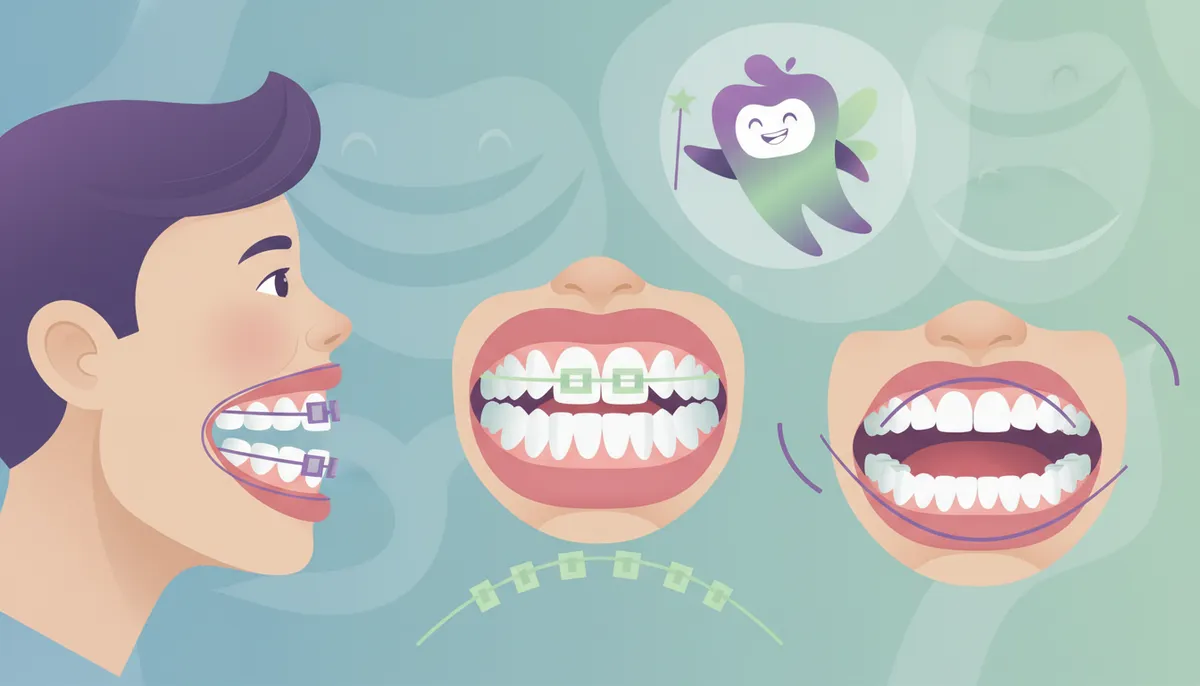
You might wonder what kinds of issues can be spotted so early. Orthodontists look for several common orthodontic problems that benefit from early attention. Here are the main concerns:
Crowding and Spacing Issues
When your child’s jaw is too small for all their permanent teeth, crowding happens. Teeth may overlap or twist as they try to find space. Early treatment can create room by guiding jaw growth. This makes space for permanent teeth to come in properly.
Spacing problems are the opposite. Large gaps between teeth can affect how your child bites and chews. They can also impact speech and confidence. Early orthodontics can address these gaps before they become more complicated.
Bite Problems
Several bite issues benefit from early treatment:
- Crossbite: Upper teeth sit inside lower teeth when biting down, which can cause uneven jaw growth
- Overbite: Upper front teeth stick out too far over lower teeth, increasing injury risk
- Underbite: Lower teeth sit in front of upper teeth, often due to lower jaw growing too far forward
- Open bite: Upper and lower teeth don’t touch when mouth is closed, making it hard to bite food
These problems won’t fix themselves. Without treatment, they often get worse as your child grows. Early intervention can guide jaw growth in the right direction and prevent more serious issues.
Harmful Habits
Thumb sucking, tongue thrusting, and mouth breathing can affect how teeth and jaws develop. If these habits continue past age five or six, they can cause lasting problems. Early orthodontics can help break these habits and correct any damage already done.
The Benefits of Starting Treatment Early
You might think waiting until all permanent teeth arrive makes more sense. But early treatment offers several advantages that make it worth considering. Here’s what research and experience show:
| Benefit | How It Helps | Long-Term Impact |
|---|---|---|
| Guides jaw growth | Takes advantage of natural growth periods | Creates better facial balance and symmetry |
| Creates space | Makes room for permanent teeth | Reduces need for tooth extractions |
| Shortens treatment time | Addresses problems while easier to fix | Potentially shorter Phase 2 treatment or none needed |
| Reduces injury risk | Brings protruding teeth back | Protects teeth during sports and play |
| Improves function | Fixes bite and chewing problems | Better eating, speaking, and breathing |
Early treatment can also boost your child’s confidence. Kids notice when their teeth look different from their friends’ teeth. Fixing visible problems early can help your child feel more comfortable smiling and speaking up in class. This social benefit shouldn’t be underestimated during these important developmental years.
What Happens During an Early Orthodontic Visit?
Bringing your child to their first orthodontic appointment is easier than you might think. Here’s what typically happens during that initial visit:
- Friendly introduction: The orthodontist and team meet your child and make them feel comfortable in the office
- Visual examination: The orthodontist looks at teeth, bite, and facial structure to spot any concerns
- Digital imaging: X-rays or photos may be taken to see teeth and jaw bones below the gum line
- Discussion of findings: The orthodontist explains what they observed and whether treatment is needed now or later
- Treatment plan: If treatment is recommended, you’ll learn about options, timeline, and costs
This visit is all about information and planning. No treatment starts on the first day unless there’s an urgent issue. You’ll have plenty of time to ask questions and think about the best path forward for your child.
At Segovia Orthodontics, we understand that parents want clear answers and realistic expectations. We take time to explain everything in simple terms and show you examples of how treatment works. Our goal is to help you make the best decision for your child’s dental health.
Common Early Orthodontic Treatments
If your child needs early treatment, several options might be recommended. The right choice depends on the specific problem being addressed. Here are the most common approaches:
Palatal Expanders
A palatal expander is a device that widens the upper jaw. It fits across the roof of the mouth and gradually creates more space. This treatment is most effective during childhood when the upper jaw hasn’t fully fused together yet. Parents typically turn a small screw in the expander each day, creating gentle pressure that slowly widens the jaw over several months.
This treatment can prevent crowding and eliminate the need for tooth removal later. It can also improve breathing and create a more balanced facial appearance. While it sounds intimidating, most kids adjust to wearing an expander within a few days.
Partial Braces
Sometimes only a few teeth need correction during early orthodontic treatment. Partial braces work on specific teeth to fix positioning problems or create space. These might be placed on front teeth or just the top teeth. Treatment time is usually shorter than full braces since fewer teeth need moving.
Space Maintainers
If your child loses a baby tooth too early, nearby teeth may drift into the empty space. This leaves no room for the permanent tooth to come in properly. A space maintainer is a simple device that holds the space open until the permanent tooth is ready to erupt. This prevents crowding and misalignment problems.
Habit Appliances
Special appliances can help children stop thumb sucking or tongue thrusting. These devices make the habit uncomfortable without causing pain. They work by reminding your child not to engage in the harmful behavior. Combined with positive reinforcement, these appliances have high success rates.
When Is the Best Time to Start Early Orthodontics?
Timing matters in orthodontics. The American Association of Orthodontists recommends that first visit by age seven for good reasons. At this age, several key things are happening:
- The first permanent molars have usually come in, establishing bite relationships
- Enough jaw growth has occurred to spot developing problems
- There’s still plenty of growth left to guide and use to advantage
- Problems are easier to fix before becoming severe
- Intervention can prevent more complex issues from developing
However, the “best” time varies for each child. Some children benefit from treatment as early as age six. Others don’t need anything until age ten or eleven. A few lucky kids may never need orthodontic treatment at all. The only way to know your child’s specific timeline is to have an evaluation by a board-certified orthodontist.
Don’t worry if your child is already past age seven and hasn’t had an evaluation yet. It’s never too late to check. Even teen orthodontic treatment and adult orthodontics can produce excellent results, though some problems become harder to fix without surgery once growth is complete.
How Long Does Early Orthodontic Treatment Take?
Parents often want to know how much time early treatment will require. The answer depends on what’s being corrected. Here’s a general timeline for common treatments:
- Palatal expansion: Typically takes 3-6 months of active expansion, followed by several months of retention
- Partial braces: Usually worn for 6-12 months, depending on how much movement is needed
- Space maintainers: Worn until the permanent tooth is ready to erupt, which could be months or years
- Habit appliances: Often effective within 3-6 months once the habit is broken
After Phase 1 treatment ends, there’s usually a waiting period. Your orthodontist monitors your child’s development as permanent teeth come in. If Phase 2 treatment becomes necessary, it typically happens around age 11-13. The good news is that Phase 2 is often shorter and simpler because of the early intervention.
Regular visits during and after treatment help track progress. These appointments usually happen every 4-8 weeks during active treatment. Between phases, checkups might occur every 6-12 months to watch development.
What About Cost and Insurance Coverage?
Cost concerns are natural when considering early orthodontics. Treatment expenses vary based on what’s needed and how long it takes. The good news is that many dental insurance plans cover at least part of orthodontic treatment for children.
Here are some financial facts to consider:
- Most insurance plans that cover orthodontics provide a lifetime maximum benefit (often $1,000-$2,000)
- This benefit can be used for both Phase 1 and Phase 2 treatment
- Early treatment may reduce total costs by preventing more complex problems
- Payment plans make treatment affordable by spreading costs over time
- Some practices offer discounts for paying in full or for multiple family members
At Segovia Orthodontics, we offer flexible financing options to fit different family budgets. We believe cost shouldn’t prevent children from getting the orthodontic care they need. Our team works with you to find a payment plan that makes treatment possible without financial stress.
Many parents find that investing in early orthodontics saves money in the long run. Preventing severe problems costs less than fixing them later. Plus, your child benefits from years of improved function and confidence. That’s a return on investment that goes beyond money.
Making the Decision: Is Early Orthodontics Right for Your Child?
Deciding whether to pursue early orthodontic treatment involves several factors. Not every child who has an evaluation needs immediate treatment. Your orthodontist will recommend treatment only if it will provide clear benefits. Here’s how to think through the decision:
| Question to Consider | Why It Matters |
|---|---|
| Is there a functional problem? | Issues with chewing, breathing, or speaking benefit most from early treatment |
| Will the problem worsen without treatment? | Progressive issues should be addressed before they become severe |
| Can we prevent future complications? | Early intervention may eliminate need for extractions or surgery later |
| How is it affecting my child’s confidence? | Emotional and social benefits matter for overall wellbeing |
| What are the alternatives? | Sometimes monitoring without treatment is the best approach |
Trust your orthodontist’s expertise, but also trust your instincts as a parent. Ask questions until you fully understand the recommendations. A good orthodontist will never pressure you into treatment your child doesn’t need. They’ll explain the pros and cons of treating now versus waiting.
Remember that “watch and wait” is sometimes the best plan. If your child’s teeth are developing normally, regular checkups may be all that’s needed. Your orthodontist will let you know if and when treatment becomes necessary.
What Makes Early Orthodontic Treatment Successful?
Getting the best results from early orthodontics requires teamwork between the orthodontist, parents, and child. Here are the key ingredients for success:
Choosing the Right Orthodontist
Experience with children matters. Look for an orthodontist who specializes in early treatment and uses advanced orthodontic technology. Board certification shows additional training and commitment to excellence. A warm, friendly office environment helps children feel comfortable and cooperative.
Dr. Flor Segovia brings both expertise and compassion to every patient interaction. Her bilingual abilities and family-focused approach make treatment easier for diverse families in the Lakewood Ranch community. You can learn more about Dr. Segovia’s qualifications and approach when considering early treatment for your child.
Keeping Appointments
Regular visits allow your orthodontist to monitor progress and make adjustments. Missing appointments can extend treatment time and affect results. Build orthodontic visits into your family schedule just like school and other important activities.
Following Care Instructions
Your orthodontist will provide specific instructions for caring for appliances and maintaining oral hygiene. Following these guidelines prevents problems and keeps treatment on track. Help your child understand why each step matters.
Maintaining Good Oral Hygiene
Braces and appliances make cleaning teeth more challenging. Your child will need to spend extra time brushing and flossing. Regular dental cleanings remain important during orthodontic treatment. Clean teeth and healthy gums support the tooth movement happening during treatment.
Staying Positive and Encouraging
Your attitude influences your child’s experience. Stay positive about treatment and celebrate progress along the way. Acknowledge any discomfort your child feels, but remind them why the treatment is worthwhile. Your support makes all the difference in their commitment to the process.
Life After Early Orthodontic Treatment
Once Phase 1 treatment ends, your child enters a monitoring phase. The orthodontist watches how permanent teeth come in and how jaws continue to grow. This period typically lasts until most or all permanent teeth have erupted.
Your child may need to wear a retainer to hold treatment results. Orthodontic retainers are custom-made devices that prevent teeth from shifting back to their original positions. Wearing the retainer as directed protects the investment you’ve made in your child’s smile.
Some children need Phase 2 treatment once permanent teeth arrive. This phase typically involves braces or clear aligners to perfect tooth alignment and bite. The good news is that Phase 2 is usually shorter and simpler because of the foundation built during Phase 1. Many problems have already been prevented or minimized.
Other children don’t need Phase 2 at all. Early treatment solved their issues completely. These kids transition straight to retention and regular dental care. Either way, early orthodontics sets the stage for a healthy, functional smile that lasts a lifetime.
Questions to Ask Your Orthodontist
When you visit an orthodontist for your child’s evaluation, come prepared with questions. Here are some important ones to ask:
- What specific problems do you see in my child’s teeth and bite?
- What will happen if we don’t treat these problems now?
- What treatment options are available, and which do you recommend?
- How long will Phase 1 treatment take, and what will it involve?
- Will my child likely need Phase 2 treatment later, and if so, what might that include?
- What results can we realistically expect from early treatment?
- How much will treatment cost, and what payment options do you offer?
- What will my child need to do to care for their appliance or braces?
- How often will we need to come for appointments?
- What happens if there’s an emergency or something breaks?
Don’t hesitate to ask for clarification if you don’t understand something. A good orthodontist welcomes questions and takes time to ensure you’re comfortable with the treatment plan. If you’d like to discuss your child’s specific needs, request an appointment at a time that works for your family schedule.
Your Child’s Smile Journey Starts Now
Early orthodontics offers a wonderful opportunity to set your child on the path to excellent dental health. By addressing problems while your child is still growing, you can prevent more serious issues and help them feel confident during important developmental years. The process may seem like a big commitment, but the benefits extend far beyond straight teeth. Your child gains improved function, better oral health, and the confidence that comes with a beautiful smile.
Don’t wait to find out if your child could benefit from early treatment. The American Board of Orthodontics recommends that first evaluation by age seven for good reason. Problems spotted early are almost always easier to fix than those left untreated. Even if your child doesn’t need treatment now, you’ll have peace of mind knowing their development is on track.
Ready to take the next step? The team at Segovia Orthodontics welcomes you to contact us to schedule your child’s complimentary evaluation. We’ll answer all your questions and help you understand your child’s unique needs. You can also connect with us on our Facebook page or follow our Instagram page to see the amazing smiles we create every day. Visit our Google Business Profile to read reviews from other parents who’ve trusted us with their children’s orthodontic care. Your child’s beautiful, healthy smile is waiting. Let’s start that journey together today.
FAQs
Q: At what age should my child have their first orthodontic evaluation?
A: The American Association of Orthodontists recommends that children have their first orthodontic evaluation by age seven. At this age, enough permanent teeth have emerged to spot potential problems, but there’s still plenty of jaw growth left to guide development. Even if treatment isn’t needed immediately, this evaluation establishes a baseline and allows your orthodontist to monitor your child’s progress over time.
Q: Will my child definitely need braces later if they have early orthodontic treatment?
A: Not necessarily! Some children who receive early orthodontic treatment won’t need Phase 2 braces at all because their issues were fully corrected during Phase 1. Other children may still need braces or clear aligners later, but the treatment is typically shorter and less complex because early intervention prevented more serious problems from developing. Your orthodontist will monitor your child’s development and let you know what to expect as permanent teeth come in.
Q: How much does early orthodontic treatment typically cost?
A: The cost of early orthodontic treatment varies depending on what’s needed and how long treatment takes. Most treatments range from a few hundred to several thousand dollars. Many dental insurance plans cover a portion of orthodontic treatment for children. At Segovia Orthodontics, we offer flexible payment plans that make treatment affordable for families, and our team will work with you to maximize your insurance benefits and find a payment option that fits your budget.
Q: Is early orthodontic treatment painful for children?
A: Early orthodontic treatment is generally not painful, though children may experience some mild discomfort or pressure as their teeth and jaws adjust. This is completely normal and usually lasts only a few days after an adjustment. Over-the-counter pain relievers and soft foods can help during these adjustment periods. Most children adapt quickly to their appliances and don’t experience ongoing pain throughout treatment.
Q: What happens if we decide to wait and not do early orthodontic treatment?
A: The outcome of waiting depends on your child’s specific situation. Some orthodontic issues will worsen without early intervention, potentially requiring more extensive treatment later, including tooth extractions or even jaw surgery. Other problems may remain stable and can be addressed successfully during teen years. Your orthodontist will explain what’s likely to happen without treatment and help you make an informed decision based on your child’s unique needs and your family’s circumstances.
Our Service Area