Key Takeaways
-
Clear aligners are nearly invisible, making them perfect for professionals and teens who want discreet teeth straightening.
-
You must wear aligners 20-22 hours daily, removing them only to eat, drink, brush, and floss for optimal results.
-
Treatment typically lasts 6-18 months, with custom aligners using advanced 3D imaging to gradually shift teeth into ideal positions.
-
Costs range from $3,000-$8,000, with many practices offering flexible financing and insurance options to make treatment accessible.
-
Choose an orthodontist who is board-certified, uses digital scanning technology, and has positive patient reviews for the best clear aligner experience.
Finding the right clear aligners near you can feel overwhelming with so many options available in 2026. You want a solution that fits your lifestyle, budget, and gives you the confident smile you deserve. Whether you’re a busy professional who values discreet treatment or a parent researching options for your teen, clear aligners offer a modern approach to straightening teeth without the look and feel of traditional metal braces. This guide walks you through everything you need to know about clear aligners, from how they work to choosing the best orthodontist in your area. Let’s explore how you can transform your smile with clear aligners that suit your unique needs.
What Are Clear Aligners and How Do They Work
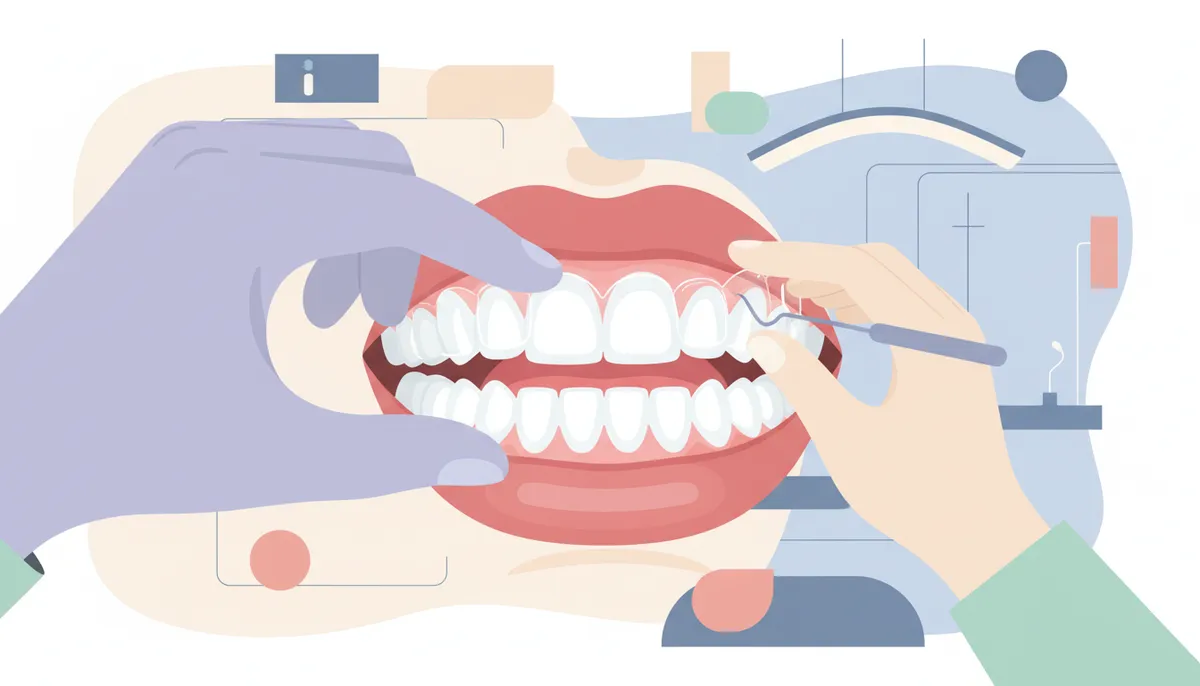
Clear aligners are custom-made, transparent plastic trays that gradually shift your teeth into their ideal positions. Unlike traditional braces with metal brackets and wires, these aligners are nearly invisible when you wear them. Each set of aligners is designed specifically for your teeth using advanced 3D imaging technology. You wear each set for about one to two weeks before switching to the next set in the series.
The process starts with a detailed consultation where your orthodontist takes digital scans or impressions of your teeth. These scans create a precise treatment plan that maps out how your teeth will move over time. Most people wear their aligners for 20 to 22 hours per day, removing them only to eat, drink, brush, and floss. This flexibility makes clear aligners incredibly popular among adults and teens who want effective treatment without disrupting their daily routines.
Clear aligners work through controlled force applied to your teeth. Each aligner is slightly different from the previous one, applying gentle pressure to move your teeth incrementally. Over several months, these small movements add up to create significant changes in your smile. The treatment typically lasts anywhere from 6 to 18 months, depending on the complexity of your case.
Benefits of Choosing Clear Aligners Over Traditional Braces
Clear aligners offer several advantages that make them the preferred choice for many people seeking orthodontic treatment in 2026. Understanding these benefits helps you make an informed decision about your smile journey.
Virtually Invisible Appearance
The most obvious benefit is that clear aligners are nearly invisible. You can straighten your teeth without anyone noticing you’re undergoing treatment. This is especially important for professionals who attend meetings, give presentations, or work in client-facing roles. Teens who feel self-conscious about their appearance also appreciate the discreet nature of clear aligners.
Removable for Eating and Cleaning
Unlike traditional braces that stay attached to your teeth throughout treatment, you can remove clear aligners whenever needed. This means no food restrictions—you can enjoy crunchy apples, sticky caramel, or chewy bagels without worry. Removing your aligners also makes brushing and flossing much easier, helping you maintain better oral hygiene during treatment.
Comfortable and Smooth Design
Clear aligners are made from smooth plastic that won’t irritate your cheeks, gums, or lips. There are no sharp brackets or wires that can poke you or cause discomfort. Most people experience minimal soreness when switching to a new set of aligners, and any discomfort typically fades within a day or two.
Fewer Office Visits Required
Clear aligner treatment often requires fewer visits to the orthodontist compared to traditional braces. Instead of monthly adjustments, you might only need to check in every six to eight weeks. This convenience is perfect for busy professionals and parents who struggle to fit multiple appointments into their schedules.
Predictable Results with Digital Planning
Advanced technology allows you to see a digital preview of your expected results before you even start treatment. This visualization helps you understand what your smile will look like at the end of your journey, giving you confidence and motivation throughout the process.
Key Factors to Consider When Searching for Clear Aligners Near You
Finding the right provider for clear aligners requires careful consideration of several important factors. These elements ensure you receive quality care and achieve the best possible results.
- Orthodontist Credentials and Experience: Look for a board-certified orthodontist who specializes in clear aligner treatment. Board certification from the American Board of Orthodontics indicates the orthodontist has completed rigorous training and maintains high standards of care.
- Technology and Treatment Options: Modern orthodontic practices use digital scanning technology and offer multiple clear aligner systems. Ask about the specific brands and technologies the practice uses to customize your treatment.
- Location and Accessibility: Choose a practice that’s conveniently located near your home or workplace. This makes it easier to attend appointments and address any concerns that arise during treatment.
- Patient Reviews and Testimonials: Read reviews from other patients who have completed clear aligner treatment at the practice. Look for comments about the staff’s friendliness, appointment availability, and overall treatment experience.
- Financing and Insurance Options: Clear aligner treatment is an investment in your smile. Find a practice that offers flexible payment plans and works with your insurance provider to maximize your benefits.
- Emergency Care Availability: Ask about the practice’s policy for handling orthodontic emergencies. You want to know someone will be available if you lose an aligner or experience unexpected problems.
Understanding Clear Aligner Costs and Financing Options
The cost of clear aligner treatment varies based on several factors, including the complexity of your case, treatment duration, and your location. In 2026, most patients can expect to pay between $3,000 and $8,000 for complete clear aligner treatment. This range might seem wide, but understanding what influences pricing helps you budget appropriately.
| Treatment Complexity | Typical Duration | Average Cost Range |
|---|---|---|
| Minor corrections | 6-10 months | $3,000-$4,500 |
| Moderate alignment issues | 10-15 months | $4,500-$6,000 |
| Comprehensive treatment | 15-24 months | $6,000-$8,000 |
Many orthodontic practices, including Segovia Orthodontics, offer flexible financing options to make treatment more affordable. These payment plans allow you to spread the cost over several months or years, making clear aligners accessible even if you can’t pay the full amount upfront.
Insurance Coverage for Clear Aligners
Most dental insurance plans that cover orthodontic treatment will also cover clear aligners, typically up to a lifetime maximum benefit of $1,000 to $3,000. However, coverage varies significantly between plans. Some insurance companies consider clear aligners cosmetic and may not provide any benefits, while others treat them the same as traditional braces.
- Contact your insurance provider to verify your orthodontic benefits
- Ask about age restrictions and coverage percentages
- Confirm whether clear aligners are covered at the same rate as traditional braces
- Understand your deductible and out-of-pocket maximums
Alternative Payment Methods
If insurance doesn’t cover your treatment or you don’t have dental insurance, consider these alternative payment options:
- In-house financing plans: Many practices offer interest-free or low-interest payment plans directly through their office
- Health Savings Accounts (HSA) or Flexible Spending Accounts (FSA): Use pre-tax dollars to pay for orthodontic treatment
- Third-party financing: Companies like CareCredit offer healthcare financing with promotional interest rates
- Monthly payment plans: Spread treatment costs over the duration of your treatment with affordable monthly payments
Visit our orthodontic financing page to explore the payment options available at our practice.
What to Expect During Your First Clear Aligner Consultation
Your first consultation is an important step in your clear aligner journey. Knowing what to expect helps you feel prepared and confident when you walk through the door. Most initial consultations last between 45 minutes and one hour.
During this visit, the orthodontist will examine your teeth, gums, and jaw alignment. They’ll ask about your goals for treatment and any concerns you have about your smile. This is your opportunity to discuss what you hope to achieve and ask any questions about the process.
The Consultation Process
- Medical and dental history review: You’ll provide information about your overall health, any medications you take, and previous dental work.
- Comprehensive oral examination: The orthodontist examines your teeth, bite, and jaw alignment to determine if clear aligners are right for you.
- Digital scans or impressions: The practice takes detailed images of your teeth using either traditional impressions or modern digital scanning technology.
- Treatment plan discussion: The orthodontist explains what needs to be corrected and outlines a proposed treatment timeline.
- Financial consultation: A team member discusses treatment costs, insurance coverage, and available payment plans.
- Questions and answers: You have time to ask any remaining questions about treatment, expectations, and next steps.
Learn more about what happens during your first orthodontic visit to feel fully prepared for your consultation.
Questions to Ask During Your Consultation
Come prepared with questions to make the most of your consultation time. Here are some important questions to consider:
- How long will my treatment take?
- How often will I need to visit the office?
- What happens if I lose or break an aligner?
- Are there any restrictions on activities or foods?
- How do you monitor my progress throughout treatment?
- What retention plan do you recommend after treatment ends?
Common Issues Clear Aligners Can Fix
Clear aligners effectively treat many orthodontic problems that affect both appearance and oral health. Understanding which issues clear aligners can address helps you determine if they’re the right solution for your needs.
Crowded Teeth
When your jaw doesn’t have enough space for all your teeth to fit properly, they can overlap or twist. Crowded teeth are difficult to clean thoroughly, increasing your risk of tooth decay and gum disease. Clear aligners gradually create space and align your teeth properly.
Gaps Between Teeth
Extra spaces between teeth can occur due to missing teeth, small teeth, or abnormal jaw growth. These gaps can trap food particles and put stress on your gums. Clear aligners close these spaces by moving teeth together systematically.
Overbite
An overbite occurs when your upper front teeth overlap too much over your lower front teeth. While a small overbite is normal, excessive overlap can cause jaw pain, tooth wear, and gum problems. Clear aligners can correct mild to moderate overbites.
Underbite
An underbite happens when your lower teeth extend beyond your upper teeth. This can interfere with chewing and speaking and may lead to premature tooth wear. Clear aligners can address mild underbites effectively.
Crossbite
A crossbite occurs when some upper teeth sit inside the lower teeth when you bite down. This can cause tooth wear, gum disease, and even bone loss. Clear aligners work well for correcting many crossbite situations.
Open Bite
An open bite means your upper and lower teeth don’t touch when your mouth is closed. This makes it hard to bite into certain foods and can affect speech. Clear aligners can help close open bites in many cases.
| Orthodontic Issue | Clear Aligner Effectiveness | Typical Treatment Time |
|---|---|---|
| Crowded teeth | Excellent | 12-18 months |
| Gaps and spacing | Excellent | 10-16 months |
| Mild to moderate overbite | Very good | 14-20 months |
| Mild underbite | Good | 16-24 months |
| Crossbite | Very good | 12-18 months |
Tips for Successful Clear Aligner Treatment
Getting the best results from your clear aligners requires commitment and proper care. Following these practical tips ensures your treatment stays on track and you achieve your desired smile.
Wear Your Aligners as Directed
The most important rule for successful treatment is wearing your aligners for 20 to 22 hours per day. Taking them out too often or for extended periods slows down your progress and can extend your treatment time. Set reminders on your phone if you tend to forget to put them back in after meals.
Keep Your Aligners Clean
Clean your aligners every time you brush your teeth using a soft toothbrush and clear, antibacterial soap or aligner cleaning solution. Avoid using toothpaste, which can be abrasive and create tiny scratches that make aligners appear cloudy. Rinse them thoroughly with lukewarm water—never hot water, which can warp the plastic.
- Brush and floss your teeth before putting aligners back in
- Soak aligners in cleaning solution once daily
- Rinse aligners whenever you remove them
- Store aligners in their case when not wearing them
- Never wrap aligners in napkins or tissues (they often get thrown away accidentally)
Attend All Scheduled Appointments
Even though clear aligner treatment requires fewer visits than traditional braces, keeping your scheduled appointments is crucial. These check-ins allow your orthodontist to monitor your progress, address any concerns, and ensure your teeth are moving according to plan.
Switch to New Aligners on Schedule
Follow your orthodontist’s instructions about when to switch to your next set of aligners. Some patients switch weekly, while others change every two weeks. Switching too early or too late can affect your results, so stick to the recommended schedule.
Use Your Chewies
Your orthodontist may give you small cylindrical cushions called “chewies” to help seat your aligners properly. Bite down on these for a few minutes after inserting new aligners to ensure they fit snugly against your teeth. This proper fit is essential for effective tooth movement.
How Adult Clear Aligner Treatment Differs from Teen Treatment
Clear aligners work beautifully for both adults and teens, but there are some important differences in how treatment is approached for these age groups. Understanding these distinctions helps set realistic expectations.
Adult orthodontics often focuses on correcting relapse from previous treatment or addressing concerns that have developed over time. Adult bone structure is fully developed, which sometimes means tooth movement takes slightly longer compared to teens whose jaws are still growing.
Compliance Considerations
Adults typically demonstrate higher compliance rates because they’ve made a personal decision to invest in their smile. They understand the importance of wearing aligners as directed and rarely forget to put them back in after meals. Teens may need more reminders and encouragement to stay consistent with aligner wear.
Treatment Goals and Priorities
Adults often prioritize discrete treatment because of professional and social considerations. They’re typically more concerned about how treatment affects their appearance during important work meetings, presentations, or social events. Teens may be more flexible about treatment options but appreciate the confidence boost that comes with invisible aligners.
Lifestyle Factors
Adults juggling careers and family responsibilities need flexible appointment scheduling and efficient treatment. They value practices that offer early morning or evening appointments and virtual check-in options. Teens often have more scheduling flexibility but need treatment that accommodates sports, school activities, and social events.
- Adults may have existing dental work like crowns or bridges that affect treatment planning
- Teens with developing jaws sometimes need two-phase treatment approaches
- Adults often complete treatment faster due to better compliance
- Teens benefit from compliance indicators built into some aligner systems
Finding the Right Orthodontist for Clear Aligners in Your Area
Choosing the right orthodontist makes all the difference in your clear aligner experience. You want someone who combines expertise with genuine care for your comfort and results. Start by researching orthodontists in your area who specialize in clear aligner treatment.
Look for practices with strong online presence, particularly positive reviews on Google Business Profile and social media platforms. These reviews give you insight into other patients’ experiences with the practice, from the friendliness of the staff to the quality of results.
What Sets Excellent Orthodontists Apart
The best orthodontists don’t just straighten teeth—they create positive experiences that make you excited about your smile journey. Here’s what to look for:
- Advanced training and certification: Board-certified orthodontists have completed additional years of specialized education beyond dental school
- Modern technology: Practices that invest in the latest digital scanning and treatment planning tools typically deliver more precise results
- Comprehensive consultations: Quality orthodontists take time to understand your goals and explain all your treatment options
- Transparent pricing: The best practices provide clear information about costs and payment options upfront
- Convenient scheduling: Look for practices that accommodate your busy schedule with flexible appointment times
- Warm, welcoming environment: A friendly team that makes you feel comfortable creates a better overall experience
Questions About Language and Cultural Comfort
If you’re more comfortable communicating in a language other than English, seek out bilingual practices. Being able to discuss your treatment in your preferred language ensures clear communication and reduces misunderstandings about care instructions.
Segovia Orthodontics provides bilingual care in English and Spanish, making it easier for families in the Lakewood Ranch area to receive personalized orthodontic treatment in their preferred language. Dr. Flor Segovia understands the importance of clear communication throughout your orthodontic journey.
Virtual Resources and Social Media Presence
Many orthodontic practices maintain active social media profiles where they share patient transformations, educational content, and behind-the-scenes glimpses of the practice. Check out practices on Facebook and Instagram to get a feel for their approach and see real patient results.
Take the First Step Toward Your Perfect Smile
Now that you understand how clear aligners work, what to expect during treatment, and how to find the right orthodontist near you, it’s time to take action. Your journey to a straighter, more confident smile begins with a simple consultation. During this visit, you’ll discover exactly what clear aligners can do for your unique situation and get answers to all your questions.
Don’t let another year go by wishing for a better smile. Clear aligner technology in 2026 offers more options, better comfort, and faster results than ever before. Whether you’re preparing for a wedding, looking to boost your professional image, or simply want to feel more confident in photos, clear aligners can help you achieve your goals discreetly and effectively.
The team at Segovia Orthodontics at Lakewood Ranch is ready to help you start your smile transformation with personalized clear aligner treatment. With flexible financing options, convenient appointment scheduling, and a warm family-oriented atmosphere, getting the smile you’ve always wanted has never been more accessible. Ready to see what clear aligners can do for you? Request your complimentary consultation today and take the first step toward the confident smile you deserve.
FAQs
Q: How long does clear aligner treatment typically take?
A: Most clear aligner treatment takes between 6 and 18 months, depending on the complexity of your case. Minor corrections might be complete in as little as 6 months, while more comprehensive alignment issues could take up to 24 months. Your orthodontist will give you a personalized timeline during your consultation based on your specific needs.
Q: Can I eat and drink with clear aligners in?
A: You should remove your clear aligners before eating or drinking anything except plain water. This prevents staining and damage to the aligners. After eating, brush your teeth before putting the aligners back in to maintain good oral hygiene and keep your aligners clean throughout treatment.
Q: Are clear aligners more expensive than traditional braces?
A: Clear aligners and traditional braces typically cost about the same, ranging from $3,000 to $8,000 depending on treatment complexity. Many insurance plans cover clear aligners at the same rate as traditional braces. Most orthodontic practices offer flexible payment plans to make treatment affordable for your budget.
Q: Will clear aligners affect my speech?
A: You might notice a slight lisp when you first start wearing clear aligners, but this usually goes away within a few days as your mouth adjusts. The smooth, thin design of clear aligners causes much less speech interference than traditional braces. Most people adapt quickly and speak normally throughout treatment.
Q: What happens if I lose or break an aligner?
A: Contact your orthodontist right away if you lose or break an aligner. They’ll guide you on whether to move to your next set, go back to the previous set, or order a replacement. Keep your previous set of aligners as a backup until you’re well into your next set to avoid treatment delays.
Our Service Area