Key Takeaways
-
Schedule a consultation by age 7 for children; early evaluation can catch problems before they worsen and make later treatment simpler and shorter, according to the American Association of Orthodontists.
-
Clear aligners are the most popular discreet option for adults, offering nearly invisible, removable treatment lasting 6-18 months, making them ideal for busy professionals.
-
Board-certified orthodontists who use advanced technology like digital scanners and 3D imaging provide more accurate treatment planning and personalized care tailored to your specific needs.
-
Most dental insurance plans cover a portion of orthodontic treatment, especially for children; explore flexible payment plans, FSA/HSA accounts, and in-house financing to make treatment affordable.
-
Wearing your retainer as directed after treatment is critical to prevent relapse; teeth can gradually shift back to original positions without consistent retainer use.
-
Modern orthodontic options now include innovative solutions like LightForce braces with 3D-printed custom brackets and WildSmiles fun-shaped brackets for kids, alongside traditional and clear braces.
Are you staring at your smile in the mirror and thinking, something needs to change? You’re not alone. Millions of people every year look for orthodontics solutions that fit their lives, their budgets, and their goals. Whether you’re a mom exploring options for your child, a young professional wanting a more confident smile, or someone who had braces years ago and noticed some shifting — there’s never been a better time to explore what modern orthodontic care can offer.
The good news? Orthodontics has come a long way. Today’s treatments are more comfortable, more discreet, and more effective than ever before. In this guide, we’ll walk you through how to find the right solution for your unique situation — step by step, in plain language, without the overwhelm. Let’s get started!

Step 1: Understand What Orthodontics Solutions Are Available
Before you can choose the right path, you need to know what’s out there. Modern orthodontic care offers a wide range of treatment options designed for different needs, ages, and lifestyles. Getting familiar with the basics makes the decision process so much easier.
Here’s a quick overview of the most common orthodontics solutions available today:
- Traditional metal braces: Reliable, effective, and great for complex cases. These use metal brackets and wires to gradually shift teeth.
- Clear braces: Work just like metal braces but use tooth-colored brackets that blend in with your smile.
- Clear aligners: Removable trays that are nearly invisible. Perfect for adults and teens who want a discreet option.
- Custom retainers: Used after active treatment to keep your teeth in their new positions.
- LightForce braces: A cutting-edge option using 3D-printed custom brackets for a more personalized and precise fit.
- WildSmiles braces: Fun-shaped brackets designed especially for kids who want to make their braces uniquely theirs.
You can learn more about types of braces to compare the differences between each style and what they work best for.
Step 2: Identify Your Orthodontic Needs
Not every smile needs the same fix. That’s why a personalized approach matters so much. Before choosing a treatment, it helps to understand what issues you or your child are dealing with.
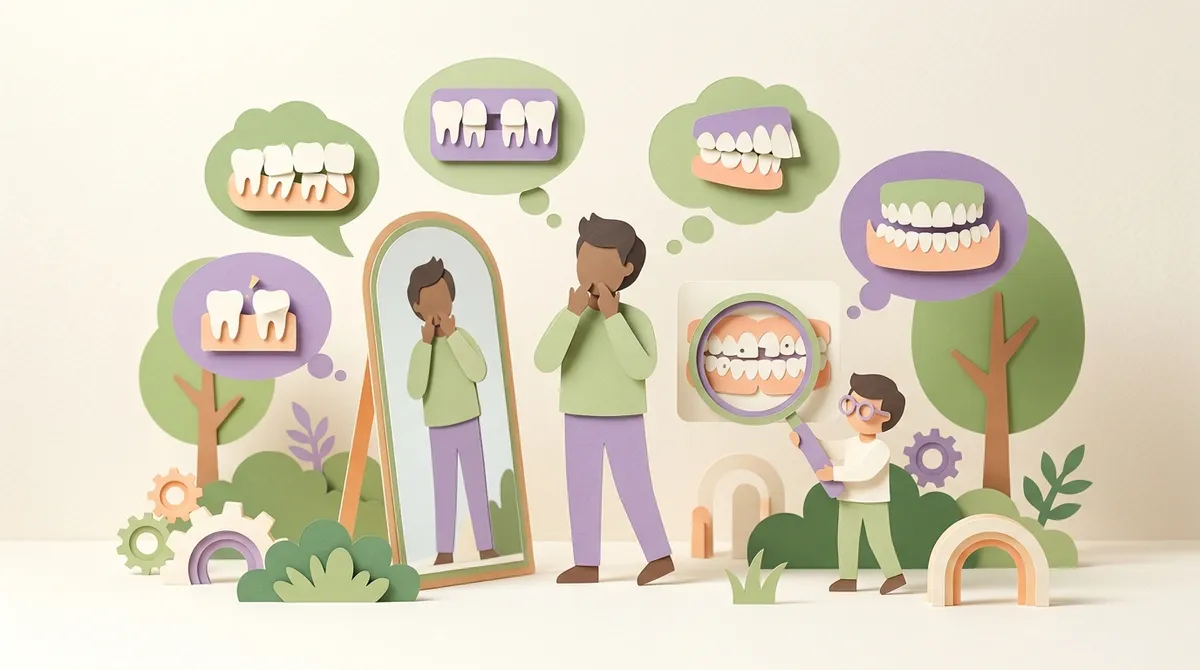
Some of the most common orthodontic problems include:
- Crowded or overlapping teeth
- Gaps between teeth
- Overbite, underbite, or crossbite
- Misaligned jaw
- Teeth that shifted after previous treatment
Identifying your specific concern helps your orthodontist recommend the most effective solution. Not sure where to start? A great first step is scheduling a consultation to get a professional evaluation of your smile.
Step 3: Consider Age and Life Stage
One of the smartest things you can do is match your orthodontic treatment to your life stage. Different ages have different needs, priorities, and treatment timelines.
Children (Ages 7–11)
The American Association of Orthodontists recommends that kids see an orthodontist by age 7. Early evaluation doesn’t always mean early treatment — but it helps catch potential problems before they get worse. Early orthodontic treatment can guide jaw growth and make later treatment simpler and shorter.
Teenagers
The teen years are the most common time for orthodontic treatment. Most permanent teeth have come in, making it the ideal window for braces or aligners. Teen orthodontic treatment is tailored to busy schedules, sports activities, and social lives. Options like clear aligners with compliance indicators help teens and parents stay on track.
Adults
It’s never too late! Adult orthodontics is growing fast in 2026. Many adults choose clear aligners because they fit seamlessly into professional and social settings. Whether you’re preparing for a big event or correcting a relapse from years ago, there’s a discreet, effective solution for you.
Step 4: Compare Your Top Treatment Options
Once you understand your needs and life stage, it’s time to compare your options side by side. Here’s a helpful comparison table to guide your thinking:
| Treatment Option | Best For | Visibility | Removable | Treatment Length |
|---|---|---|---|---|
| Metal Braces | Kids, teens, complex cases | Visible | No | 18–36 months |
| Clear Braces | Teens and adults | Less visible | No | 18–36 months |
| Clear Aligners | Adults, mild to moderate cases | Nearly invisible | Yes | 6–18 months |
| LightForce Braces | All ages, precision cases | Less visible | No | Varies |
| WildSmiles Braces | Kids who love fun designs | Visible (fun!) | No | 18–36 months |
This table gives you a starting point. Your orthodontist will help you narrow things down based on your specific case and goals. You can also explore clear aligners and all about braces for more detailed breakdowns of each treatment type.
Step 5: Find a Qualified Orthodontist You Trust
This step might be the most important one. The right orthodontist can make a huge difference in your experience and your results. Not all dentists are orthodontists — and not all orthodontists are board-certified. Here’s what to look for:
- Board certification: A board-certified orthodontist has passed rigorous exams beyond dental school. The American Board of Orthodontics certifies orthodontists who meet the highest standards of clinical excellence.
- Advanced technology: Look for a practice that uses advanced orthodontic technology like digital scanners and 3D imaging for more accurate treatment planning.
- Personalized care: Your treatment plan should be customized to you, not a one-size-fits-all approach.
- Comfortable environment: You’ll be visiting regularly, so feeling welcome and at ease matters.
- Good communication: Your orthodontist should explain your options clearly and answer all your questions without rushing you.
At Segovia Orthodontics, Dr. Flor Segovia brings board-certified expertise and genuine warmth to every appointment. She provides bilingual care in English and Spanish, making the experience welcoming for diverse families in Lakewood Ranch, FL. You can learn more about her approach by visiting the Dr. Flor Segovia profile page.
Step 6: Know What to Expect at Your First Visit
Walking into an orthodontic office for the first time can feel a little nerve-wracking. But it doesn’t have to! Knowing what to expect makes the whole experience much smoother.
During your first orthodontic visit, you can typically expect:
- A thorough exam of your teeth, jaw, and bite.
- X-rays or digital scans to see what’s happening beneath the surface.
- A conversation about your goals and concerns.
- A personalized treatment recommendation with options explained clearly.
- Information about costs, timelines, and financing options.
Most initial consultations are free! There’s no pressure and no commitment. It’s simply a chance to get the information you need to make a confident decision.
Step 7: Explore Financing and Insurance Options
Cost is a real concern for many families and individuals. The great news is that orthodontic treatment is more financially accessible than most people think. Here are some ways to make it work:
- Dental insurance: Many plans cover a portion of orthodontic treatment, especially for children.
- Flexible payment plans: Most orthodontic practices offer low monthly payments with little to no interest.
- FSA/HSA accounts: You can often use pre-tax dollars to pay for orthodontic treatment.
- In-house financing: Some practices offer their own financing programs with flexible terms.
Learn more about your options by exploring orthodontic financing so you can plan ahead with confidence.
Step 8: Plan for Life After Treatment
Getting your braces off or finishing your aligner series is a huge milestone — and it deserves to be celebrated! But protecting your results is just as important as the treatment itself.
Orthodontic retainers are custom-made devices that hold your teeth in their corrected positions. Skipping your retainer is one of the most common reasons adults experience relapse and need treatment again. Here’s how to make retention a habit:
- Wear your retainer as directed by your orthodontist (usually full-time at first, then nightly).
- Store it properly when not in use to avoid damage or loss.
- Clean it daily to keep it fresh and bacteria-free.
- Attend follow-up appointments to make sure everything is staying in place.
Questions? We’ve Got Answers
It’s totally normal to have lots of questions when you’re exploring orthodontics solutions for the first time. A great resource to bookmark is the FAQ orthodontic treatment page, which covers everything from how long treatment takes to what to eat with braces.
You can also follow along on our Facebook page and our Instagram page for before-and-after photos, tips, and fun behind-the-scenes content from the Segovia Orthodontics team. It’s a wonderful way to get a feel for the practice before you even walk through the door!
If you’re ever in a pinch and have a broken bracket or loose wire, don’t panic. Learn what to do by reading about orthodontic emergencies so you’re always prepared.
Why Segovia Orthodontics Stands Out
There are many practices to choose from, but what sets a great one apart is a genuine commitment to patient care. Why choose us? Because Dr. Flor Segovia and her team believe every patient deserves personalized attention, honest guidance, and a treatment plan that truly fits their life.
From innovative options like LightForce Orthodontics and WildSmiles Braces for kids, to clear aligners and retainers for adults, the range of orthodontics solutions available at Segovia Orthodontics is designed to meet you exactly where you are. Visit us on Google to read reviews from real patients and see why families across Lakewood Ranch trust us with their smiles.
Your Next Step Toward a Better Smile
Finding the right orthodontics solutions doesn’t have to be complicated or stressful. When you break it down step by step — understanding your options, knowing your needs, and working with a trusted provider — the path forward becomes clear and exciting.
Your smile is worth it. And the right team makes all the difference. Whether you’re ready to get started today or just want to learn more, we’re here to help every step of the way.
Ready to take the first step? We’d love to meet you! Schedule your complimentary consultation today, or feel free to call us at 941-557-1333 with any questions. Your best smile is closer than you think!
FAQs
Q: What are the most popular orthodontics solutions for adults?
A: Clear aligners are by far the most popular orthodontics solution for adults because they’re nearly invisible and removable — perfect for busy professionals! Clear braces are also a great option if you need something fixed but still want a more discreet look than traditional metal braces.
Q: How long do orthodontic treatments usually take?
A: Treatment time depends on your specific case, but most orthodontics solutions take anywhere from 6 to 36 months. Clear aligners for mild cases can be as short as 6 months, while more complex bite issues with braces may take 2–3 years. Your orthodontist will give you a realistic timeline at your first visit!
Q: At what age should my child first see an orthodontist?
A: The American Association of Orthodontists recommends a first visit by age 7. Early evaluations let your orthodontist spot potential issues early and plan ahead — which can actually make later treatment easier and faster. Don’t worry, an early visit doesn’t always mean early treatment!
Q: Are orthodontics solutions covered by dental insurance?
A: Many dental insurance plans cover at least a portion of orthodontic treatment, especially for children. It’s always a good idea to check with your insurance provider before your consultation. Most orthodontic practices also offer flexible payment plans to help make treatment affordable for everyone.
Q: What happens if I don’t wear my retainer after orthodontic treatment?
A: Without a retainer, your teeth can gradually shift back toward their original positions — a process called relapse. Wearing your retainer as directed is the key to keeping your smile looking great long after treatment ends. Think of your retainer as the final, most important step of your orthodontic journey!