Key Takeaways
-
An orthodontic assessment provides a complete diagnostic picture in about one hour, revealing teeth alignment issues, bite problems, and personalized treatment options with realistic timelines for results.
-
Children should have their first orthodontic evaluation by age 7 to identify potential problems early; early treatment can prevent more complex and costly procedures later by guiding jaw growth.
-
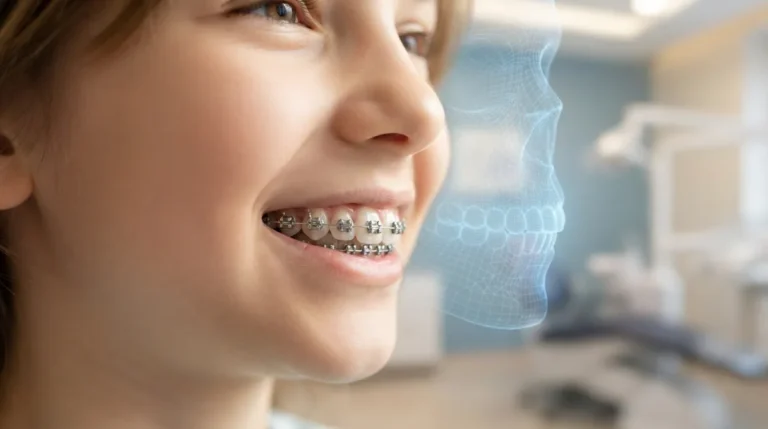
Modern orthodontic assessments use advanced technology including digital X-rays, 3D scans, and intraoral cameras for faster, more comfortable, and significantly more accurate diagnoses than traditional methods.
-
The assessment determines which treatment option best suits your specific case—traditional braces, ceramic braces, clear aligners, or specialty options—ensuring personalized care rather than one-size-fits-all solutions.
-
Clear aligners aren't suitable for every orthodontic case; your assessment identifies whether you're a good candidate based on your specific dental needs and bite complexity.
-
Retention after treatment is crucial as teeth can slowly shift back without proper retainers; your orthodontist will explain retention options and long-term care strategies during the assessment.
You’ve been thinking about it for a while. Maybe your child’s teeth are coming in crooked. Maybe you’re a busy professional who’s tired of hiding your smile in work photos. Or perhaps you had braces years ago and your teeth have shifted. Whatever brought you here, an orthodontic assessment is the first — and most exciting — step toward the smile you’ve always wanted.
The good news? An orthodontic assessment isn’t scary at all. It’s actually one of the most informative appointments you’ll ever have. In about an hour, you can walk away with a complete picture of your dental alignment, your treatment options, and a realistic timeline for results. Think of it as a road map to your best smile.
Here are 13 valuable things you’ll discover during your orthodontic assessment — and why this first visit matters more than you might think.

1. Whether Your Teeth Are Properly Aligned
The most obvious thing an orthodontic assessment reveals is whether your teeth are actually aligned correctly. Your orthodontist will check for crowding, spacing, and rotation issues. You might be surprised — many people live with alignment problems they’ve never noticed.
2. The Type of Bite You Have
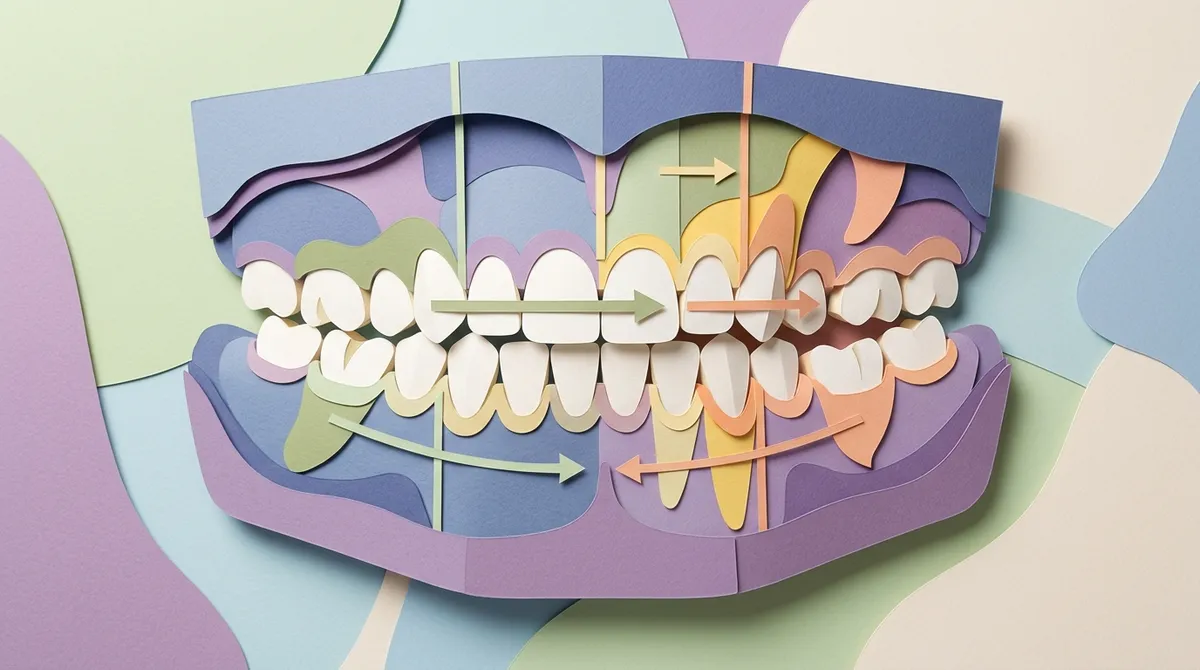
Bite problems are just as important as crooked teeth. During your assessment, your orthodontist will check for an overbite, underbite, crossbite, or open bite. Each type of bite issue has different treatment approaches, and catching them early makes a big difference. You can learn more about this on the common orthodontic problems page.
3. Whether Your Child Needs Early Treatment
If you’re a mom bringing in your child, this one is especially important. The American Board of Orthodontics recommends that children have their first orthodontic evaluation by age 7. At that age, enough adult teeth have come in to spot potential problems early. An early orthodontic assessment can prevent more complex (and costly) treatment later on.
Early treatment, sometimes called Phase 1 treatment, can guide jaw growth and make room for permanent teeth. Find out more about early orthodontic treatment to see if your child might benefit.
4. Which Treatment Option Is Right for You
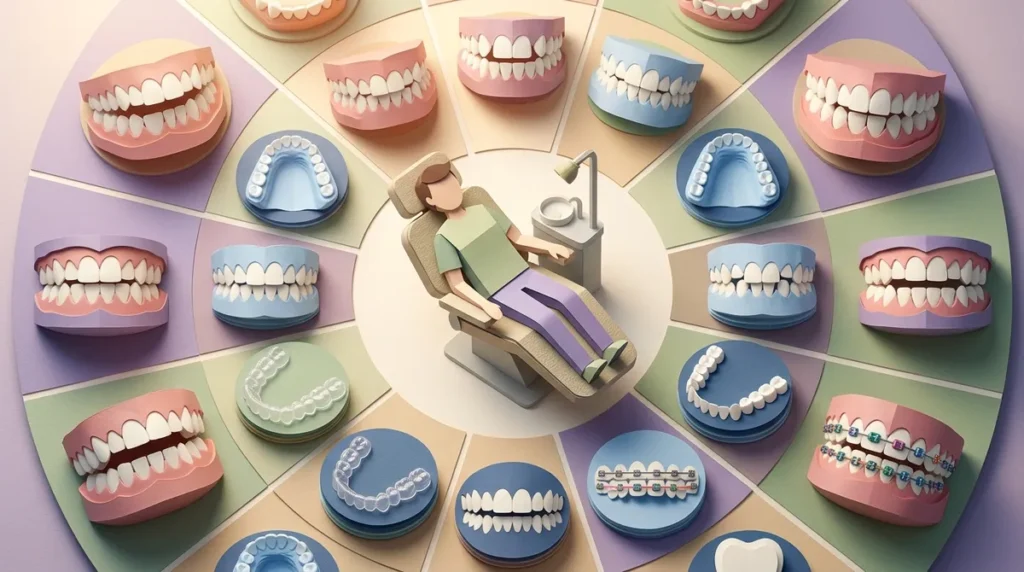
Not everyone needs the same solution. After examining your teeth and bite, your orthodontist will recommend treatment options tailored to your specific needs. Here are the most common options you might discuss:
- Traditional metal braces — reliable, effective, and great for complex cases
- Clear ceramic braces — less visible but just as powerful
- Clear aligners — a discreet option popular with teens and adults
- Custom retainers — for maintaining results after treatment
To compare your options in detail, check out this helpful guide on types of braces.
5. How Long Your Treatment Will Take
One of the first questions everyone asks is: “How long will this take?” Your orthodontic assessment gives you a realistic timeline. Treatment length depends on the complexity of your case, your age, and the treatment method chosen. Most patients are pleasantly surprised by how manageable the timeline is.
6. How Advanced Technology Will Be Used in Your Care
Modern orthodontic assessments use far more than just a mirror and a pair of gloves. Today’s orthodontists use digital X-rays, 3D scans, and intraoral cameras to get a complete picture of your teeth and jaw. This technology makes the assessment faster, more comfortable, and far more accurate. Learn more about what advanced orthodontic technology looks like in practice.
What to Expect During Your Orthodontic Assessment: A Quick Overview
Wondering how the appointment actually flows? Here’s a simple breakdown of what happens during a typical assessment visit:
- Medical and dental history review — Your orthodontist will review any past dental work, medications, and health history.
- Clinical examination — A thorough look at your teeth, gums, and jaw alignment.
- Digital imaging — X-rays and 3D scans are taken for a complete view.
- Treatment consultation — Your orthodontist walks you through findings and recommends options.
- Financial review — You’ll discuss costs, insurance, and payment plans.
If you’d like to know exactly what to expect before you arrive, the first orthodontic visit guide covers it beautifully.
7. Whether Clear Aligners Are a Good Fit for You
Clear aligners have become hugely popular — and for good reason. They’re nearly invisible, removable, and very comfortable. But they’re not the right choice for every case. Your orthodontic assessment will tell you whether you’re a good candidate. Many working professionals and adults love this option for its discreet appearance. Explore all your clear aligner options to learn more.
8. If You’re a Candidate for Specialized Braces
Did you know there are braces designed with fun shapes for kids? At Segovia Orthodontics, for example, we offer WildSmiles Braces — a fantastic way to get kids excited about their orthodontic journey. Your assessment will help determine if specialty options like these are appropriate for your child.
9. Your Jaw Health and Function
An orthodontic assessment isn’t just about how your teeth look — it’s about how they work together. Your orthodontist will evaluate your jaw joints (TMJ), your bite function, and whether you have any signs of grinding or clenching. Jaw problems can cause headaches, soreness, and even long-term damage if left unchecked.
Comparing Age Groups: What the Assessment Focuses On
Different patients have different needs during an assessment. Here’s a quick comparison of what each age group typically needs most:
| Age Group | Key Assessment Focus | Common Treatment Options |
|---|---|---|
| Children (7–12) | Jaw development, early crowding, spacing | Expanders, early braces, monitoring |
| Teens (13–17) | Full alignment, bite correction, compliance | Metal braces, clear braces, aligners |
| Adults (18+) | Relapse, aesthetic concerns, jaw health | Clear aligners, ceramic braces, retainers |
Whether you’re exploring teen orthodontic treatment or adult orthodontics, there’s a personalized approach waiting for you.
10. How to Finance Your Treatment
Cost is one of the biggest concerns people have before scheduling an assessment. The great news is that orthodontic treatment is more affordable and flexible than ever. During your assessment, you’ll get a clear breakdown of costs and payment options. Most practices offer monthly payment plans, and many accept dental insurance. Visit the orthodontic financing page to explore your options before your visit.
11. What Happens After Treatment Ends
Your orthodontic assessment will also touch on what comes after braces or aligners — retainers! Retention is one of the most important parts of orthodontic care. Without a retainer, teeth can slowly shift back. Your orthodontist will explain your retention options and how to care for your results long-term. Learn more about orthodontic retainers and why they matter.
12. Whether You’re a Candidate for LightForce Orthodontics
Technology in orthodontics has made incredible leaps in 2026. One exciting option is custom 3D-printed brackets used in LightForce Orthodontics. These are fully customized to fit your specific tooth shape, making treatment more efficient and comfortable. Your assessment will determine if this cutting-edge option is right for your case.
13. How to Feel Confident Every Step of the Way
Finally — and this one’s important — your orthodontic assessment gives you confidence. Walking into that appointment, you might feel nervous or unsure. Walking out, you’ll have answers, a plan, and a sense of excitement about what’s ahead. That shift in mindset is powerful.
A great orthodontic team makes all the difference here. You want providers who listen, explain things clearly, and make you feel genuinely supported. Follow our Instagram page and our Facebook page to see patient stories, treatment highlights, and a glimpse of the warm, welcoming environment we’ve built at Segovia Orthodontics.
Quick Checklist: What to Bring to Your Orthodontic Assessment
To make the most of your first visit, come prepared. Here’s what to bring:
- Photo ID and insurance card (if applicable)
- List of any current medications
- Any recent dental X-rays or records
- A list of your questions or concerns
- An open mind and a smile — even if it’s the one you’re hoping to improve!
Signs You Should Schedule an Orthodontic Assessment Soon
Not sure if now is the right time? Here are some signs that it’s time to book that appointment:
- Your teeth are visibly crowded or overlapping
- You have gaps between your teeth that bother you
- You have difficulty biting or chewing comfortably
- Your child is age 7 or older and hasn’t had an orthodontic evaluation
- You had braces before and notice your teeth have shifted
- You have an upcoming event (wedding, graduation, job interview) and want to improve your smile
If any of these sound familiar, don’t wait. The sooner you get your assessment, the sooner your smile transformation can begin. You can also check out our orthodontic treatment FAQs for answers to common questions before your visit.
Why Choosing a Board-Certified Orthodontist Matters
Not all orthodontic providers are the same. A board-certified orthodontist has completed advanced specialty training beyond dental school and passed rigorous examinations to earn certification. This means you’re in the most qualified hands possible. When you choose board-certified care, you’re choosing the highest standard of expertise for your smile.
Dr. Flor Segovia is a board-certified orthodontist who brings warmth, expertise, and a genuine passion for creating beautiful smiles. She offers bilingual care in English and Spanish and creates a welcoming atmosphere for the whole family. Visit us on Google to read what patients are saying about their experience with our team.
Your Smile Journey Starts with One Conversation
An orthodontic assessment is so much more than just a checkup. It’s a personalized discovery session that gives you real information, real options, and a real plan. Whether you’re a mom researching options for your child, a young professional ready for a confidence boost, or an adult finally making your smile a priority — this one appointment can change everything.
You deserve to feel great about your smile every single day. The team at Segovia Orthodontics at Lakewood Ranch is ready to walk beside you every step of the way. Ready to get started? Schedule your orthodontic assessment today and take the first step toward the smile you’ve always dreamed of — we can’t wait to meet you!
FAQs
Q: How long does an orthodontic assessment take?
A: Most orthodontic assessments take about 60 to 90 minutes — just enough time to get a thorough picture of your smile without taking up your whole day! This includes the clinical exam, digital imaging, and a consultation to walk you through your options.
Q: Is an orthodontic assessment painful?
A: Not at all — it’s one of the most comfortable dental appointments you’ll ever have! The assessment involves a visual exam, digital scans, and X-rays, all of which are non-invasive. You should leave feeling informed and excited, not sore!
Q: At what age should my child have their first orthodontic assessment?
A: The American Board of Orthodontics recommends that children have their first orthodontic assessment by age 7. At this age, enough adult teeth have come in for an orthodontist to identify any developing issues early and plan ahead if needed.
Q: Do I need a referral from my dentist for an orthodontic assessment?
A: In most cases, no referral is needed — you can contact an orthodontic office directly to schedule your assessment. That said, it’s always a great idea to keep your general dentist in the loop so your dental care team can work together for your best results.
Q: Will my dental insurance cover an orthodontic assessment?
A: Many dental insurance plans cover the cost of an initial orthodontic consultation, and some cover a portion of full orthodontic treatment too. It’s always worth calling your insurance provider before your visit to understand your benefits — and don’t hesitate to ask the orthodontic office for help navigating your coverage!