Key Takeaways
-
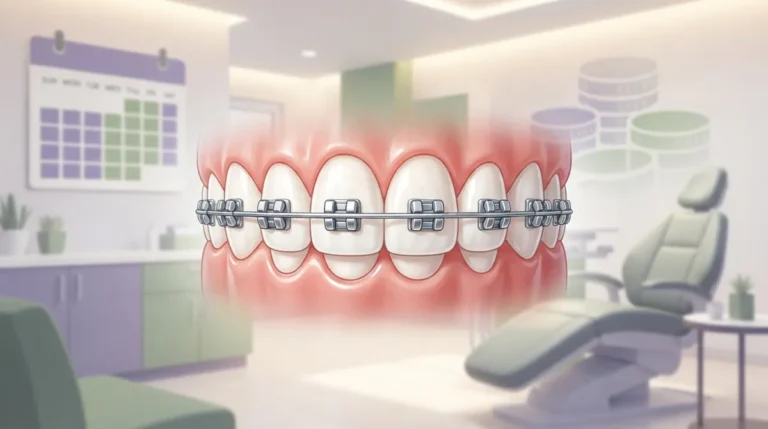
Teeth begin shifting immediately after braces are removed, making the first few months of consistent retainer wear the most critical phase to prevent relapse and undo your orthodontic progress.
-
Skipping your retainer for even a few weeks can cause noticeable tooth shifting, and the longer you wait, the harder it becomes to reinsert the retainer without forcing it.
-
Retainer wearing schedules change over time: full-time (20-22 hours/day) for the first 6 months, then transitioning to nights only for maintenance, but follow your orthodontist’s personalized timeline.
-
Retainers have a limited lifespan (1-5 years for removable types) and need regular cleaning with lukewarm water and soft brushes to prevent bacterial buildup, bad breath, and gum issues.
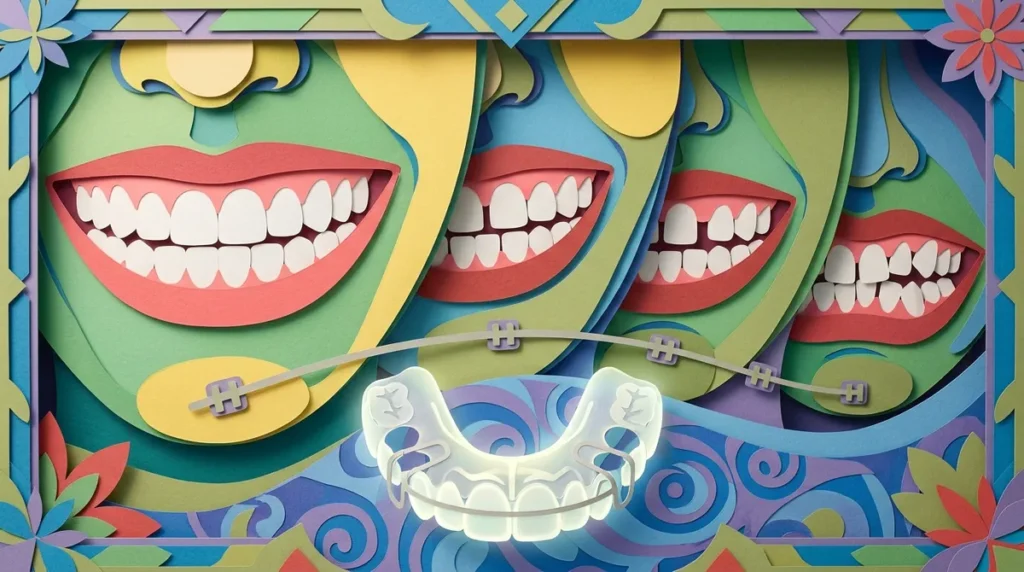
-
Adults need retainers just as much as teenagers since teeth shift throughout your entire life, and adult relapse is common among those who stopped wearing retainers after teenage braces.
-
Store your retainer in a protective case at all times when not wearing it to prevent loss or damage, and have it inspected regularly by your orthodontist to catch issues before they worsen.
You worked hard for your beautiful smile. You wore your braces, kept your appointments, and followed all the rules. Now your braces are off — and your orthodontist hands you a retainer. What happens next matters more than most people realize. Your braces retainer is not just an afterthought. It is the key to keeping your smile exactly where it belongs. Without it, teeth can shift back faster than you think. The good news? Understanding how retainers work makes it so much easier to stay on track. Whether you are a parent helping your teen, a young professional protecting your investment, or an adult who is serious about long-term results, these 11 facts will help you get the most out of your retainer. Let’s dive in and make sure all that hard work pays off for years to come!
What Is a Braces Retainer and Why Does It Matter?
A braces retainer is a custom-made dental device you wear after orthodontic treatment. Its job is simple but important: it holds your teeth in their new positions. After braces or clear aligners, your teeth want to drift back to where they were. This is called relapse. A retainer stops that from happening.
Think of it like a seatbelt for your smile. You buckled up during treatment, and the retainer keeps everything locked in place afterward. Skipping your retainer is one of the most common adult orthodontics mistakes you should never make. The results you love can disappear faster than you expect without it.
11 Braces Retainer Facts Every Patient Should Know
1. Your Teeth Start Shifting Immediately After Braces
This one surprises a lot of people. The moment your braces come off, your teeth begin moving. The bone and tissues around your teeth need time to stabilize. That is why your orthodontist will give you a retainer right away. Wearing it consistently in the first few months is the most important time. Do not skip days during this phase!
2. There Are Several Types of Retainers
Not all retainers look or work the same way. Your orthodontist will recommend the best type for your specific smile. Here are the most common options:
- Hawley retainers — Made of acrylic and wire. Durable and adjustable. Learn more in this guide to 12 Hawley retainer facts every patient should know.
- Clear plastic retainers — Nearly invisible and very comfortable. Find out more about what a clear retainer is and why you need one.
- Fixed (bonded) retainers — A thin wire bonded to the back of your teeth. You cannot remove it yourself. Check out 14 fixed retainer facts every orthodontic patient should know.
Each type has pros and cons. Your orthodontist will help you choose based on your lifestyle and treatment results. You can also explore the 5 key differences between a Hawley retainer and a clear retainer to understand your options better.
3. Wearing Schedule Changes Over Time
Right after treatment, you will likely wear your retainer full-time. That usually means 20 to 22 hours a day. Over time, your orthodontist may reduce that to nighttime only. Here is a typical retainer schedule:
| Phase | Time After Braces | Wearing Schedule |
|---|---|---|
| Active retention | 0 to 6 months | Full-time (20-22 hrs/day) |
| Transitional | 6 to 12 months | Nights and some daytime |
| Maintenance | 1 year+ | Nights only |
| Long-term | Ongoing | Several nights per week |
Always follow your orthodontist’s specific instructions. Every patient’s timeline is a little different!
4. Retainers Need Regular Cleaning
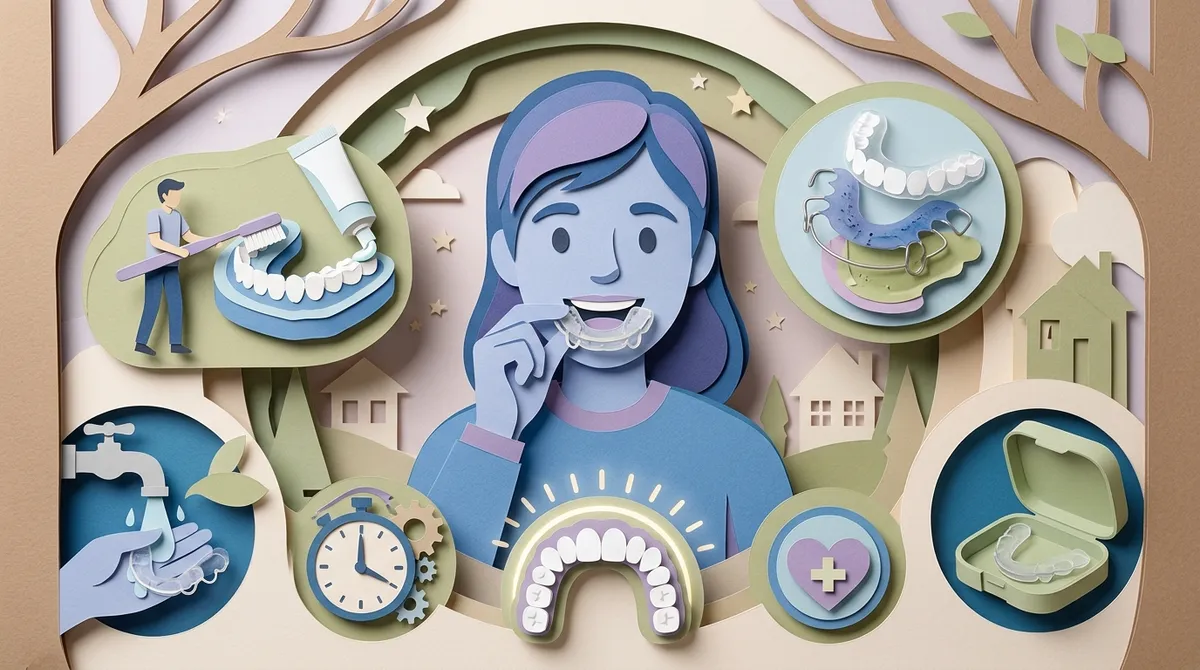
Your retainer sits in your mouth all day. That means bacteria, plaque, and food particles can build up on it. A dirty retainer can cause bad breath and even affect your gum health. Here is how to keep it clean:
- Rinse it with lukewarm water every time you remove it
- Brush it gently with a soft toothbrush and mild soap
- Avoid hot water — it can warp the plastic
- Use a retainer cleaning tablet once a week for a deep clean
- Never leave it in a dry environment for long periods
5. Retainers Can Break or Warp
Retainers are tougher than they look, but they are not indestructible. Dropping them, leaving them in a hot car, or wrapping them in a napkin at lunch are all common ways they get damaged. If your retainer breaks or no longer fits properly, contact your orthodontist right away. Wearing a broken retainer can be uncomfortable and less effective. The team at Segovia Orthodontics can help you get a replacement quickly so your smile stays protected.
6. Retainers Have a Lifespan
Even with great care, retainers do not last forever. Removable retainers typically last one to five years depending on how well you care for them. Fixed retainers can last much longer but may need repairs. Watch for these signs that your retainer needs replacing:
- Cracks or visible damage
- It feels too tight or too loose
- Your teeth feel like they are shifting
- Persistent bad taste or odor that does not go away with cleaning
7. Retainer Costs Vary by Type
The cost of a braces retainer depends on the type and where you get it. Here is a general idea:
| Retainer Type | Approximate Cost | Lifespan |
|---|---|---|
| Hawley retainer | $150 – $300 per arch | 3 – 10 years |
| Clear plastic retainer | $100 – $250 per arch | 1 – 3 years |
| Fixed (bonded) retainer | $250 – $500 per arch | 5 – 10+ years |
Insurance sometimes helps cover retainer costs. Learn more about retainers with vs. without insurance and what you will pay. You can also explore orthodontic financing options to make it more affordable.
8. Adults Need Retainers Just as Much as Teens
A lot of adults think retainers are just for teenagers. That is not true at all! Adult teeth shift throughout your entire life. In fact, if you had braces as a teenager and stopped wearing your retainer, you might be dealing with relapse right now. Adult orthodontics is growing every year in 2026, and retainers are a huge part of that. If your smile has shifted, talk to an orthodontist about your options for getting back on track.
9. Missing Your Retainer Can Cause Relapse
Here is the hard truth: skipping your retainer for even a few weeks can cause noticeable shifting. The longer you skip it, the more your teeth move. And the more they move, the harder it becomes to put the retainer back in. If you notice your retainer feels tight after a break, do not force it. Call your orthodontist first. For a deeper look at what can go wrong after treatment, read about common orthodontic problems and how to address them.
10. You Should Store Retainers Safely When Not Wearing Them
Countless retainers are lost every year — often wrapped in napkins or left on school lunch trays. Always keep your retainer in its case when you are not wearing it. Here are some smart storage tips:
- Keep the case in the same spot every day so you never lose it
- Get a brightly colored case so it stands out
- Keep a spare case at school or work
- Never place it in your pocket without the case
Replacing a lost retainer costs time and money. Prevention is always easier! You can also check out how to understand removable retainer costs before you pay so you are prepared if it happens.
11. Your Orthodontist Should Check Your Retainer Regularly
A retainer check-up is not just a formality. Your orthodontist can catch small issues before they become big problems. They will check that your retainer still fits well, inspect it for damage, and make sure your teeth are staying in place. If you are looking for expert care and a team that genuinely cares about your results, learn more about orthodontic retainers and how they protect your smile long-term. The American Board of Orthodontics recommends ongoing retention as a standard part of orthodontic care for all patients.
How to Make Retainer Wear a Daily Habit
Wearing your retainer consistently comes down to building a simple routine. Treat it like brushing your teeth — it is just part of your daily care. Here is a quick routine that works:
- Put your retainer in right before bed every night
- Clean it in the morning when you take it out
- Store it in its case in the same place every day
- Set a phone reminder if you keep forgetting
- Bring it to every orthodontic check-up for inspection
Small consistent habits add up to a lifetime of great results. Your future self will thank you!
What Happens If You Need a New Retainer?
If your retainer is damaged, lost, or no longer fits, do not panic. Getting a new one is straightforward. Your orthodontist will take new impressions or use digital scans to make a replacement. The sooner you act, the better — the longer you wait, the more your teeth may shift. If you are in the Lakewood Ranch area, you can schedule a retainer check-up easily and get back on track fast. Stay connected with our Facebook page for tips, updates, and patient stories from the Segovia Orthodontics community.
Retainers After Clear Aligners vs. Braces: Is There a Difference?
Great question! Whether you finished treatment with traditional braces or clear aligners, you still need a retainer afterward. The type of retainer may differ slightly based on your treatment, but the need is exactly the same. Teeth move regardless of how they were straightened. If you are curious about your treatment options before getting started, check out braces vs. clear aligners to find out which is right for you. You can also follow along on our Instagram page for before-and-after results and retainer tips from real patients.
Choosing the Right Orthodontic Team Makes All the Difference
Your retainer experience is only as good as the team guiding you through it. Working with a board-certified orthodontist ensures you get the right retainer, the right instructions, and the right follow-up care. Dr. Flor Segovia and her team at Segovia Orthodontics in Lakewood Ranch are committed to helping every patient protect their smile for life. They use advanced orthodontic technology to make your care as precise and comfortable as possible. You can visit Segovia Orthodontics on Google to read patient reviews and see why so many families in the area trust them with their smiles.
Wrapping It All Up
Your braces retainer is one of the most important tools in your orthodontic journey. It protects every bit of progress you made during treatment. Wear it consistently, keep it clean, store it safely, and get it checked regularly. These simple steps make a huge difference in the long run. If you have questions about your retainer or think your smile might be shifting, do not wait. Request an appointment with the Segovia Orthodontics team today and keep your smile looking its absolute best. You can also call us at 941-557-1333 to speak with a friendly team member right away. Your smile worked hard to get here — let’s make sure it stays!
FAQs
Q: How long do I need to wear my braces retainer after treatment?
A: Great news — it gets easier over time! Most patients wear their retainer full-time for the first few months, then gradually transition to nights only. Your orthodontist will give you a personalized schedule, but many people wear their retainer at night for the rest of their lives to keep that beautiful smile in place.
Q: What happens if I stop wearing my braces retainer?
A: If you stop wearing your retainer, your teeth will likely start shifting back toward their original positions. This is called relapse, and it can happen faster than you might expect — even within a few weeks! If your retainer feels tight after a break, call your orthodontist right away instead of forcing it in.
Q: Can I get a new retainer if mine breaks or gets lost?
A: Absolutely! Retainers can be replaced, and your orthodontist can make a new one using impressions or digital scans of your teeth. The sooner you reach out after losing or breaking a retainer, the better — acting quickly helps prevent unwanted shifting while you wait for your new one.
Q: How do I clean my braces retainer properly?
A: Cleaning your retainer is simple and quick! Rinse it with lukewarm water every time you remove it, and brush it gently with a soft toothbrush and mild soap. Avoid hot water since it can warp the plastic, and use a retainer cleaning tablet once a week for a thorough deep clean.
Q: Do I need a retainer after clear aligners, or just after braces?
A: You absolutely need a retainer after clear aligners too! Regardless of how your teeth were straightened, they need support to stay in their new positions. The bone around your teeth takes time to fully stabilize, and a retainer is the best way to make sure all your hard work sticks around for the long haul.
Our Service Area