Key Takeaways
-
Insurance typically covers about 50% of retainer costs, reducing your out-of-pocket expense to $50-$150 per arch depending on retainer type and your specific plan.
-
Most insurance plans do not cover replacement retainers or impose a 6-12 month waiting period, so buying a backup set when first fitted can save $100-$300.
-
Orthodontic lifetime maximums ($1,000-$2,000) may limit retainer coverage if you’ve already used benefits for braces, so verify your remaining balance before your appointment.
-
FSA and HSA accounts can cover retainers with pre-tax dollars, saving 20-30% compared to out-of-pocket payment and providing an option even with limited insurance coverage.
-
In-network providers cost significantly less than out-of-network, and asking your orthodontist’s office to verify benefits before treatment prevents unexpected costs.
-
Adults face lower insurance coverage for retainers than children due to age restrictions and plan limitations, making strategic timing at plan year resets particularly important.
You worked hard for that beautiful smile. You wore braces or clear aligners for months — maybe even years. And now your orthodontist hands you a retainer. The first question most people ask? “How much is this going to cost me?” The good news is that understanding how much retainers cost with insurance doesn’t have to feel like solving a mystery. Whether you’re a mom budgeting for your teen’s post-treatment care, a young professional protecting your investment, or someone whose smile shifted after years without a retainer, this guide breaks it all down for you in plain English. Let’s compare what you’ll pay with insurance versus without — so you can make the smartest, most wallet-friendly decision for your smile. For more general information on your options, check out orthodontic retainers and what they involve.
What Is a Retainer and Why Do You Need One?
A retainer is a custom dental appliance worn after orthodontic treatment. Its job is simple but critical — it keeps your teeth from shifting back to where they started. Teeth have a natural memory, and without a retainer, they will move. That’s just biology!
If you’ve completed adult orthodontics or teen orthodontic treatment, your retainer is the final step that protects everything you worked for. Skipping it — or losing it — means your smile could relapse over time. Nobody wants that!
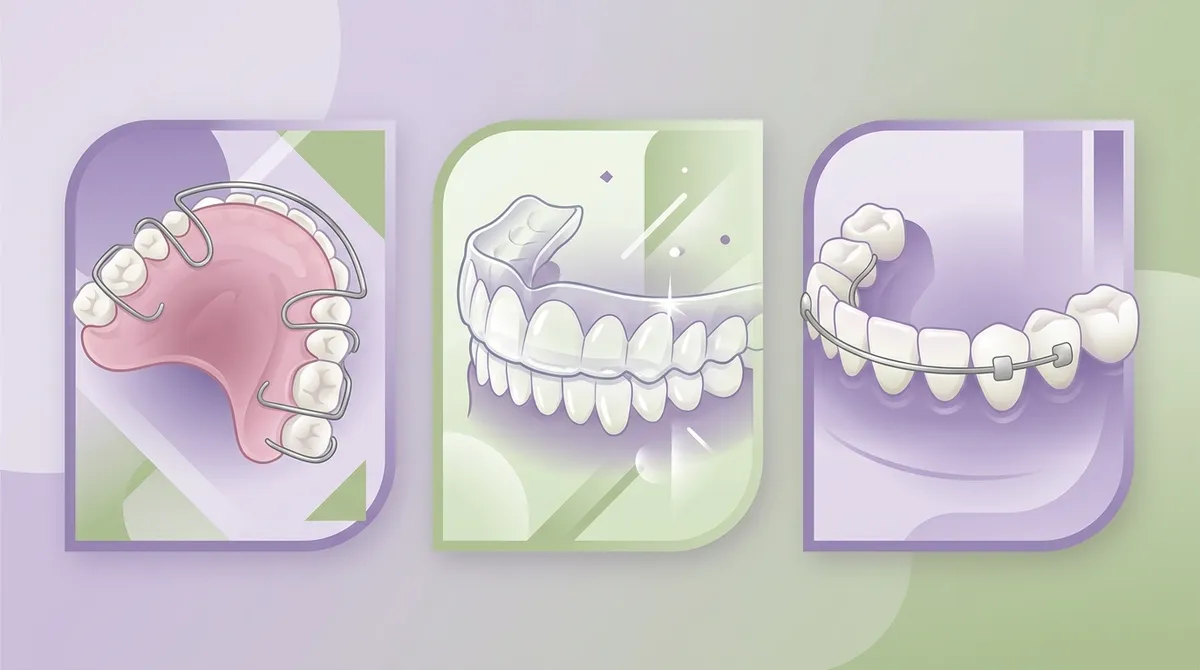
The Three Main Types of Retainers
Before we talk numbers, it helps to know what kind of retainer you’re dealing with. Each type has a different price range, and your insurance coverage may vary depending on which one your orthodontist recommends.
- Hawley Retainer: This is the classic wire-and-acrylic retainer you’ve probably seen before. It’s durable, adjustable, and long-lasting. Learn more 12 Hawley retainer facts every patient should know before deciding.
- Clear (Essix) Retainer: These look like thin, invisible trays — similar to clear aligners. They’re popular for being discreet and comfortable. What is a clear retainer and why do you need one? is a great read if you’re curious.
- Bonded (Permanent) Retainer: A thin wire is glued to the back of your teeth. It’s invisible and requires no daily effort — but cleaning takes a bit more care.
Retainer Costs: With Insurance vs. Without Insurance
Here’s the big comparison you came for. Let’s look at typical retainer costs side by side. Keep in mind these are general ranges — your specific costs depend on your location, insurance plan, and provider. For details on managing treatment costs, orthodontic financing options can be a big help.
| Retainer Type | Without Insurance | With Insurance (Est. Out-of-Pocket) | Typical Insurance Coverage |
|---|---|---|---|
| Hawley Retainer (per arch) | $150 – $300 | $75 – $150 | Up to 50% of cost |
| Clear (Essix) Retainer (per arch) | $100 – $250 | $50 – $125 | Up to 50% of cost |
| Bonded (Permanent) Retainer | $250 – $500 | $125 – $250 | Varies widely by plan |
| Replacement Retainer | $100 – $300 | $50 – $150 | Often limited or excluded |
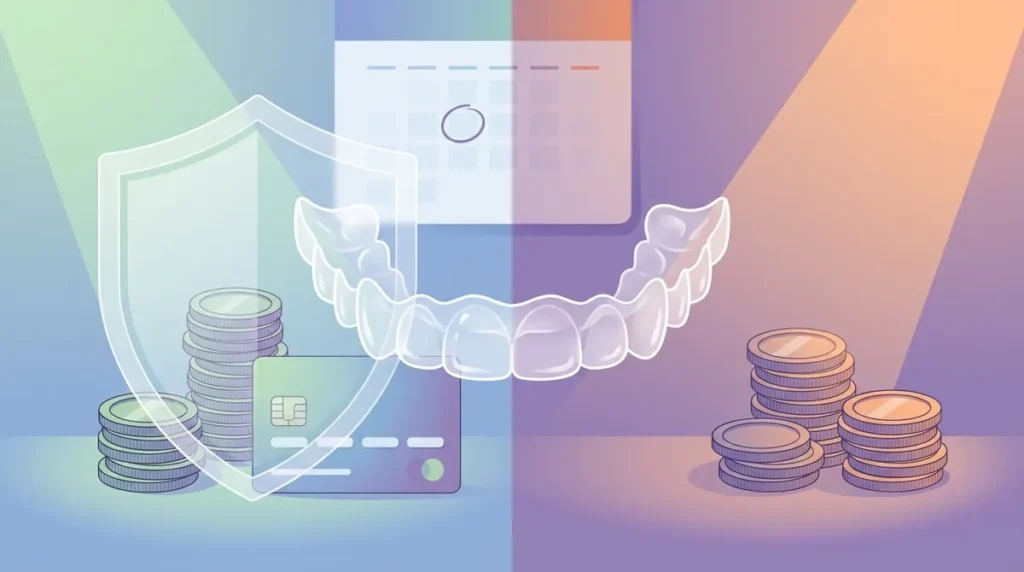
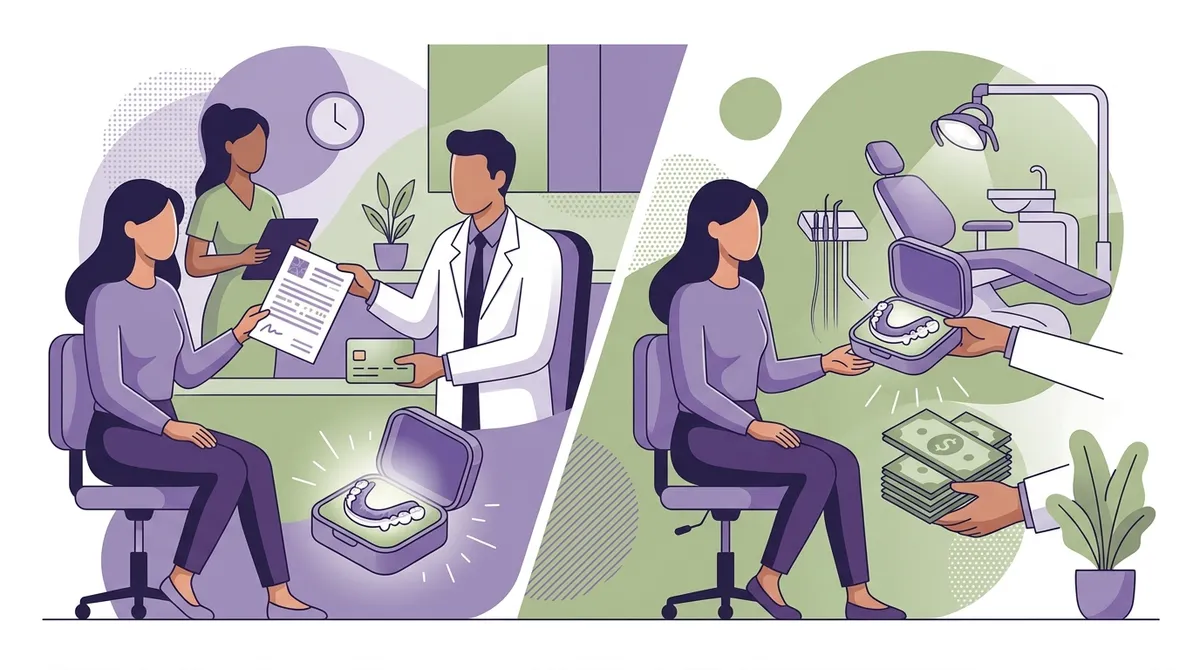
So how much do retainers cost with insurance? On average, you can expect to pay roughly 50% less than the out-of-pocket price when your dental or orthodontic insurance contributes. That’s a meaningful saving — especially when you factor in both upper and lower arches.
Does Dental Insurance Cover Retainers?
The short answer is: it depends on your plan. Most dental and orthodontic insurance policies do offer some coverage for retainers — but there are important conditions to know about.
- Orthodontic lifetime maximums: Many plans have a lifetime orthodontic benefit cap (often $1,000–$2,000). If you’ve already used most of this on braces, little may remain for your retainer.
- Age limits: Some plans only cover orthodontic treatment for children under 18 or 19. Adults may have limited or no coverage.
- In-network vs. out-of-network: Seeing an in-network orthodontist can significantly reduce what you pay out of pocket.
- Initial vs. replacement retainers: Most plans are more likely to cover your first retainer. Replacement retainers (lost or broken ones) are often not covered or require a waiting period.
- Plan type matters: A basic dental plan and a premium orthodontic plan will treat retainer coverage very differently.
For a deeper understanding of how treatment plans are structured financially, reading about how orthodontics payment plans actually work is a smart move. You can also explore 9 smart ways to make orthodontic financing work for you to stretch your dollars further.
How to Maximize Your Insurance for Retainers
Getting the most out of your insurance isn’t complicated — it just takes a little planning. Here are the steps to follow before your retainer appointment:
- Call your insurance provider first. Ask specifically about orthodontic retainer coverage, your remaining lifetime maximum, and any age restrictions.
- Ask your orthodontist’s office to verify benefits. Most practices will do a benefits check on your behalf before treatment begins. This is especially easy at a patient-centered office like Segovia Orthodontics, where the team is known for making the financial side stress-free.
- Request a pre-authorization or pre-determination. This gives you a written estimate from your insurer before you commit.
- Time your treatment strategically. If your plan resets at the beginning of the calendar year, scheduling your retainer in January gives you the full benefit period.
- Ask about FSA or HSA funds. Flexible Spending Accounts and Health Savings Accounts can often be used for retainers, which means tax-free dollars covering your costs.
What About Replacing a Lost or Broken Retainer?
It happens to the best of us — retainers get lost, accidentally thrown away, or broken. Replacement costs are a common concern, especially for parents of teens. Here’s what you need to know:
- Replacement retainers typically cost the same as the original, ranging from $100–$300 per arch.
- Most insurance plans do not cover replacement retainers, or they impose a waiting period of 6–12 months.
- Some orthodontic offices offer retainer protection plans or discounts for returning patients.
- Buying a backup set when you first get your retainer can save money in the long run.
If you’re worried about the cost of unexpected orthodontic needs, it’s worth exploring orthodontics financing: how to afford your best smile. And remember — if something breaks or feels urgent, knowing how to handle an orthodontic emergency can save you stress and money.
Retainer Costs for Kids vs. Adults: Is There a Difference?
Yes! Age does play a role — not just in biology, but also in insurance coverage and cost expectations.
| Patient Age Group | Typical Retainer Cost | Insurance Likelihood | Special Considerations |
|---|---|---|---|
| Children (under 18) | $200 – $600 (both arches) | Higher — most plans cover minors | Often included in overall orthodontic package |
| Teens (13–19) | $200 – $600 (both arches) | Moderate to high | Replacement risk is higher — ask about backup sets |
| Adults (20+) | $200 – $700 (both arches) | Lower — many plans limit adult ortho coverage | FSA/HSA options are worth exploring |
Adults who previously had orthodontic treatment and are dealing with smile relapse should especially look into adult orthodontics mistakes you should never make. Wearing your retainer consistently is at the very top of that list!
Tips for Keeping Retainer Costs Low
Whether you have great insurance or none at all, these practical tips can help you save money on retainer care over the long term.
- Wear it consistently: The best way to avoid costly replacement or retreatment is to simply wear your retainer as prescribed.
- Clean it properly: Proper care extends retainer life. Avoid heat, which can warp clear retainers.
- Store it safely: Always put it in its case when not in use. Most retainers meet their end in napkins or school lunch trays!
- Ask about package deals: Some orthodontic practices include the first set of retainers in the overall treatment fee.
- Use in-network providers: Sticking to your insurance network keeps costs predictable and lower.
Want to stay connected and get helpful tips on keeping your smile in great shape? Follow along on our Instagram page or connect with the community on our Facebook page for updates, smile inspiration, and patient stories.
Why Choosing a Board-Certified Orthodontist Matters for Retainer Care
Not all retainers are created equal — and neither are all providers. A board-certified orthodontist brings a higher level of training and accountability to your care. This means your retainer will be custom-fitted for your exact bite and smile, not a one-size-fits-all solution.
The American Board of Orthodontics sets the standard for excellence in the field. When your orthodontist holds this certification, you’re getting care backed by rigorous testing and ongoing education — which matters when it comes to something as important as protecting your smile long-term.
At Segovia Orthodontics in Lakewood Ranch, FL, Dr. Flor Segovia is a board-certified orthodontist committed to personalized care for every patient. Whether you need your first retainer or a replacement set, the team is here to walk you through costs, insurance, and financing so you’re never caught off guard. You can also visit us on Google — Segovia Orthodontics to read patient reviews and see what families in the Lakewood Ranch area are saying about their experience.
Life in Lakewood Ranch is active and beautiful — whether you’re enjoying outdoor adventures with Gulfside Adventures or building your business with the help of Brain Buzz Marketing. Your smile should keep up with your lifestyle — and a well-fitting retainer makes sure it does.
Your Next Step Toward a Lasting Smile
Understanding how much retainers cost with insurance puts you in the driver’s seat. Whether you’re covering your own care or budgeting for your child’s post-treatment retainer, knowing the numbers — and how to work your insurance — makes all the difference. A little planning now saves a lot of money (and teeth-shifting!) later.
Have questions about retainer costs, insurance coverage, or financing at our Lakewood Ranch practice? We’d love to help! Schedule your appointment with our team today and let us make protecting your smile as easy and affordable as possible. You can also call us at 941-557-1333 — we’re always happy to chat!
FAQs
Q: How much do retainers cost with insurance on average?
A: With insurance, most patients pay around 50% of the total retainer cost — so roughly $50 to $150 per arch depending on the type. Your exact savings depend on your plan’s orthodontic benefit, lifetime maximum, and whether your provider is in-network. It’s always a great idea to call your insurer before your appointment so there are no surprises!
Q: Does dental insurance cover retainer replacements if I lose mine?
A: Unfortunately, most dental and orthodontic insurance plans either exclude replacement retainers or require a waiting period of 6 to 12 months before covering a new one. To avoid unexpected costs, always store your retainer in its case and ask your orthodontist about backup sets or retainer protection plans when you first get fitted.
Q: Are retainers included in the overall cost of braces or clear aligner treatment?
A: Many orthodontic practices include the initial set of retainers as part of the full treatment package — but this varies by provider and treatment plan. It’s a really smart question to ask during your first consultation! Be sure to clarify what’s included before signing off on your treatment plan.
Q: Can I use an FSA or HSA to pay for retainers?
A: Yes! Flexible Spending Accounts (FSA) and Health Savings Accounts (HSA) can typically be used for orthodontic retainers since they qualify as a dental health expense. Using pre-tax dollars this way can save you 20–30% compared to paying out of pocket — making it a fantastic option especially for adults whose insurance coverage may be limited.
Q: Does adult orthodontic insurance cover retainers the same way it covers braces?
A: Not always — adult orthodontic coverage tends to be more limited than coverage for children. Some plans have age cutoffs or lower lifetime maximums for adults. However, your orthodontic office can verify your benefits and help you understand exactly what’s covered. Exploring financing options is always a helpful backup plan too!