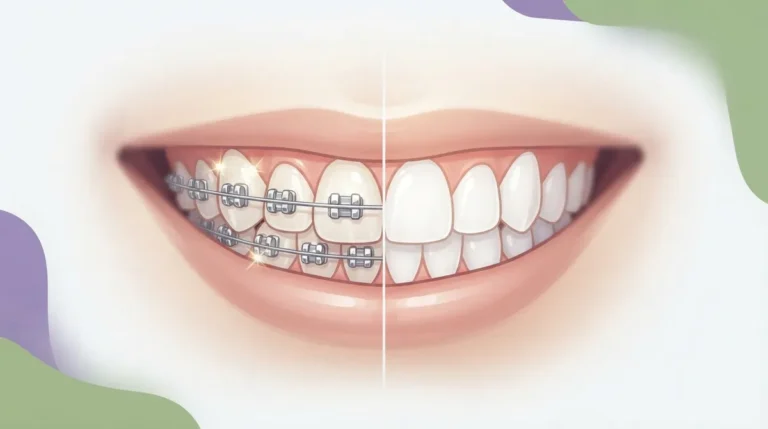
Key Takeaways
-
Fixed retainers are thin wires bonded to the back of your teeth that work 24/7 without requiring compliance, making them ideal for patients who struggle with removable retainer consistency.
-
Proper care extends fixed retainer lifespan to 10-20+ years; use floss threaders, water flossers, or superfloss daily and avoid hard, crunchy, or sticky foods that can damage the wire.
-
Fixed retainers are especially beneficial for cases with severe crowding, large gaps, or high relapse risk, and for children/teens who may forget removable retainers.
-
Most orthodontists recommend combining fixed retainers on lower front teeth with removable retainers to maintain overall bite and back teeth positioning for complete protection.
-
Contact your orthodontist immediately if your retainer feels loose, teeth start shifting, or bonding points come off, as broken retainers allow rapid tooth movement and relapse.
-
Placement is quick and painless (under 30 minutes), hidden behind teeth for aesthetics, doesn’t affect speech, and removal is simple if needed without undoing treatment results.
You finally finished your orthodontic treatment — braces off, smile looking amazing! But your orthodontist mentions something called fixed retainers, and suddenly you have a hundred questions. What are they? Do you really need one? How do you take care of them? Don’t worry — we’ve got you covered! Fixed retainers are a fantastic tool for keeping your smile straight for years to come, and understanding them makes the whole process so much easier. Whether you’re a mom researching options for your child, a young professional who just finished treatment, or an adult getting back on track after relapse, this guide is for you. Let’s walk through 14 important things every patient should know about fixed retainers before, during, and after they’re placed. By the end, you’ll feel confident and informed — ready to protect that beautiful smile you worked so hard to achieve!
What Are Fixed Retainers?
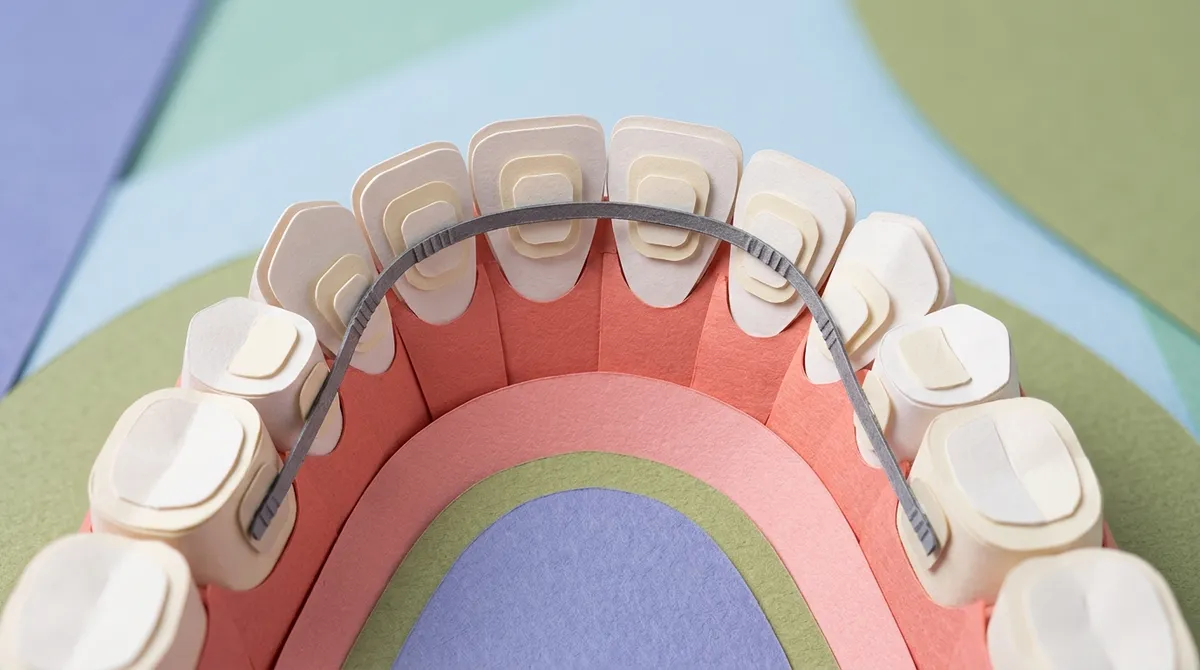
A fixed retainer (also called a permanent or bonded retainer) is a thin wire bonded directly to the back of your teeth. Unlike removable retainers, you cannot take it in and out. It stays in place 24/7, quietly working to keep your teeth from shifting. You can learn more about all your retainer options by visiting our orthodontic retainers page.
14 Things You Need to Know About Fixed Retainers
1. They Are Bonded to the Back of Your Teeth
Fixed retainers are glued to the tongue-side surface of your teeth — usually the lower front teeth. Because they’re on the back, nobody can see them. That’s great news for anyone worried about aesthetics. Your smile looks natural and clean while the wire does all the work behind the scenes.
2. They Work Around the Clock
One of the biggest benefits of fixed retainers is that they never take a day off. Since they’re permanently attached, there’s no risk of forgetting to wear them. For patients who struggle with removable retainer compliance, this is a game-changer. Your teeth stay in position without any effort on your part.
3. They Are Most Commonly Placed on Lower Front Teeth
Lower front teeth tend to shift more than any other teeth after treatment. This is why fixed retainers are most often bonded to the lower arch. However, your orthodontist may also recommend one for the upper teeth depending on your specific case. Every smile is unique, so your retainer plan will be personalized too.
4. They Can Last Many Years With Proper Care
A well-maintained fixed retainer can last 10 to 20 years or even longer. The key is proper oral hygiene and regular dental checkups. Small chips or breaks can happen over time, but these are usually easy to fix. Treating your retainer well means your straight smile can last a lifetime. For more details about your long-term smile plan, check out our adult orthodontics page.
5. Flossing Requires a Little Extra Effort
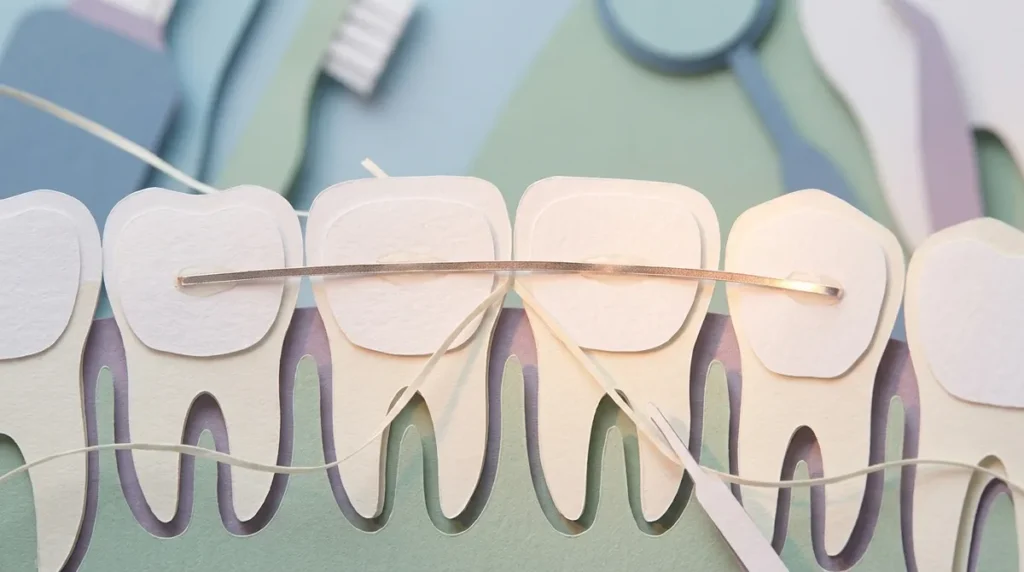
Since the wire runs across your teeth, regular flossing requires a floss threader or specialized floss. It takes a bit more time at first, but most patients get the hang of it quickly. Water flossers are also a popular and effective option. Good flossing habits are essential to prevent plaque buildup around the wire.
Here are the best tools for cleaning around fixed retainers:
- Floss threaders (inexpensive and easy to find)
- Interdental brushes (small brushes that slide between teeth)
- Water flossers (great for thorough cleaning)
- Superfloss (pre-threaded floss designed for retainers and braces)
- Proxy brushes (ideal for tight spaces)
6. They Don’t Replace Removable Retainers Entirely
Many orthodontists recommend wearing a removable retainer in addition to your fixed one. The fixed retainer holds the front teeth in place, while the removable retainer helps maintain the bite and positions of back teeth. Think of them as a team working together. Using both gives you the most complete protection. You can explore your options further on our page about what a clear retainer is and why you need one.
7. Placement Is Quick and Painless
Getting a fixed retainer placed is a simple procedure. Your orthodontist cleans and dries the teeth, applies a bonding agent, positions the wire, and secures it with dental cement. The whole process usually takes less than 30 minutes. Most patients feel little to no discomfort during or after placement.
8. They Can Break or Come Loose
Fixed retainers are durable, but they’re not indestructible. Hard, crunchy, or sticky foods can damage the wire or loosen the bonding. If your retainer breaks, it’s important to contact your orthodontist right away. A broken retainer means your teeth can start shifting again. The orthodontic emergency page has helpful guidance if something unexpected happens.
Foods to avoid with fixed retainers include:
- Hard candies and ice
- Sticky or chewy sweets like taffy
- Crunchy chips and nuts
- Biting directly into hard fruits or vegetables
9. Regular Checkups Keep Them in Good Shape
Your dentist or orthodontist will check your fixed retainer at routine appointments. They’ll look for loose bonds, broken wires, or buildup of tartar around the metal. Catching small issues early prevents bigger problems later. Don’t skip your regular visits — they’re a key part of keeping your retainer working well. You can schedule your next visit easily online.
10. They’re Ideal for Patients Who Had Significant Crowding
If your teeth were very crowded or rotated before treatment, they have a strong memory of their original positions. Fixed retainers are especially helpful for these cases because they provide constant, reliable retention. Without a fixed retainer, relapsed crowding can happen faster than you might expect. Your orthodontist will let you know if your case is a strong candidate.
Patients who benefit most from fixed retainers typically include:
- Those with a history of severe crowding
- Patients who closed large gaps or spaces
- People with a strong tendency for teeth to shift
- Adults returning for treatment after relapse
- Young patients who may not be reliable with removable retainers
11. They Don’t Affect Speech
Many people worry that a wire on the back of their teeth will affect how they talk. For most patients, there is little to no change in speech after placement. Any slight adjustment period is usually very short — often just a day or two. You’ll be talking normally before you know it!
12. Children and Teens Benefit Greatly From Them
Kids and teenagers don’t always remember to wear removable retainers consistently. A fixed retainer solves that problem entirely. For parents who want peace of mind that their child’s results will last, a bonded retainer is often the best choice. If you’re exploring options for your child, our teen orthodontic treatment page has more helpful information.
13. Removal Is Simple When Needed
If your fixed retainer needs to be replaced or removed for any reason, the process is straightforward. Your orthodontist uses a special tool to gently remove the bonding material and wire without harming your teeth. This is typically quick and comfortable. Rest assured — having it removed won’t undo your treatment results as long as a replacement plan is in place.
14. Working With a Board-Certified Orthodontist Matters
Getting your fixed retainer placed and monitored by a qualified professional makes all the difference. A board-certified orthodontist has the training and expertise to assess your specific needs and recommend the right retainer approach. The American Board of Orthodontics sets the highest standards in the field, ensuring patients receive the best possible care. At Segovia Orthodontics, Dr. Flor Segovia and her team are committed to providing expert, personalized care to every patient.
Comparing Retainer Types at a Glance
| Feature | Fixed Retainer | Removable Retainer | Clear Aligner Retainer |
|---|---|---|---|
| Visibility | Hidden (back of teeth) | Visible when worn | Nearly invisible |
| Wear Time | 24/7 (no effort needed) | Patient-dependent | Patient-dependent |
| Compliance Required | None | High | High |
| Cleaning Difficulty | Requires special tools | Easy (removable) | Easy (removable) |
| Durability | 10–20+ years | 1–5 years | 1–3 years |
| Best For | High-shift-risk cases | General retention | Aesthetic-focused patients |
Step-by-Step: What to Expect When Getting a Fixed Retainer
- Consultation: Your orthodontist evaluates your smile and recommends whether a fixed retainer is right for you.
- Preparation: The teeth are cleaned and dried thoroughly before bonding.
- Wire Fitting: The orthodontist custom-bends a thin wire to fit snugly against the back of your teeth.
- Bonding: A dental adhesive is applied to each tooth where the wire will attach, then cured with a special light.
- Final Check: Your bite is checked to make sure the retainer doesn’t cause any interference.
- Hygiene Instructions: You receive guidance on how to clean around your new retainer properly.
- Follow-Up Visits: Regular checkups ensure your retainer stays secure and effective long-term.
How to Care for Your Fixed Retainer Daily
- Brush thoroughly twice a day, paying extra attention to the area around the wire.
- Use a floss threader or water flosser every day to clean between teeth.
- Avoid biting into very hard foods with your front teeth.
- Visit your dentist every six months for professional cleanings and retainer checks.
Staying on top of these habits means your fixed retainer will keep doing its job for years. If you ever notice something feels loose or different, don’t wait — reach out to your orthodontist promptly. You can also call us at 941-557-1333 if you have any questions or concerns about your retainer.
Signs Your Fixed Retainer Needs Attention
- The wire feels loose or is poking your tongue
- You notice a gap starting to form between your teeth
- There’s unusual discomfort or pressure around the wire
- You can see that one of the bonding points has come off
- Your dentist spots tartar buildup or gum irritation during a checkup
If you experience any of these signs, don’t panic! It’s usually a quick fix. Visit our orthodontic emergency resource page to learn what steps to take. You can also follow along on our Instagram page for helpful tips and updates from our Lakewood Ranch office.
Why Retainers Are Worth Every Bit of Effort
All that time in braces or aligners was an investment — and fixed retainers help protect that investment. Teeth will naturally try to shift back toward their original positions after treatment. This process (called relapse) can happen slowly and silently, which is why retention is so important. If you’re curious about what can go wrong without proper retention, our guide on adult orthodontics mistakes you should never make is a great read.
Skipping retention is one of the most common reasons adults end up needing treatment again later in life. Don’t let that be your story! With a good fixed retainer and proper care, your straight smile can truly last forever. For inspiration and community, check out our Facebook page where patients share their smile journeys.
Ready to Protect Your Smile for Good?
Whether you’re just finishing up treatment or you’re thinking about returning to fix some relapse, the team at Segovia Orthodontics is here to help guide you every step of the way. Dr. Flor Segovia and her warm, friendly team love helping patients of all ages maintain beautiful, healthy smiles. You can visit us on Google — Segovia Orthodontics to read reviews from happy patients in the Lakewood Ranch area. When you’re ready, request an appointment today and let’s make sure your smile stays as beautiful as the day your braces came off!
FAQs
Q: How long do fixed retainers last?
A: With good care, fixed retainers can last anywhere from 10 to 20 years or even longer! Regular dental checkups and avoiding hard or sticky foods will help keep yours in great shape for the long haul.
Q: Can I eat normally with a fixed retainer?
A: For the most part, yes! You’ll just want to be careful with very hard, crunchy, or sticky foods that could bend or loosen the wire. Once you get used to a few small adjustments, eating feels totally normal.
Q: Do fixed retainers hurt?
A: The placement process is quick and painless for most patients. You might feel a little tenderness or pressure for the first day or two as your mouth adjusts, but it typically fades quickly — nothing to worry about!
Q: Do I still need a removable retainer if I have a fixed one?
A: Many orthodontists recommend using both types together for the best results. Your fixed retainer holds the front teeth steady, while a removable retainer helps maintain your overall bite and back teeth positioning.
Q: What should I do if my fixed retainer breaks?
A: Don’t wait — contact your orthodontist as soon as you notice something feels off! A broken fixed retainer can allow teeth to shift quickly, so getting it repaired promptly is really important for protecting your smile.