Key Takeaways
-
Schedule your child’s first orthodontic evaluation by age 7 to catch jaw and bite issues early, even if teeth appear fine—early intervention can save time, money, and stress.
-
Commit to daily care habits including brushing after meals, daily flossing with threaders, and wearing retainers after treatment to maintain results for life.
-
Choose a board-certified orthodontist who completed specialized residency training and passed rigorous exams, ensuring advanced expertise in jaw mechanics and tooth movement.
-
Explore discreet treatment options like clear aligners or ceramic braces for teens and adults who want effective results without visible metal.
-
Address orthodontic relapse promptly if your teeth have shifted since previous treatment—retreatment is often faster and simpler than the original treatment.
-
Ask about flexible financing and payment plans at your consultation, as many practices make orthodontic care affordable and accessible regardless of budget.
Starting your orthodontic journey can feel overwhelming. Whether you’re a parent looking into braces for your child, a young professional considering clear aligners, or an adult ready to finally fix your smile — the questions never seem to end. What treatment is right for me? When should my child see an orthodontist? How long will it take? We hear you, and we’ve got answers.
The good news? Getting solid orthodontic advice doesn’t have to be complicated. In this article, we’re breaking down the most important guidance that orthodontic experts share with their patients every day. Think of this as your friendly, no-fluff guide to making smart decisions about your smile. Ready? Let’s dive in.
When Should You First See an Orthodontist?
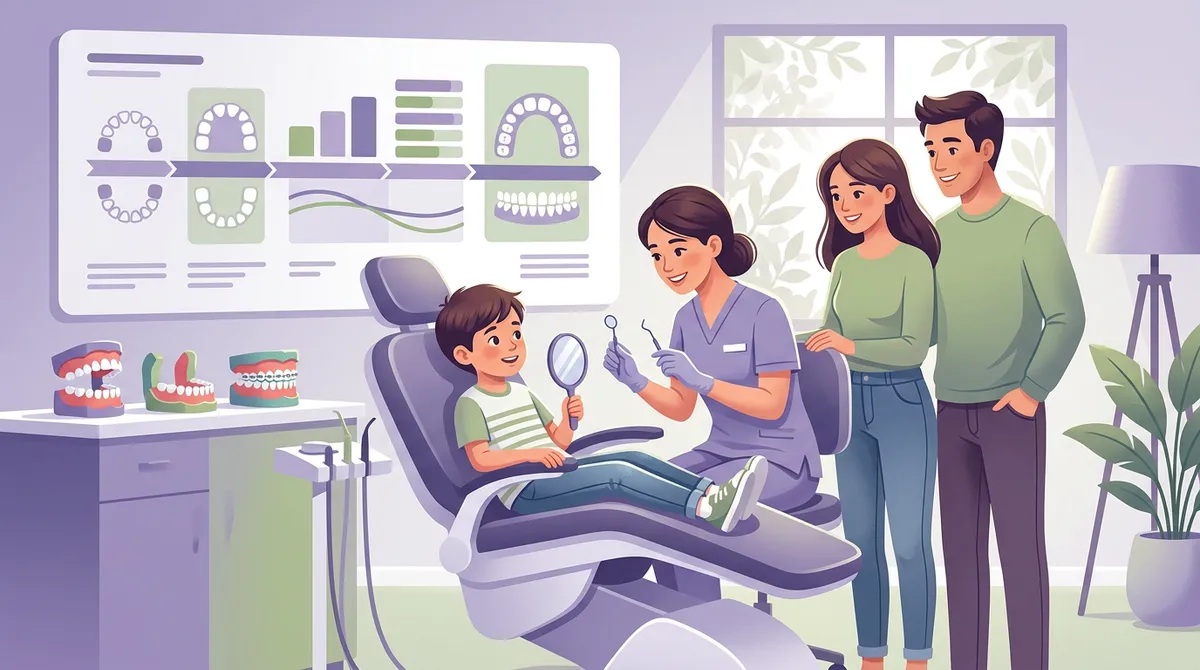
Timing matters more than most people realize. The American Board of Orthodontics recommends that children have their first orthodontic evaluation by age 7. Why so early? Because permanent teeth are just beginning to come in, and a trained eye can catch small problems before they grow into big ones.
Don’t panic if your child has a few crooked teeth at age 7. Most kids won’t need treatment that early. But an early check-in gives the orthodontist a chance to monitor jaw development, tooth spacing, and bite patterns over time. This is what’s known as early orthodontic treatment, and it can save time, money, and stress down the road.
For adults, there’s no “too late.” More adults than ever are seeking orthodontic care in 2026. Whether you’re 25 or 55, a healthy smile is always worth investing in.

Top Orthodontic Advice for Every Stage of Life
Great orthodontic advice looks a little different depending on your age and situation. Here’s a breakdown by life stage to help you find what applies to you.
Advice for Parents of Young Children
- Schedule that first visit by age 7. Even if everything looks fine to you, a professional evaluation catches hidden issues early.
- Watch for warning signs. Thumb sucking past age 5, mouth breathing, or difficulty chewing can all signal orthodontic concerns.
- Ask about Phase 1 treatment. Some children benefit from early intervention before all permanent teeth erupt. Your orthodontist will tell you if this applies to your child.
Visiting your first orthodontic visit page can help you know what to expect so your child feels comfortable and prepared.
Advice for Teens
- Commit to your treatment plan. Skipping appointments or ignoring instructions slows your progress. Consistency is key.
- Wear your elastics as directed. Rubber bands play a huge role in fixing your bite. Don’t skip them!
- Take care of your braces. Avoid sticky, hard, or chewy foods that can damage brackets and wires.
- Talk to your orthodontist. If something feels off — a loose wire, soreness, or discomfort — speak up. Problems are always easier to fix early.
Check out our guide to teen orthodontic treatment for more helpful tips tailored to busy student life.
Advice for Adults
- Explore discreet options. Clear aligners and ceramic braces are popular for adults who want effective treatment without visible metal.
- Don’t ignore relapse. If you had braces as a teenager and your teeth have shifted, you’re not alone. Getting back on track is easier than you think.
- Ask about financing. Orthodontic care is an investment. Many practices offer flexible payment plans to make it affordable.
Learn more about adult orthodontics and why more adults than ever are choosing to straighten their smiles.
What Are the Most Common Orthodontic Problems?
Understanding what orthodontists treat helps you know when to seek care. Here are some of the most frequently addressed issues:
- Crowding: Teeth that are too close together or overlapping
- Spacing: Gaps between teeth that affect appearance and function
- Overbite: Upper front teeth that overlap too far over lower teeth
- Underbite: Lower teeth that sit in front of upper teeth when biting
- Crossbite: Upper teeth that fit inside the lower teeth on one or both sides
- Open bite: Front teeth that don’t touch when the mouth is closed
If you recognize any of these in yourself or your child, it’s worth getting a professional opinion. Visit our page on common orthodontic problems for a deeper look at each issue and how they’re treated.
Choosing the Right Treatment: A Quick Comparison
One of the most common questions people ask is: “Which treatment is best for me?” Here’s a simple comparison to help guide your thinking.
| Treatment Type | Best For | Visibility | Estimated Duration |
|---|---|---|---|
| Traditional Metal Braces | Children, teens, complex cases | Visible | 18–36 months |
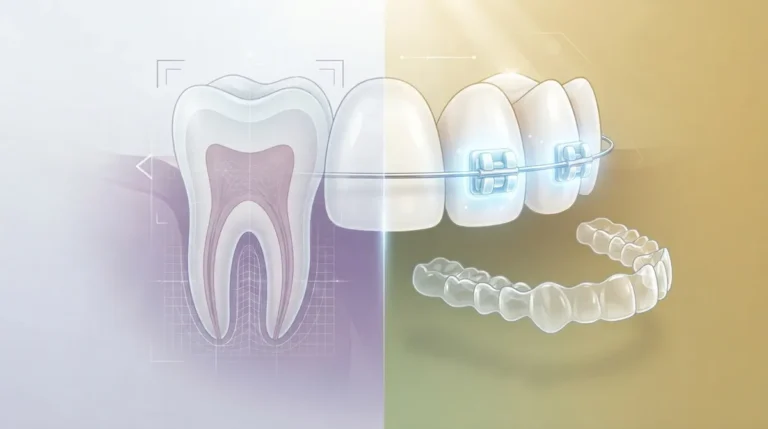
| Clear Ceramic Braces | Teens and adults who want less visibility | Low visibility | 18–36 months |
| Clear Aligners | Adults and teens with mild to moderate cases | Nearly invisible | 6–24 months |
| LightForce Custom Braces | Patients wanting precision, custom fit | Low profile | Varies |
Want to dig deeper into your options? Explore the types of braces we offer or learn more about LightForce Orthodontics — a cutting-edge custom braces system available at our practice.
Daily Habits That Support Orthodontic Treatment
Good orthodontic advice isn’t just about choosing the right appliance. It’s also about how you care for your smile every single day. Here are daily habits that make a real difference:
- Brush after every meal. Food gets trapped easily in braces. Brushing regularly prevents cavities and gum problems.
- Floss daily. Use a floss threader or water flosser to clean between teeth and around wires.
- Wear your retainer. After active treatment ends, your retainer is what keeps your results for life. Don’t skip it!
- Stay on schedule. Regular adjustment appointments keep your treatment moving on track.
- Protect your appliance during sports. Wear a mouthguard to protect your braces or aligners during physical activity.
After your treatment is complete, maintaining your results is critical. Learn everything you need to know about orthodontic retainers and why they’re the unsung heroes of a lasting smile.
What to Do in an Orthodontic Emergency
Life happens. Wires poke. Brackets pop off. It can feel scary, but most orthodontic emergencies are more uncomfortable than dangerous. Here’s what to do:
- Poking wire: Use a pencil eraser or clean cotton swab to gently push the wire flat against your tooth. Apply orthodontic wax for comfort.
- Loose bracket: Leave it in place if possible and call your orthodontist. Avoid eating hard or sticky foods until it’s fixed.
- Lost aligner: Wear the previous tray to hold your position and contact your provider right away.
- Mouth sores: Rinse with warm salt water. Apply orthodontic wax to any sharp edges causing irritation.
Our orthodontic emergency page has detailed guidance for every situation. When in doubt, don’t wait — call us at 941-557-1333 and we’ll help you figure out next steps.
Why Working with a Board-Certified Orthodontist Matters
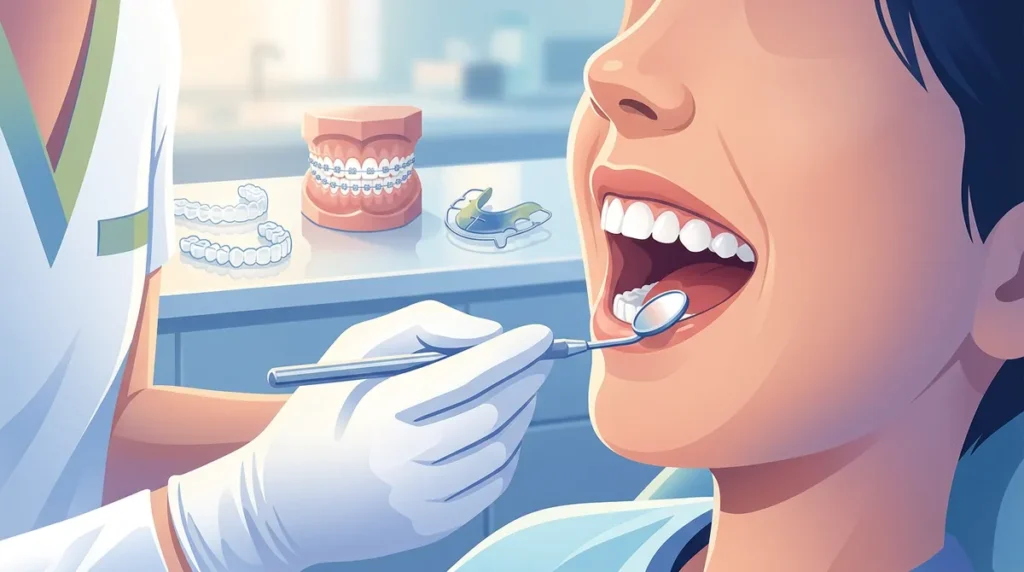
Not all dental providers who offer braces or aligners have the same level of specialized training. A board-certified orthodontist has completed an accredited orthodontic residency program — typically two to three years beyond dental school — and passed rigorous exams to earn certification.
This extra training means they have a deep understanding of jaw mechanics, tooth movement, and facial development. It means your care is guided by someone with advanced expertise, not just general dental knowledge. Learn why working with a board-certified orthodontist makes a meaningful difference in your treatment outcome.
At Segovia Orthodontics, Dr. Flor Segovia is a board-certified orthodontist who brings both expertise and genuine warmth to every patient interaction. She provides bilingual care in English and Spanish and uses advanced orthodontic technology to deliver precise, efficient results. You can read more about her approach and philosophy on the Dr. Flor Segovia page.
Making Orthodontic Care Affordable
Cost is one of the most common reasons people delay treatment. But here’s some encouraging news: orthodontic care is more accessible than ever. Many orthodontic practices — including ours — offer flexible financing options, in-house payment plans, and accept a wide range of dental insurance plans.
The key is to ask during your consultation. Don’t assume treatment is out of reach before you’ve explored your options. Our orthodontic financing page outlines how we help make smile transformations fit any budget.
Questions to Ask at Your Consultation
Walking into your first consultation armed with good questions puts you in the driver’s seat. Here are some smart ones to bring:
- What treatment options are available for my specific case?
- How long will treatment take, and what factors could change that?
- What are the total costs, and what financing options do you offer?
- What happens after treatment ends? Will I need a retainer?
- How will this affect my daily life — eating, speaking, sports?
A good orthodontist welcomes these questions. It’s a sign of an engaged patient, and that makes the whole experience better for everyone.
You can also browse our FAQ on orthodontic treatment for answers to the most common questions our patients ask before starting care.
Stay Connected and Informed
Staying informed about your orthodontic journey makes the whole experience smoother and more enjoyable. Follow along with tips, patient stories, and practice updates by visiting our Facebook page and our Instagram page. We love sharing helpful orthodontic advice, smile reveals, and behind-the-scenes glimpses of our team!
Your Smile Journey Starts with One Step
The best orthodontic advice we can give you? Don’t wait. Whether your concern is big or small, an expert consultation is the smartest first step you can take. Early action almost always leads to better outcomes, shorter treatment times, and lower costs overall.
At Segovia Orthodontics at Lakewood Ranch, we’re here to make your smile journey feel exciting — not stressful. Our team is warm, knowledgeable, and genuinely invested in your results. Visit us on Google to see what our patients are saying, and then come experience it for yourself.
Ready to take that first step? We’d love to meet you and your family. Request an appointment today and let’s start building the smile you’ve always wanted — together.
FAQs
Q: At what age should my child first see an orthodontist?
A: The American Board of Orthodontics recommends scheduling your child’s first orthodontic evaluation by age 7. Don’t worry — most kids won’t need treatment that early, but an early check helps the orthodontist spot any jaw or bite issues before they become harder to correct. Think of it as a friendly head start for your child’s smile!
Q: How long does orthodontic treatment usually take?
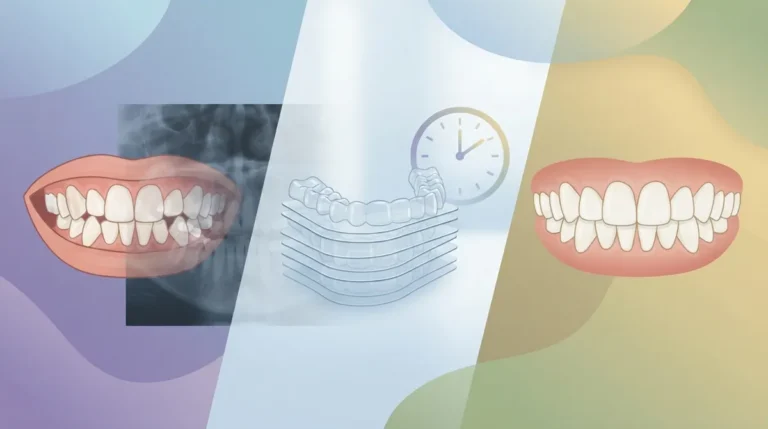
A: Treatment length varies depending on the complexity of each case and the type of treatment chosen. On average, most patients complete treatment in 12 to 36 months. Clear aligners for mild cases can sometimes be faster, while more complex bite corrections may take longer. Your orthodontist will give you a personalized timeline at your consultation.
Q: Is orthodontic treatment only for kids and teens?
A: Absolutely not! Adults of all ages are excellent candidates for orthodontic treatment, and the options available in 2026 are more discreet and convenient than ever. Clear aligners and ceramic braces are especially popular with adults who want effective results without a mouth full of metal. It’s never too late to love your smile.
Q: What should I do if I had braces before but my teeth have shifted?
A: Teeth shifting after braces is more common than you might think — it’s called orthodontic relapse, and it usually happens when retainer wear falls off. The great news is that retreatment is often faster and simpler than your original treatment. Talk to an orthodontist about your options, which may include clear aligners or a new set of retainers.
Q: How do I know if I need orthodontic treatment?
A: Some signs that orthodontic treatment may be beneficial include crowded or overlapping teeth, difficulty biting or chewing, jaw pain, gaps between teeth, or a noticeable overbite or underbite. The best way to know for sure is to schedule a consultation with a board-certified orthodontist who can evaluate your unique situation and recommend the right next steps.
Our Service Area