Key Takeaways
-
LightForce fixed braces with custom 3D-printed brackets can be used for many complex cases, including severe crowding, Class II/III bites, impacted teeth, extractions, and presurgical orthodontics.
-
Whether LightForce fits depends on your exact diagnosis, available tooth surface for bonding, existing appliances like molar tubes or bands, and your orthodontist's overall plan.
-
Research so far is promising but limited, mostly retrospective studies of simpler cases or single practices, so no one can guarantee faster or better results for complex cases.
-
Braces don't replace jaw surgery when it's needed; LightForce may prepare teeth before surgery, with timing coordinated between orthodontist and surgeon.
-
LightForce may not be suitable if a canine is planned for implant replacement, if rotations leave too little surface for bonding, or if you have existing bands or molar tubes.
-
Anyone with a nickel allergy should tell their orthodontist, since the metal brackets contain nickel, and ask about bracket breakage and emergency handling before starting.
If you’ve been told your bite or smile is “complicated,” it’s easy to feel a little worried. Maybe you’ve got serious crowding, a stubborn overbite, or a tooth that never came in. You may be wondering whether modern braces can really handle all that. You’re not alone, and the question is a good one.
So, can LightForce braces treat complex cases? In many situations, yes. LightForce is a fixed-braces system with custom 3D-printed brackets, and it can be used for many tougher orthodontic problems. But the full answer has a little more to it. The appliance is only one piece of the puzzle. Your orthodontist’s diagnosis and plan matter just as much.
In this friendly guide, we’ll walk through what “complex” really means, how LightForce works, which problems it may help with, and where it may not be the right fit. We’ll also share what the research says so far, and what to ask at your consultation. Whether you’re a parent, a busy professional, or an adult returning for a second round of treatment, you’ll leave with clear, honest answers.

What Makes an Orthodontic Case “Complex”?
Not every smile needs the same level of care. A “simple” case might involve mild spacing or a small amount of crowding. A complex case usually involves more moving parts, more risk, or more planning.
Common examples of common orthodontic problems that can become complex include:
- Severe crowding or very rotated teeth
- Class II bites (a larger overbite) or Class III bites (an underbite)
- Impacted teeth that are stuck under the gums
- Cases that need tooth extractions
- Cases coordinated with jaw surgery
- Teeth that previously moved back after earlier treatment
What makes these cases tricky is that teeth, bone, gums, and jaws all have to work together. Good planning and steady monitoring are key. That’s where a thoughtful, well-trained orthodontist makes the biggest difference.
How LightForce Braces Work
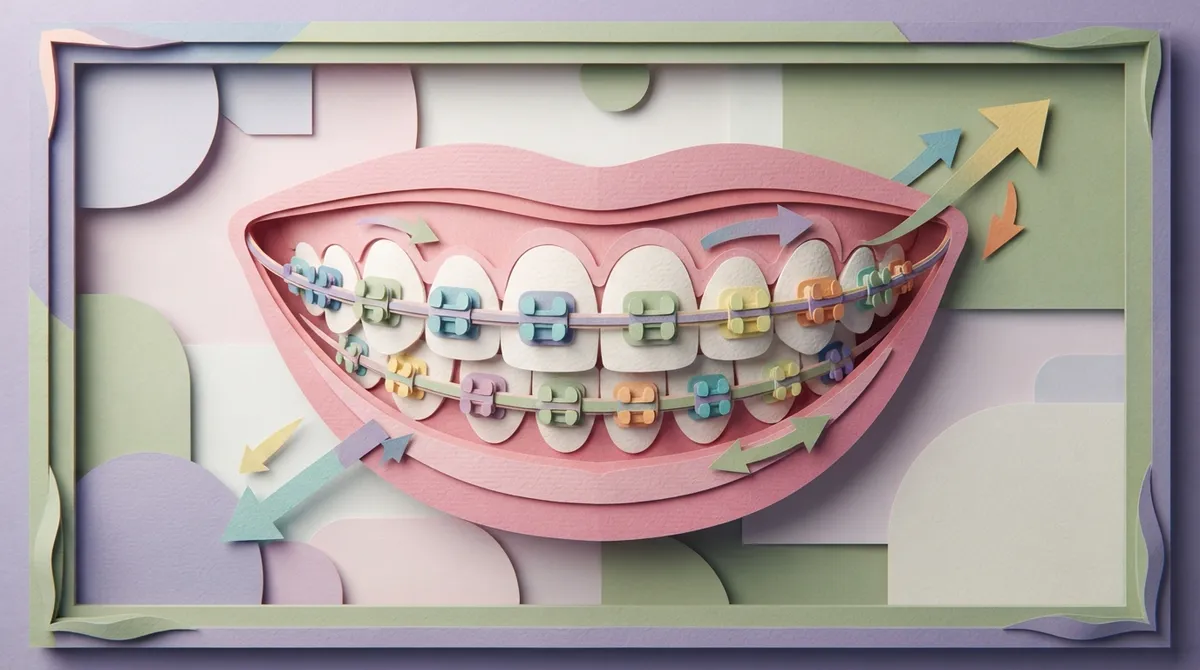
LightForce is a digital approach to fixed braces. Instead of using the same off-the-shelf bracket for every tooth, the system designs a bracket for each individual tooth. Here’s the basic process:
- Digital scans. Your orthodontist captures a 3D model of your teeth.
- Treatment planning. Software helps map out where each tooth should end up.
- Custom 3D printing. Brackets and placement trays are printed to match your teeth.
- Precise placement. The trays help position each bracket where the plan calls for it.
- Ongoing adjustments. Your orthodontist monitors progress and fine-tunes as needed.
Because the brackets are patient-specific, your orthodontist can plan movements with a high level of detail. If you’d like to see how this works in practice, you can read more about LightForce Orthodontics at our practice.
One helpful note: the FDA-cleared system is indicated for correcting malocclusion (bite problems) with patient-matched appliances. That clearance is a good sign of safety and intended use. It doesn’t mean LightForce is better than conventional braces for every case. Your orthodontist, not the appliance alone, decides what’s right for you.
Can LightForce Braces Treat Complex Cases? The Short Answer
Yes, LightForce braces can be used for many complex cases. Because they are fixed braces, they work with strong, steady forces and give your orthodontist good control over each tooth. That is why they may be considered for tougher problems that some removable options struggle with.
However, “can” isn’t the same as “will always.” Whether LightForce fits your case depends on:
- Your exact diagnosis and bite pattern
- The health of your teeth and gums
- How much tooth surface is available for bonding brackets
- Whether you have existing appliances in your mouth
- Your orthodontist’s overall treatment plan
In other words, the best plan is the one built around you, not around a single product.
Complex Problems LightForce May Help With
Let’s look at the kinds of challenges where LightForce is often discussed. Remember, each case is unique, and your orthodontist will confirm what applies to you.
Severe Crowding and Difficult Rotations
Crowded teeth can twist and overlap. Custom brackets can help your orthodontist plan how each tooth should rotate and shift into place. For tips on this common concern, our guide on how to fix crowded teeth is a great next read.
Overbites, Underbites, and Other Bite Problems
Class II and Class III bite problems often need careful, long-term planning. Fixed braces can be paired with elastics or other appliances when needed. If an underbite is your concern, take a look at the best options for underbite correction.
Impacted Teeth
When a tooth is stuck under the gum, orthodontists often work with other specialists to guide it into place. Braces can play an important role in making space and then helping the tooth move down safely.
Extraction Cases
Sometimes removing a tooth or two creates the space needed to align the rest. Fixed braces give strong control while spaces are closed and the bite is finished.
Cases Coordinated With Jaw Surgery
Published case reports describe LightForce being used in the presurgical phase before orthognathic (jaw) surgery. That’s an important detail, so let’s be clear: braces do not replace surgery when surgery is truly needed. They help prepare the teeth so the jaws and teeth fit well together after surgery.
What the Research Says (and Doesn’t Say)
It’s natural to want hard numbers. Here’s what we know, along with the honest limits.
| Study or Source | What It Found | Important Limits |
|---|---|---|
| 2026 retrospective study (94 patients, simple-to-moderate cases) | Average treatment time was 15.89 months for LightForce, 14.39 for clear aligners, and 27.79 for conventional braces. Treatment quality scores did not differ significantly. | Not complex cases. Provider experience may have affected results. |
| Single-practice comparison (75 non-extraction patients) | LightForce averaged 16.61 months vs. 20.59 for conventional braces, with fewer scheduled visits. The LightForce group had more broken brackets and emergency visits. | Small, retrospective, one practice. Hard to generalize. |
| Manufacturer-reported figures | Reports of fewer appointments, shorter treatment times, and fewer wire adjustments. | These come from the company. Results vary, and study details should be reviewed. |
The big takeaway? The early evidence is promising, but it is limited. Most studies are retrospective, meaning they look back at past patients. Many involve simpler cases or a single practice. So no one can promise that LightForce will make your complex case faster or better than another approach.
Customization may help your orthodontist plan with more precision. But it can’t remove the biological limits on how fast teeth can safely move. It also can’t replace good habits, like wearing elastics as directed and keeping your appointments.
When LightForce May Not Be the Right Fit
Being honest about limits builds trust, so let’s talk about them. The manufacturer’s instructions note situations where LightForce may not be supported, including:
- Some cases where a canine tooth is planned for implant replacement
- Severe rotations or crowding that leave too little tooth surface for bonding
- Cases with existing appliances such as molar tubes or bands
Compatibility is checked case by case. If LightForce isn’t a match, your orthodontist can suggest another path. You can explore your options in our overview of types of braces.
Other Things to Know Before You Start
As with any fixed braces, LightForce treatment can come with a few challenges:
- Some soreness after adjustments
- Possible bracket breakage
- Extra effort needed to keep teeth and gums clean
- Rare risks to enamel or gums if hygiene slips
- Occasional need for refinements or added appliances
The metal-bracket instructions also note that the product contains nickel, which can cause an allergic reaction in some people. If you know you have a nickel allergy, be sure to tell your orthodontist right away.
LightForce vs. Traditional Braces vs. Clear Aligners for Complex Cases
Choosing between options can feel overwhelming. This simple comparison may help you picture the differences. Keep in mind it’s a general guide, not a promise for any one person.
| Feature | LightForce Braces | Traditional Braces | Clear Aligners |
|---|---|---|---|
| Type | Fixed, custom 3D-printed brackets | Fixed, standard brackets | Removable clear trays |
| Planning | Digital, patient-specific | Hand-placed and adjusted | Digital, tray-based |
| Control over tooth movement | High (fixed) | High (fixed) | Varies by case |
| Depends on patient wear | Mostly no, except elastics | Mostly no, except elastics | Yes, wear time matters |
| Best for | Many mild to complex cases | Many mild to complex cases | Many mild to moderate cases |
Want to dig deeper? Our post on braces vs. clear aligners breaks down more of the pros and cons. If you tried aligners before and weren’t happy with the progress, a fixed option may be worth discussing, but only after a full exam.
How Different Patients May Benefit
Parents of Kids and Teens
If your child’s bite is complicated, you want a plan that is thorough and steady. Fixed braces mean treatment doesn’t depend on a young person remembering to wear trays. Check out our resources on teen orthodontic treatment and early orthodontic treatment to learn what to expect at each age.
Busy Adults and Professionals
Adults often want results that fit a packed schedule. Fewer surprises and a clear plan can help. LightForce offers clear or white bracket options for a more discreet look. You can learn more in our guide to adult orthodontics.
Adults Correcting Relapse
If your teeth shifted after past treatment, you’re in good company. Many adults come back to finish what they started. A careful evaluation will show whether the issue is minor or whether a more involved plan is needed.
Questions to Ask Your Orthodontist
A good consultation should feel like a conversation. Here are some questions that can help you feel confident:
- What exactly is my diagnosis, and why is it considered complex?
- Is LightForce a good fit for my teeth and my bite?
- Are there any reasons it might not work for me, such as existing appliances or limited tooth surface?
- What is a realistic timeline for my case, and what could change it?
- Will I need elastics, extractions, or other appliances?
- Could my case involve jaw surgery, and how would that be coordinated?
- What happens if a bracket breaks, and how do I handle an emergency?
It also helps to know the practice behind your care. Dr. Flor Segovia is a board-certified orthodontist, and you can confirm board certification through the American Board of Orthodontics. For more on our approach, see our page on advanced orthodontic technology.
What to Expect From Your First Visit
Your first appointment is all about listening and learning. Your orthodontist will look at your teeth, gums, and bite, and may take scans or images. You’ll talk about your goals, whether that’s a more confident smile for a big event or a healthier bite for the long run.
From there, you’ll get an honest recommendation, which may or may not include LightForce. If you’d like to know what the visit looks like, read about your first orthodontic visit. You can also browse reviews and updates from our community on our Facebook page and our Instagram page.
Making a Confident Decision
Complex orthodontic care is a big decision, and you deserve clear information without pressure. LightForce braces can be a strong option for many difficult cases, thanks to their custom design and fixed control. At the same time, they aren’t magic. No product can guarantee a particular result or timeline, and the right choice always depends on your unique diagnosis.
If you’re in the Lakewood Ranch area and want to see what the Segovia Orthodontics team has to say about your smile, you can read what patients share when you visit us on Google — Segovia Orthodontics. And when you’re ready to take the first step, we’d love to hear from you. You can request an appointment, contact us with questions, or call us at 941-557-1333. Together, we’ll build a plan that fits you.
FAQs
Q: Can LightForce braces correct a severe overbite or underbite?
A: They may be used as part of a plan for Class II and Class III bite problems, often with elastics or other appliances. Your orthodontist will decide if LightForce fits your bite, since some cases need extra steps or even surgery.
Q: Are LightForce braces better than traditional braces for complex cases?
A: Not necessarily. The custom design may help with planning and bracket placement, but research so far is limited and doesn’t prove they’re better for every complex case. The best choice depends on your diagnosis and your orthodontist’s plan.
Q: Can LightForce braces be used before or after jaw surgery?
A: Case reports describe LightForce being used to prepare teeth before jaw surgery. Braces don’t replace surgery when it’s needed, so your orthodontist and surgeon will coordinate the timing together.
Q: Who may not be a good candidate for LightForce braces?
A: Some cases may not be supported, such as certain canines planned for implants, severe crowding or rotations with too little tooth surface to bond, or existing bands and molar tubes. Anyone with a nickel allergy should also speak up, since metal brackets contain nickel.
Q: How long does LightForce treatment take for a complex case?
A: It varies a lot from person to person. Studies show promising time savings in simpler cases, but no one can promise a specific timeline for complex ones. Your orthodontist can give you a realistic estimate after your exam.
Our Service Area