Key Takeaways
-
Verify credentials by asking about dental school completion, accredited orthodontic residency completion, and board certification status—these are non-negotiable markers of a true specialist, not optional training.
-
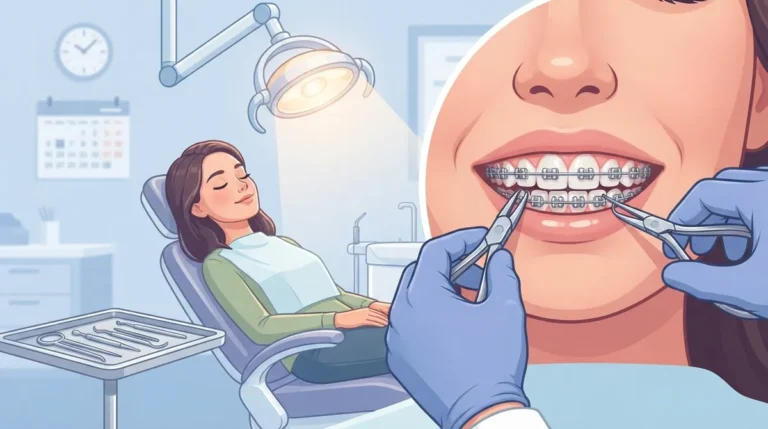
Demand a personalized treatment plan based on clinical exams, photos, and scans of your specific bite and jaw structure, not a generic one-size-fits-all approach that ignores individual complexity.
-
Request a realistic timeline specific to your case rather than fixed promises—comprehensive treatment typically takes 12-24 months depending on age, bite complexity, appliance type, and patient compliance.
-
Ensure the provider offers multiple treatment options including traditional braces, clear aligners, ceramic braces, and custom appliances so you're never boxed into one solution.
-
Confirm a long-term retention plan is built into treatment from day one, with clear follow-up schedules and support for retainer wear, since teeth naturally shift back without proper aftercare.
-
Ask about emergency protocols, appointment frequency, insurance acceptance, and financing options during your consultation to avoid surprises and ensure accessible, continuous care throughout treatment.
Picking someone to straighten your smile is a big decision. It’s not like picking a haircut place you can change next month. You want to get it right the first time. So how do you actually know if the person across the desk is a real orthodontics expert, or just someone selling you a nice smile with fancy words?
Good news: you don’t need a dental degree to figure this out. You just need to know what to look for. In this guide, we’ll walk through four clear signs that separate a true orthodontics expert from someone who simply calls themselves one. Whether you’re a mom booking your child’s first visit, a busy professional wanting fast results, or an adult ready to fix an old relapse, this article will help you feel confident in your choice. Let’s get started.

Why the Term “Orthodontics Expert” Actually Means Something
Not everyone who touches your teeth is an orthodontist. A general dentist can clean teeth, fill cavities, and even offer some basic aligner options. But an orthodontics expert is a different kind of specialist. This person has finished dental school, then gone on to complete two to three more years of focused residency training just on tooth movement, bite correction, and jaw growth.
That extra training matters. According to the American Association of Orthodontists, orthodontists are trained specifically in dentofacial orthopedics. That’s a fancy way of saying they understand how your jaw, teeth, and face work together as your child grows or as your bite shifts over time as an adult.
Here’s a quick look at how the numbers back this up:
| Group Treated | Share Handled by Orthodontists |
|---|---|
| All patients in treatment | 70% |
| Adults | 64% |
| Teens | 78% |
| Children ages 7-12 | 78% |
Those numbers come from the AAO’s 2024 Orthodontic Landscape Consumer Study. They show that most families still trust a true orthodontics expert over a general dentist or a mail-order aligner company. And there’s a reason for that. Let’s break down the four signs you should look for.

Sign 1: They Have Real, Verifiable Credentials
This is the easiest thing to check, and yet so many people skip it. A licensed orthodontist should be happy to tell you about their training. They completed dental school. Then they finished an accredited orthodontic residency. This is not optional training, it’s required to legally call yourself an orthodontist.
What to Ask During Your First Visit
Don’t feel awkward asking questions. A good practice wants you to ask. Here are a few things worth bringing up:
- Where did you complete your orthodontic residency?
- Are you board certified, and if so, through which organization?
- How many years have you been treating patients like me?
- Do you handle both braces and clear aligners in-house?
- What happens if I have a question between appointments?
Board certification through the American Board of Orthodontics is voluntary, which means not every licensed orthodontist chooses to pursue it. But those who do have gone through extra exams and ongoing education. It’s not a guarantee of a perfect outcome, but it does show a real commitment to staying sharp in the field. You can learn more about what board certification means for your care on our board certified orthodontist page.
Why This Matters More Than You Think
Some remote aligner companies mail you trays without ever doing a real clinical exam. The AAO’s 2024 consumer study found that 83% of people feel more confident in orthodontist-provided treatment compared to home-delivered aligner companies. That’s not a small gap. It tells you people care about having a real expert checking their progress in person.
Sign 2: They Build a Plan Around You, Not a One-Size-Fits-All Approach
A true orthodontics expert never hands you a generic treatment plan. Instead, they look at your whole mouth, your bite, your jaw growth, and your goals before suggesting anything. This usually includes photos, scans, and sometimes x-rays.
Common Conditions a Skilled Orthodontist Treats
- Crowded or overlapping teeth
- Excess spacing or gaps between teeth
- Overbites and underbites
- Crossbites and open bites
- Impacted teeth that haven’t come in properly
- Jaw growth issues that need early guidance
Every one of these conditions needs a different approach. That’s why cookie-cutter plans don’t work well. If you’re curious what specific problems might be affecting your own smile, our page on common orthodontic problems is a helpful starting point.
Treatment Options a Real Expert Should Offer
You should never feel boxed into just one option. A skilled provider offers a range of choices, such as:
- Traditional metal braces for reliable, budget-friendly results
- Clear or ceramic braces for a more subtle look
- Clear aligners for adults and teens who want something discreet
- Custom appliances like expanders for younger patients
- Fun bracket options for kids who want to enjoy the process
At Segovia Orthodontics, we offer WildSmiles Braces for kids who want a fun twist on traditional treatment, plus LightForce Orthodontics, a fully digital, custom-fit braces system that can speed up treatment time by up to 45%. We also offer Angel Aligners, a clear aligner option known for its comfortable fit and faster wear schedule. If you want to explore whether clear aligners fit your lifestyle, check out our clear aligners page for more details.
Sign 3: They Give You a Realistic Timeline, Not a Sales Pitch
Anyone promising a perfect smile in a fixed number of weeks, no matter your case, should raise a red flag. Real treatment length depends on many things.
Factors That Affect Your Treatment Time
- Your age and how much jaw growth is left
- How complex your bite issue really is
- The type of appliance you choose
- How well you follow instructions and wear your aligners or elastics
- Whether you keep up with appointments
Most comprehensive cases take around 12 to 24 months, but this is just a general range. A true expert gives you a number based on your actual mouth, not a marketing script. Curious what your first visit will look like? Read more on our first orthodontic visit page.
Life Events and Timing Your Treatment
If you’re getting ready for a wedding, graduation, or big career milestone, timing matters a lot. A good orthodontics expert will talk honestly about whether your goal date is realistic. Sometimes faster options like LightForce or Angel Aligners can help you hit that deadline without cutting corners on quality.
Sign 4: They Don’t Disappear After Your Braces Come Off
This one gets missed all the time. Some people think treatment ends the moment braces come off or aligners stop. That’s not true. Teeth can shift back if you skip the next phase: retention.
Why Retainers Are Non-Negotiable
Your teeth remember where they used to be. Without a retainer, they can slowly drift back over months or years. That’s why a genuine expert builds a long-term retention plan into your treatment from day one, not as an afterthought. Learn more about keeping your results on our orthodontic retainers page.
What Good Follow-Up Care Looks Like
- A clear retainer schedule right after treatment ends
- Regular check-ins to monitor how your bite is settling
- Fast access to help if a retainer breaks or feels off
- Clear answers about how long you’ll need to wear it (often long-term or nightly for life)
- Support if you’re an adult correcting an old relapse from years ago
If you had braces years ago and things have slipped, you’re not alone. Many adults come back for a second round of treatment once they’re financially independent and ready to commit. Our adult orthodontics page covers what that process usually looks like.
How the Numbers Show Growing Demand for Real Expertise
Orthodontic care isn’t a niche service anymore. Millions of people rely on it every year. According to the 2025 AAO Economics of Orthodontics and Patient Census Survey, based on 2024 data, an estimated 8.45 million patients were in active treatment across the United States and Canada when counting all practicing orthodontists.
Here’s a simple breakdown of that demand:
| Patient Group | Estimated Active Patients (2024) |
|---|---|
| Children ages 8-17 | 4.67 million |
| Adults | 2.37 million |
| Total across all orthodontists | 8.45 million |
The AAO also notes that one in three orthodontic patients today is an adult. So if you’re a working professional thinking it’s “too late” for braces or aligners, the data says otherwise. Plenty of adults are starting or restarting treatment right alongside teens and kids.
Questions to Bring to Your Consultation
Before you commit to any provider, it helps to walk in prepared. Here’s a simple list to bring with you:
- What’s included in my total treatment cost?
- Do you accept my insurance, or offer financing options?
- What happens if I have an emergency, like a broken wire?
- How often will I need to come in for adjustments?
- What retainer will I need once treatment is done?
If cost is a concern, know that flexible payment plans exist. Our orthodontic financing page walks through common options families use to make treatment affordable. And if you ever run into a broken bracket or lost aligner, our orthodontic emergency guide can help you know what to do right away.
Why Dr. Flor Segovia Fits the Definition of a True Orthodontics Expert
At Segovia Orthodontics in Lakewood Ranch, Dr. Flor Segovia brings board-certified training and years of hands-on experience to every patient, young or old. She offers bilingual care in English and Spanish, which makes a real difference for many local families. She also uses advanced orthodontic technology to plan treatment with more accuracy and less guesswork.
Whether your child needs early guidance, your teen wants a treatment that fits a packed schedule, or you’re an adult ready to finally fix that relapse from years ago, our team builds a plan around your actual needs. You can read more about her background on our Orthodontist Flor Segovia page, or see why so many families choose us on our Why Choose Us page.
Want to hear directly from real patients? You can visit us on Google — Segovia Orthodontics to read honest reviews from Lakewood Ranch families. You can also follow along with real smile transformations on our Facebook page or our Instagram page for daily updates and behind-the-scenes looks at our office.
Final Thoughts: Trust the Signs, Not Just the Smile
Finding a true orthodontics expert doesn’t have to feel confusing. Just look for real credentials, a personalized plan, an honest timeline, and a solid retention strategy. Those four signs will steer you toward someone who actually knows what they’re doing, not just someone with a nice office and a big smile on their website.
If you’re ready to take the next step, our friendly Lakewood Ranch team is here to help. You can request an appointment today, or if you have questions first, feel free to reach out to our team. You can also call us at 941-557-1333 and we’ll walk you through everything, no pressure, just honest answers. Your best smile is closer than you think.
FAQs
Q: What does an orthodontics expert actually do?
A: An orthodontics expert diagnoses and treats issues with tooth alignment, bite problems, and jaw growth. They build a personalized plan using braces, clear aligners, or other appliances, and they guide you through every step, including retention after treatment ends.
Q: What is the difference between an orthodontist and a general dentist?
A: A general dentist handles overall oral health like cleanings and fillings, while an orthodontist completes two to three extra years of specialized training focused only on tooth movement and bite correction. Think of it like seeing a foot specialist instead of a general doctor for a foot injury.
Q: When should my child first see an orthodontist?
A: Most experts, including the American Association of Orthodontists, recommend a first check-up around age 7. This doesn’t mean treatment starts right away, it just helps catch issues early while there’s still room to guide growth gently.
Q: Are board-certified orthodontists better than non-board-certified ones?
A: Board certification shows extra commitment to training and ongoing education, but it’s not a guarantee of a specific result. It’s still a great sign to look for, alongside experience and how well the provider communicates with you.
Q: How long does orthodontic treatment usually take?
A: Many comprehensive cases take about 12 to 24 months, but this really depends on your age, how complex your case is, and how consistently you follow instructions. A true expert will give you a personal estimate rather than a one-size-fits-all number.
Our Service Area