Key Takeaways
-
Clear aligners are typically best for adults with mild-to-moderate crowding, gaps, or teeth that shifted after earlier braces, especially when a discreet option is important.
-
Expert consensus cited in the article found aligners can achieve results comparable to fixed braces in non-extraction Class I cases with mild-to-moderate crowding.
-
Severe crowding requiring extractions, difficult rotations, and large vertical tooth movements are harder to control with aligners and may be better treated with braces or a combined approach.
-
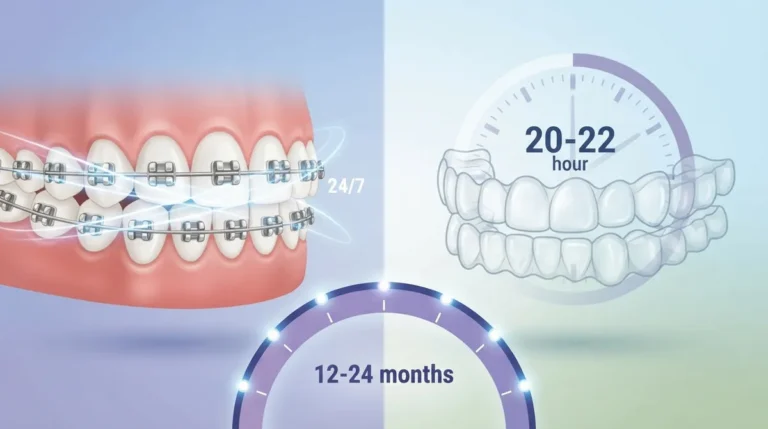
Aligners only work when worn about 20 to 22 hours a day, so honestly assessing your ability to keep trays in consistently is essential before starting.
-
Healthy teeth and gums are required first; active cavities or gum disease should be treated before orthodontic movement begins.
-
Retainers are needed after any treatment, whether aligners or braces, because teeth can drift back over time without long-term retention.
Have you ever caught your reflection in a photo and wished your smile looked a little straighter? You are not alone. In 2025, the American Association of Orthodontists reported that adults made up about 27% of patients in active treatment at member practices. That is a lot of grown-ups deciding it is finally time to do something about their teeth.
But how do you know when adults need clear aligners instead of waiting, trying braces, or skipping treatment altogether? The honest answer is that it depends on your teeth, your bite, and your daily life. In this friendly guide, you will learn the signs that point toward aligners, the situations where they work best, and the cases where another option may be smarter. Think of it as a calm chat before your first visit, so you can walk in feeling informed and confident.
What Clear Aligners Actually Do for Adults
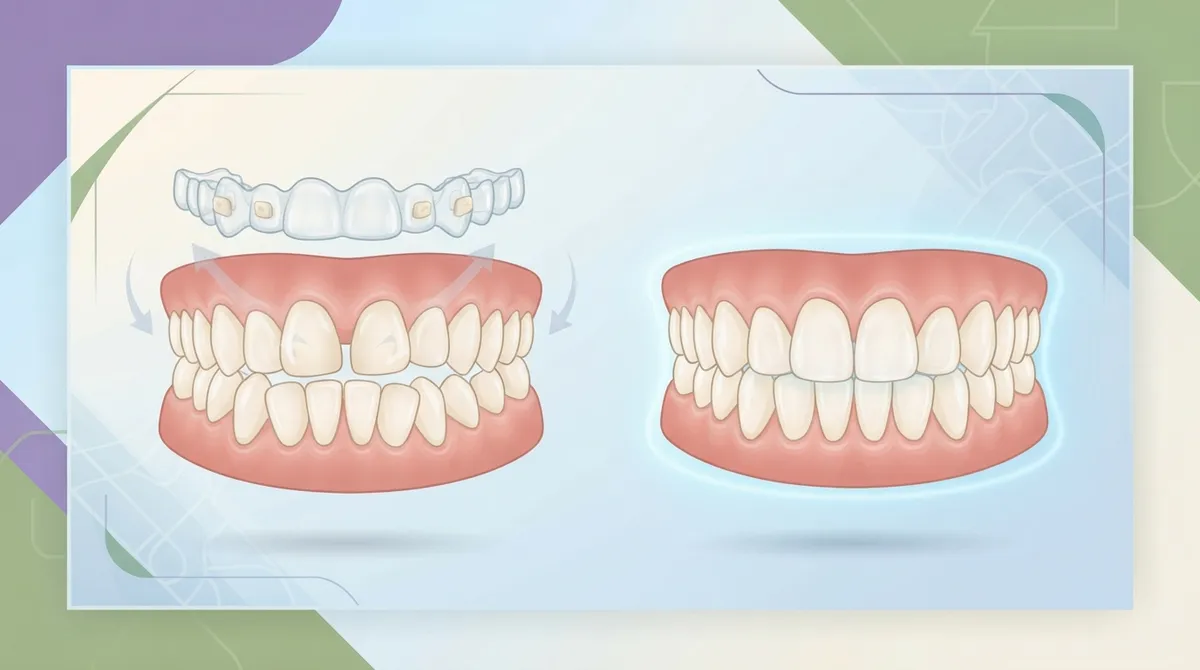
Clear aligners are a series of custom-made, see-through trays. Each tray moves your teeth a tiny bit. You swap to a new tray every week or two, and over time your teeth shift into the planned positions.
For adults, the big draw is simple. Aligners are much less visible than braces, and you can take them out to eat, brush, and floss. If you give presentations, meet clients, or just do not love the idea of metal in your mouth, that matters.
Still, aligners are not magic. They work best when the tooth movements needed are a good match for what the trays can do. That is why a real exam with an orthodontist comes first. At Segovia Orthodontics, Dr. Flor Segovia can look at your teeth and explain what is realistic. You can learn more about clear aligner options and how they fit into adult orthodontics.
Signs It May Be Time for Clear Aligners
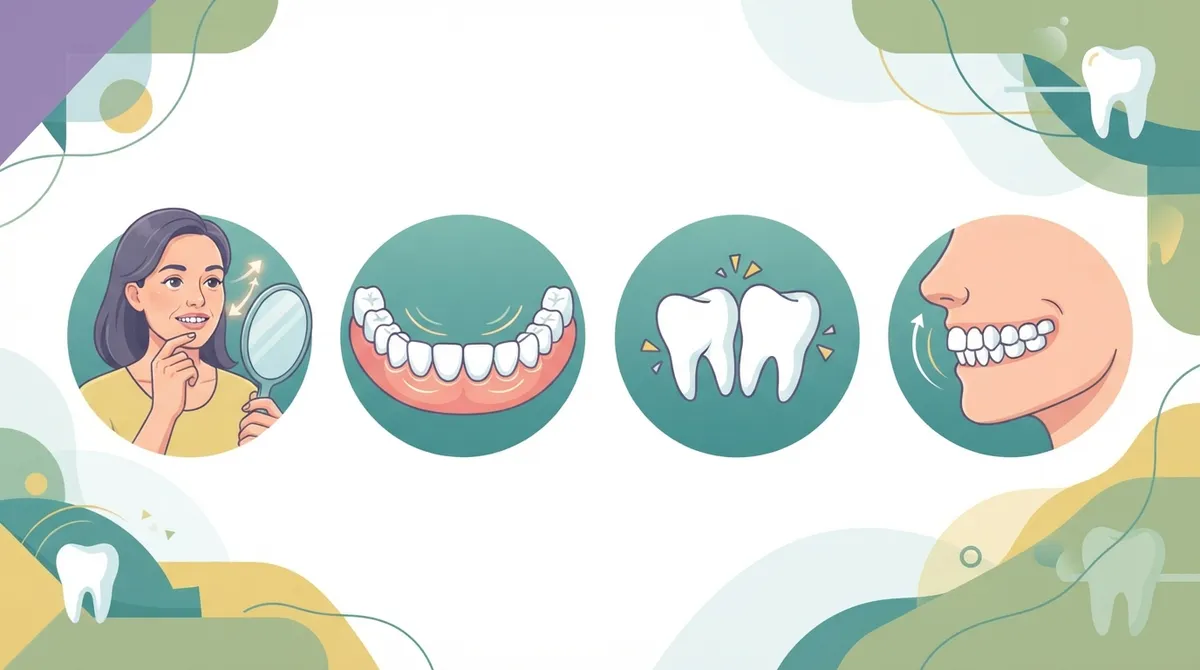
Most adults do not wake up one day and decide on treatment. It builds slowly. Here are common signs that clear aligners may be worth exploring.
- Mild-to-moderate crowding: Teeth overlap or twist, and flossing feels like a puzzle.
- Gaps and spacing: Small spaces between teeth that bother you or trap food.
- Shifting after old braces: Your teeth were straight once, but they have crept back.
- Teeth that look different than a few years ago: Lower front teeth often drift with age.
- A big event is coming: A wedding, graduation, or career change that has you thinking about your smile.
- You want a discreet option: You prefer not to wear metal brackets at work.
If two or three of these sound like you, a consultation is a smart next step. It costs nothing to ask questions, and you may be surprised by how many options you have.
When Clear Aligners Work Best for Adults
Let’s get specific. Aligners tend to shine in certain situations. A 2025 expert-consensus paper reported 91% agreement that clear aligners can achieve results comparable to fixed braces in non-extraction Class I cases with mild-to-moderate crowding. That is expert opinion, not a promise for any one person, but it shows where aligners are strongest.
Mild-to-Moderate Crowding
If your teeth are a bit crowded but your bite is otherwise healthy, aligners are often a great fit. The trays can gently create room and line everything up. Sometimes your orthodontist may use small polished spaces between teeth, called interproximal reduction, to make that room.
Spacing Between Teeth
Gaps are one of the more straightforward things to close. If you have small spaces, clear aligners can bring your teeth together neatly. If you are curious about this, our guide on how gapped teeth close with orthodontic treatment gives helpful background.
Relapse After Earlier Braces
This one is common. You had braces as a teen, maybe skipped your retainer for a few years, and now your teeth have wandered. Many adults in this group are great aligner candidates because the movements are usually small. If this is you, you are in good company. Read more about orthodontic retainers so history does not repeat itself.
Certain Bite Concerns
Some bite problems can be treated with aligners too, depending on how much correction is needed. The key word is depends. Your orthodontist will check how your upper and lower teeth meet and whether trays can handle the job on their own.
When Aligners May Not Be the Best Choice
Here is where honesty matters. Clear aligners are wonderful, but they are not the answer for every adult. Some cases are harder to control with trays.
Experts in that same 2025 paper considered aligners less favorable than fixed braces for severe crowding treated with extractions. Difficult rotations, large vertical tooth movements, and cases needing strong control of tooth roots can also be less predictable.
In those situations, your orthodontist may suggest traditional braces, or a combination of both. That is not a failure. It is simply the right tool for the job. You can compare your choices in our guide to braces versus clear aligners.
At Segovia Orthodontics, we also offer LightForce braces, a digital, custom-fitted system. If your case needs more control, there are modern options that stay comfortable and efficient.
Quick Comparison: Aligners vs. Braces for Adults
| Factor | Clear Aligners | Fixed Braces |
|---|---|---|
| Visibility | Very discreet | More noticeable (clear and white options exist) |
| Removable | Yes, for meals and cleaning | No, fixed in place |
| Best for | Mild-to-moderate crowding, spacing, relapse | Complex bites, severe crowding, difficult movements |
| Compliance needed | High, consistent daily wear | Lower, since they stay on |
| Predictability for complex cases | Can be less predictable | Generally strong control |
| Retainer needed after | Yes | Yes |
Notice that both options need a retainer afterward. Teeth can shift after any treatment, so a long-term plan matters no matter which path you choose.
Your Gums and Teeth Come First
Before any orthodontic treatment, your teeth and gums should be healthy. Active cavities or gum disease usually need attention first. Moving teeth when gums are inflamed is not a good idea.
If you have a history of gum problems, or if your teeth have drifted over the years, your orthodontist may plan more carefully and monitor you more closely. Keeping up with regular dental checkups helps a lot here.
Are You Ready for the Daily Commitment?
Here is the part people sometimes skip over. Aligners only work if you wear them. Most plans call for about 20 to 22 hours a day, and your orthodontist will give you exact instructions. Inconsistent wear can slow progress or throw off your results.
Ask yourself a few honest questions:
- Can I wear my trays nearly all day, every day?
- Will I remember to take them out for meals and put them back in?
- Am I willing to brush and floss before putting them back in?
- Can I keep up with check-in visits and new trays on schedule?
If you answered yes to most, you will likely do well. If you travel constantly or tend to forget things, fixed braces might actually be easier. There is no shame in picking what fits your real life. Many adults also avoid common slip-ups by reading about clear aligner mistakes that can ruin your smile results.
What Happens at Your First Visit
Not sure what to expect? Here is a simple walk-through of how adults usually start.
- Exam and conversation: Your orthodontist looks at your teeth, gums, and bite, and asks what bothers you most.
- Records: You may have digital scans or impressions, and X-rays if needed.
- Treatment plan: You will hear whether aligners, braces, or a mix makes sense.
- Digital preview: A simulation shows the planned tooth movements.
- Costs and timeline: You will talk through the expected length, cost, and financing.
A quick note on that digital preview. It is a planning tool, not a guarantee that your teeth will move exactly as shown. Sometimes extra trays, small attachments, or even a switch to braces is needed along the way. A good orthodontist will be upfront about that. To get ready, check out how to prepare for your orthodontist consultation.
Who Tends to Choose Aligners? A Few Real-Life Examples
Every smile story is different, but some situations come up again and again.
- The busy professional: Meetings and client lunches are part of your week, and you want a low-profile way to straighten your teeth.
- The wedding planner: You have a date on the calendar and want your best smile in the photos.
- The “my retainer is in a drawer somewhere” adult: Your teeth shifted, and you want a gentle reset.
- The young adult who never had braces: You always meant to, and now you have the independence to make it happen.
Which one sounds like you? Whatever your story, you do not have to figure it out alone. You can also read about how to straighten your smile with adult clear aligners for more ideas.
What About Angel Aligners?
Segovia Orthodontics offers Angel Aligners, a clear aligner system that uses AI-driven planning. They use a flexible-then-firmer tray schedule that can help with comfort and efficiency, and some trays can include built-in anchor points for rubber bands. That can mean fewer pieces bonded to your teeth in some cases. Your orthodontist will tell you whether this option fits your plan.
Thinking About Cost and Timing
Cost and time are always part of the decision. Treatment length varies a lot, depending on how much your teeth need to move. Mild cases can be shorter, while bigger corrections take longer.
Many adults feel better once they see the full picture, including financing choices. Take a look at orthodontic financing to see how payments can be spread out. Our team can walk you through what to expect so there are no surprises.
Do Not Forget About Retainers
This is worth repeating, because it trips up so many people. Once your teeth are where you want them, they can drift back. A retainer is what keeps your hard work in place.
Aligners that straighten your teeth are not automatically a replacement for a long-term retainer. Your orthodontist will give you a plan for how often to wear your retainer and for how long. Follow it, and your new smile has a much better chance of lasting.
Clear Aligners for Adults: Your Next Step
So, when do adults need clear aligners? Usually when you have mild-to-moderate crowding, spacing, or relapse, you want a discreet option, and you can commit to wearing the trays as directed. When your case is more complex, braces or a combined approach may be the better call. Either way, the best answer comes from a proper exam, not a guess.
If you are in the Lakewood Ranch area, we would love to meet you. Dr. Flor Segovia is a board-certified orthodontist who offers bilingual care in English and Spanish, and she is certified by the American Board of Orthodontics. You can also see what patients say by checking out Visit us on Google — Segovia Orthodontics, and follow along on our Instagram page and our Facebook page.
Ready to find out if aligners are right for you? Request an appointment today, or call us at 941-557-1333. Your best smile may be closer than you think.
FAQs
Q: When should an adult consider clear aligners?
A: Adults often consider clear aligners when they have mild-to-moderate crowding, spacing, or teeth that shifted after earlier braces. They are also a good match if you want a discreet option and can wear the trays as directed. An orthodontic exam will confirm whether aligners fit your case.
Q: Who is not a good candidate for clear aligners?
A: Aligners may be less predictable for severe crowding that needs extractions, difficult tooth rotations, or large vertical movements. They also may not suit anyone who struggles to wear them nearly all day. If gum disease or active cavities are present, those need care first.
Q: How many hours a day do adults need to wear clear aligners?
A: Most treatment plans call for roughly 20 to 22 hours of wear each day, taking them out only to eat, brush, and floss. Your orthodontist will give you exact instructions for your plan. Consistent wear is the secret to staying on schedule.
Q: Do adults need retainers after clear aligner treatment?
A: Yes, they do. Teeth can shift after any orthodontic treatment, whether you use aligners or braces. Your orthodontist will recommend a retainer plan to help protect your new smile for the long haul.
Q: Are clear aligners as effective as braces for adults?
A: For many mild-to-moderate cases, expert opinion suggests aligners can deliver results comparable to braces. For more complex problems, fixed braces or a combined approach may work better. The right choice depends on your specific tooth movements and bite.
Our Service Area