Key Takeaways
-
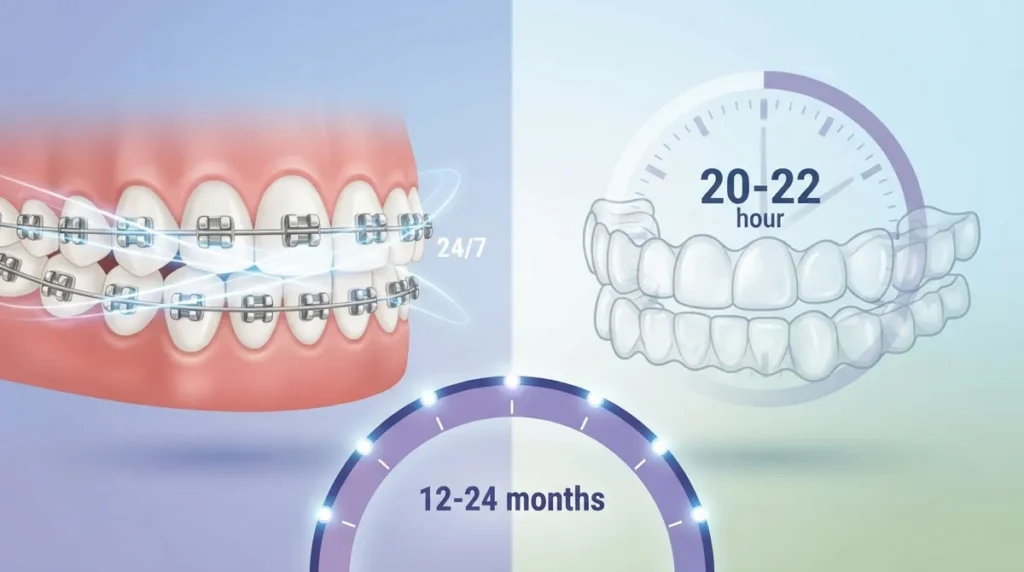
Clear aligners require 20-22 hours daily wear to be effective; skipping wear time significantly slows progress, while braces work 24/7 without compliance issues.
-
Treatment typically lasts 12-24 months for both braces and aligners, but braces handle complex cases like major crowding and bite problems better than aligners.
-
Retainer use is critical long-term; teeth can relapse if you stop wearing retainers after treatment, with studies showing about 6% relapse within a year without proper retention.
-
Avoid mail-order aligners without professional monitoring, as they skip essential in-person exams needed to catch problems with roots, gums, and bite early.
-
LightForce 3D-printed braces and Angel Aligners with a '7+3' wear schedule offer faster treatment options, potentially reducing time by up to 45% compared to traditional approaches.
-
Teeth straightening improves more than appearance—it makes chewing more comfortable, enables better brushing and flossing, and prevents food from getting stuck between teeth.
So you’ve decided it’s time to fix that smile you’ve been hiding in photos. Good for you! Whether you’re a mom noticing your seven-year-old’s crooked front teeth, a young professional dreading another video call with visible gaps, or an adult whose teeth have shifted since your teenage braces came off, you’re not alone. Teeth straightening has come a long way, and today you have real choices that fit your life, your budget, and your comfort level.
The big question most people ask first is simple: braces or clear aligners? Both can give you a straighter, healthier smile. But they work differently, fit different lifestyles, and suit different types of dental issues. This guide breaks down the differences in plain language, so you can walk into your consultation feeling confident instead of confused.
At Segovia Orthodontics in Lakewood Ranch, Dr. Flor Segovia and her team help patients of every age find the right path to a smile they love. Let’s dig into what makes braces and aligners different, and which one might be the better fit for you.
What Does Teeth Straightening Actually Fix?
Teeth straightening is orthodontic treatment that gradually moves teeth into better positions. It’s not just about looks, though a straighter smile sure feels great. Proper alignment also makes chewing more comfortable and makes it easier to brush and floss without food getting stuck everywhere.
Here are common problems that teeth straightening treatments can correct:
- Crooked or crowded teeth that overlap each other
- Gaps between teeth that bother you when you smile
- Protruding front teeth that stick out too far
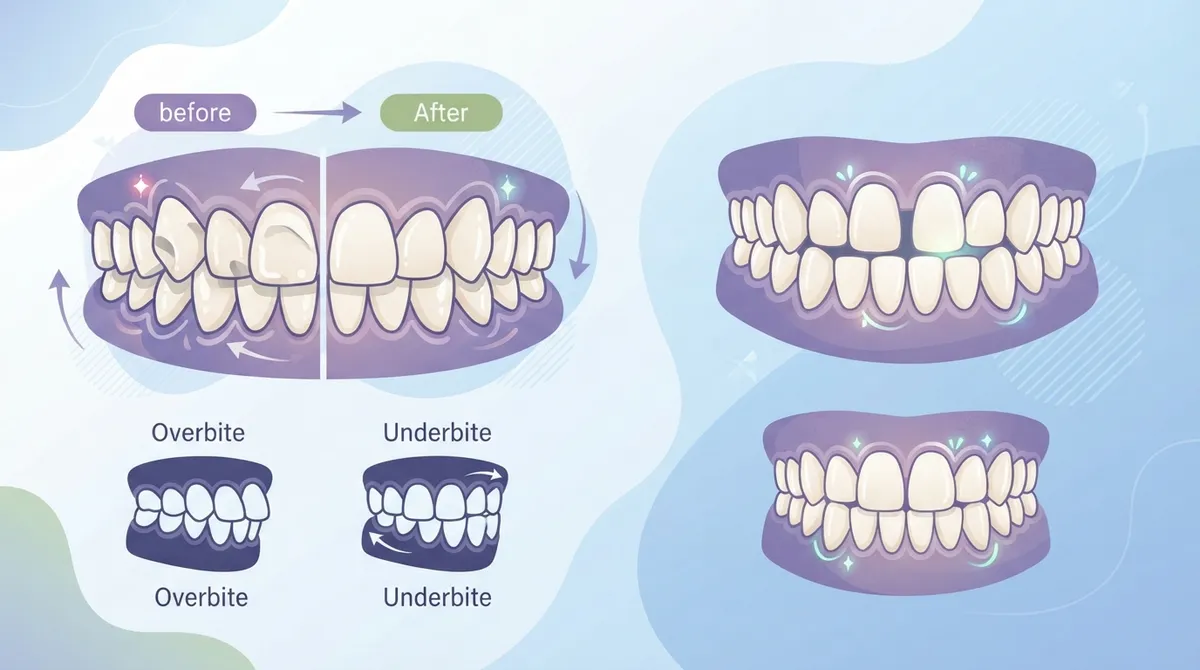
- Overbite, where upper teeth cover too much of the lower teeth
- Underbite, where the lower jaw sits in front of the upper jaw
- Crossbite and open bite, where teeth don’t meet properly when you close your mouth
Before any treatment starts, you’ll need a proper exam. This usually includes photos, digital scans or impressions, X-rays, and a look at your gum health. If you check out our first orthodontic visit guide, you’ll see exactly what to expect. Any active cavities or gum disease typically need treatment before braces or aligners go on.
Braces vs. Clear Aligners: The Head-to-Head Comparison
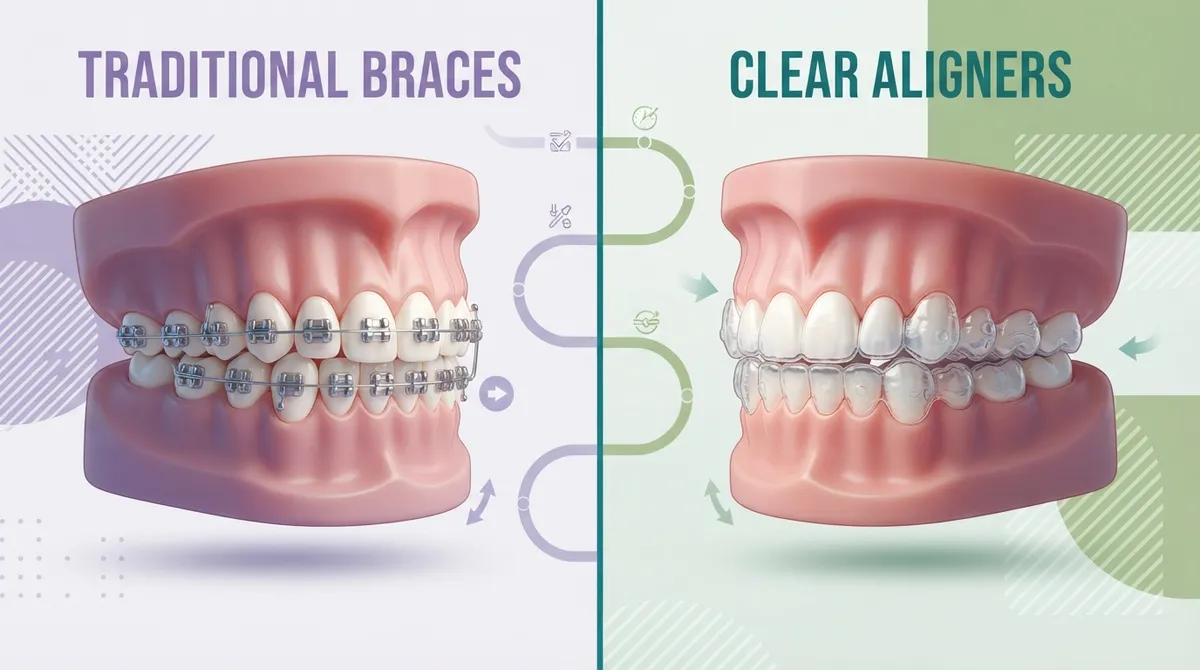
Let’s get into the meat of this comparison. Both options move teeth using gentle, steady pressure. But how they do it, and who they work best for, is where things get interesting.
| Feature | Traditional Braces | Clear Aligners |
|---|---|---|
| Visibility | Visible metal or ceramic brackets | Nearly invisible, clear plastic trays |
| Removability | Fixed, cannot remove yourself | Removable for eating and brushing |
| Best For | Mild to complex cases, including major crowding and bite issues | Mild to moderate alignment problems |
| Daily Wear | 24/7, no removal needed | 20-22 hours per day required |
| Eating Restrictions | Avoid sticky, hard, and chewy foods | None, since trays come out to eat |
| Typical Treatment Time | 12-24 months | 12-24 months, sometimes shorter for mild cases |
| Appointment Frequency | Every 4-10 weeks | Often less frequent check-ins |
Traditional Metal and Ceramic Braces
Fixed braces use brackets and wires to move teeth little by little. They’re incredibly reliable and can handle almost any orthodontic challenge, from mild crowding to complicated bite problems. Metal braces are the most visible option, while ceramic or tooth-colored braces blend in more but can be a bit more fragile.
One fun option families love is WildSmiles Braces, which come in shapes like stars, hearts, and even Mickey Mouse. Kids actually get excited about their braces, which means they brush more and take better care of their smile. That’s a win for everyone.
For patients who want a more advanced, custom-fit experience, LightForce Orthodontics uses 3D printing to create brackets designed specifically for your teeth. This technology can speed up treatment time by up to 45% compared to traditional one-size-fits-all brackets, according to the manufacturer’s clinical data.
Clear Aligners
Clear aligners are removable trays that shift teeth step by step. They’re a favorite among busy professionals and anyone who wants a more discreet option. You pop them out to eat, brush, and floss, then put them back in.
The catch? You need to wear them 20 to 22 hours a day for them to work. The American Association of Orthodontists is clear on this point: skipping wear time slows your progress significantly. Aligners are usually changed every one to two weeks as your teeth gradually move into place.
Our office also offers Angel Aligners, which use a smart “7+3” wear schedule. You wear a flexible tray for seven days, then a firmer one for three days. This approach can speed up tooth movement while keeping costs more manageable than some premium aligner brands.
Which Option Wins for Your Lifestyle?
There’s no single “best” choice here. It depends on your goals, your bite, and how disciplined you are about wearing removable trays. Here’s a quick breakdown by common patient situations:
- Busy parents with school-age kids: Fixed braces often win because there’s no daily compliance to track. Kids can’t lose them or forget to put them back in.
- Young professionals worried about appearance: Clear aligners are usually the top pick since they’re nearly invisible during meetings and photos.
- Adults with complex bite issues: Traditional braces may be necessary, especially for significant crowding or jaw-related problems.
- Teens preparing for sports or band: Braces are generally safer and more durable during physical activity, though mouthguards help either way.
- Adults who had braces years ago and are seeing relapse: Clear aligners often work well for minor shifting, especially with a good retainer plan afterward.
If you’re not sure which category you fall into, that’s exactly what a consultation is for. Check out our page on braces vs. clear aligners for a deeper look, or simply request an appointment to get personalized advice.
How Long Does Teeth Straightening Really Take?
This is one of the most common questions we hear, and for good reason. Nobody wants an open-ended timeline. According to NHS guidance, orthodontic treatment typically ranges from 12 months to 2.5 years, though some simple cases wrap up in just a few months while more complex ones take longer.
Here’s a general timeline breakdown for what most patients experience:
- Initial consultation and diagnostic records (photos, X-rays, scans)
- Treatment planning, where your orthodontist maps out tooth movements
- Active treatment phase, wearing braces or aligners for 12-24 months
- Regular check-in appointments every 4-10 weeks for braces, or periodic reviews for aligners
- Debonding or finishing aligner trays once teeth reach target positions
- Retention phase, wearing a retainer to keep your new smile in place
A 2019 review published in the Journal of Orthodontic Science found that clear aligners can sometimes involve fewer office visits than braces. However, outcomes depend heavily on case selection and how consistently patients wear their trays. This is why an in-person evaluation matters so much before starting any plan.
The Retention Phase: Don’t Skip This Step
Here’s something a lot of people don’t realize: finishing active treatment isn’t the end. Your teeth can shift back over time if you don’t wear a retainer as instructed. This is called relapse, and it’s frustrating after investing months (or years) into your smile.
A 2023 study looking at anterior open bite correction with clear aligners found that while all 52 patients saw successful correction, about 6% experienced some relapse within a year. That’s a small percentage, but it highlights why retainers matter so much.
We offer several orthodontic retainers options, including fixed and removable types. Most patients wear retainers full-time at first, then transition to nighttime wear only. Sticking with this schedule protects the results you worked hard for.
Is Teeth Straightening Safe? What to Watch For
Orthodontic treatment is generally very safe when it’s planned and monitored by a qualified professional. That said, a few common issues can pop up along the way:
- Temporary soreness after adjustments or new aligner trays
- Gum irritation, especially in the first few weeks
- Plaque buildup if brushing and flossing habits slip
- White spot lesions from poor hygiene during treatment
- Appliance breakage from hard or sticky foods
- Relapse if retainers aren’t worn as directed
Keeping up with routine dental checkups during treatment is important too. Your general dentist and orthodontist work as a team to keep your teeth and gums healthy the whole way through. If you ever experience a broken wire or lost aligner, our orthodontic emergency page walks you through what to do next.
A Word of Caution About Mail-Order Aligners
You’ve probably seen ads for mail-order clear aligners that promise a straighter smile without ever visiting an office. We get why the convenience sounds appealing, but this approach skips something critical: professional monitoring.
Tooth movement requires careful diagnosis and ongoing checks on your roots, gums, and bite. Without an in-person exam, there’s no way to catch problems early or adjust your plan if something isn’t working. This is especially risky for anyone with untreated dental issues or a more complex bite. The American Board of Orthodontics recommends working with a specialist who can monitor your progress face-to-face throughout treatment, and we couldn’t agree more. Learn more about board certification standards from the American Board of Orthodontics.
Best Age for Teeth Straightening
Parents often ask when their child should first see an orthodontist. The general recommendation is around age 7, when it’s easier to catch developing bite problems early. Comprehensive treatment with braces or aligners usually starts around ages 12-13, once most permanent teeth have come in.
But here’s the good news for grown-ups: it’s never too late. Adults can absolutely benefit from adult orthodontics, though treatment may take a bit longer. Adults need extra consideration for existing dental work, gum health, and bone density, but plenty of our patients start treatment well into their 30s, 40s, and beyond.
Whether you’re planning for a wedding, a big graduation, or just want to feel more confident before a career move, there’s no wrong time to start. Many teen orthodontic treatment patients also appreciate discreet options that don’t interfere with school photos or social events.
What Makes Segovia Orthodontics Different
Dr. Flor Segovia is a board certified orthodontist who provides bilingual care in English and Spanish, making sure every family feels understood and comfortable. Our Lakewood Ranch office uses advanced orthodontic technology to plan precise, efficient treatments for patients of all ages.
We also offer flexible financing options, because we believe a great smile shouldn’t be out of reach. Learn more about our orthodontic financing plans designed to fit real family budgets. Curious what other patients think? Check out Visit us on Google — Segovia Orthodontics to read reviews from real Lakewood Ranch families.
You can also follow along with patient smile transformations and office updates on our Facebook page or our Instagram page for a behind-the-scenes look at what treatment really looks like.
Making Your Final Decision
Choosing between braces and clear aligners doesn’t have to feel overwhelming. Here’s a simple way to think about it:
- Choose braces if you have complex alignment or bite issues, or if you want a hands-off, no-removal option
- Choose clear aligners if your case is mild to moderate and you want a more discreet, flexible treatment
- Talk to an orthodontist either way, since only a proper exam can confirm what’s truly best for your teeth
- Consider your lifestyle honestly, including how disciplined you’ll be about wearing removable trays
- Ask about financing so cost doesn’t stand between you and the smile you want
Every smile journey is different, and that’s exactly why personalized care matters so much. To learn more about what fits your unique situation, browse our types of braces page or explore all about braces for a deeper dive into your options.
Ready to Start Your Smile Journey?
Straighter teeth aren’t just about appearances. They mean easier brushing, more comfortable chewing, and a smile you’re proud to share. Whether you’re leaning toward traditional braces, curious about Angel Aligners, or just need someone to walk you through your options, our team at Segovia Orthodontics is here to help.
Ready to take the next step toward your best smile? Request an appointment today, or feel free to call us at 941-557-1333 with any questions. We can’t wait to meet you and your family.
FAQs
Q: What is the best way to straighten teeth?
A: It really depends on your situation! Traditional braces work great for complex cases, while clear aligners are perfect for mild to moderate issues and folks who want something discreet. The best way is to sit down with an orthodontist who can look at your teeth and guide you honestly.
Q: How long does orthodontic treatment take?
A: Most patients wear braces or aligners for about 12 to 24 months, though it can range anywhere from a few months to a couple of years. Your exact timeline depends on how much movement your teeth need, so a personalized exam is the best way to get a real answer.
Q: Are clear aligners as effective as braces?
A: For mild to moderate alignment issues, clear aligners can work just as well as braces. But for more complex bite problems or heavy crowding, traditional braces are often the more reliable choice. Your orthodontist can tell you which option fits your smile best.
Q: Can adults straighten their teeth at any age?
A: Absolutely, it’s never too late! Plenty of our patients start treatment in their 30s, 40s, and beyond. Adult treatment may take a little longer, but the results are just as rewarding, whether you choose braces or clear aligners.
Q: How long do I need to wear a retainer after treatment?
A: Retainers are a long-term commitment because teeth can shift back over time. Most patients wear them full-time at first, then switch to nighttime-only wear indefinitely. Sticking with this schedule is the best way to protect your new smile for good.
Our Service Area