Key Takeaways
-
Braces are not a proven cure for TMJ disorders despite mixed research; they should only be considered if you have a separate, correctable bite problem like crowding, crossbite, or open bite.
-
A thorough TMJ-aware orthodontic evaluation must include medical history, symptom review, jaw movement testing, muscle examination, and bite analysis—not just a quick visual check.
-
Conservative treatments like custom-fitted night guards show better evidence for TMD relief (71.8% improvement in jaw pain) than braces, and should be tried first before orthodontic treatment.
-
If you have severe jaw pain, locking, limited mouth opening, or joint sounds after injury, request a referral to a TMD specialist or oral surgeon instead of starting braces immediately.
-
There is no clear evidence that traditional braces or clear aligners are superior for TMD symptoms; choose based on your bite correction needs and find a provider who monitors jaw health throughout treatment.
-
Be cautious of any orthodontist promising braces will 'cure' TMJ pain; responsible providers separate bite problems from jaw pain and acknowledge uncertainty about TMD outcomes.
Jaw pain, clicking sounds, or a tight, achy feeling when you chew can be scary and confusing. If you’ve been searching for “braces for TMJ Lakewood Ranch,” you’re probably hoping there’s a simple fix. We get it, and we want to give you the honest answer, not just what sounds good in an ad. Braces can help your smile and your bite, but they are not a guaranteed cure for jaw pain. This guide walks you through what the research actually says, what a good evaluation looks like, and how to find real relief.
At Segovia Orthodontics, Dr. Flor Segovia and her team believe in giving Lakewood Ranch families straight talk. Whether you’re a busy mom booking appointments around soccer practice, a professional wanting a confident smile before a big event, or an adult finally fixing old relapse, you deserve clear facts before you start treatment.
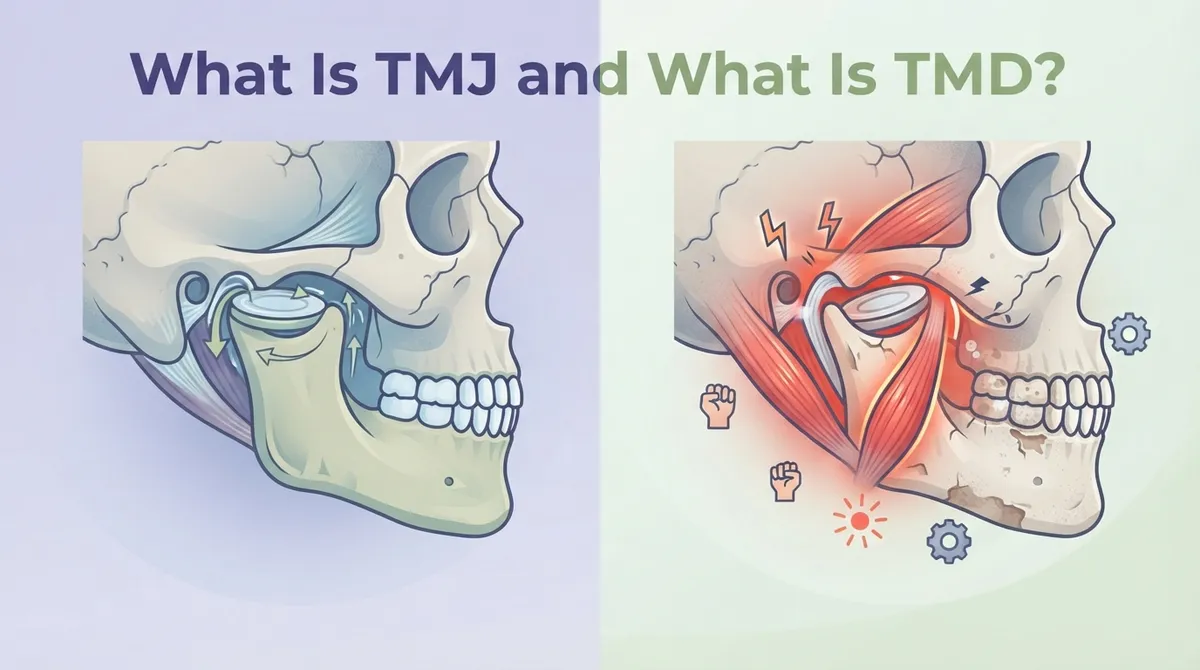
What Is TMJ, and What Is TMD?
Let’s clear up some confusing terms first. “TMJ” stands for temporomandibular joint. It’s the hinge that connects your jawbone to your skull, right in front of your ears. You use it every time you talk, chew, or yawn.
“TMD” stands for temporomandibular disorder. This is the umbrella term for problems affecting that joint, the muscles around it, or both. TMD symptoms can include:
- Jaw pain or soreness, especially in the morning
- Headaches or facial pain that won’t quit
- Clicking, popping, or grinding sounds when you open your mouth
- Trouble opening wide, or your jaw feeling “stuck”
- A bite that suddenly feels different or off
If any of this sounds familiar, you’re not imagining things. But the next question, whether braces can fix it, deserves a careful answer.
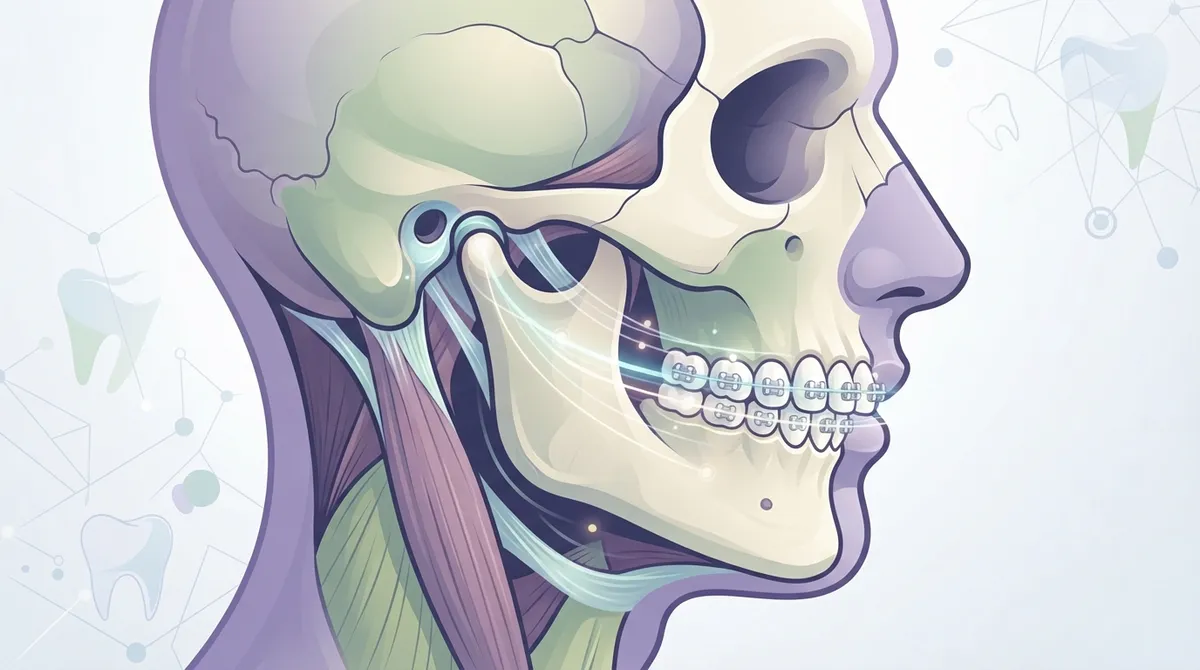
Do Braces Actually Treat TMJ Disorders?
Here’s the short, honest version: braces are not a proven, universal treatment for TMD. Research on this topic has been reviewed many times, and the results are mixed at best.
A 2015 systematic review looked at 61 studies on orthodontics and TMD. Only 9 met the quality standards needed for real conclusions. The review found no clear cause-and-effect link between braces and TMD symptoms getting better or worse. A 20-year follow-up study cited in that same review also found no clear connection between orthodontic treatment and TMD showing up later in life.
The Cochrane Library reached a similar conclusion in its own review of the evidence. It reported there simply wasn’t enough solid, randomized-trial data to say braces relieve TMD symptoms or that orthodontic treatment causes TMD in the first place. A more recent 2025 review described the evidence as low to moderate quality, with mixed results and inconsistent ways of diagnosing patients across different studies.
So what does this mean for you? It means braces should never be sold to you as a TMJ cure. But that doesn’t mean orthodontic treatment has no place in your care plan.
When Braces Still Make Sense
Even though braces aren’t a proven TMD treatment, they may still be the right choice for you if you have a separate, correctable bite problem. Think of it this way: your jaw pain and your crooked teeth might be two different issues that happen to show up at the same time.
Orthodontic treatment may be recommended when you have:
- Significant crowding that affects how your teeth come together
- A crossbite, where your upper and lower teeth don’t line up correctly
- An open bite, where front teeth don’t touch when your mouth is closed
- A major skeletal discrepancy between your upper and lower jaw
In these cases, the decision to get braces should be based on your bite and function, not a promise that your jaw pain will disappear. Learning about common orthodontic problems can help you understand what your smile actually needs.
What a Real TMJ-Aware Evaluation Looks Like
A thorough evaluation is the most important step you can take. This isn’t just a quick look in your mouth. A responsible Lakewood Ranch orthodontic exam should include several parts.
| Evaluation Step | What It Involves |
|---|---|
| Medical and dental history | Past injuries, grinding habits, stress levels, prior dental work |
| Symptom review | When pain started, what makes it better or worse, sounds in the joint |
| Jaw movement exam | How wide you can open, any deviation or locking |
| Muscle check | Feeling for tenderness in chewing muscles and around the jaw |
| Bite analysis | How your teeth meet, any recent changes in tooth contact |
| Screening for other causes | Clenching, arthritis, trauma, or other medical issues |
This kind of careful exam is part of what happens during an orthodontic evaluation at a practice that takes jaw health seriously. If you want to know what to expect from your first orthodontic visit, don’t be afraid to ask questions about jaw symptoms right from the start.
When to See a Specialist Instead (or First)
Some jaw symptoms need more than a general orthodontic exam. You should ask about a referral to a dentist with TMD experience, an oral and maxillofacial specialist, a physical therapist, or your physician if you have:
- Severe or constant jaw pain that isn’t improving
- Your jaw locking open or locking closed
- Very limited mouth opening
- Loud or frequent joint sounds along with pain
- Jaw symptoms after an injury or accident
A good orthodontist won’t be offended if you want a second opinion here. In fact, working alongside other providers is often the smartest path. This kind of teamwork is part of good, honest orthodontic care, and it’s something you can read more about on our Why Choose Us page.
Conservative Care Comes First
For many people with TMD, gentler treatments work better as a starting point than jumping straight into braces or surgery. Conservative options often include:
- Learning about your condition and what triggers flare-ups
- Eating softer foods for a while to rest the jaw
- Avoiding extreme jaw movements, like wide yawns or gum chewing
- Stress management, since clenching often follows stress
- Physical therapy for the jaw muscles
- Medication, when recommended by a doctor or dentist
- A custom oral appliance fitted for your specific needs
Speaking of oral appliances, it’s worth noting these are different from braces. A custom night guard or stabilization splint is built to protect your teeth and ease muscle tension, not to move teeth into a new position. Research on stabilization appliances has actually shown some promising results. A 2024 clinical evidence review found about 71.8% of patients had improvement in jaw muscle pain, and 61.9% saw better mouth opening at early follow-up. These numbers apply to appliance therapy specifically, not to braces in general, so it’s an important distinction.
Over-the-counter night guards from the drugstore may not be the right fit for everyone. A properly fitted appliance from your dental provider tends to work much better and more safely.
Traditional Braces vs. Clear Aligners for TMJ Symptoms
Many patients ask if clear aligners are gentler on the jaw than metal braces. Right now, there isn’t enough solid evidence to say one method is clearly better for TMD symptoms. Both can correct the same types of bite problems.
| Factor | Traditional Braces | Clear Aligners |
|---|---|---|
| Visibility | More visible, though ceramic options are subtler | Nearly invisible |
| Best for | Complex bite corrections, all ages | Mild to moderate cases, discreet needs |
| Removability | Fixed, cannot remove | Removable for eating and brushing |
| Estimated cost range | Approximately $3,000–$7,000* | Approximately $3,000–$8,000* |
| TMD symptom monitoring | Possible with regular visits | Possible with regular visits |
*Local pricing estimates vary. Always confirm current fees directly with your orthodontic office.
What matters most is picking a provider who can monitor your jaw symptoms throughout treatment, not just the style of appliance you choose. For a deeper comparison, see our article on braces vs. clear aligners.
Fun, Comfortable Options for Younger Patients
If your child or teen needs braces for a genuine bite issue, and jaw discomfort is being managed separately by the right specialist, treatment doesn’t have to feel scary. WildSmiles Braces let kids pick fun bracket shapes like stars, hearts, or even Mickey Mouse designs. When kids feel excited about their braces, they tend to brush better and stick with their care routine.
For patients wanting a more advanced, custom-fit option, LightForce Orthodontics uses 3D-printed brackets designed specifically for your teeth. This can mean more comfort and treatment times cut by up to 45% compared to older methods. Busy professionals and life event planners preparing for graduations or weddings often appreciate how this technology can speed things along.
Setting Realistic Expectations
Please be cautious of any provider who promises braces will “cure” all your TMJ pain or permanently reposition your jaw. Responsible orthodontic care means being upfront about what braces can and cannot do.
Here’s what you should expect from an honest conversation with your orthodontist:
- A clear explanation of your specific bite problem, separate from any jaw pain
- Discussion of what braces can realistically improve for your function and appearance
- Acknowledgment of uncertainty around TMD outcomes
- Referral options if your jaw symptoms need specialized care
- A plan to monitor your symptoms throughout treatment
Remember too that TMD symptoms naturally go up and down over time. If your jaw feels better during orthodontic treatment, that doesn’t automatically mean the braces caused the improvement. Many factors play a role, including stress levels, sleep, and habits like clenching.
Finding the Right Team in Lakewood Ranch
Choosing the right orthodontic office matters just as much as choosing the right appliance. Look for a practice that takes time to listen, explains findings clearly, and doesn’t rush you into treatment. Dr. Flor Segovia is a board certified orthodontist who believes patients deserve real answers, not just quick sales pitches. You can learn more about her background on our Orthodontist Flor Segovia page, and check her credentials through the American Board of Orthodontics.
Our team also uses advanced orthodontic technology to get a full picture of your bite and jaw function before recommending any treatment. If you’re dealing with jaw pain along with crooked or crowded teeth, don’t just guess. Come in for a proper look.
Want to see what other families in the area think? You can visit us on Google — Segovia Orthodontics to read real reviews, or follow along on our Facebook page and our Instagram page for smile updates and helpful tips.
Your Next Step Toward Real Relief
Braces can absolutely improve your smile and fix a genuine bite problem. But if jaw pain is your main concern, you deserve a full evaluation, not a one-size-fits-all promise. A caring, honest team will help you sort out what’s really going on and guide you toward the right combination of care, whether that’s orthodontics, a custom appliance, physical therapy, or a referral to a trusted specialist.
If you’re in Lakewood Ranch and ready for real answers about your smile and your jaw, our team is here to help. Feel free to contact us with your questions, request an appointment to get started, or simply call us at 941-557-1333 to talk through your symptoms with our friendly staff. You deserve a comfortable smile and a comfortable jaw, and we’re glad to help you find both.
FAQs
Q: Can braces help with TMJ pain in Lakewood Ranch?
A: Braces can correct bite problems, but they aren’t a proven fix for TMJ pain on their own. If you have both a bite issue and jaw pain, a careful evaluation can help figure out the best plan for each concern separately.
Q: Do braces cause or worsen TMJ problems?
A: Good news here: solid research, including a 20-year follow-up study, hasn’t found a clear link between orthodontic treatment and new or worsening TMD. Still, it’s smart to mention any jaw symptoms before starting treatment so your provider can keep an eye on things.
Q: Should I see an orthodontist or a TMJ specialist for jaw pain?
A: It often makes sense to start with an orthodontic evaluation, especially if you also have crooked or misaligned teeth. If your jaw pain is severe, sudden, or involves locking, ask for a referral to a dentist or specialist with TMD experience right away.
Q: How much do braces cost in Lakewood Ranch, Florida?
A: Local pricing directories estimate traditional braces around $3,000 to $7,000, and clear aligners around $3,000 to $8,000, though these numbers can vary quite a bit. Your best bet is scheduling a consultation so we can give you an accurate quote based on your specific needs.
Q: What are the non-surgical treatments for TMJ disorder?
A: Many people find relief with conservative options first, like softer foods, stress management, physical therapy, and a custom-fitted night guard. Surgery is rarely the first step, and most providers recommend trying gentler approaches before considering anything more invasive.
Our Service Area