Key Takeaways
-
Yes, you should sleep with your clear aligners in, since nighttime wear is a major part of the 20 to 22 hours of daily wear most treatment plans require.
-
Skipping nighttime wear can slow treatment, cause trays to fit poorly, and force you into catch-up days that lengthen your overall timeline.
-
Night-only aligner wear is not standard; only follow it if your orthodontist has specifically prescribed a night-only plan.
-
Always brush and floss after eating and before reinserting aligners, so food and sugar aren't trapped against your teeth all night.
-
Drink only plain water with aligners in; coffee, tea, juice, soda, and sports drinks can stain trays or sit against teeth.
-
A little pressure with a new tray is normal, but sharp or lasting pain, a cracked tray, or one that won't seat should be checked with your orthodontist.
Here’s a question we hear all the time: “Can you sleep with clear aligners in?” It makes sense. You’ve finally started your smile journey, and now you’re staring at a little plastic tray at bedtime, wondering if it belongs in your mouth or in its case.
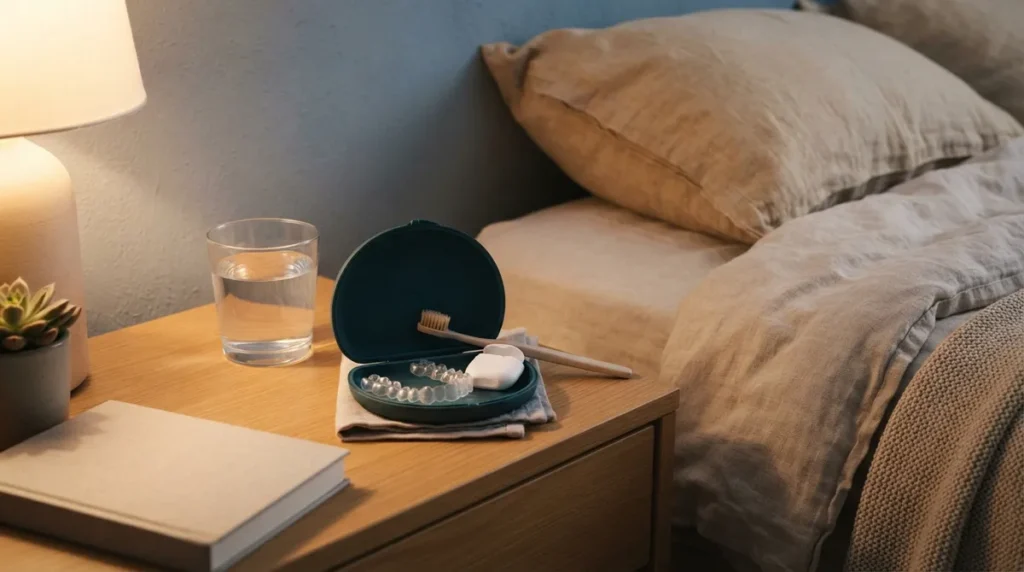
The short answer is yes. If you’re in active clear aligner treatment, you should sleep with your aligners in. Nighttime wear helps you hit the daily goal your orthodontist sets, which is usually about 20 to 22 hours.
Whether you’re a busy parent helping a teen stay on track, a professional who wants discreet treatment, or an adult getting ready for a big event, this guide will walk you through what to do at bedtime. We’ll cover comfort, cleaning, and common mistakes. Let’s make those nights easy so your smile can do its work while you rest.

Can You Sleep With Clear Aligners In?
Yes, you can sleep with clear aligners, and in most cases you should. Clear aligners work by applying gentle, steady pressure to your teeth. That pressure needs to be steady to move teeth the way your treatment plan intends.
Think of it like watering a garden. If you only water once in a while, the plants don’t grow well. Teeth are the same. They respond best to consistent, ongoing pressure, and the hours you spend asleep are a big part of that.
A few quick points to keep in mind:
- Overnight wear counts toward your daily total.
- Sleeping in your aligners helps you avoid “catch-up” days.
- Aligners are not meant to be worn only at night unless your orthodontist has specifically prescribed that plan.
If you’re curious about how aligners fit into your overall treatment, our clear aligners page is a great place to start.
How Many Hours a Day Should You Wear Clear Aligners?
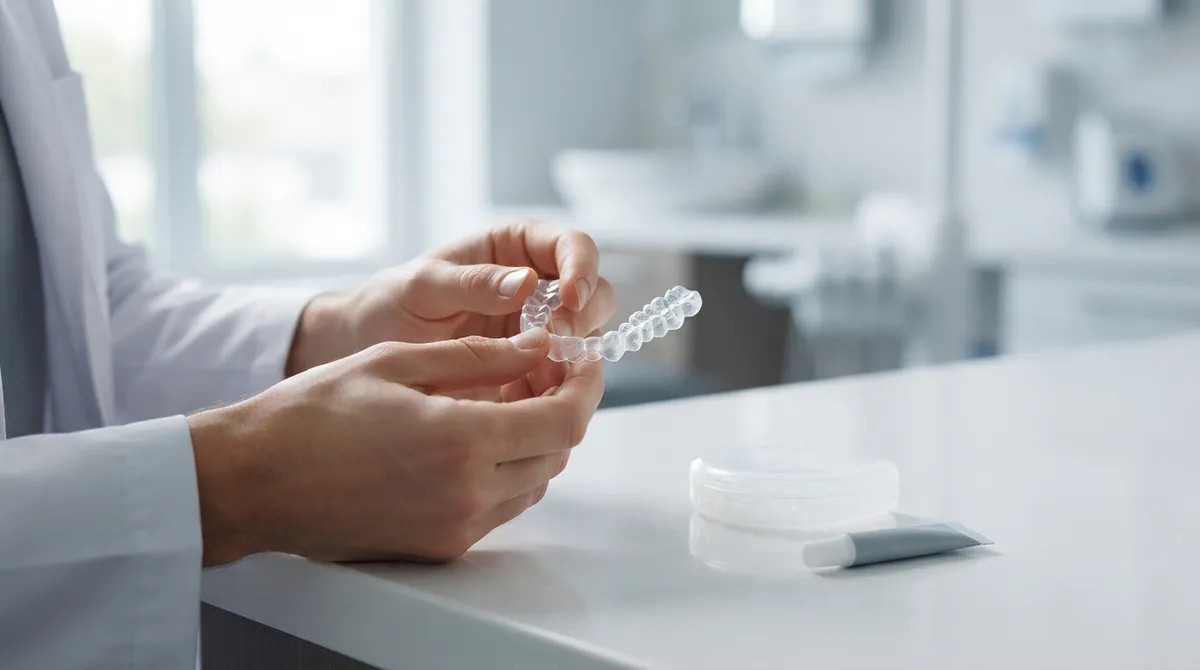
Most clear aligner plans call for about 20 to 22 hours of wear each day. That leaves around two hours for eating, drinking anything other than plain water, and cleaning your teeth and trays.
Here’s a simple look at how a typical day adds up:
| Part of the Day | Aligners In or Out? | Approximate Time |
|---|---|---|
| Sleeping (7-9 hours) | In | 7-9 hours |
| Work, school, errands | In | 10-12 hours |
| Meals and snacks | Out | 1-2 hours |
| Brushing and cleaning | Out | 15-30 minutes |
Notice how much of your wear time happens while you sleep. If you take your aligners out at night, you lose a big chunk of the hours your treatment relies on. That’s why sleeping in them matters so much.
Your exact schedule depends on your treatment plan, so always follow what your orthodontist tells you. If you have questions, our orthodontic treatment FAQ can help.
Why Sleeping in Your Aligners Helps Your Treatment
Sleeping with your aligners in does more than check a box. It supports your results in a few real ways.
It Keeps Your Treatment on Schedule
Each set of aligners is designed to move your teeth a tiny amount. When you wear them as directed, you can switch to the next set on time. Skipping nights can slow things down, which means a longer road to your finished smile.
It Helps Aligners Keep Fitting Well
Teeth can shift back slightly when pressure is removed. If you leave your aligners out for long stretches, the next tray may feel tight or not seat properly. Steady wear helps trays keep a snug, comfortable fit.
It Protects Your Aligners From Getting Lost
Here’s a funny but true one. Many aligners go missing in napkins at restaurants. They also get lost on nightstands, in bedsheets, and even in pet mouths. Keeping them in while you sleep means one less thing to misplace.
Wearing your aligners as directed is also one of the best ways to avoid common setbacks. You can read more in our post on 7 clear aligner mistakes that can ruin your smile results.
What About Wearing Aligners Only at Night?
This is a common question, especially for busy adults who want a simple routine. The honest answer is that standard clear aligner treatment is not a night-only plan.
Some orthodontists do prescribe nighttime-only options for certain cases. These are different treatment approaches with their own schedules. They are not the same as regular full-time aligners, and they are not interchangeable.
If you wear standard aligners only at night, you may notice:
- Your teeth don’t track with each new tray.
- Your trays feel tight or don’t fit well.
- Your treatment takes longer than planned.
Unless your orthodontist has specifically given you a night-only plan, aim for the full daily wear time. When in doubt, ask. A quick question now can save you weeks of delays later.
Tips for Sleeping Comfortably With Clear Aligners
Let’s be real. The first few nights with aligners can feel a little strange. A new tray often brings mild pressure or soreness, and that’s normal. The good news is that most people adjust fast.
Here are some tips to help you rest easy:
- Start a new set at bedtime. Many patients switch to a fresh tray right before sleep. Any tightness is often strongest in the first day or two, and you’ll sleep through a good part of it.
- Make sure the tray is fully seated. Gently press the aligner onto your teeth until it fits snugly. A tray that isn’t seated can feel uncomfortable.
- Drink plain water if your mouth feels dry. Water is usually fine with aligners in, so keep a glass by your bed.
- Try a cool, soft snack earlier in the day. If your teeth feel sore, soft foods can make mealtimes easier.
- Follow your orthodontist’s advice for soreness. Don’t skip wear time or change your schedule without checking in first.
If an aligner keeps hurting or has a sharp edge, don’t just tough it out. Call us at 941-557-1333 and we’ll help you figure out the next step.
How to Handle Your Nighttime Routine
Good bedtime habits protect both your teeth and your aligners. Because aligners sit against your teeth for many hours, keeping things clean matters.
A Simple Bedtime Checklist
- Take your aligners out before your last meal or snack.
- Brush and floss your teeth after eating.
- Rinse your aligners with cool water.
- Put your aligners back in before bed.
Why the brushing step? If food or sugary drinks get trapped between your teeth and your aligner, they can sit there all night. That can raise the chance of cavities, enamel damage, bad breath, and sore gums. A quick brush and floss helps prevent that.
For clean aligners, brush them gently with a soft toothbrush and cool water, or use a cleaning product your orthodontist recommends. Avoid hot water, since heat can warp the plastic.
Want more daily care ideas? Our guide on aligners maintenance and care walks through it step by step.
What to Drink and Eat Before Bed
Your aligners are meant to be worn with plain water only. Anything else can stain the trays or leave sugar and acid sitting against your teeth.
| Item | With Aligners In? | Why |
|---|---|---|
| Plain water | Yes | Safe and keeps you hydrated |
| Coffee, tea | No | Can stain aligners; hot drinks may warp them |
| Juice, soda, sports drinks | No | Sugar and acid can sit against teeth |
| Snacks and meals | No | Food can get trapped and damage trays |
If you want a late-night snack, take your aligners out, enjoy it, then brush and floss before putting them back in. It takes a couple of extra minutes, but your teeth will thank you.
For more help with eating habits during treatment, check out how to master aligners eating and drinking rules.
Clear Aligners at Night for Different Lifestyles
Every patient has a different life, and aligners can fit into most of them with a little planning.
For Busy Parents and Teens
If you’re helping a child or teen with aligners, a simple bedtime routine works wonders. Set a reminder, keep a travel case handy, and make brushing part of the evening wind-down. Teens who build the habit early tend to stay on track.
For Working Professionals
Long days and late meetings can make it tough to keep up wear time. Sleeping in your aligners helps you bank hours without extra effort. It’s a smart way to stay on schedule while keeping your smile discreet at work.
For Big Life Events
Getting ready for a wedding, graduation, or big presentation? Consistent nighttime wear can help you stay on pace toward your goal. Talk with your orthodontist about timing so your plan fits your event date.
For Adults Returning to Treatment
If you wore braces years ago and want to fix some shifting, aligners can be a great fit. Adults often do very well because they’re motivated and consistent. Learn more about options on our adult orthodontics page.
When Sleeping With Aligners Might Need an Extra Look
Most people sleep just fine with their aligners. Still, a few situations are worth checking with your orthodontist.
- Ongoing pain. Mild soreness is normal. Sharp or lasting pain is not.
- A cracked or warped tray. Damaged aligners may not work well and can irritate your mouth.
- A tray that won’t seat. Don’t force it. Call your orthodontist.
- Gum irritation or sores. A rough edge could be the cause.
Never stop wearing your aligners or change your schedule on your own. If something feels off, reach out right away. If you ever have a more urgent issue, see our orthodontic emergency page for guidance.
Clear Aligners vs. Braces: Nighttime Differences
One reason many people love aligners is flexibility. Braces stay on your teeth the whole time, while aligners come out for meals and cleaning. That makes brushing and flossing easier, which is a nice perk.
Still, flexibility comes with responsibility. Because aligners are removable, results depend on you wearing them. Braces, on the other hand, work around the clock without any effort on your part.
Not sure which path fits your lifestyle? Our comparison, braces vs. clear aligners: which is right for you, can help you decide. At Segovia Orthodontics, Dr. Flor Segovia offers both options, plus Angel Aligners, so you can pick what works best for your goals.
Your Smile Is Worth the Bedtime Routine
So, can you sleep with clear aligners? Yes, and it’s one of the best things you can do for your treatment. Sleeping in your aligners helps you reach your daily wear goal, keeps your teeth moving on schedule, and keeps your trays safe from getting lost.
Remember the basics: wear them about 20 to 22 hours a day, take them out for meals and drinks other than water, and brush before you pop them back in. A little consistency each night goes a long way toward a smile you’ll love.
Have questions about your own plan, or thinking about starting treatment? We’d love to help. Request an appointment with our team at Segovia Orthodontics, or contact us to chat about your options. You can also follow along with smile stories on our Instagram page and our Facebook page, and you can read what our patients say when you visit us on Google — Segovia Orthodontics. Dr. Segovia is a board-certified orthodontist, and you can learn more about that credential through the American Board of Orthodontics.
FAQs
Q: Can you sleep with clear aligners in?
A: Yes, you can, and you should! Sleeping with your aligners in helps you reach the 20 to 22 hours of daily wear most treatment plans call for. Just follow your orthodontist’s exact instructions for your case.
Q: Can I wear clear aligners only at night?
A: Not with standard clear aligner treatment. Night-only wear may slow your progress and make your trays fit poorly, unless your orthodontist has specifically prescribed a night-only plan. When in doubt, just ask us!
Q: What should I do if my clear aligners hurt while I sleep?
A: A little pressure or soreness with a new tray is normal and usually fades in a day or two. Make sure the aligner is fully seated, and if the pain is sharp or doesn’t go away, give your orthodontist a call before changing your wear schedule.
Q: Do I need to brush my teeth before putting my aligners back in?
A: Yes, it’s a great habit! Brushing and flossing after eating keeps food and sugar from getting trapped against your teeth all night, which helps protect your enamel and gums.
Q: Can sleeping without clear aligners delay my treatment?
A: It can. Skipping nighttime wear cuts into the hours your teeth need steady pressure, which can lead to tight trays and a longer treatment time. Wearing them every night keeps you moving toward your smile goals.
Our Service Area