Key Takeaways
-
Orthodontic treatment is viable at any age; success depends on teeth, gum, and bone health rather than age, with 1.91 million adults currently in treatment as of 2024.
-
Modern options like LightForce braces and Angel Aligners offer discreet alternatives to traditional braces, with digital planning potentially reducing treatment time for busy professionals.
-
Gum and tooth health must be established before treatment begins; cavities must be treated and active gum disease stabilized to protect your smile during orthodontic movement.
-
Average adult treatment takes about 22 months, with timeline varying based on case complexity and adherence to the treatment plan; digital options may help accelerate results.
-
Retainer compliance is critical after active treatment ends, as teeth naturally drift without support; consistent retainer wear is the key to maintaining results long-term.
-
Flexible financing options make adult orthodontics affordable, and treatment choice should be personalized based on your specific case complexity, lifestyle, and preferences rather than one-size-fits-all solutions.
Have you ever caught your reflection in a work video call and thought, “I wish my smile looked a little straighter”? You are not alone, and it is never too late to do something about it. Orthodontic care for adults is more popular than ever in 2026. The American Association of Orthodontists’ 2025 patient census survey estimated about 1.91 million adults were in treatment with AAO-member orthodontists in 2024, up from about 1.64 million in 2022.
Whether you are a busy professional, a bride-to-be, or someone who wore braces as a teen and noticed your teeth drifting, this guide is for you. We will walk through four key things to know before you start, in plain and friendly language. Think of it as a chat over coffee with someone who wants you to feel confident about your next step. At Segovia Orthodontics in Lakewood Ranch, we see adults of all ages walk through our doors, and every one of them leaves with a clear plan and a lot more peace of mind.

1. You Are Not Too Old for Orthodontic Care for Adults
Let’s clear up the biggest myth first. There is no age limit for straightening your teeth. What matters most is the health of your teeth, gums, and the bone that supports them, along with your overall health and your goals. Age alone is not the deciding factor.
Adults seek treatment for many reasons. Some want a more confident smile. Others have bite problems that make chewing uncomfortable. Many simply want teeth that are easier to clean. You can read more about adult orthodontics on our site, and if you are curious about the local trend, see why adults in Bradenton are choosing braces in 2026.
Common Concerns Adults Want to Fix
- Crowded teeth: Teeth that overlap or twist because there is not enough room.
- Gaps and spacing: Spaces between teeth that you would like to close.
- Bite problems: Overbites, underbites, crossbites, and open bites.
- Relapse: Teeth that shifted after past braces, often because a retainer was not worn long enough.
If your teeth have moved since your teenage braces, you are in good company. Many of our adult relapse patients tell us the same thing: “I wish I had worn my retainer.” The good news is that relapse can usually be corrected, and we will help you keep the results this time. For more on common issues, take a look at our guide to common orthodontic problems.
The first step is always an exam. Your orthodontist will review your teeth, gums, bite, and any existing dental work, and may take x-rays and digital scans. This is how we decide if you are ready to begin and which option fits you best. If you want to know what that looks like, check out what happens during an orthodontic evaluation.

2. Your Treatment Options Are Better Than Ever
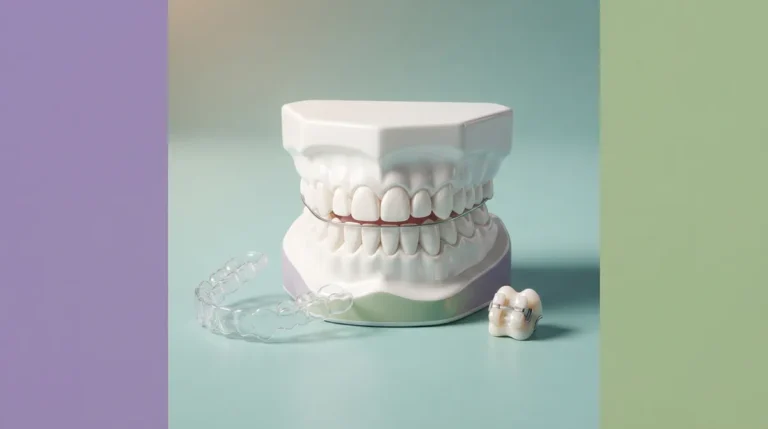
Gone are the days when adults only had one choice. Today, orthodontic care for adults includes several options, from traditional braces to discreet clear aligners. The right choice depends on how complex your case is, your lifestyle, and your preferences.
Braces for Adults
Braces are a trusted, reliable way to move teeth, and they are especially helpful for more complex bite corrections. At our practice, we offer LightForce braces, a digital system with custom 3D-printed brackets designed to fit each tooth. These brackets come in clear or white options that blend in naturally, and the digital planning can help reduce treatment time. Many of our busy, career-focused patients love that combination of precision and discretion.
We also offer WildSmiles braces, which come in fun shapes. They are popular with kids and teens, but plenty of adults enjoy a little personality too. If you want to learn how braces compare, see our guide to the types of braces.
Clear Aligners for Adults
If you want something more discreet, clear aligners are a great fit. These are removable, nearly invisible trays that gradually move your teeth. We offer Angel Aligners, which use AI-driven planning and a “7+3” wear schedule (seven days in a flexible tray, then three days in a firmer one) to help guide teeth along. They often cost less than premium aligner brands, and the frosted finish helps them blend in. Young professionals and people preparing for a wedding or big event often choose aligners for exactly this reason.
Not sure which way to go? Our comparison of braces vs. clear aligners can help you weigh the pros and cons.
Quick Comparison
| Feature | Braces (LightForce) | Clear Aligners (Angel Aligners) |
|---|---|---|
| Visibility | Clear or white brackets blend in | Nearly invisible trays |
| Removable? | No, worn all the time | Yes, but worn most of the day |
| Best for | Simple to complex cases, including bite corrections | Mild to moderate crowding, spacing, and relapse |
| Eating | Some food limits | Remove to eat and drink |
| Cleaning | Brush and floss around brackets | Remove to brush and floss normally |
| Planning | Digital, custom-fit brackets | AI-driven digital planning |
Every smile is different, so your orthodontist will recommend the option that works best for your teeth and your life. Aligners are not automatically “better” than braces, and braces are not automatically “stronger.” It comes down to your case.
3. Your Oral Health Comes First
Here is something many adults do not expect: before your teeth move, your gums and teeth need to be healthy. That is not red tape. It is how we protect your smile for the long run.
What We Check Before You Start
- Cavities: Tooth decay should generally be treated before treatment begins.
- Gum health: Active gum disease needs to be stabilized first. If you have a history of gum disease that is well controlled, you may still be a candidate, with careful monitoring along the way.
- Bone support: Strong support around your teeth helps them move safely.
- Existing dental work: Crowns, bridges, and implants affect how and which teeth can be moved, so your orthodontist will plan around them.
Working with your general dentist and orthodontist as a team keeps everything on track. Not sure whom to see first? Our article on orthodontist vs. dentist explains how each one helps.
Daily Habits That Protect Your Smile
Appliances can make cleaning a bit trickier, and plaque that builds up can lead to gum inflammation or white spots on the enamel. A few simple habits make a big difference:
- Brush after meals and before bed, paying extra attention along the gumline.
- Floss daily using floss threaders or a water flosser if you have braces.
- Keep up with regular dental cleanings during treatment.
- Wear your aligners as directed, usually around 20 to 22 hours a day.
- Keep every orthodontic appointment so we can catch small issues early.
It is also helpful to know the possible risks. They can include temporary soreness, gum irritation or recession, enamel changes, and, in rare cases, shortening of tooth roots. Your orthodontist will explain how these apply to you, so you can feel informed and comfortable. If you ever have a broken wire or a poking bracket, our page on orthodontic emergencies will tell you exactly what to do.
4. Timeline, Cost, and Keeping Your Results
The last piece of the puzzle is the practical stuff: how long it takes, how to afford it, and how to make your new smile last.
How Long Does It Take?
The AAO’s survey reported a median adult treatment time of about 22 months in 2024, with an average of roughly 21.8 months. A 2016 systematic review of comprehensive fixed-appliance treatment found a mean of around 19.9 months. These are averages, not promises. Your own timeline depends on how complex your case is and how closely you follow the plan.
If speed matters to you, ask about digital options. LightForce planning can often help shorten treatment, and consistent aligner wear keeps clear aligner cases moving. Curious about what to expect from start to finish? Take a look at how long braces take to straighten your smile.
Making It Affordable
Cost is a real consideration, and we want you to feel comfortable about it. Our practice offers flexible financing so treatment fits your budget. You can learn more on our orthodontic financing page, or read 9 smart ways to make orthodontic financing work for you.
Retention: The Secret to a Lasting Smile
Here is the part that is easy to overlook and so important to remember. After your active treatment ends, teeth can drift back without support. That is where retainers come in. Your orthodontist will recommend the right type and how long to wear it. You can explore your choices in our guide to orthodontic retainers.
Wearing your retainer as directed is the best way to protect the time and investment you put into your smile. If you already had braces once, think of your retainer as a promise to your future self.
Choosing the Right Orthodontist
The care you choose matters. Orthodontists treated about 64% of adult orthodontic patients according to the AAO’s 2024 consumer study, with general and pediatric dentists and mail-order providers making up the rest. Orthodontists complete extra years of training focused only on moving teeth and aligning bites. Look for a specialist you trust, and consider checking credentials with the American Board of Orthodontics. Dr. Flor Segovia is a board-certified orthodontist who offers bilingual care in English and Spanish, and you can learn more about her on our orthodontist Flor Segovia page.
Want to see our community and smile stories? Follow our Facebook page and our Instagram page, and read what neighbors say when you visit us on Google — Segovia Orthodontics.
Ready to Start Your Smile Journey?
Orthodontic care for adults is no longer something to put off or feel shy about. With modern braces, discreet clear aligners, and flexible financing, a straighter, healthier smile is within reach at any age. The key points to remember: you are not too old, the right option depends on your case, healthy gums and teeth come first, and a good retainer plan keeps your results for life.
The best next step is a simple conversation. Come see us, ask every question on your mind, and learn what a plan could look like for you. We would love to meet you. Request an appointment today, or call us at 941-557-1333 to get started. You can also contact us with any questions.
FAQs
Q: Can adults get braces at any age?
A: Yes, adults can get braces at many ages. What matters most is the health of your teeth, gums, and supporting bone, not your birthday. An orthodontist will examine you and let you know if you are a good candidate.
Q: Are clear aligners as effective as braces for adults?
A: Clear aligners work well for many adults, especially for mild to moderate crowding, spacing, and relapse. Braces can be a better fit for more complex bite problems. Your orthodontist will recommend the option that suits your case.
Q: How long does adult orthodontic treatment usually take?
A: The AAO’s 2024 survey found a median of about 22 months for treatment. Your own timeline depends on how complex your case is and how well you follow your plan. Your orthodontist can give you a personalized estimate after your exam.
Q: Does adult orthodontic treatment hurt?
A: Most people feel mild soreness or pressure for a few days after getting braces or starting a new aligner tray. It usually fades quickly and is manageable. Your orthodontist can share tips to keep you comfortable.
Q: Can I get orthodontic treatment if I have gum disease or dental implants?
A: Often, yes. Gum disease needs to be controlled and monitored before teeth are moved, and implants do not move, so your plan will work around them. Your orthodontist and dentist will coordinate your care to keep you safe.
Our Service Area