Key Takeaways
-
Schedule an orthodontic evaluation by age 7 to catch developing bite and alignment issues early, when jaw growth can make treatment simpler and shorter.
-
An orthodontic evaluation takes 30-60 minutes and includes clinical exam, X-rays, photos, and a treatment discussion—it’s completely painless with no shots or drilling.
-
The orthodontist assesses bite alignment, tooth spacing, jaw development, and soft tissue posture to identify common problems like overcrowding, overbites, underbites, and crossbites.
-
Prepare by brushing and flossing, bringing medications/health conditions list, writing down questions, and having dental insurance card ready for a smooth visit.
-
Many orthodontic practices offer complimentary initial evaluations, and treatment options range from traditional braces to clear aligners—choose a board-certified orthodontist with 2-3 years of specialized training.
-
Adults at any age can benefit from evaluation, whether for initial treatment, correcting relapse from previous treatment, or preparing for major life events like weddings or career milestones.
Have you ever wondered what actually happens at an orthodontic evaluation? Maybe your child’s dentist just recommended one, or perhaps you’ve been thinking about braces or clear aligners for yourself. Either way, it’s completely normal to feel a little unsure about what to expect. The good news? An orthodontic evaluation is nothing to stress about — it’s actually a pretty exciting first step toward a healthier, more confident smile!
Think of it as a friendly, no-pressure conversation between you and your orthodontist. In about an hour (sometimes less!), you’ll walk away with a clear picture of your smile’s current health, what could be improved, and what your treatment options look like. Whether you’re a mom scheduling this for your kiddo, a young professional curious about clear aligners, or an adult ready to correct old relapse — this guide is for you. Let’s walk through everything you need to know.
What Is an Orthodontic Evaluation?
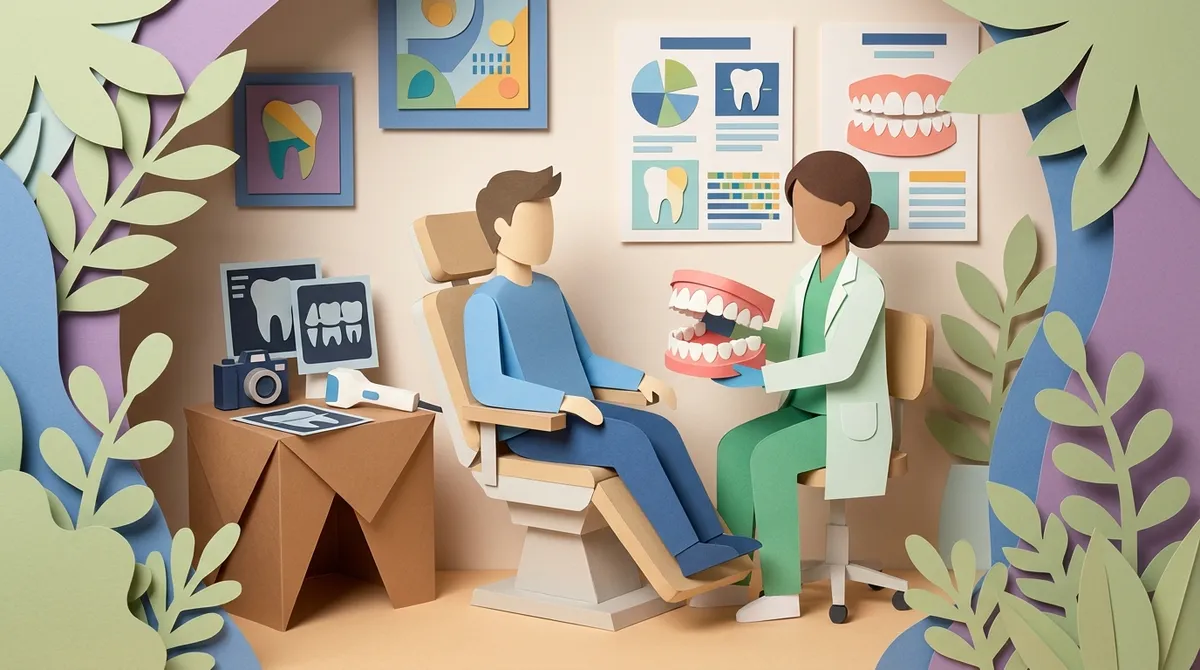
An orthodontic evaluation is a thorough exam performed by an orthodontist. It helps determine whether you or your child needs orthodontic treatment, and if so, what kind. It’s not the same as a regular dental checkup. While your dentist focuses on teeth and gums, an orthodontist specializes in the alignment of teeth and jaws.
The American Board of Orthodontics recommends that children receive their first orthodontic evaluation by age 7. But evaluations are valuable at any age! Whether you’re 8 or 48, there’s never a wrong time to learn more about your smile.
When Should You Schedule an Orthodontic Evaluation?
Knowing the right time to book an evaluation can make a big difference. Here are the most common situations where scheduling one makes perfect sense:
- Your child is around age 7 — Early evaluation allows orthodontists to spot developing issues before they become bigger problems. Learn more about early orthodontic treatment and how it can benefit your child long-term.
- Your teen is entering middle or high school — The teen years are the most common time for orthodontic treatment. Check out what teen orthodontic treatment can look like.
- You’re an adult who wants to improve your smile — Adult orthodontics is more common than ever! Explore the options available through adult orthodontics.
- Your teeth have shifted after previous treatment — This is called relapse, and it’s very fixable. Many adults return to orthodontic care for exactly this reason.
- You have a big event coming up — Weddings, graduations, or career milestones are all great motivators to start the smile journey sooner rather than later.
What to Expect Step by Step
Here’s a simple breakdown of what typically happens during an orthodontic evaluation. Knowing the steps in advance helps take the guesswork out of the visit!
Step 1: Welcome and Medical History Review
The visit begins with some friendly paperwork. You’ll share basic health information, any dental history, and any concerns you have. This helps the orthodontist understand your full picture before even looking in your mouth.
Step 2: Clinical Examination
The orthodontist will take a close look at your teeth, jaws, and bite. They’re checking for issues like crowding, spacing, overbite, underbite, crossbite, and more. You can read more about common orthodontic problems that are typically identified at this stage.
Step 3: X-Rays and Digital Imaging
Most orthodontic evaluations include X-rays or digital scans. These images show what’s happening beneath the surface — like jaw development, tooth roots, and any hidden issues. Many modern practices now use advanced orthodontic technology for more accurate, comfortable imaging without messy impressions.
Step 4: Photos and Records
The team may take photos of your face and smile. These records help the orthodontist create a precise treatment plan and track progress over time. It’s a painless process that only takes a few minutes.
Step 5: Treatment Discussion
This is the exciting part! Your orthodontist will walk you through what they found and what they recommend. You’ll learn about your treatment options — whether that’s traditional braces, clear aligners, or another approach. If you’re curious about what choices are available, explore the types of braces or learn all about clear aligners.
Step 6: Financial Review and Next Steps
Before you leave, someone from the team will go over costs, insurance, and payment options. Many practices offer flexible plans to make treatment accessible. Segovia Orthodontics, for example, provides helpful orthodontic financing options to fit a variety of budgets.
What the Orthodontist Is Looking For
During the evaluation, the orthodontist assesses several key areas. Here’s a quick overview of what they examine:
| Area Examined | What They’re Checking | Why It Matters |
|---|---|---|
| Bite alignment | Overbite, underbite, crossbite | Affects chewing, speech, and jaw health |
| Tooth spacing | Crowding or gaps between teeth | Impacts oral hygiene and aesthetics |
| Jaw development | Symmetry and growth patterns | Key for long-term facial structure |
| Tooth eruption | Baby teeth vs. permanent teeth timing | Identifies early intervention needs |
| Soft tissue | Lips, cheeks, tongue posture | Can affect bite and alignment |
How to Prepare for Your First Visit
A little preparation goes a long way. Here’s what you can do before your orthodontic evaluation to make it smooth and productive:
- Brush and floss before arriving — you’ll thank yourself!
- Bring a list of any medications or health conditions
- Write down any questions or concerns you want to ask
- Bring your dental insurance card if applicable
- If it’s your child’s visit, bring their most recent dental X-rays if available
Also, don’t hesitate to check out what to expect on your first orthodontic visit so you feel fully prepared and confident walking through the door.
Common Orthodontic Problems Discovered at Evaluations
You’d be surprised how many issues are caught early during routine orthodontic evaluations. Here are some of the most common findings:
- Overcrowding — When there isn’t enough space for teeth to grow in properly
- Overbite — When the upper front teeth overlap too far over the lower ones
- Underbite — When the lower jaw protrudes in front of the upper teeth
- Crossbite — When upper teeth sit inside the lower teeth on one or both sides
- Open bite — When front teeth don’t touch when the mouth is closed
- Spacing issues — Gaps between teeth due to missing teeth or jaw size discrepancies
Most of these issues respond beautifully to treatment, especially when caught early. That’s why scheduling an orthodontic evaluation sooner rather than later can make a huge difference in outcomes and treatment length.
Is the Evaluation Painful?
Not at all! The orthodontic evaluation is completely non-invasive and painless. The orthodontist looks in your mouth, takes some digital images, and has a conversation with you. There are no shots, no drilling, and no uncomfortable procedures. Most kids (and adults!) leave their first evaluation feeling relieved and even excited about their treatment options.
At practices like Segovia Orthodontics at Lakewood Ranch, the focus is on creating a warm, welcoming environment where patients of all ages feel comfortable and at ease from the very first visit. Dr. Flor Segovia is a board-certified orthodontist who takes the time to explain everything clearly and answer all your questions.
Treatment Options You Might Be Offered
After the evaluation, you’ll get to explore what treatment path is right for you. Here’s a quick overview of what might be on the table:
- Traditional metal braces — Tried-and-true, highly effective for complex cases
- Clear braces — Same function as metal braces but less noticeable
- Clear aligners — Removable, discreet, and popular among teens and adults
- LightForce braces — Custom 3D-printed braces for a more personalized fit; learn more about LightForce Orthodontics
- WildSmiles braces — Fun, shaped brackets that let kids express their personality! See WildSmiles Braces for details
- Orthodontic retainers — Used after treatment to maintain your results; explore orthodontic retainers
Why Choosing a Qualified Orthodontist Matters
Not all orthodontic evaluations are created equal. The quality of your evaluation depends heavily on the expertise of the person performing it. An orthodontist has completed two to three additional years of specialized training beyond dental school — specifically in tooth movement, jaw development, and facial structure.
When you choose a board-certified orthodontist, you’re choosing someone who has gone above and beyond to demonstrate their skills and knowledge. You can learn more about Dr. Flor Segovia and her qualifications, or find out why choosing the right practice can make all the difference in your treatment experience and results.
We’d love for you to follow along on our Instagram page and our Facebook page for smile transformations, patient stories, and helpful orthodontic tips!
What Happens After the Evaluation?
Once your orthodontic evaluation is complete, the ball is in your court. You might be told that no treatment is needed right now — which is great news! Or, you’ll receive a personalized treatment plan and can decide when you’d like to get started. There’s no pressure, and most practices are happy to answer follow-up questions after you’ve had time to think things over.
If you have any concerns or something unexpected comes up down the road, it’s good to know that help is always available. For urgent situations, learn about what to do during an orthodontic emergency. And if you have general questions about how treatment works, the FAQ orthodontic treatment page is a great resource.
The Bottom Line
An orthodontic evaluation is the best first step you can take toward a healthier, straighter smile. It’s simple, painless, and incredibly informative. Whether you’re a parent wanting the best for your child, a professional looking for a discreet smile fix, or someone getting ready for a big life event — the evaluation gives you the knowledge and confidence to move forward.
You deserve a smile you’re proud of, and it all starts with one visit. Visit us on Google to read reviews from our happy patients, or take the next step today. We’re ready to help you smile bigger and brighter — schedule your orthodontic evaluation with our team at Segovia Orthodontics at Lakewood Ranch, or simply call us at 941-557-1333 to get started!
FAQs
Q: How long does an orthodontic evaluation take?
A: Most orthodontic evaluations take between 30 to 60 minutes from start to finish. It’s a pretty quick visit, but you’ll walk away with a lot of useful information about your smile and your options!
Q: Is an orthodontic evaluation free?
A: Many orthodontic practices offer complimentary initial evaluations — including Segovia Orthodontics at Lakewood Ranch. It’s always a good idea to call ahead and confirm before booking so there are no surprises.
Q: At what age should my child have their first orthodontic evaluation?
A: The American Board of Orthodontics recommends children have their first orthodontic evaluation around age 7. This allows the orthodontist to spot early issues while there’s still plenty of jaw growth happening — which can make treatment simpler and shorter down the road.
Q: Can adults benefit from an orthodontic evaluation?
A: Absolutely! Adults of all ages can benefit from an orthodontic evaluation. Whether you’re considering clear aligners for a more discreet look or want to correct relapse from previous treatment, an evaluation will show you exactly what’s possible for your smile.
Q: Do I need a referral from my dentist to get an orthodontic evaluation?
A: In most cases, you do not need a referral! You can contact an orthodontic practice directly to schedule your evaluation. That said, if your dentist has recommended one, they may already have records or X-rays that can be helpful to bring along.
Our Service Area