

Key Takeaways
-
Orthodontists complete 2-3 years of additional specialty training beyond dental school, making them uniquely qualified to move teeth safely; general dentists offering aligners lack this expertise and may cause gum recession or root damage if treatment is done incorrectly.
-
The American Association of Orthodontists recommends children have their first orthodontic evaluation by age 7 when a mix of baby and adult teeth are present, allowing early detection of problems that could prevent bigger issues down the road.
-
You need both professionals for complete oral care: dentists handle cavities, cleanings, and general health while orthodontists correct alignment and bite issues; continue regular dental visits even during orthodontic treatment since braces make thorough cleaning harder.
-
Adults increasingly choose orthodontic treatment with options like nearly invisible clear aligners that can be removed for eating and professional situations, making it practical to address alignment concerns at any life stage.
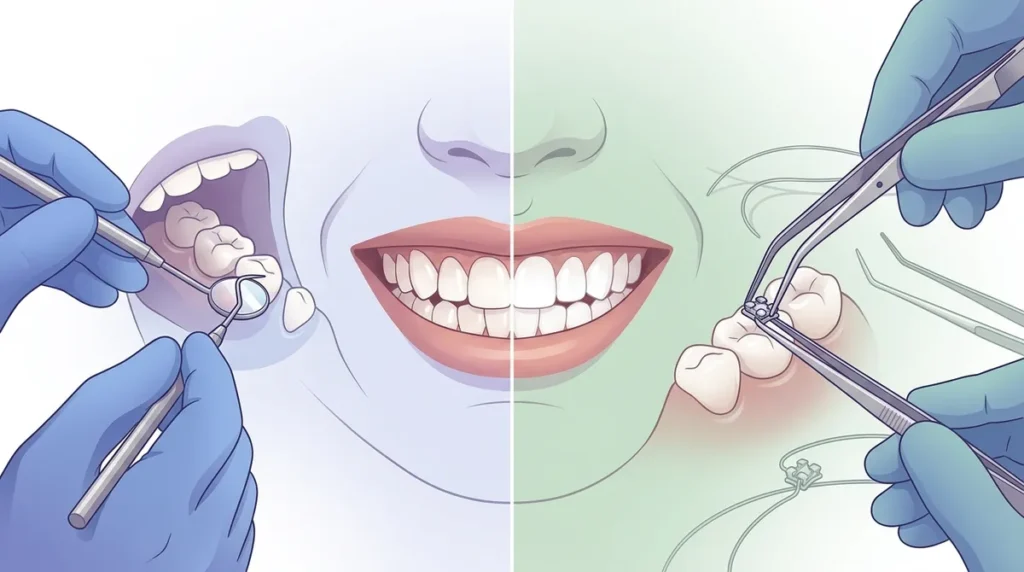
You need help with your teeth, but you’re not sure who to call — your dentist or an orthodontist? It’s a common question, and it’s a great one to ask. While both professionals care for your oral health, they do very different things. Knowing the difference can save you time, money, and confusion. Whether you’re a mom researching options for your child, a young professional thinking about clear aligners, or someone preparing for a big life event, this guide is for you. By the end, you’ll know exactly who to see and when — so you can take the right step toward a healthier, more confident smile.
What Does a Dentist Do?
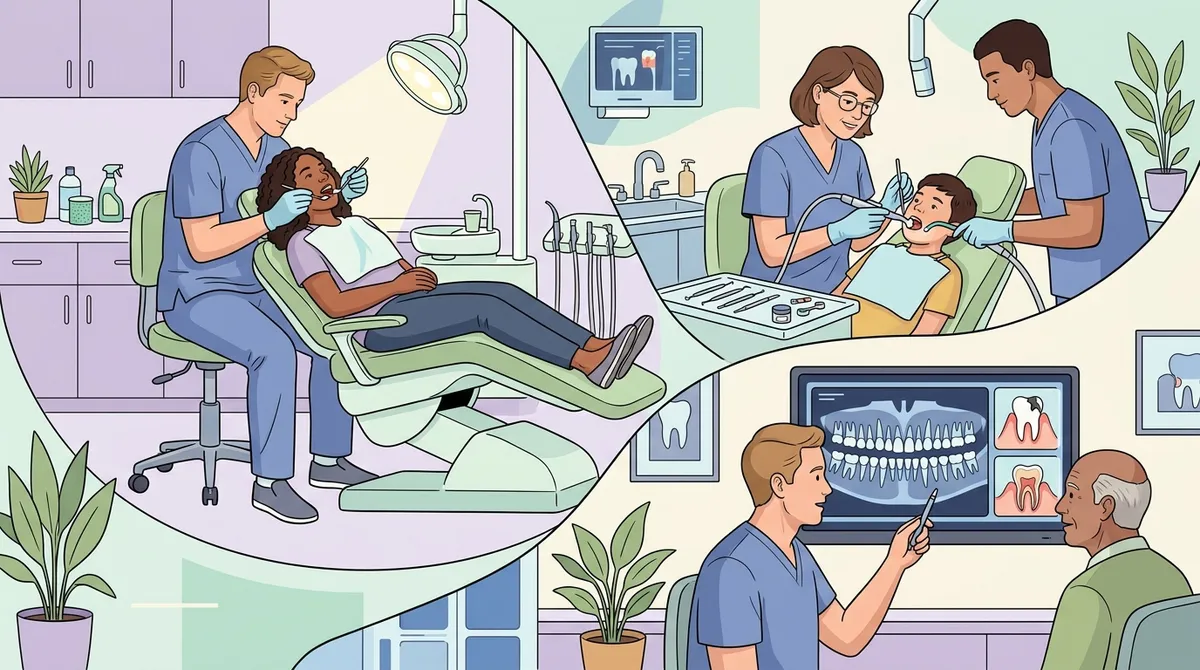
A dentist is your go-to provider for general oral health. They are trained to care for your teeth and gums on a broad level. Think of them as your primary care doctor — but for your mouth.
Here’s what a dentist typically handles:
- Routine cleanings and checkups
- Cavity detection and fillings
- Tooth extractions
- Gum disease treatment
- X-rays and oral cancer screenings
- Crowns, bridges, and veneers
- Teeth whitening
Dentists complete four years of dental school after earning an undergraduate degree. They are skilled at keeping your mouth healthy and catching problems early. Most people visit their dentist every six months for a cleaning and checkup.
What Does an Orthodontist Do?
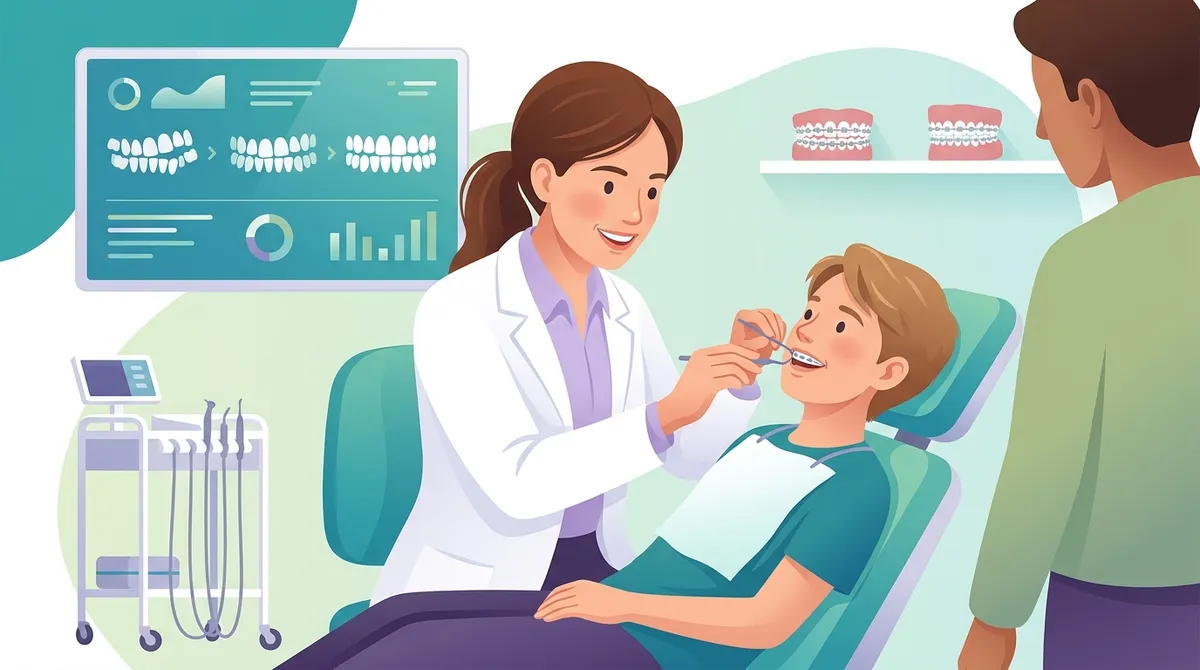
An orthodontist is a specialist. After dental school, they complete two to three additional years of training focused entirely on aligning teeth and jaws. This extra education is what sets them apart.
Orthodontists focus on:
- Straightening crooked or crowded teeth
- Correcting bite problems (overbite, underbite, crossbite)
- Closing gaps between teeth
- Guiding jaw development in children
- Fitting and monitoring braces and clear aligners
- Creating retainers to keep teeth in place after treatment
If you’ve ever wondered why your dentist refers you out for braces, now you know. Orthodontic treatment requires a specialized skill set that goes beyond general dentistry. You can learn more about what this kind of care involves by exploring common orthodontic problems that patients face at every age.
Key Differences Between an Orthodontist and a Dentist
Still unclear on the differences? This comparison table breaks it down simply:
| Feature | Dentist | Orthodontist |
|---|---|---|
| Primary Focus | General oral health | Teeth and jaw alignment |
| Education | 4 years dental school | 4 years dental school + 2-3 years specialty residency |
| Treats Cavities | Yes | No (refers back to dentist) |
| Provides Braces | Sometimes (limited) | Yes (primary service) |
| Provides Clear Aligners | Sometimes (limited) | Yes (primary service) |
| Treats Bite Issues | No | Yes |
| Board Certification Available | Yes | Yes (through the American Board of Orthodontics) |
| Visit Frequency | Every 6 months | Every 4-10 weeks during treatment |
As you can see, both professionals play important roles — but they serve different purposes. You need both for complete oral care.
When to See a Dentist vs an Orthodontist
Knowing when to visit each provider makes life a lot easier. Here’s a simple breakdown to guide you:
Go to Your Dentist When You Have
- A toothache or tooth sensitivity
- Bleeding or swollen gums
- A chipped or broken tooth
- A cavity or tooth decay concern
- It’s time for your routine cleaning and exam
Go to an Orthodontist When You Notice
- Crowded, crooked, or overlapping teeth
- Gaps between teeth that bother you
- Difficulty chewing or biting properly
- Jaw pain or an uneven bite
- A child who is around age 7 and may need early evaluation
The American Association of Orthodontists recommends that children have their first orthodontic evaluation by age 7. Early treatment can prevent bigger issues down the road. You can read more about early orthodontic treatment and why timing matters so much for kids.
Can a Dentist Provide Orthodontic Treatment?
Some general dentists do offer clear aligner treatments as an add-on service. However, there’s an important distinction here. Orthodontists complete years of advanced specialty training dedicated entirely to moving teeth safely and effectively. A board-certified orthodontist has passed rigorous exams to prove their level of expertise.
This matters because moving teeth is more complex than it looks. Done incorrectly, it can cause gum recession, root damage, or a worsened bite. When it comes to your smile, experience and specialized training make a real difference.
Why Adults Are Choosing Orthodontic Care in 2026
Orthodontic treatment isn’t just for teenagers anymore. In 2026, more adults than ever are exploring options like clear aligners and discreet braces. Whether you want to fix relapse from previous treatment or finally address something that’s bothered you for years, it’s never too late to start.
Adults love clear aligners because they’re nearly invisible and easy to remove. You can eat what you want, brush normally, and still look professional during important meetings or events. Learn more about adult orthodontics to see what options might work for your lifestyle.
Treatment Options You’ll Find at an Orthodontist
When you visit an orthodontist, you have more choices than you might think. Here’s a look at the most popular options:
- Traditional metal braces — Durable, effective, and great for complex cases
- Clear braces — Work like metal braces but blend in with your teeth
- Clear aligners — Removable, nearly invisible trays that gradually shift your teeth
- Custom technology braces — Like LightForce Orthodontics, which use 3D-printed brackets for a precise fit
- Fun options for kids — Such as WildSmiles Braces that let kids personalize their look
- Retainers — Used after treatment to keep your smile in its new position
Not sure which option is right for you? Your first visit with an orthodontist will include a full evaluation and a personalized recommendation. Check out what to expect during your first orthodontic visit so you can come prepared.
How Segovia Orthodontics Serves the Lakewood Ranch Community
At Segovia Orthodontics, Dr. Flor Segovia brings a warm, family-friendly approach to orthodontic care. She is a board-certified orthodontist who uses advanced orthodontic technology to make treatment more accurate and comfortable. She also offers bilingual care in English and Spanish, which is a wonderful bonus for families in the Lakewood Ranch area.
Whether you’re bringing in your child for an early evaluation, exploring clear aligners for yourself, or coming back after years away from orthodontic care, you’ll be welcomed with open arms. Dr. Segovia’s goal is simple: help every patient achieve the smile they deserve. You can learn more about her background and approach by visiting the page for Orthodontist Flor Segovia.
We also love staying connected with our patients and community on our Facebook page and our Instagram page, where we share tips, patient stories, and office updates.
How to Make Treatment Work Around Your Life
One of the biggest concerns patients have is cost. Orthodontic treatment is an investment, but it’s one that pays off for a lifetime. The good news is there are flexible options available to make it manageable. Check out orthodontic financing options that fit different budgets and payment preferences.
Just like how services like Buckhorn Power Wash help keep your home looking its best without a huge hassle, modern orthodontic care is designed to fit smoothly into your busy life. And just as Enhanced Aesthetics & Wellness focuses on helping people look and feel their best, orthodontic treatment does the same — from the inside out.
Do You Need Both a Dentist and an Orthodontist?
The short answer is yes — most people benefit from seeing both. Your dentist keeps your teeth clean and healthy. Your orthodontist makes sure they’re aligned and functioning correctly. These two roles work hand in hand.
In fact, most orthodontists will ask that you continue seeing your dentist for regular cleanings during treatment. Braces and aligners can make it harder to clean your teeth thoroughly, so those routine visits become even more important.
A Simple Plan to Follow
- Schedule a routine dental checkup and cleaning every six months
- Ask your dentist if you would benefit from an orthodontic evaluation
- Book your first orthodontic consultation to explore your options
- Follow your orthodontist’s treatment plan and keep up with dental visits
- Wear your retainer after treatment to protect your results
After treatment ends, your orthodontic retainer becomes your best friend. It holds your teeth in their new position and protects everything you worked for.
Your Next Step Toward a Better Smile
Now that you understand the difference between an orthodontist vs dentist, you’re in a great position to make smart decisions for your oral health. If you’ve been wondering whether you or your child might benefit from orthodontic care, the best time to find out is now.
You can visit us on Google to read what our patients are saying, or explore our orthodontic treatment FAQs to get answers to your biggest questions. We believe everyone deserves a smile they love, and we’re here to help make that happen.
Ready to take the first step? Schedule your consultation with our team today and let’s start your smile journey together. You can also call us at 941-557-1333 — we’d love to hear from you!
FAQs
Q: Can an orthodontist fix cavities or do fillings?
A: Nope — that’s your dentist’s department! Orthodontists focus specifically on aligning teeth and correcting bite issues. If you have a cavity, your orthodontist will refer you back to your general dentist to get it treated before or during orthodontic treatment.
Q: Do I need a dentist referral to see an orthodontist?
A: In most cases, no referral is needed! You can contact an orthodontic office like Segovia Orthodontics directly to schedule a consultation. That said, your dentist may recommend one if they notice alignment concerns during a routine visit — which is always a great heads-up to have.
Q: At what age should my child first see an orthodontist?
A: The American Association of Orthodontists recommends a first orthodontic evaluation around age 7. At this age, a mix of baby and adult teeth are present, which makes it easier for an orthodontist to spot developing problems and plan ahead — even if treatment isn’t needed right away.
Q: Is it okay to get braces from a general dentist instead of an orthodontist?
A: Some general dentists do offer aligner treatments, but orthodontists have two to three extra years of specialized training in moving teeth safely. For the best results — especially for complex cases — seeing a board-certified orthodontist is highly recommended.
Q: How is an orthodontist vs dentist different when it comes to cost?
A: Dentist visits for cleanings and checkups are typically covered by dental insurance, while orthodontic treatment is a separate investment often covered partially by insurance. Many orthodontic offices offer flexible financing plans to help make treatment affordable for families and individuals.
Our Service Area

