Key Takeaways
-
Malocclusion is the orthodontic term for a 'bad bite,' and alignment problems can affect appearance, chewing, speech, and cleaning, or sometimes cause no symptoms at all.
-
The most common alignment problems are crowding, spacing, overbite, overjet, underbite, crossbite, and open bite, each describing a different tooth or jaw relationship.
-
Genetics, thumb-sucking or pacifier habits, early or late baby tooth loss, missing or extra teeth, impacted teeth, and jaw growth differences all contribute to alignment problems.
-
Treatment options include braces, clear aligners, expanders for growing children, and surgery in rare cases, and only an orthodontic evaluation can determine the best fit.
-
Treatment typically takes several months to a few years, and it usually begins around age 12 to 13 once most adult teeth have come in, though an early check-around age 7 can help.
-
Wearing a retainer after active treatment is essential to keep teeth in their new positions, since teeth can shift back over time if it is skipped.
Have you ever caught your reflection in a photo and thought, “Why are my teeth doing that?” You are far from alone. Teeth alignment problems are some of the most common reasons people walk into an orthodontist’s office, and the good news is that nearly all of them can be improved with the right plan.
Maybe your child’s front teeth are crowding together. Maybe you had braces as a teen and your smile has slowly shifted since. Or maybe you simply feel your bite is a little “off” when you chew. Whatever brings you here, this guide will walk you through what alignment problems are, why they happen, and how modern orthodontic care can fix them.
We will keep things simple and friendly, with no confusing jargon. By the end, you will know the main types of teeth alignment problems, what causes them, and which treatments might fit your life. Let’s get started!
What Are Teeth Alignment Problems?
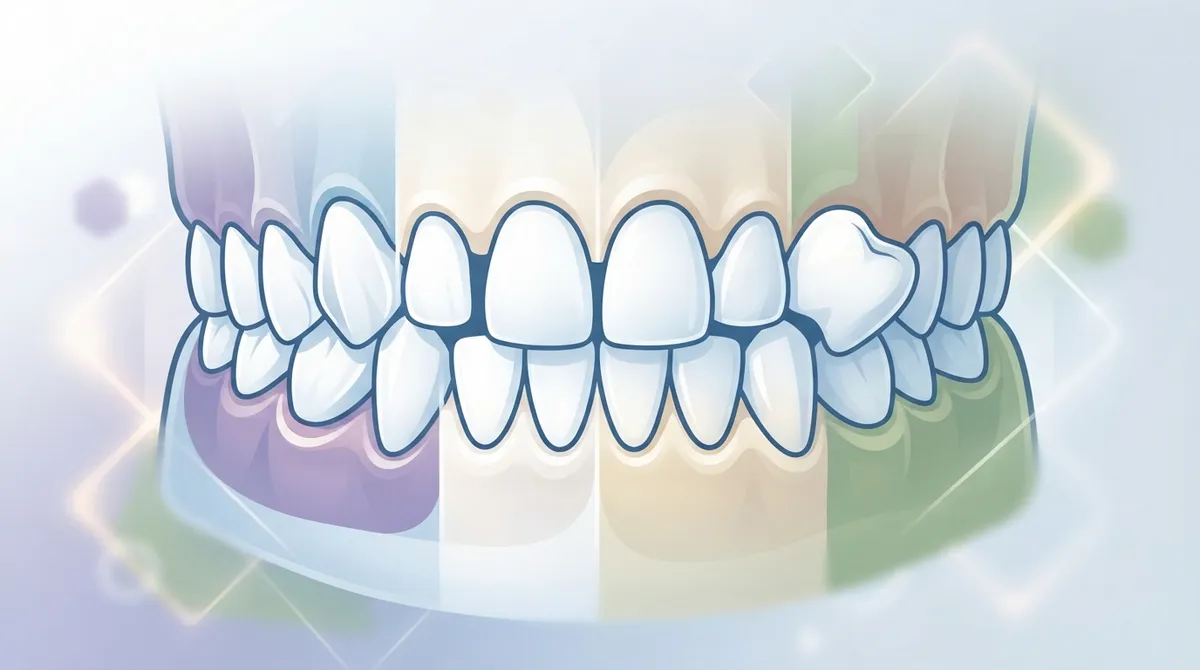
In everyday language, teeth alignment problems mean your teeth are crooked, crowded, spaced too far apart, or not meeting the way they should. Orthodontists call this malocclusion, which simply means a “bad bite.”
Malocclusion can involve the position of your teeth, the relationship between your upper and lower jaws, or both. Some people have mild issues they barely notice. Others have bite problems that affect how they chew, speak, or clean their teeth. Learn more about common orthodontic problems and how they are grouped.
Here is a helpful thing to remember: not every alignment problem causes pain or symptoms. That is why a professional exam matters. A dental professional can tell you whether a particular problem truly needs treatment or is simply a cosmetic preference.
The Most Common Types of Teeth Alignment Problems
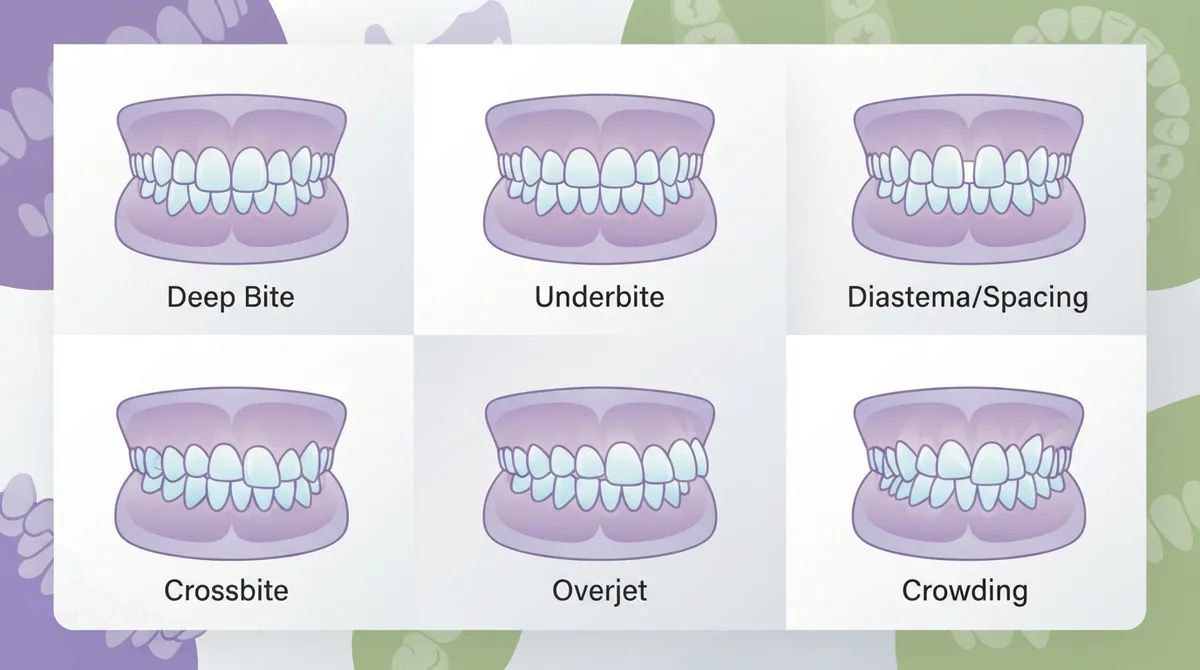
Alignment problems come in several patterns. The terms sound similar, but they describe different things, so it helps to know the difference.
Crowding and Spacing
Crowding happens when there is not enough room in the jaw for all your teeth. They overlap, twist, or push forward. Spacing is the opposite, where gaps appear between teeth. Spacing can come from smaller teeth, a larger jaw, or missing teeth. If this sounds familiar, our guide on how to fix crowded teeth is a great next read.
Overbite and Overjet
These two get mixed up all the time! An overbite is when your upper front teeth cover too much of your lower front teeth vertically. An overjet is when your upper front teeth stick out forward past the lower ones. You can have one, the other, or both.
Underbite
An underbite is when your lower teeth sit in front of your upper teeth. It often involves jaw growth, so early evaluation can help. See the best options for underbite correction to learn more.
Crossbite
A crossbite happens when some upper teeth sit inside the lower teeth when you bite down. It can affect just a few teeth or a whole side of the mouth.
Open Bite
An open bite means some teeth, often the front ones, do not touch when your jaws close. This can make biting into certain foods tricky.
| Alignment Problem | What It Looks Like | Common Concern |
|---|---|---|
| Crowding | Overlapping or twisted teeth | Hard to clean, appearance |
| Spacing | Gaps between teeth | Appearance, food traps |
| Overbite | Upper teeth cover lower teeth too much | Bite function, wear |
| Overjet | Upper teeth stick out forward | Appearance, risk of injury |
| Underbite | Lower teeth sit ahead of upper | Chewing, jaw balance |
| Crossbite | Upper teeth sit inside lower teeth | Uneven wear, jaw shift |
| Open Bite | Teeth do not meet when closed | Biting, speech |
What Causes Teeth Alignment Problems?
Here is a comforting truth: alignment problems are rarely anyone’s “fault.” They are usually a mix of several factors working together.
- Genetics: Inherited differences in tooth size, jaw size, and jaw shape are major contributors. If a parent had crowded teeth, a child may too.
- Thumb-sucking and pacifier use: Habits that continue for a long time can influence how teeth and the upper jaw develop.
- Early or late loss of baby teeth: Losing baby teeth too soon or too late can change how adult teeth come in.
- Missing or extra teeth: A missing tooth leaves a gap, while an extra tooth can crowd the others.
- Impacted teeth: Teeth that get stuck under the gums can push neighbors out of place.
- Jaw growth differences: When the upper and lower jaws grow at different rates, bite problems can follow.
Teeth can also shift over time, especially if you stopped wearing a retainer after braces. Curious why? Read why teeth shift back after braces come off.
Can Alignment Problems Affect More Than Your Smile?
Often, yes. While appearance is the top reason many people seek treatment, alignment can also affect everyday function. Depending on the person and the severity, misalignment may:
- Make chewing or biting less comfortable
- Make teeth harder to brush and floss well
- Cause uneven wear on certain teeth
- Affect how you feel about smiling in photos or at work
Some people have no noticeable symptoms at all, and that is perfectly normal. The key is getting a professional opinion so you are making choices with real information instead of guesses. If you want a deeper look at the health side, check out how to protect your dental health with orthodontics.
How Are Alignment Problems Diagnosed?
A diagnosis starts with a friendly, simple visit. During an evaluation, your orthodontist will look closely at your teeth and bite. Depending on your case, the exam may include:
- A visual and hands-on exam of your teeth, gums, and bite
- Photographs of your face and smile
- Digital scans or dental impressions to map your tooth positions
- X-rays to see tooth roots, jaw relationships, and teeth still under the gums
Your treatment plan depends on your diagnosis, how severe the problem is, your age, your overall dental health, and whether your jaws are still growing. Want to know what to expect? Our article on what happens during an orthodontic evaluation walks you through it step by step.
Treatment Options for Teeth Alignment Problems
The best news about teeth alignment problems is how many options exist today. Not every option suits every case, so an orthodontic assessment is the only way to know what fits you best.
Traditional and Specialty Braces
Braces use brackets and wires to move teeth gradually into place. They are excellent for a wide range of cases, including complex bite problems. At Segovia Orthodontics, patients can choose from options such as LightForce braces, which use 3D-printed, custom-fitted brackets designed to support efficient treatment. For younger patients, WildSmiles braces offer fun bracket shapes that make the journey more enjoyable. You can also explore the different types of braces available.
Clear Aligners
Clear aligners are removable, nearly invisible trays that gradually shift your teeth. They are a popular pick for adults and teens who want a discreet look. Learn more on our clear aligners page. Not sure which route to take? Compare them in braces vs. clear aligners.
Expanders and Other Appliances
For some children and teens, an expander or other appliance can create room or guide jaw growth. These tools are often used as part of early orthodontic treatment.
Other Care in Selected Cases
A small number of cases may call for tooth removal to create space, restorative dental work, or jaw surgery for significant skeletal differences. Your orthodontist will tell you honestly if your case needs any of these.
| Treatment | Best For | Key Feature |
|---|---|---|
| Traditional or custom braces | Mild to complex cases | Fixed, highly versatile |
| Clear aligners | Many mild to moderate cases | Removable and discreet |
| Expanders and appliances | Growing children and teens | Guides jaw development |
| Surgery (selected cases) | Significant jaw differences | Corrects skeletal issues |
How Long Does Treatment Take?
Most people want to know the timeline, and that is a fair question! Treatment commonly takes anywhere from several months to a few years, depending on how complex your case is. The NHS notes that orthodontic treatment typically lasts about 12 months to 2.5 years, though every person is different.
Timing also matters for kids. The NHS says treatment usually begins once most adult teeth have come in, often around age 12 to 13, but it can be earlier or later. Some children benefit from an early check-in around age 7. If you are wondering whether your child is ready, read when your child should get braces.
Which Option Fits Your Life?
Different people come to orthodontics for different reasons. Here is how treatment can match your situation.
- Busy parents: Look for a practice with flexible scheduling and a kid-friendly atmosphere so appointments fit around school and activities.
- Young professionals: Discreet options like clear aligners or clear braces can keep your smile looking natural at work.
- Career-focused adults: Efficiency matters. Digital planning tools and custom braces can help streamline treatment.
- Big-event planners: Graduations and weddings are wonderful motivators. Start early so your results are ready in time.
- Adults with relapse: If your teeth shifted after past braces, you are not starting over from scratch. See our guide to adult orthodontics for ways to get back on track.
Don’t Skip the Retainer!
Finishing braces or aligners is a big celebration, but the work is not quite done. Retainers are generally needed after active treatment to help keep your teeth where they are. Your orthodontist will tell you what type to wear and for how long.
Think of a retainer like a seatbelt for your smile. It is a small daily habit that protects a big investment. Explore your choices with our guide to orthodontic retainers.
Choosing the Right Orthodontist
Your results depend a lot on who guides your care. Look for a board-certified specialist who uses modern technology, explains your options clearly, and makes you feel comfortable. You can verify credentials through the American Board of Orthodontics.
At Segovia Orthodontics at Lakewood Ranch, Dr. Flor Segovia provides personalized care for all ages in a warm, supportive environment, with bilingual service in English and Spanish. Learn more about Dr. Flor Segovia and why families choose us. You can also see what patients say by visiting Segovia Orthodontics on Google, or follow along on our Instagram page and our Facebook page for smile stories.
Worried about cost? Flexible plans can make care easier. Read about orthodontic financing to see what is possible.
Ready to Fix Your Teeth Alignment Problems?
Teeth alignment problems are common, they are rarely your fault, and they are very treatable. Whether you are a parent wondering about your child, a professional who wants a discreet fix, or an adult whose smile has shifted, there is a path that fits you.
The first step is simply having someone take a look. Your first visit is a chance to ask questions, understand your options, and feel confident about what comes next. Our guide to the first orthodontic visit can help you prepare.
Ready to take that step? Request an appointment today, call us at 941-557-1333, or contact us with any questions. We would love to help you smile with confidence in 2026 and beyond!
FAQs
Q: What are the most common teeth alignment problems?
A: The most common ones are crowding, spacing, overbite, overjet, underbite, crossbite, and open bite. Each describes a different tooth or bite relationship, so a quick exam helps pinpoint exactly what is going on with your smile.
Q: What is the difference between an overbite and an overjet?
A: An overbite is when your upper front teeth cover too much of your lower teeth vertically. An overjet is when your upper front teeth stick out forward past your lower teeth. They are different problems, though some people have both.
Q: Can clear aligners correct my bite, or do I need braces?
A: Clear aligners can help many mild to moderate alignment and bite concerns, while braces are often chosen for more complex cases. Only an orthodontic evaluation can tell you which option fits your needs best.
Q: How long does treatment for misaligned teeth take?
A: Treatment commonly takes several months to a few years, with the NHS noting roughly 12 months to 2.5 years for many patients. Your timeline depends on how complex your case is and how well you follow your plan.
Q: Do I need to wear a retainer after braces or aligners?
A: Yes, retainers are generally needed after active treatment to help keep your teeth in their new positions. Your orthodontist will recommend the right type and how long to wear it so your smile stays beautiful.
Our Service Area