Key Takeaways
-
Schedule your child’s first orthodontic check-up by age 7, even if braces aren’t needed yet, to catch jaw growth issues and bite problems early while there’s still time to guide development.
-
Most children begin active braces treatment between ages 8 and 14 once permanent teeth have come in; modern braces are now more comfortable, efficient, and fun with options like custom WildSmiles or 3D-printed LightForce braces that reduce treatment time by up to 45%.
-
Establish a strict daily oral hygiene routine during treatment: brush after every meal around brackets, floss daily with threaders, and visit the dentist every 6 months to prevent cavities and white spot lesions.
-
Avoid sticky, hard, and chewy foods like popcorn, caramel, hard candy, and corn on the cob that can damage brackets; softer foods during the first few days after adjustments help reduce soreness.
-
Retainers are non-negotiable after braces come off since teeth naturally shift back to old positions; wear them full-time initially, then nightly as recommended to protect your child’s new smile permanently.
-
Children can continue sports and activities with braces by wearing a properly fitted mouthguard designed for braces to protect lips, cheeks, and brackets from impact during contact sports.
Watching your child grow is amazing, but noticing crooked teeth or a shifting bite can bring up a lot of questions. When is the right time to see an orthodontist? Will my child need children’s braces? What does treatment even look like these days? If you’re a busy mom juggling soccer practice, homework, and everything in between, you want clear answers without the confusion.
The good news is that orthodontic care for kids has come a long way. Today’s children’s braces are more comfortable, more efficient, and honestly, a lot more fun than what many parents remember from their own childhood. At Segovia Orthodontics in Lakewood Ranch, Dr. Flor Segovia and her team focus on making every visit friendly, easy, and stress-free for kids and parents alike. Let’s walk through everything you need to know about children’s braces, from the first check-up to the last retainer visit.
Why Early Orthodontic Check-Ups Matter
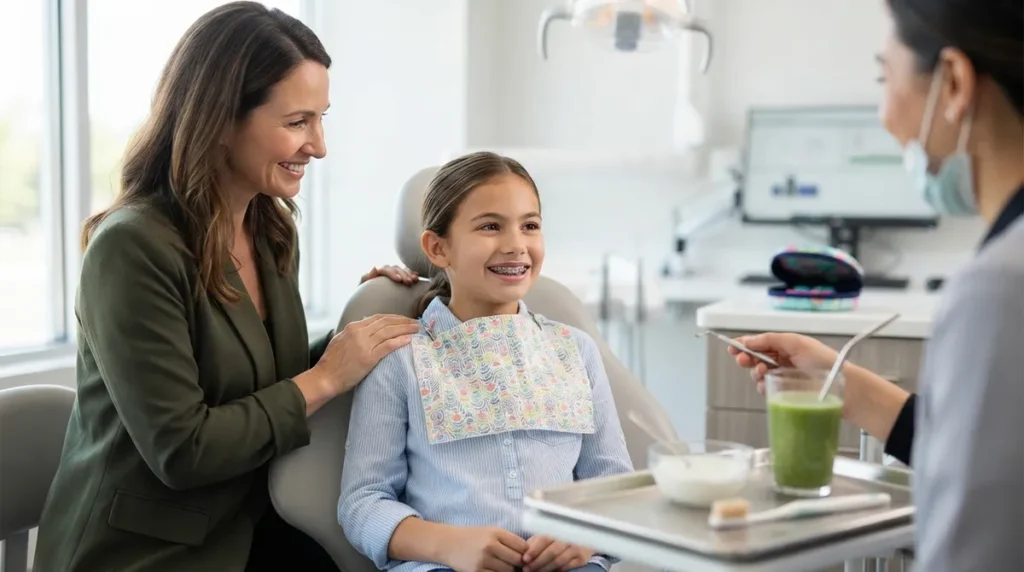
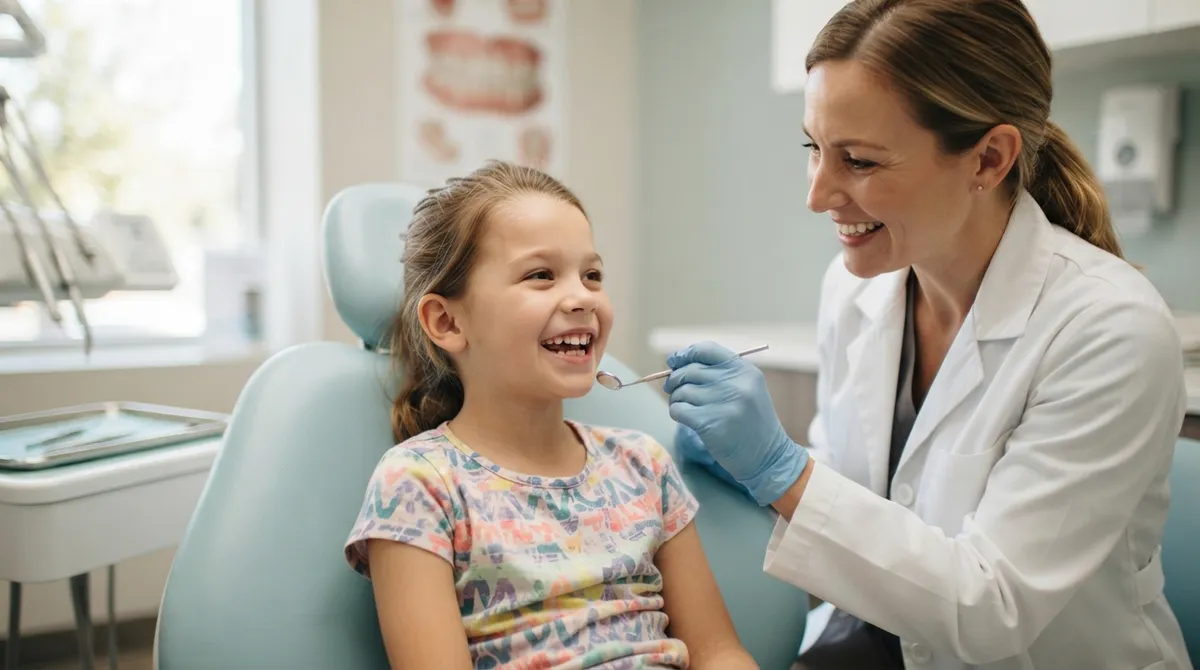
The American Association of Orthodontists recommends that every child have their first orthodontic check-up by age 7. That might sound early, especially if your child still has baby teeth. But this first visit isn’t about starting braces right away. It’s about catching potential problems while your child’s jaw is still growing.
An early evaluation lets Dr. Segovia spot issues like crowding, bite problems, or jaw growth concerns before they become bigger challenges. Sometimes early treatment can guide the jaw and create room for permanent teeth. Other times, the orthodontist will simply keep an eye on things and schedule follow-up visits. Either way, you’ll have peace of mind knowing you didn’t miss an important window. Learn more about what happens at this stage with our guide to early orthodontic treatment.
Signs Your Child Might Need Braces
You don’t have to be an expert to notice some early warning signs. Here are common signs parents often catch at home:
- Baby teeth falling out very early or very late
- Difficulty chewing or biting food
- Teeth that look crowded or crooked
- Jaws that shift or make sounds when opening and closing
- Thumb-sucking habits lasting past age 5
- Teeth that don’t meet correctly when the mouth is closed
If you notice any of these, it’s worth scheduling a visit. You can read more about these warning signs in our article on signs your child should see an orthodontist now.
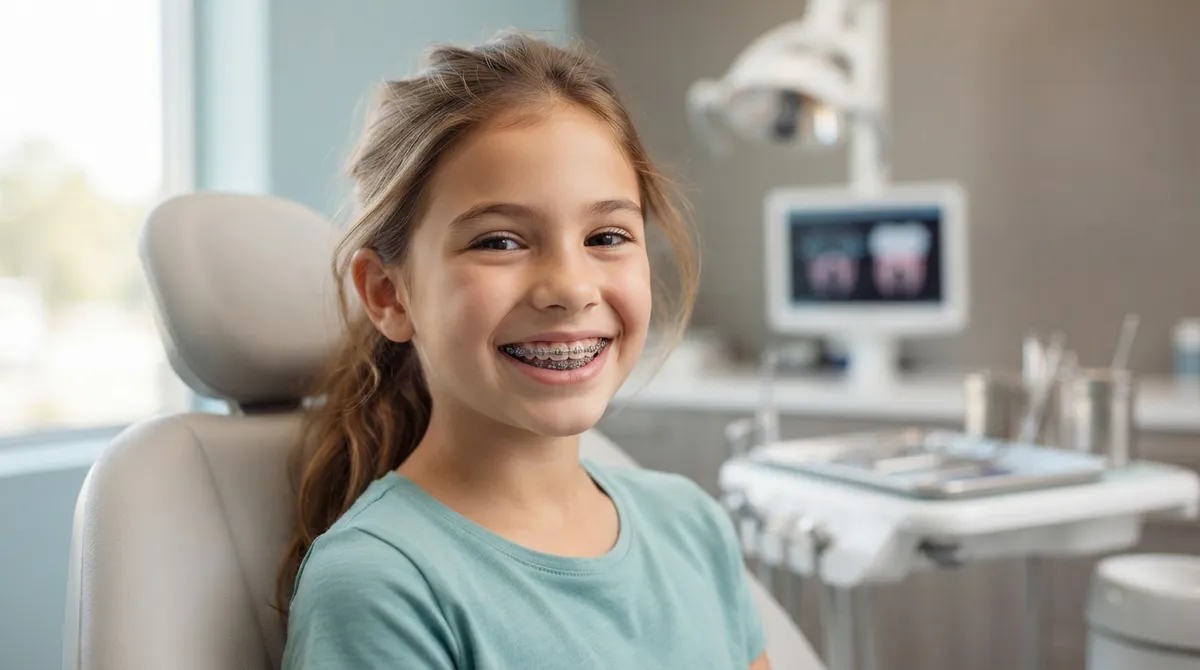
What Is the Best Age for Kids to Get Braces?
While the first check-up happens around age 7, most children begin active treatment with children’s braces between ages 8 and 14. This range often lines up with when most permanent teeth have come in, according to Nationwide Children’s Hospital. Comprehensive treatment tends to work best once the adult teeth are mostly present, giving the orthodontist a clear picture of how to align everything.
Every child grows at their own pace, though. Some kids benefit from a two-phase approach, starting with early treatment and finishing with full braces later. Others go straight into comprehensive treatment as a preteen or teenager. Dr. Segovia will always personalize the plan based on your child’s specific needs, not a one-size-fits-all timeline.
How Braces Actually Work
Children’s braces use gentle, steady pressure to slowly move teeth into better positions. Brackets attach to each tooth, and a wire connects them, guiding teeth over time. It’s a slow process, but that’s actually a good thing. Slow, steady movement helps prevent damage to the tooth roots and supports lasting results.
On average, treatment with braces takes about two years, according to Nemours KidsHealth. Of course, this varies depending on how complex the case is and how well your child follows care instructions.
Types of Children’s Braces to Consider
Modern orthodontics offers more options than the metal braces many parents remember. Here’s a simple comparison of popular choices available for kids at Segovia Orthodontics.
| Braces Type | Best For | Key Benefit |
|---|---|---|
| Traditional Metal Braces | Most bite and alignment issues | Durable, effective, budget-friendly |
| WildSmiles Braces | Kids who want fun, personalized style | Custom shapes like stars, hearts, and Mickey Mouse |
| LightForce Braces | Kids needing precise, faster treatment | 3D-printed custom brackets, up to 45% faster |
| Angel Aligners | Older kids and teens wanting a discreet option | Clear, removable trays with AI-driven planning |
Our WildSmiles Braces are especially popular with younger kids. These brackets come in fun shapes like Super-Stars, Flower-Power, Wild-Hearts, and even Mickey Mouse designs for Disney-loving kids. There are also Disney-themed elastics inspired by movies like Frozen and Finding Nemo. When kids feel excited about their braces, they’re more likely to brush well, floss regularly, and stick with their treatment plan.
For families wanting cutting-edge technology, LightForce Orthodontics offers fully custom, 3D-printed brackets designed to fit your child’s teeth exactly. This can mean more comfort and treatment times reduced by up to 45% compared to traditional approaches. Dr. Segovia uses advanced orthodontic technology to plan and adjust treatment with impressive precision.
Caring for Teeth During Treatment
Good oral hygiene becomes even more important once braces go on. Food particles can get stuck around brackets and wires, leading to plaque buildup if not cleaned properly. Here’s a simple routine to follow every day:
- Brush after every meal, using a soft-bristled toothbrush angled around each bracket
- Floss once daily using floss threaders or an orthodontic flosser
- Rinse with an antibacterial or fluoride mouthwash if recommended
- Replace the toothbrush every 3 to 4 months, or sooner if bristles fray
- Visit the dentist for a professional cleaning every 6 months
These simple habits go a long way in preventing white spot lesions and cavities during treatment. Interestingly, our WildSmiles brackets are actually designed to make brushing easier. Their unique shapes help keep plaque from settling on the tooth’s surface, and if you can still see the shape clearly after brushing, that’s a good sign your child is brushing thoroughly.
Foods to Avoid With Children’s Braces
Certain foods can damage brackets or get stuck in wires, so it helps to know what to avoid. Here’s a quick list to keep on the fridge:
- Popcorn and pretzels
- Chewing gum
- Caramel and other sticky candies
- Hard candy or ice
- Nuts and hard chips
- Corn on the cob (cut it off the cob instead)
Sticking to softer foods during the first few days after adjustments can also help with any soreness. For a full breakdown, check out our detailed list of foods to avoid with braces.
Adjustment Visits and What to Expect
Once braces are on, your child will need regular visits to keep treatment moving forward. These appointments usually happen every 4 to 8 weeks. During each visit, Dr. Segovia will check progress and make small adjustments to the wires or brackets.
Here’s a simple breakdown of what typically happens during treatment:
- Initial consultation and evaluation
- Braces placement appointment
- Regular adjustment visits every several weeks
- Progress checks and any needed corrections
- Braces removal once treatment goals are met
- Retainer fitting to maintain results
It’s completely normal for teeth to feel a little sore for a day or two after each adjustment. This is simply a sign that the braces are doing their job. Cold foods, over-the-counter pain relievers, and orthodontic wax can help ease any discomfort.
Retainers: The Final Step
Once the braces come off, the work isn’t quite finished. Teeth naturally want to shift back toward their old positions, so orthodontic retainers play a key role in protecting your child’s new smile. Most kids wear retainers full-time for a period, then switch to nighttime wear only.
Skipping retainer wear is one of the most common mistakes families make after treatment, so sticking to the schedule Dr. Segovia recommends really matters.
Sports, Activities, and Braces
Good news for active kids: braces don’t mean sitting on the sidelines. Children with braces can absolutely continue playing sports, but a properly fitted mouthguard is essential. A mouthguard protects the lips, cheeks, and braces from impact during physical activity.
Musical instruments that involve mouthpieces may take a short adjustment period too, but most kids adapt quickly. If your child plays contact sports like football, soccer, or basketball, ask our team about mouthguard options designed specifically for braces.
Why Families Choose Segovia Orthodontics
Dr. Flor Segovia is a board-certified orthodontist, meaning she has met rigorous standards set by the American Board of Orthodontics. She also provides bilingual care in English and Spanish, which makes communication easier for many families in the Lakewood Ranch area.
Our practice focuses on creating a warm, family-friendly environment where kids actually look forward to their appointments. From flexible scheduling for busy parents to fun bracket options like WildSmiles, we want every child’s experience to feel positive from start to finish. Learn more about our approach on our Why Choose Us page, or read about our founder on the Orthodontist Flor Segovia page.
Curious what other parents think? You can visit us on Google to see reviews from Segovia Orthodontics families, or follow along with real patient smiles on our Facebook page and our Instagram page.
Making Treatment Affordable
Cost is often top of mind for parents considering children’s braces. The good news is that flexible financing options can make treatment fit almost any budget. Our team can walk you through payment plans during your child’s first visit, so there are no surprises later. Take a look at our orthodontic financing options to get a better sense of what’s available.
Ready to Take the Next Step?
Getting your child started with orthodontic care doesn’t have to be stressful. With the right team, it can actually be an exciting journey toward a healthier, more confident smile. If you’ve noticed any signs it might be time for an evaluation, don’t wait. Request an appointment today, or feel free to contact us with any questions about children’s braces. You can also call us at 941-557-1333 to speak with our friendly Lakewood Ranch team directly. We can’t wait to help your child smile with confidence for years to come.
FAQs
Q: At what age should a child first see an orthodontist?
A: The American Association of Orthodontists recommends a first check-up by age 7. Don’t worry if braces aren’t needed yet, this visit simply helps catch any issues early while there’s still time to guide growth.
Q: What is the best age for kids to get braces?
A: Most kids start active treatment between ages 8 and 14, once most permanent teeth have come in. That said, every child is different, and Dr. Segovia will recommend the timing that fits your child best.
Q: How long do children’s braces usually stay on?
A: On average, treatment takes about two years, though this can vary based on how complex the case is. Some kids finish sooner, especially with advanced options like LightForce braces.
Q: What foods should kids avoid with braces?
A: Sticky, hard, and chewy foods like caramel, popcorn, and hard candy can damage brackets or wires. Sticking to softer foods, especially right after adjustments, keeps treatment on track and pain-free.
Q: Do kids need retainers after braces come off?
A: Yes, retainers are essential for keeping teeth in their new positions. Teeth naturally want to shift back, so wearing a retainer as recommended protects all that hard work.
Our Service Area