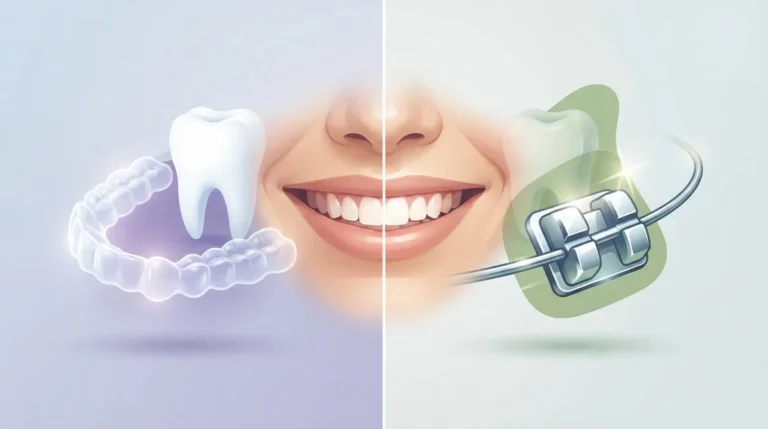
Key Takeaways
-
The American Board of Orthodontics recommends children have their first orthodontic screening by age 7, when they have a mix of baby and adult teeth that allows orthodontists to spot developing problems early.
-
Early orthodontic evaluation can simplify treatment, reduce costs, and may shorten future braces treatment by guiding proper jaw growth before it’s fully developed.
-
Six key warning signs warrant an orthodontist visit: crowded/crooked teeth, abnormal baby tooth loss timing, difficulty chewing, mouth breathing or thumb sucking past age 5, jaw clicking/shifting, and protruding teeth.
-
Some orthodontic problems are significantly easier and less expensive to fix when the jaw is still growing, making early intervention a game-changer for certain bite and spacing issues.
-
Early treatment (Phase 1) doesn’t replace later braces but makes the second phase faster and simpler, potentially improving facial symmetry and building confidence during critical growth years.
-
Choose a board-certified orthodontist who has completed extra training beyond dental school, ensuring your child receives care from the most qualified specialist available.
As a parent, you want the best for your child — including a healthy, beautiful smile. But it can be hard to know exactly when your child should see an orthodontist. Is age 7 too early? Is waiting until all adult teeth come in too late? These are questions nearly every parent asks at some point, and you’re definitely not alone!
The good news is that spotting early warning signs can make a huge difference. Getting an orthodontic evaluation at the right time can simplify treatment, reduce costs, and set your child up for a lifetime of confident smiles. In this guide, we’ll walk you through 6 clear signs that it’s time to book your child’s first orthodontic visit — plus everything you need to know to feel prepared and confident going in.
What Age Should My Child First See an Orthodontist?
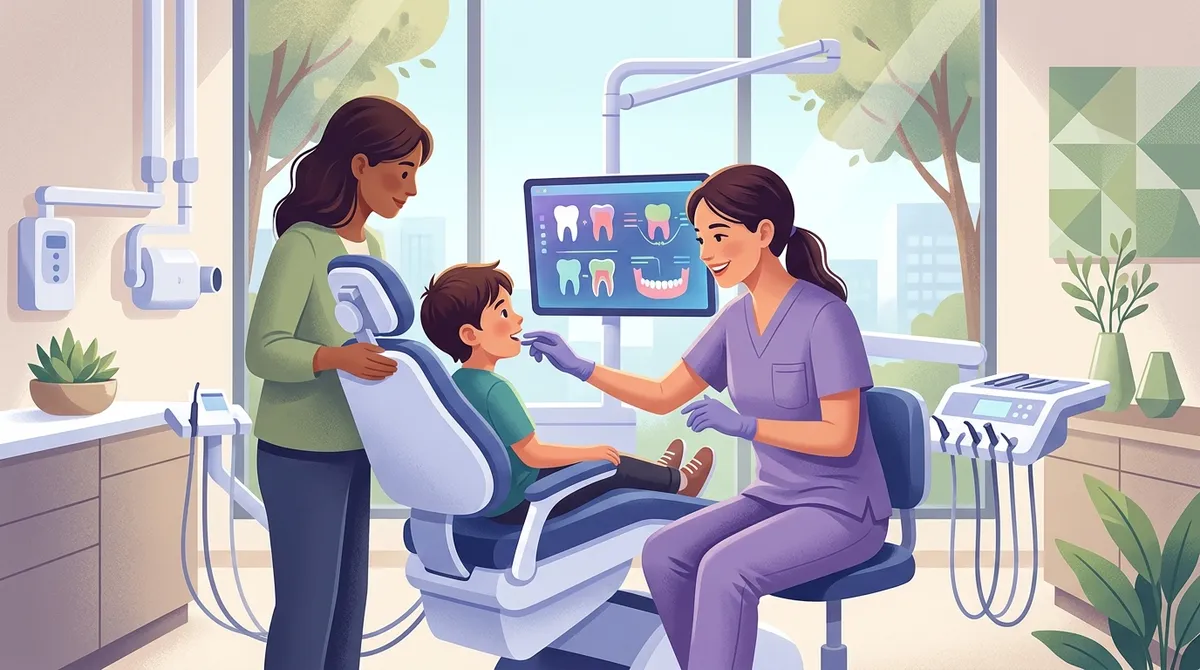
The American Board of Orthodontics recommends that children have their first orthodontic screening by age 7. At this age, most kids have a mix of baby and adult teeth, which gives an orthodontist the perfect window to spot developing problems early.
An early visit doesn’t always mean treatment starts right away. In many cases, the orthodontist will simply monitor your child’s growth and let you know when the right time to begin treatment is. You can learn more about what to expect by reading about early orthodontic treatment and what it involves.
6 Signs Your Child Should See an Orthodontist
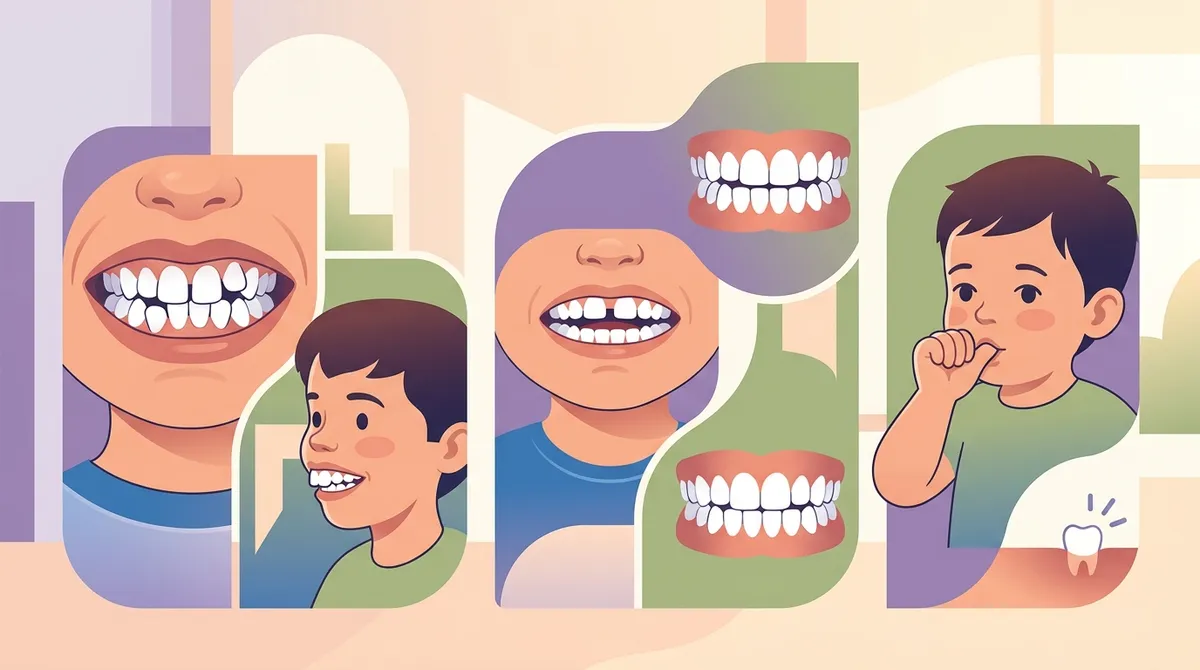
1. Crowded, Crooked, or Overlapping Teeth
One of the most common reasons parents bring their children in is crowded or crooked teeth. When there isn’t enough room in the mouth for all the teeth to fit properly, they start to overlap or twist. This can make it harder to brush and floss effectively, which leads to cavities and gum problems down the road.
Crowded teeth are very common, and the great news is they’re very treatable! Fixing crowded teeth in Lakewood Ranch is something families do every day with the right orthodontic care.
2. Early or Late Loss of Baby Teeth
Baby teeth usually fall out in a predictable order and timeline. If your child loses teeth too early (before age 5) or too late (still has baby teeth past age 13), it could signal an underlying issue. Early tooth loss can cause neighboring teeth to shift, while delayed loss may block adult teeth from coming in properly.
Keeping track of when your child’s teeth fall out is a simple but powerful way to stay on top of their dental development. If something seems off, it’s always worth checking in with an orthodontist.
3. Difficulty Chewing or Biting
Does your child avoid certain foods or seem uncomfortable while chewing? Difficulty biting or chewing can be a sign of a bite problem. These include overbites, underbites, crossbites, or open bites — all of which affect how the upper and lower teeth come together.
Bite problems don’t always hurt at first, but they can cause jaw discomfort and uneven wear on teeth over time. You can explore common orthodontic problems to better understand what might be going on with your child’s bite.
4. Mouth Breathing or Thumb Sucking Past Age 5
Habits like thumb sucking or pacifier use are perfectly normal in toddlers. However, if these habits continue past age 5, they can start to affect the shape of the palate and the positioning of teeth. Similarly, children who breathe mostly through their mouths may develop narrow arches and crowding over time.
These are things an orthodontist can catch early and address before they become bigger problems. Early intervention can save a lot of time and expense later on.
5. Jaw Shifting, Clicking, or Popping
If you notice your child’s jaw clicking when they open and close their mouth, or if their jaw seems to shift to one side, that’s worth looking into. These symptoms can point to bite misalignment or jaw joint issues that may need early attention.
At Segovia Orthodontics, Dr. Flor Segovia is experienced in identifying these early jaw concerns and recommending the right course of action for growing children. You can also read about TMJ concerns and orthodontic care to understand what these symptoms might mean.
6. Protruding Teeth or Visible Spacing Issues
Teeth that stick out significantly — especially the front upper teeth — are more vulnerable to chipping and injury. Large gaps between teeth can also affect how your child speaks and feels about their smile. Both issues are very common and very correctable with orthodontic treatment.
If your child feels self-conscious about their teeth, that’s also a valid reason to schedule a visit. Building confidence early can have a lasting positive impact on their social and emotional wellbeing.
Early Signs Comparison: When to Monitor vs. When to Act
| Sign | Monitor Closely | See an Orthodontist Now |
|---|---|---|
| Slightly crooked baby teeth | Yes — may self-correct | If adult teeth are also affected |
| Thumb sucking (under age 5) | Yes — still within normal range | If habit continues past age 5 |
| Mild spacing between front teeth | Yes — may close naturally | If spacing persists after adult teeth emerge |
| Jaw clicking or shifting | Occasional, painless clicks | Frequent or painful jaw movement |
| Delayed baby tooth loss | Slightly past average timing | Still present past age 13 |
| Mouth breathing at night | Occasional, during illness | Persistent, chronic habit |
What Happens at a Child’s First Orthodontic Visit?
Many parents feel nervous about what the first visit will be like. The great news? It’s usually very relaxed and low-pressure! An orthodontist will look at your child’s teeth, jaws, and facial structure. They may take X-rays to see how adult teeth are developing beneath the surface.
Here’s a quick overview of what typically happens:
- Visual examination — The orthodontist checks the alignment of the teeth and jaws.
- X-rays or digital imaging — These help the doctor see teeth that haven’t erupted yet.
- Growth assessment — The orthodontist evaluates your child’s jaw development and bite.
- Treatment discussion — If treatment is recommended, options and timing are explained clearly.
- Questions and answers — You’ll have plenty of time to ask anything on your mind.
You can get a more detailed preview by reading about what to expect at your first orthodontic visit. And if you’re wondering what an in-depth evaluation looks like, check out this resource on what happens during an orthodontic evaluation.
Why Early Treatment Can Be a Game-Changer
Some parents wonder if it makes sense to start treatment early or just wait until their child has all their adult teeth. The answer really depends on the specific issue. Some problems are much easier — and less expensive — to fix when the jaw is still growing.
Here are some key benefits of early orthodontic treatment:
- Guides proper jaw growth before it’s fully developed
- Creates space for crowded permanent teeth to emerge correctly
- Reduces the risk of tooth damage due to protruding teeth
- May shorten the length of future braces treatment
- Improves facial symmetry and profile during key growth years
- Builds early confidence in your child’s smile
Early treatment — sometimes called Phase 1 — doesn’t replace later braces but can make that second phase faster and simpler. You can learn more about the full scope of teen orthodontic treatment to understand how the phases connect.
What Are the Treatment Options for Children?
Once your child is ready for treatment, there are several great options to choose from. The right choice depends on your child’s age, the severity of their issue, and your family’s lifestyle. Here are the most common options:
- Traditional metal braces — Reliable, effective, and often a favorite among kids who love colored bands
- Clear braces — Less visible than metal braces, great for self-conscious tweens and teens
- Clear aligners — Removable and nearly invisible, ideal for older teens with good responsibility habits
- WildSmiles braces — Fun, shaped brackets that make braces a personalized adventure for younger kids
Fun options like WildSmiles Braces can make treatment exciting for kids who are nervous about getting braces. And for teens who prefer something more discreet, clear aligners are a fantastic option worth exploring.
Choosing the Right Orthodontist for Your Child
Not all orthodontists are the same. Choosing a board-certified orthodontist means your child is in the most qualified hands possible. Board certification requires extra training and testing beyond dental school and standard residency.
Dr. Flor Segovia at Segovia Orthodontics at Lakewood Ranch is a board-certified orthodontist who provides care in both English and Spanish. She uses advanced orthodontic technology to make treatment as efficient and comfortable as possible for children of all ages. Families in Lakewood Ranch trust her because she takes the time to really listen to both parents and patients.
You can check out what families are saying by visiting Segovia Orthodontics on Google — we love hearing from happy parents and smiling kids! You can also follow along with our community on our Facebook page and our Instagram page for tips, smile reveals, and office updates.
Quick Reference: Child Orthodontic Timeline
| Age Range | What to Expect | Recommended Action |
|---|---|---|
| Age 5-6 | Baby teeth starting to fall out | Monitor tooth loss timing |
| Age 7 | Mix of baby and adult teeth | First orthodontic screening recommended |
| Age 8-10 | Jaw is still growing and flexible | Phase 1 treatment if needed |
| Age 11-13 | Most adult teeth are in | Phase 2 braces or aligners may begin |
| Age 14+ | All adult teeth present | Full orthodontic treatment if not yet done |
Don’t Wait — Early Action Pays Off Big
Many parents are surprised to learn how much can be accomplished with an early evaluation. Even if treatment isn’t needed right away, knowing your child’s smile is on the right track gives you incredible peace of mind. And if something does need attention, catching it early almost always means simpler, faster treatment.
Here are 3 simple steps to get started today:
- Look for signs — Review the 6 signs listed above and note any that apply to your child.
- Schedule a screening — Book a no-pressure evaluation with a qualified orthodontist.
- Ask questions — Come prepared with your concerns. A great orthodontist will answer every single one.
You can also explore how to ask the right orthodontic questions at your visit so you feel fully prepared. And if you’re curious about orthodontic financing options, there are flexible plans available to make treatment affordable for every family.
Ready to Give Your Child the Smile They Deserve?
Your child’s smile is one of the most important parts of their confidence and health. Knowing when your child should see an orthodontist — and acting on those signs early — can truly change the course of their dental future. Whether it’s crowded teeth, a bite issue, or just the right age for a screening, there’s no better time than now to take that first step.
We’d love to welcome your family to our practice and help your child smile with confidence! Schedule your child’s orthodontic evaluation today and let’s start this exciting journey together. You can also call us at 941-557-1333 to speak with our friendly team — we’re always happy to answer your questions and help you find the perfect appointment time.
FAQs
Q: When should my child see an orthodontist for the first time?
A: Most children should have their first orthodontic screening around age 7! At this age, a mix of baby and adult teeth gives the orthodontist a great opportunity to spot any developing issues early, even if treatment isn’t needed right away.
Q: What happens if we wait too long for an orthodontic evaluation?
A: Waiting too long can sometimes mean missing the window for simpler, faster treatment. Some bite and jaw issues are much easier to correct while a child is still growing, so early evaluations really do pay off in the long run!
Q: Is an early orthodontic evaluation expensive?
A: Many orthodontic practices offer free or low-cost initial consultations for children. At Segovia Orthodontics, we believe every family deserves access to quality care, and we offer flexible financing options to make treatment affordable and stress-free.
Q: What if my child is nervous about going to the orthodontist?
A: That’s completely normal, and we get it! A great orthodontic team will take the time to make your child feel relaxed and welcome. The first visit is usually just a chat, a quick look at their teeth, and maybe some X-rays — nothing scary at all!
Q: Can my child’s dentist tell me if they need braces?
A: Your child’s dentist is a great starting point and can flag potential concerns, but an orthodontist has specialized training to give a much more detailed evaluation. Think of it like seeing a specialist — it’s always worth getting that expert opinion!