Key Takeaways
-
Misaligned teeth and bite problems force your jaw to compensate during chewing and speaking, causing TMJ pain over time; orthodontic treatment corrects this alignment to reduce joint strain and provide lasting relief.
-
Common TMJ warning signs include jaw clicking, morning soreness, headaches, and difficulty chewing; if you experience these symptoms alongside bite problems, schedule an evaluation with a board-certified orthodontist.
-
Treatment options for TMJ include traditional braces, clear aligners, and custom LightForce braces; the best choice depends on your specific bite issue severity and personal preferences for discretion.
-
Early orthodontic intervention around ages 7-10 can prevent TMJ problems from developing, while adults can still achieve significant relief through bite correction even if they never had prior orthodontic care.
-
Board-certified orthodontists like those at Segovia Orthodontics have advanced training in bite correction and jaw alignment; their expertise matters significantly for accurately diagnosing and treating complex TMJ cases.
-
While undergoing orthodontic treatment, manage TMJ discomfort with warm compresses, soft foods, gentle jaw stretches, and back sleeping; flexible financing options make treatment accessible for various budgets.
Do you wake up with a sore jaw? Do you hear clicking or popping when you chew? You might be dealing with TMJ — and you’re not alone. Millions of people experience jaw pain, headaches, and discomfort related to their bite and jaw alignment. The good news? An orthodontist can play a key role in helping you find relief. If you’re looking for a TMJ orthodontist in Lakewood Ranch, this guide will walk you through everything you need to know — from what TMJ actually is to how orthodontic treatment can help.
What Is TMJ and Why Does It Matter?
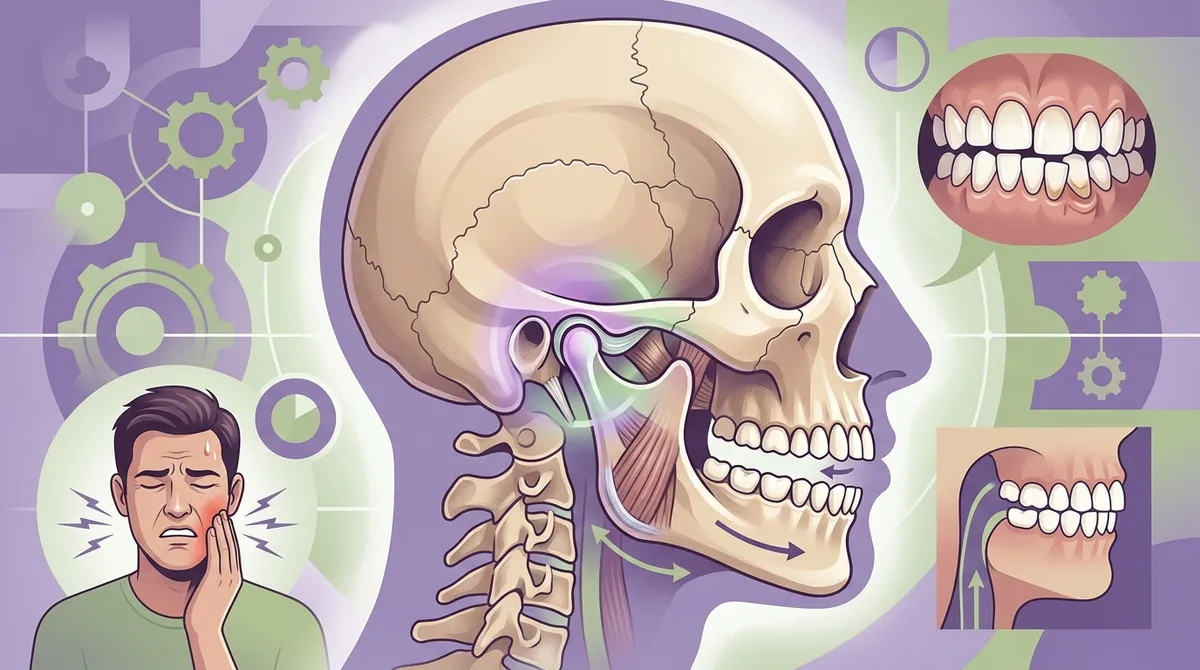
TMJ stands for temporomandibular joint. That’s the hinge that connects your jaw to your skull. When this joint doesn’t work properly, it causes a condition often called TMJ disorder or TMD. This can lead to a wide range of uncomfortable symptoms that affect your daily life.
Many people don’t realize that bite problems and misaligned teeth often contribute to TMJ issues. That’s where orthodontic care becomes very important. Fixing how your teeth fit together can reduce stress on the jaw joint and bring real, lasting relief.
Common Signs You May Have a TMJ Problem
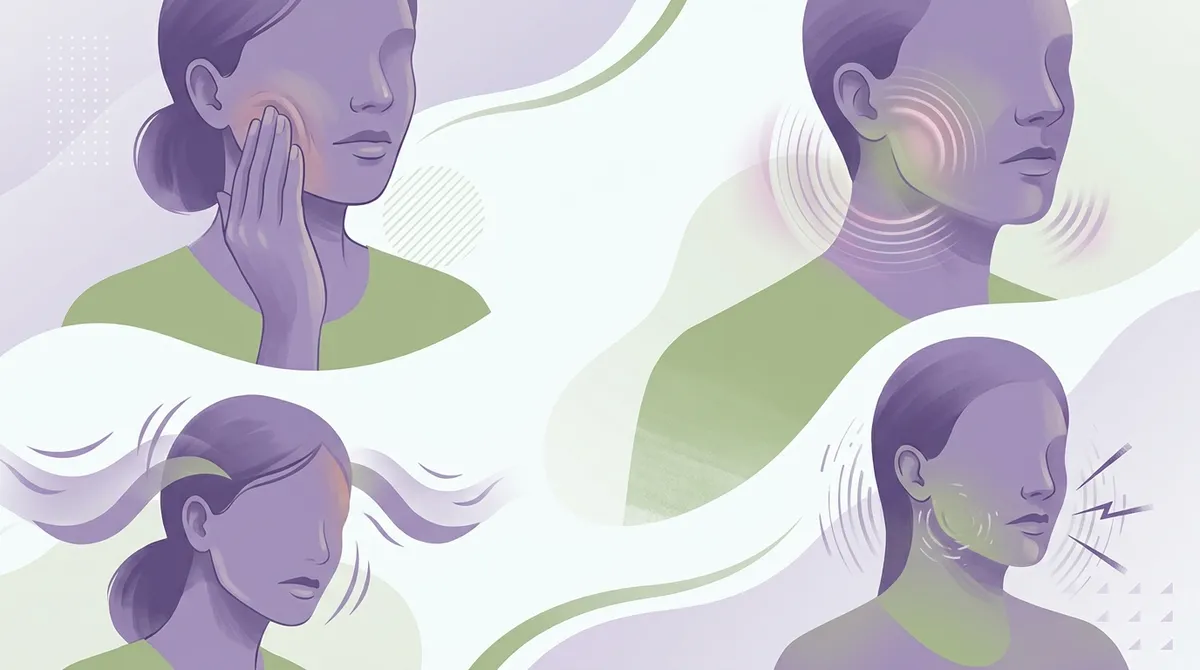
It’s worth knowing the warning signs early. Here are some of the most common symptoms people with TMJ disorder experience:
- Jaw pain or soreness, especially in the morning
- Clicking, popping, or grinding sounds when opening your mouth
- Headaches or earaches that seem to have no clear cause
- Difficulty chewing or biting down comfortably
- Locking of the jaw in an open or closed position
- Facial muscle tension or tightness around the jaw
- Teeth grinding (bruxism) during sleep
If any of these sound familiar, it may be time to visit an orthodontist for a proper evaluation. You can learn more about common orthodontic problems that are often connected to TMJ issues.
How Orthodontics and TMJ Are Connected
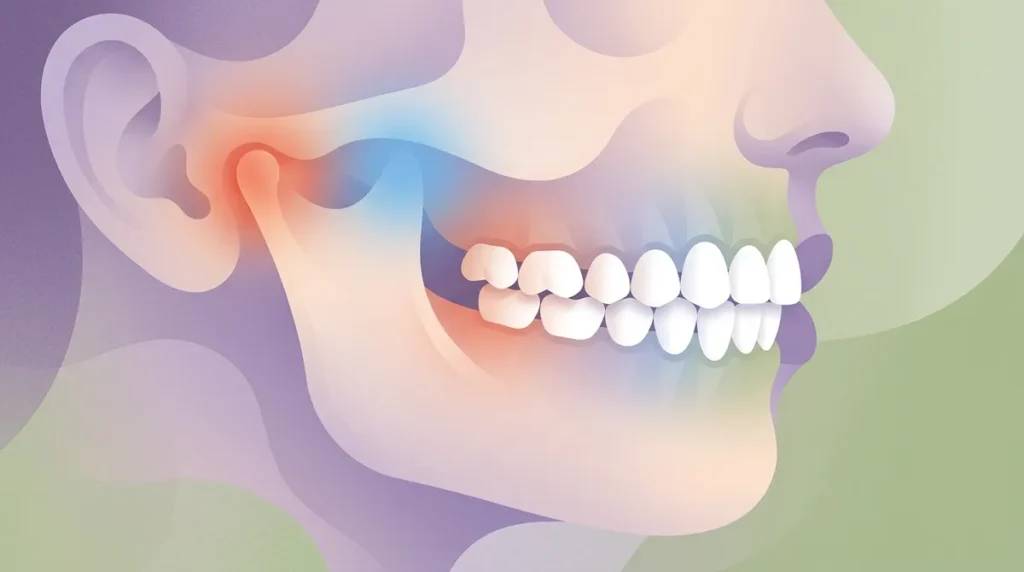
Your bite — how your upper and lower teeth come together — plays a huge role in TMJ health. When your teeth are misaligned, your jaw has to compensate every time you chew, speak, or swallow. Over time, this extra strain builds up and causes pain and dysfunction in the TMJ.
Orthodontic treatment corrects the alignment of your teeth and bite. This helps your jaw rest in a more natural, comfortable position. When the bite is balanced, there’s less tension on the joint and surrounding muscles. The result? Less pain and more comfort throughout your day.
Think of it like a door that doesn’t hang right on its hinges. It scrapes and strains every time you use it. Fix the alignment, and suddenly everything works smoothly again.
Orthodontic Issues That Can Contribute to TMJ
Several specific bite problems are known to increase the risk of TMJ disorder. Here are the most common ones that orthodontists address:
- Overbite: When the upper teeth extend too far over the lower teeth, it forces the jaw into an unnatural position. Check out this guide on overbite correction facts for Lakewood Ranch families.
- Underbite: When the lower jaw protrudes past the upper teeth, the joint bears uneven pressure. Learn about effective underbite treatment in Lakewood Ranch.
- Crossbite: A misalignment where upper and lower teeth don’t meet properly from side to side. This often causes the jaw to shift off-center. Explore crossbite treatment options in Lakewood Ranch.
- Crowded teeth: Teeth that are too close together can throw off your bite balance. See how to fix crowded teeth in Lakewood Ranch.
- Open bite: When front teeth don’t meet at all when the mouth is closed, the back teeth carry all the chewing force.
How a TMJ Orthodontist in Lakewood Ranch Can Help
An orthodontist trained in bite correction and jaw alignment can assess your full mouth and jaw function. They look beyond just straight teeth. They evaluate how your teeth fit together, how your jaw moves, and where stress is building up in the joint.
A good evaluation includes looking at your bite pattern, jaw movement, and tooth alignment. If you’re ready to take that first step, you can learn what happens during an orthodontic evaluation before your visit.
TMJ-Related Orthodontic Treatment Options
Depending on your specific bite issues, an orthodontist may recommend one or more of the following treatments to help relieve TMJ symptoms:
| Treatment Option | How It Helps TMJ | Best For |
|---|---|---|
| Traditional Braces | Corrects bite alignment and tooth position precisely | Moderate to severe bite issues |
| Clear Aligners | Gradually moves teeth to improve bite without metal brackets | Mild to moderate cases, adults and teens |
| Retainers | Maintains corrected bite after treatment to prevent relapse | Post-treatment maintenance |
| LightForce Custom Braces | Precision custom brackets for highly accurate tooth movement | Complex bite corrections needing precision |
If you prefer a discreet approach, clear aligners are a popular option that corrects bite alignment without visible brackets or wires. For more complex cases, LightForce Orthodontics provides custom-printed brackets that allow for highly precise movement of each tooth.
Why Choosing a Board-Certified Orthodontist Matters for TMJ
Not every provider can accurately diagnose and treat bite-related TMJ issues. A board-certified orthodontist has completed advanced training beyond dental school specifically in bite correction and jaw alignment.
When it comes to something as complex as TMJ, experience and credentials really matter. The American Board of Orthodontics sets the highest standards for orthodontic specialists in the country. Choosing a board-certified provider gives you the confidence that your care is backed by rigorous expertise.
Dr. Flor Segovia is a board-certified orthodontist who uses advanced orthodontic technology to create personalized treatment plans. Her detailed approach means your bite issues are addressed with precision, not guesswork.
TMJ Treatment for Different Life Stages
TMJ issues don’t just affect adults. They can appear at any age. Here’s how orthodontic treatment approaches TMJ across different stages of life:
Children and Early Treatment
Catching bite problems early can prevent TMJ issues from developing later. Early orthodontic treatment around age 7 to 10 can guide jaw growth and correct bite patterns before they become painful problems.
Teenagers
Teens are still growing, which makes it an ideal time to correct bite alignment. Teen orthodontic treatment can address overbites, underbites, and crossbites that may be putting stress on the jaw joint.
Adults
Many adults who never had orthodontic care — or whose teeth shifted after treatment — experience TMJ symptoms as a result. Adult orthodontics offers effective solutions that fit busy lifestyles, including discreet clear aligners and custom braces. If you’ve had treatment before and your bite has shifted, you’re not alone. Learn about adult orthodontics mistakes you should never make to protect your results long-term.
What to Expect at Your First TMJ Orthodontic Appointment
Walking into a new orthodontic office for a TMJ concern can feel a little intimidating. But it doesn’t have to be! Here’s a simple breakdown of what typically happens:
- Consultation and health history review: Your orthodontist will ask about your symptoms, when they started, and how they affect your daily life.
- Bite and jaw assessment: They’ll examine how your teeth fit together and how your jaw moves. They may also check for muscle tenderness or clicking sounds.
- Digital records: X-rays, photos, and sometimes 3D scans give a full picture of your bite and jaw structure.
- Personalized treatment plan: Based on the findings, your orthodontist will recommend the right path forward for your specific situation.
You can get a head start by reading about your first orthodontic visit so you know exactly what to expect and how to prepare.
Tips to Manage TMJ Discomfort While in Orthodontic Treatment
While orthodontic treatment works to correct the root cause of your TMJ symptoms, there are some things you can do day-to-day to stay comfortable:
- Apply a warm compress to the jaw area for 10 to 15 minutes to relax the muscles
- Avoid hard, chewy, or crunchy foods that put extra strain on the joint
- Try not to chew gum, which can fatigue the jaw muscles
- Practice gentle jaw stretches as recommended by your orthodontist
- Sleep on your back to avoid putting pressure on one side of the jaw
- Reduce stress where possible — tension often shows up as jaw clenching
If something feels off during treatment, don’t hesitate to reach out. You can also find helpful guidance on handling an orthodontic emergency if you’re ever unsure whether your discomfort needs immediate attention.
Why Lakewood Ranch Families Trust Segovia Orthodontics
At Segovia Orthodontics, Dr. Flor Segovia and her team understand that every smile — and every jaw — is unique. The practice offers a warm, welcoming environment where patients of all ages feel comfortable asking questions and getting the care they truly need.
Whether you’re a parent worried about your child’s bite, a professional looking for discreet treatment options, or an adult ready to finally address long-standing jaw pain, the team at Segovia Orthodontics is here for you. You can visit Segovia Orthodontics on Google to read reviews from real patients and get a feel for the friendly, patient-centered experience that sets this practice apart.
Follow along with the team on our Facebook page and our Instagram page for helpful tips, patient stories, and updates from the practice.
Flexible Financing Makes TMJ Treatment Accessible
Cost should never be a barrier to feeling better. Segovia Orthodontics offers orthodontic financing options to help make treatment affordable for every budget. Whether you have insurance or are paying out of pocket, the team will work with you to find a payment plan that fits your life.
Take the First Step Toward a Pain-Free Smile
TMJ pain doesn’t have to be your normal. The connection between your bite and your jaw health is real — and so is the relief that comes from addressing it. A qualified TMJ orthodontist in Lakewood Ranch can help you get to the root of the problem and create a treatment plan that works.
You deserve to wake up without jaw pain, eat your favorite foods without discomfort, and smile with confidence. Don’t wait to feel better. Schedule your orthodontic consultation with Dr. Flor Segovia at Segovia Orthodontics in Lakewood Ranch today. You can also call us at 941-557-1333 — we’d love to help you on your journey to a healthier, happier smile.
FAQs
Q: Can an orthodontist in Lakewood Ranch actually help with TMJ pain?
A: Yes! Many cases of TMJ pain are directly linked to bite misalignment, and that’s exactly what orthodontists are trained to correct. By realigning your teeth and bite, an orthodontist can reduce the strain on your jaw joint and help relieve uncomfortable symptoms like clicking, soreness, and headaches.
Q: How do I know if my jaw pain is related to my bite?
A: If you experience jaw soreness, clicking, headaches, or difficulty chewing — especially alongside misaligned teeth or a noticeable bite issue — there’s a good chance the two are connected. The best way to know for sure is to schedule an evaluation with a TMJ orthodontist in Lakewood Ranch who can assess your bite and jaw function together.
Q: What orthodontic treatments are available for TMJ issues?
A: Depending on your specific bite problem, treatment options can include traditional braces, clear aligners, or custom LightForce braces. Each option works by gradually correcting your bite alignment, which takes pressure off the temporomandibular joint and helps reduce TMJ-related discomfort over time.
Q: Is it too late for an adult to get orthodontic treatment for TMJ?
A: Absolutely not — it’s never too late! Adult orthodontics is one of the fastest-growing areas in dental care, and many adults find significant relief from TMJ symptoms after correcting their bite. Modern treatment options like clear aligners make it easy to get effective care without disrupting your professional appearance or daily life.
Q: How long does orthodontic treatment for TMJ take?
A: Treatment length varies depending on the severity of your bite issues and the type of treatment recommended. Some mild cases may take as little as 6 to 12 months, while more complex bite corrections can take 18 to 24 months. Your orthodontist will give you a personalized timeline during your initial consultation.