Key Takeaways
-
Get your child’s first orthodontic evaluation by age 7, as crossbites are easiest to treat while the jaw is still growing and can be corrected in as little as 6-12 months with palatal expanders.
-
Untreated crossbites lead to serious complications including jaw pain, TMJ disorders, facial asymmetry, tooth decay, and difficulty chewing—making early intervention critical for long-term oral health.
-
Lakewood Ranch offers five effective treatment options: palatal expanders for children, traditional braces for complex cases, clear aligners for discreet treatment, LightForce custom braces for precision, and retainers for maintenance.
-
Adults can successfully treat crossbites at any age using discreet options like clear aligners and low-profile braces, with treatment typically lasting 12-24 months depending on severity.
-
Many dental insurance plans partially cover orthodontic treatment, and most Lakewood Ranch practices offer flexible payment plans to spread costs over the treatment period, making correction affordable.
Does your child’s smile look a little off? Maybe their teeth don’t seem to line up quite right. Or perhaps you’ve noticed your own bite feels awkward when you chew. If any of this sounds familiar, a crossbite might be the culprit. The good news? Crossbite treatment in Lakewood Ranch is more accessible — and more effective — than ever before. Whether you’re a concerned mom researching options for your child, a young professional looking to fix your smile, or an adult ready to correct an old problem, this guide is for you. Let’s walk through everything you need to know about crossbites, why they matter, and how they’re treated right here in the Lakewood Ranch area.
What Exactly Is a Crossbite?
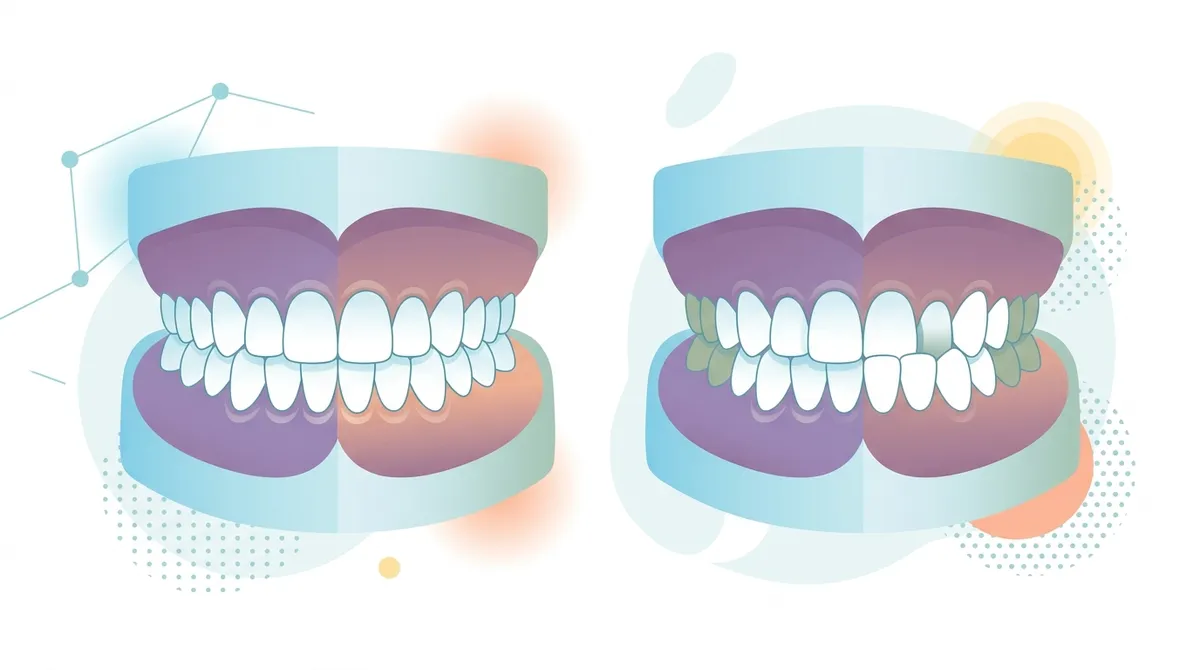
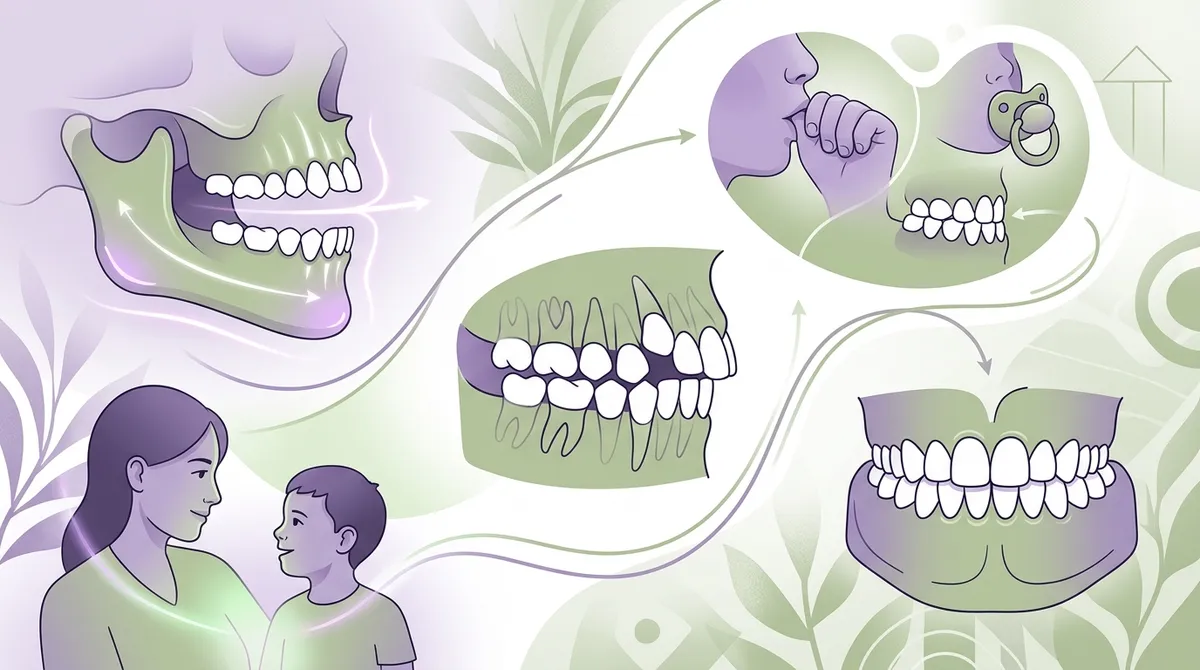
A crossbite happens when your upper and lower teeth don’t line up correctly. Normally, your upper teeth should sit slightly outside your lower teeth when you bite down. In a crossbite, this is reversed — one or more upper teeth sit inside the lower teeth instead. It can affect just one tooth or several teeth at once.
There are two main types of crossbites. A posterior crossbite affects the back teeth (molars and premolars), while an anterior crossbite affects the front teeth. Both types can cause real problems if left untreated. Learning about common orthodontic problems like crossbites is a great first step toward better oral health.
Why Does a Crossbite Happen?
Crossbites have several possible causes. Understanding the root cause helps determine the best treatment approach.
- Genetics: If parents have a crossbite, children are more likely to develop one too.
- Delayed baby tooth loss: When baby teeth stay too long, permanent teeth may erupt in the wrong position.
- Thumb sucking or pacifier use: These habits can push teeth and jaws out of alignment over time.
- Narrow upper jaw: A smaller-than-normal jaw can cause the upper teeth to sit inside the lower ones.
- Mouth breathing: Chronic mouth breathing can affect jaw development in growing children.
Why Treating a Crossbite Early Matters
You might wonder — does a crossbite really need to be fixed? The short answer is yes, and the sooner the better. The American Board of Orthodontics recommends that children receive their first orthodontic evaluation by age 7. At this stage, a crossbite can often be corrected more easily while the jaw is still growing.
Left untreated, a crossbite can lead to a range of complications. Early early orthodontic treatment can prevent these issues from becoming much bigger problems down the road.
- Uneven tooth wear
- Jaw pain and TMJ disorders
- Difficulty chewing or speaking clearly
- Facial asymmetry as the jaw develops unevenly
- Increased risk of tooth decay in misaligned areas
- Low self-esteem related to appearance
Crossbite Treatment Options Available in Lakewood Ranch
The right crossbite treatment depends on your age, the severity of the crossbite, and whether the jaw or just the teeth are involved. Here in Lakewood Ranch, patients have access to several effective treatment options.
1. Palatal Expanders
A palatal expander is one of the most common tools for treating crossbites in children and teens. It fits across the roof of the mouth and gently widens the upper jaw over time. This creates more space so the upper teeth can shift into their correct position. Treatment typically lasts six to twelve months. This is often used as part of teen orthodontic treatment plans.
2. Traditional Braces
Braces are a reliable and highly effective treatment for crossbites. They apply steady, gentle pressure to move teeth into the correct alignment. Metal braces work especially well for more complex cases. You can explore all about all about braces to understand what the process involves. For a creative spin on braces, WildSmiles Braces are a fun option kids love.
3. Clear Aligners
Clear aligners are a popular option for teens and adults who want a more discreet treatment. They are removable, nearly invisible, and highly effective for mild to moderate crossbites. Clear aligners are especially appealing for career-focused professionals who want to fix their bite without the look of traditional braces.
4. LightForce Custom Braces
For cases that need more precision, LightForce Orthodontics offers 3D-printed, fully customized braces. These brackets are designed specifically for your teeth, which means faster and more accurate tooth movement. This technology represents the cutting edge of advanced orthodontic technology.
5. Retainers After Treatment
Once the crossbite is corrected, wearing retainers is essential to keep teeth in their new positions. Without retainers, teeth can shift back over time — a concern especially for adults returning to orthodontic care after previous treatment. Learn more about orthodontic retainers to understand how they protect your results.
Crossbite Treatment Comparison Table
| Treatment Option | Best For | Visibility | Typical Duration |
|---|---|---|---|
| Palatal Expander | Children and early teens | Moderate (inside mouth) | 6–12 months |
| Traditional Metal Braces | All ages, complex cases | Visible | 12–24 months |
| Clear Aligners | Teens and adults, mild to moderate | Nearly invisible | 12–18 months |
| LightForce Braces | All ages, precise cases | Low profile | 12–20 months |
| Retainers | Post-treatment maintenance | Minimal | Ongoing |
Steps in the Crossbite Treatment Process
Knowing what to expect can make the whole process feel much less stressful. Here is a simple overview of how crossbite treatment typically unfolds at a Lakewood Ranch orthodontic practice.
- Initial consultation: Your orthodontist examines your teeth and jaw, takes X-rays, and discusses your concerns. This is your chance to ask all your questions. Find out more about what to expect at your first orthodontic visit.
- Custom treatment planning: Your orthodontist creates a personalized plan based on the type and severity of your crossbite.
- Beginning treatment: Appliances, braces, or aligners are placed. You receive full instructions on care and maintenance.
- Regular check-ups: You visit the office every 4–8 weeks so your orthodontist can monitor progress and make adjustments.
- Completing active treatment: Once your teeth and jaw are aligned, active treatment ends.
- Retainer phase: You receive retainers to hold your new smile in place long-term.
How to Tell If You or Your Child Has a Crossbite
Not everyone knows they have a crossbite. Sometimes it’s obvious, but other times the signs are more subtle. Watch for these clues.
- Teeth that don’t meet evenly when biting down
- Jaw pain or soreness, especially in the morning
- Headaches that seem to come from jaw tension
- Teeth grinding or clenching (bruxism)
- Noticeable facial asymmetry or a shifted jaw
- Difficulty chewing certain foods comfortably
If you notice any of these signs, it’s worth scheduling an orthodontic evaluation to get a professional opinion. Catching it early can save time, money, and discomfort later on.
Crossbite Treatment for Adults: Is It Too Late?
Absolutely not! Adults can and do benefit greatly from crossbite treatment in Lakewood Ranch. While treatment in childhood is ideal because the jaw is still growing, adult treatment is very effective for correcting tooth position and relieving bite-related discomfort. In fact, many adults are surprised at how much better they feel after treatment. Read about common adult orthodontics mistakes to avoid before starting your journey.
For adults concerned about how treatment might look at work, clear aligners and low-profile braces are excellent options. Many professionals in demanding careers have found great results with discreet treatment. If you’re a busy adult, explore your options for braces vs. clear aligners to find the right fit for your lifestyle.
Making Treatment Affordable
Cost is often a big concern for families considering crossbite treatment. The good news is that orthodontic financing options can make treatment very manageable. Many practices offer payment plans that spread costs over the length of treatment, so you’re not paying everything at once. You might also want to explore smart ways to make orthodontic financing work for you.
If your child needs support beyond orthodontics — like help managing dental anxiety — West Florida Therapy is a wonderful local resource for families navigating healthcare-related stress.
Why Choose Segovia Orthodontics for Crossbite Treatment in Lakewood Ranch
At Segovia Orthodontics, Dr. Flor Segovia brings expertise, warmth, and personalized care to every patient. As a board-certified orthodontist, she uses the latest technology and techniques to deliver outstanding results for children, teens, and adults alike. The practice offers bilingual care in English and Spanish, making it a welcoming choice for the diverse Lakewood Ranch community.
The team at Segovia Orthodontics truly gets it — whether you’re a mom juggling school schedules, a teen who wants to look great for graduation, or an adult finally ready to address that old crossbite. You can follow along with patient stories and tips on our Facebook page and our Instagram page to get a feel for the friendly, supportive community we’ve built. You can also visit us on Google — Segovia Orthodontics to read real patient reviews and see our location details.
What to Expect at Your First Crossbite Consultation
Walking into an orthodontist’s office for the first time can feel a little nerve-wracking — but it really doesn’t need to be! Here’s a quick list of what typically happens at your first appointment.
- A friendly welcome and review of your dental and medical history.
- A thorough exam of your teeth, bite, and jaw alignment.
- Digital X-rays or 3D scans to get a full picture of your bone and tooth structure.
- A clear explanation of your crossbite diagnosis and what it means for you.
- A discussion of your treatment options, timeline, and costs — no pressure, just honest information.
You can even prepare the right orthodontic questions before your visit to make the most of your time. And if you’re ready to take the next step, you can easily request an appointment online at your convenience.
Quick Facts: Crossbite Treatment at a Glance
| Question | Answer |
|---|---|
| What age should treatment start? | As early as age 7 for an evaluation; active treatment when recommended |
| Can adults be treated? | Yes, adults of any age can benefit from crossbite correction |
| Is treatment painful? | Mild soreness is common, especially in the first few days |
| How long does treatment take? | Typically 12–24 months depending on severity and age |
| Is it covered by insurance? | Often partially covered; check your plan for orthodontic benefits |
Take the First Step Toward a Healthier, Straighter Smile
A crossbite doesn’t have to be something you just live with. Whether you’re searching for solutions for your child or yourself, effective crossbite treatment in Lakewood Ranch is within reach. From palatal expanders to clear aligners to custom LightForce braces, there are great options for every age and situation. The most important thing is to act — the earlier you start, the easier and faster the process tends to be.
Ready to find out what’s right for you? We’d love to help you on your journey to a healthier, more confident smile. Schedule your personalized crossbite consultation today and let our team guide you every step of the way. You can also call us at 941-557-1333 — we’re always happy to answer your questions!
FAQs
Q: How do I know if my child has a crossbite?
A: Great question! Look for signs like teeth that don’t line up when your child bites down, a jaw that seems to shift to one side, or complaints of jaw pain or headaches. The most reliable way to find out is to schedule an orthodontic evaluation — early detection makes treatment much simpler!
Q: At what age should crossbite treatment begin?
A: The American Board of Orthodontics recommends a first orthodontic evaluation by age 7. Crossbites are often easiest to treat while the jaw is still growing, though teens and adults can also be treated very successfully. Don’t worry — it’s never too late to address a crossbite!
Q: Can clear aligners fix a crossbite?
A: Yes! Clear aligners can be very effective for mild to moderate crossbites, especially in teens and adults. Your orthodontist will assess the type and severity of your crossbite to determine if aligners are the right fit — or if braces or an expander would work better for your specific situation.
Q: Is crossbite treatment covered by dental insurance?
A: Many dental insurance plans include at least partial coverage for orthodontic treatment, which can include crossbite correction. We always recommend checking with your insurance provider and asking your orthodontic office about flexible financing options to help cover any remaining costs.
Q: How long does crossbite treatment typically take?
A: Treatment time varies depending on your age, the type of crossbite, and the treatment approach used. On average, most patients complete active crossbite treatment within 12 to 24 months. Your orthodontist will give you a personalized timeline during your initial consultation — no guesswork needed!