Key Takeaways
-
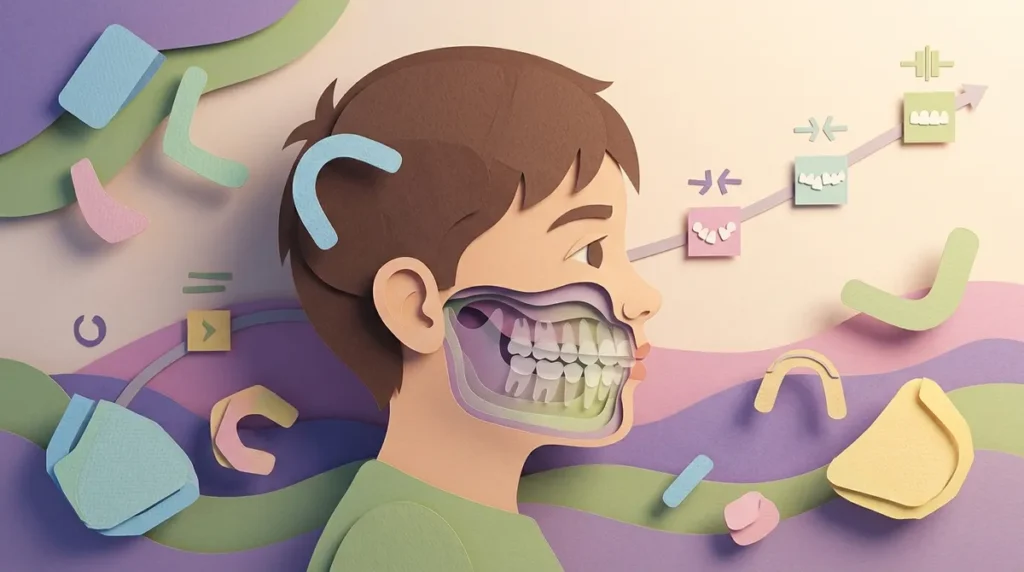
Schedule your child’s first orthodontic evaluation by age 7 to identify issues early while the jaw is still growing, even if braces aren’t needed immediately.
-
Properly aligned teeth reduce cavities, gum disease, jaw pain, and headaches while improving overall oral function beyond just appearance.
-
Teenagers and adults now have multiple discreet options including clear aligners and ceramic braces that are more comfortable and faster than traditional metal braces.
-
Retainers are essential after treatment ends; teeth will gradually shift back without them, so wearing a retainer nightly for life is recommended.
-
Most orthodontic offices offer flexible payment plans, FSA/HSA options, and zero-interest financing to make treatment affordable for families.
-
Early Phase 1 treatment between ages 7-10 can guide jaw growth and correct habits, potentially making future treatment shorter and eliminating the need for braces later.
So you’ve been thinking about orthodontic treatment — maybe for yourself, your child, or both. You’ve got questions, and honestly, the internet can feel a little overwhelming. There’s a lot of orthodontics information out there, but not all of it is easy to understand or even relevant to your situation. That’s exactly why we put this guide together. Whether you’re a mom researching options for your 9-year-old, a busy professional curious about clear aligners, or an adult who had braces years ago and noticed things have shifted — this article is for you. We’ll walk you through the most important things you actually need to know, in plain, friendly language. No confusing jargon, no overwhelming walls of text. Just the real stuff that helps you make confident decisions about your smile.
Why Orthodontic Treatment Matters More Than You Think
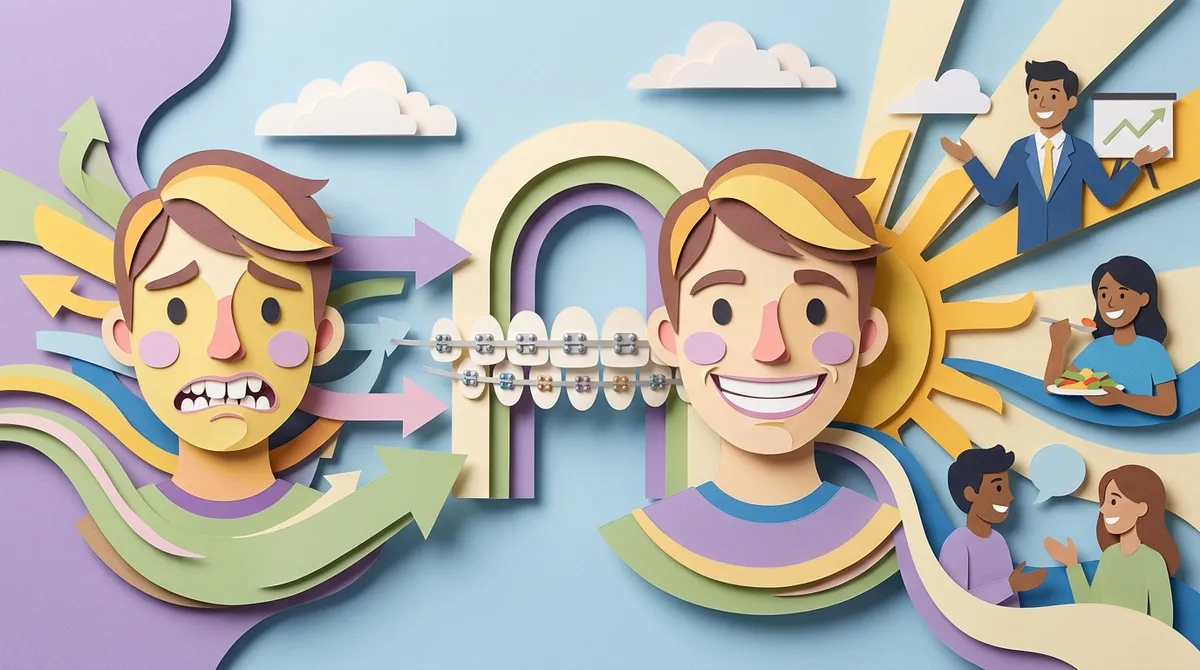
Most people think orthodontics is just about having a straighter smile. And yes, that’s a big part of it! But the benefits go much deeper than looks. Properly aligned teeth are easier to clean, which means less risk of cavities and gum disease over time. A well-aligned bite can also reduce jaw pain, headaches, and even wear on your enamel. When teeth fit together correctly, your whole mouth works better. If you’re curious about common orthodontic problems and how they affect your health, you’ll quickly see why early evaluation and treatment can make a real difference.
The American Board of Orthodontics recommends that children have their first orthodontic evaluation by age 7. Why so early? Because some issues are much easier to correct while the jaw is still growing. That doesn’t mean every 7-year-old needs braces — far from it. But getting that early look gives you valuable peace of mind and a clear plan if treatment is needed later.
The Most Important Orthodontics Information for Families
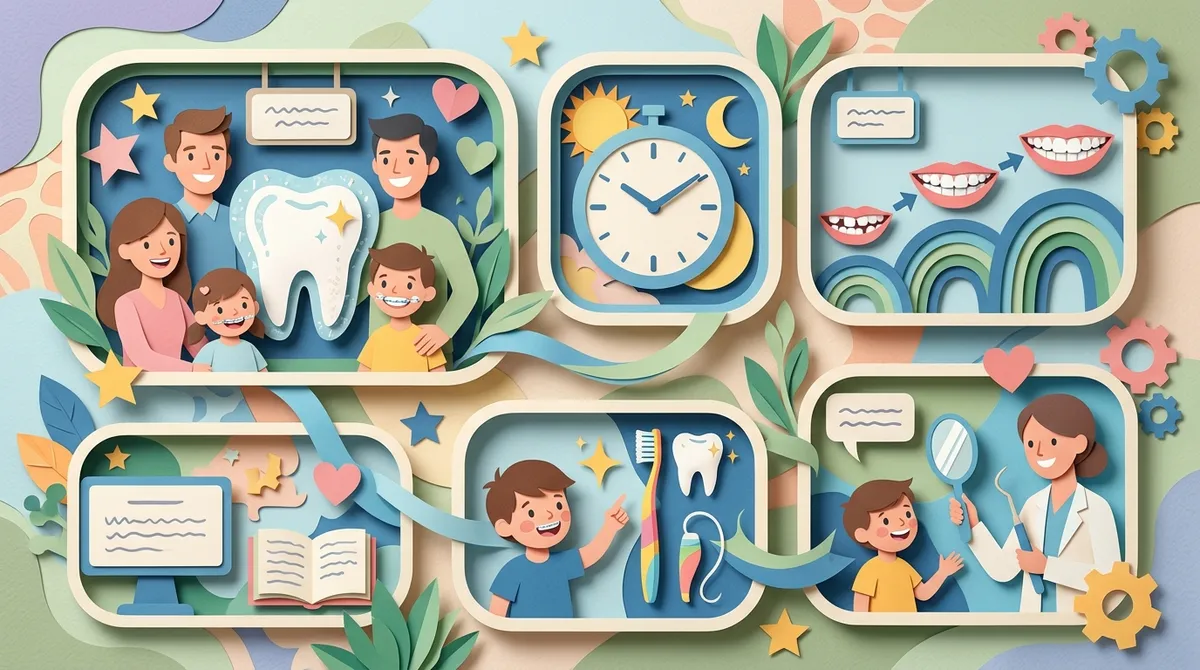
If you’re a parent, you probably have a lot of questions. When should my child see an orthodontist? What happens at the first visit? How long will treatment take? Let’s break it all down in a way that actually makes sense.
Early Treatment for Kids
Some children benefit from what’s called Phase 1 or early orthodontic treatment. This typically happens between ages 7 and 10. The goal is to guide jaw growth, make room for permanent teeth, and correct habits like thumb-sucking or tongue-thrusting that can affect bite development. Early treatment doesn’t always eliminate the need for braces later, but it can make future treatment shorter and simpler.
Signs your child might benefit from an early evaluation include:
- Losing baby teeth too early or too late
- Difficulty chewing or biting
- Mouth breathing or snoring
- Crowded, misplaced, or blocked-out teeth
- Jaws that shift, pop, or make sounds
- Protruding teeth or an uneven bite
If you notice any of these signs, it’s worth scheduling an evaluation. You can request an appointment to get a professional opinion and clear next steps.
Teen Orthodontics — What to Expect
The teenage years are the most common time for orthodontic treatment. By this point, most of the permanent teeth have come in, and the jaw is still growing — which makes it an ideal window for alignment. Teen orthodontic treatment can include traditional braces, clear braces, or clear aligners depending on the specific needs and lifestyle of the teen.
Teens today have more options than ever, and treatment has become much more comfortable and discreet. Many teens actually prefer clear aligners because they’re nearly invisible and can be removed for eating and sports. Others like the ease of fixed braces because there’s no remembering to put them in.
Orthodontics Information for Adults — Yes, It’s for You Too
Here’s something many adults don’t realize: it’s never too late to improve your smile. Adult orthodontics is growing rapidly in 2026, and for good reason. More adults are choosing treatment because options are now more discreet, faster, and more affordable than ever. Whether you’re 25 or 55, your teeth can still be moved into better positions.
Common reasons adults seek orthodontic treatment include:
- Teeth that have shifted after previous treatment
- Never having had treatment as a child
- Preparing for a big life event like a wedding or promotion
- Wanting to improve oral health and hygiene
- Noticing jaw pain or uneven wear on teeth
If you had braces as a teen and stopped wearing your retainer (we’ve all been there!), you might be an adult relapse patient. The good news? You can absolutely correct that, and treatment is often faster the second time around. Learn more about what to expect from adult orthodontics so you can avoid common pitfalls.
Understanding Your Treatment Options
One of the most searched pieces of orthodontics information is simply: what are my options? Let’s make it easy with a quick comparison.
| Treatment Type | Best For | Visibility | Removable? |
|---|---|---|---|
| Traditional Metal Braces | Kids, teens, complex cases | Visible | No |
| Clear Braces (Ceramic) | Teens and adults wanting a subtle look | Tooth-colored | No |
| Clear Aligners | Teens and adults wanting discretion | Nearly invisible | Yes |
| LightForce Braces | Patients wanting custom precision braces | Tooth-colored | No |
| WildSmiles Braces | Kids wanting fun, personalized braces | Fun shapes/colors | No |
If you’d like to dive deeper into your choices, check out this helpful guide on types of braces or explore the braces vs. clear aligners comparison to see which fits your lifestyle best.
What Happens at Your First Orthodontic Visit
Many people put off calling an orthodontist because they’re not sure what to expect. Let’s walk through it step by step so you feel totally prepared.
- Review of your dental and medical history — The team will ask about any previous dental work, habits, and health conditions that may affect treatment.
- Clinical examination — The orthodontist will look at your teeth, bite, and jaw to spot any alignment issues or concerns.
- Digital X-rays and photos — These help give a full picture of what’s happening with your teeth and bone structure.
- Discussion of findings — The orthodontist explains what they found and what treatment options make the most sense for you.
- Treatment plan and cost overview — You’ll get a clear breakdown of what treatment involves, how long it takes, and what it costs.
Your first orthodontic visit is usually a relaxed, no-pressure conversation. Most practices offer complimentary consultations, so there’s really no reason to wait!
How Long Does Orthodontic Treatment Take?
This is one of the top questions in every orthodontics information search. The honest answer is: it depends. Every smile is unique, and treatment length varies based on the complexity of your case, the type of treatment, and how well you follow care instructions.
Here are some general timeframes to keep in mind:
- Mild cases (clear aligners): 6 to 12 months
- Moderate cases (braces or aligners): 12 to 18 months
- Complex cases (braces): 18 to 30 months
- Phase 1 early treatment: 9 to 12 months, followed by a rest period
Using advanced orthodontic technology like digital scanning and custom bracket systems can improve precision and sometimes shorten overall treatment time. Technology has come a long way — and that’s great news for patients!
Orthodontic Costs and Financing — What You Need to Know
Let’s talk about the money side, because it’s often the biggest concern for families and individuals. Orthodontic treatment is an investment, but it doesn’t have to be out of reach. Many practices offer flexible payment plans that spread the cost over the length of treatment, making monthly payments much more manageable.
- Ask about flexible payment plans — Most orthodontic offices work with you to create a payment schedule that fits your budget.
- Check your insurance benefits — Many dental insurance plans include some orthodontic coverage, especially for children.
- Use your FSA or HSA — Flexible Spending Accounts and Health Savings Accounts can be used for orthodontic treatment.
- Ask about in-house financing options — Some practices offer zero-interest plans directly through their office.
For a deeper look at making treatment work within your budget, explore orthodontic financing options and see what might work best for your family.
After Treatment — The Role of Retainers
Here’s a piece of orthodontics information that doesn’t get enough attention: what happens AFTER your braces come off. The answer is retainers, and they are absolutely essential. Once your braces or aligners finish moving your teeth, your teeth need time to settle into their new positions. Without a retainer, they will gradually shift back. That’s just how teeth work.
There are a few types of retainers:
- Removable clear retainers — Nearly invisible and easy to wear
- Hawley retainers — Traditional wire retainers that are durable and adjustable
- Fixed/bonded retainers — Attached to the back of your teeth so you never have to remember to wear them
Your orthodontist will recommend the best retainer for your situation. Learn more about orthodontic retainers to understand what to expect after your treatment ends.
Why Choose a Board-Certified Orthodontist
Not all orthodontists are created equal. A board-certified orthodontist has gone through additional rigorous testing and evaluation beyond their standard orthodontic training. Achieving board certification is a voluntary process that demonstrates a higher level of dedication, clinical skill, and commitment to excellence.
At Segovia Orthodontics at Lakewood Ranch, Dr. Flor Segovia is a board-certified orthodontist who brings warmth, expertise, and a personal touch to every patient interaction. She offers bilingual care in English and Spanish, making her practice a welcoming place for the whole community. You can learn more about her approach by visiting the page about Orthodontist Flor Segovia.
Want to see what patients are saying? Visit us on Google — Segovia Orthodontics to read real reviews from real families in Lakewood Ranch and the surrounding area. And for a peek at our fun, welcoming office culture, follow along on our Instagram page or connect with us on our Facebook page.
Quick Answers to Common Orthodontic Questions
Sometimes you just need simple, fast answers. Here’s a quick-reference list of the most frequently asked pieces of orthodontics information:
- Does orthodontic treatment hurt? — There may be mild soreness for a few days after adjustments. It’s manageable and temporary.
- Can I eat normally with braces? — You’ll need to avoid hard, sticky, and crunchy foods. Clear aligners can be removed at mealtimes.
- How often are appointments? — Most patients are seen every 6 to 10 weeks for check-ins and adjustments.
- Is orthodontic treatment worth it for adults? — Absolutely. A healthy, aligned bite benefits people of all ages.
- What if I have an orthodontic emergency? — Don’t panic! Most issues are minor. Check the orthodontic emergency page for guidance on what to do.
If you want even more answers, the FAQ on orthodontic treatment is a fantastic resource packed with helpful information.
Ready to Take the Next Step?
You now have a solid foundation of orthodontics information to help you move forward with confidence. Whether you’re exploring options for a child, considering treatment as an adult, or returning after a gap in care — there’s a path forward that fits your life. The best thing you can do is take that first step and talk to a professional who can give you personalized guidance based on your unique smile. Schedule your complimentary consultation with Segovia Orthodontics at Lakewood Ranch today, or call us at 941-557-1333 — we’d love to meet you and help you get started on your smile journey!
FAQs
Q: At what age should my child first see an orthodontist?
A: The American Board of Orthodontics recommends a first evaluation by age 7! Don’t worry — this doesn’t mean braces right away. It just gives the orthodontist a chance to spot any developing issues early and plan ahead if needed.
Q: How do I know if I need orthodontic treatment as an adult?
A: If your teeth have shifted, your bite feels off, or you’re simply unhappy with your smile, it’s absolutely worth getting an evaluation. Adult orthodontics in 2026 offers discreet and efficient options that fit easily into a busy lifestyle.
Q: What is the difference between braces and clear aligners?
A: Braces are fixed to your teeth and work continuously, making them great for complex cases. Clear aligners are removable trays that are nearly invisible — a popular choice for adults and teens who want a more discreet look. Your orthodontist can help you decide which is the better fit!
Q: How long do I have to wear a retainer after treatment?
A: The short answer? A long time — ideally for life! Most orthodontists recommend wearing a retainer every night to keep your teeth in their new positions. It sounds like a lot, but it’s a small commitment compared to the results you’ve worked for.
Q: Is orthodontic treatment covered by insurance?
A: Many dental insurance plans include some level of orthodontic coverage, especially for children under 18. It’s always worth checking your plan’s details and asking the orthodontic office to help verify your benefits before you get started.
Our Service Area