Key Takeaways
-
Early evaluation by age 7 is recommended for children with underbites, as treatment during jaw development can guide growth and reduce later treatment complexity.
-
Untreated underbites can cause serious problems including difficulty chewing, speech issues, jaw pain, TMJ discomfort, and tooth enamel wear that extend beyond cosmetic concerns.
-
Multiple effective treatment options exist for underbites in Lakewood Ranch, including braces (18-36 months), clear aligners (12-24 months), palate expanders, and jaw surgery for severe cases.
-
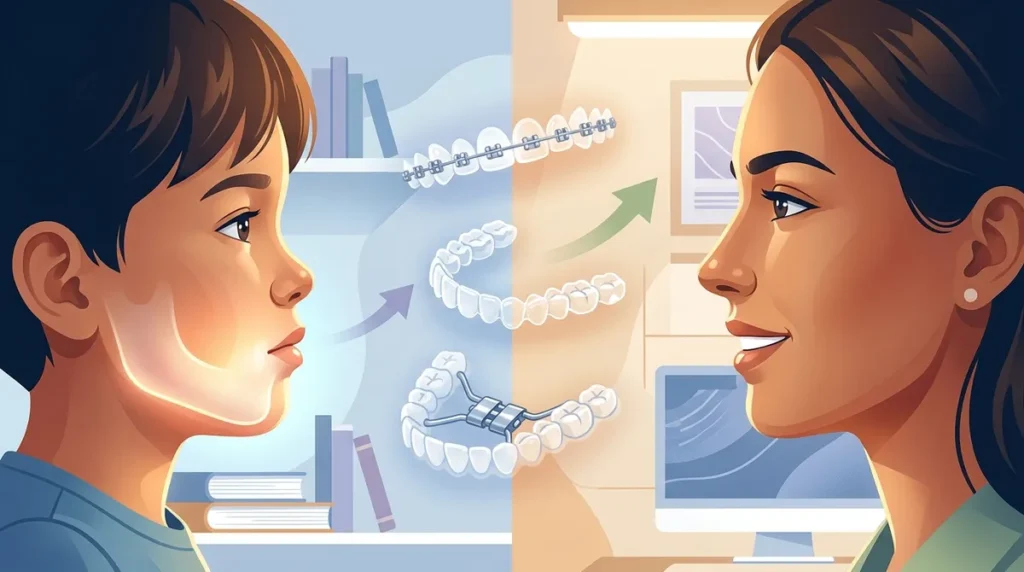
Clear aligners can successfully treat mild to moderate underbites in teens and adults as a discreet alternative, though severe jaw misalignment may still require braces or surgery.
-
Board-certified orthodontists like Dr. Flor Segovia provide precise diagnosis using advanced imaging and customized treatment plans with higher success rates than general dentists.
-
Orthodontic treatment costs range from $2,000-$8,000 depending on the method, with many insurance plans offering partial coverage and flexible financing options available to make treatment accessible.
Does your lower jaw stick out further than your upper jaw? You might have an underbite — and you are definitely not alone. Many children, teens, and adults deal with this common bite issue every day. The good news is that underbite treatment in Lakewood Ranch has come a long way, and there are more options than ever to help you achieve a healthy, confident smile. Whether you are a mom wondering about your child’s bite, a teen preparing for a big life event, or an adult ready to fix a long-standing issue, this guide will walk you through everything you need to know. From spotting the signs early to understanding your treatment options, we have got you covered. Let’s break it all down in a simple, friendly way so you feel ready to take that first step toward a better bite and a brighter smile!
What Is an Underbite and Why Does It Matter?
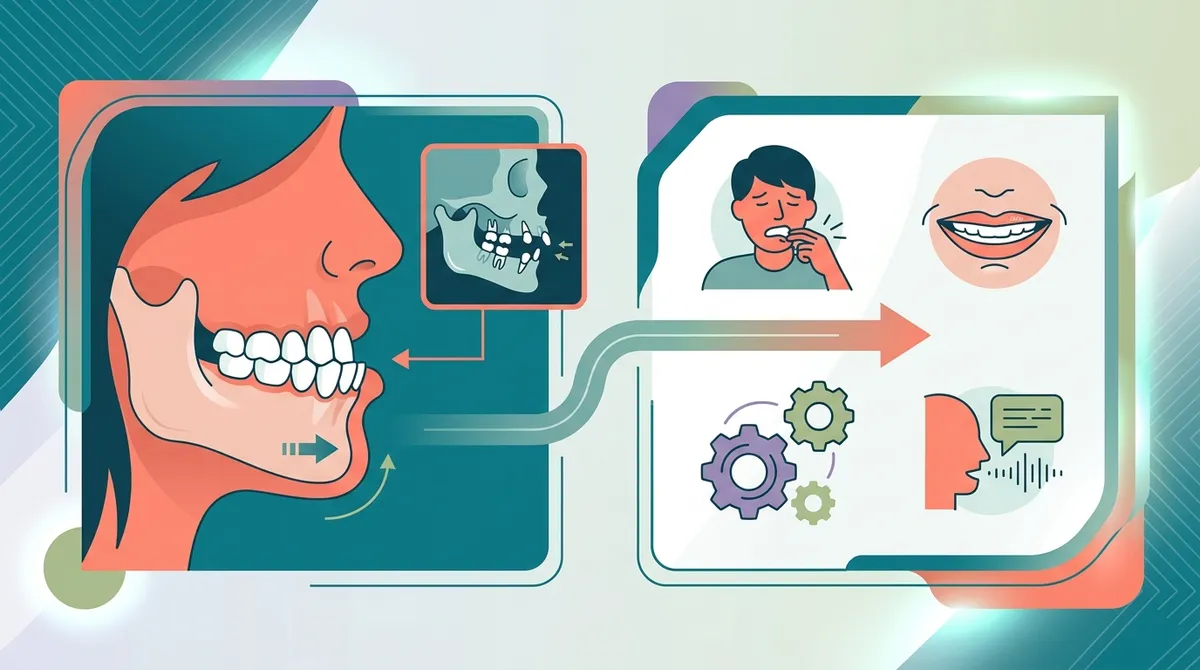
An underbite is a type of jaw misalignment. Your lower teeth sit in front of your upper teeth when you bite down. This is sometimes called a Class III malocclusion by orthodontists. It can be mild or more noticeable depending on the person.
You might wonder — does it really matter beyond appearance? Absolutely! An untreated underbite can lead to several real problems over time. Learning about common orthodontic problems like underbites helps you understand why early care matters so much.
Common Problems Caused by an Untreated Underbite
- Difficulty chewing food properly
- Speech issues, including a lisp
- Jaw pain and TMJ discomfort
- Uneven wear on tooth enamel
- Lower self-esteem and confidence
- Breathing difficulties in some cases
The earlier you catch an underbite, the easier it tends to be to treat. This is especially true for children whose jaws are still developing and growing.
How to Spot an Underbite Early
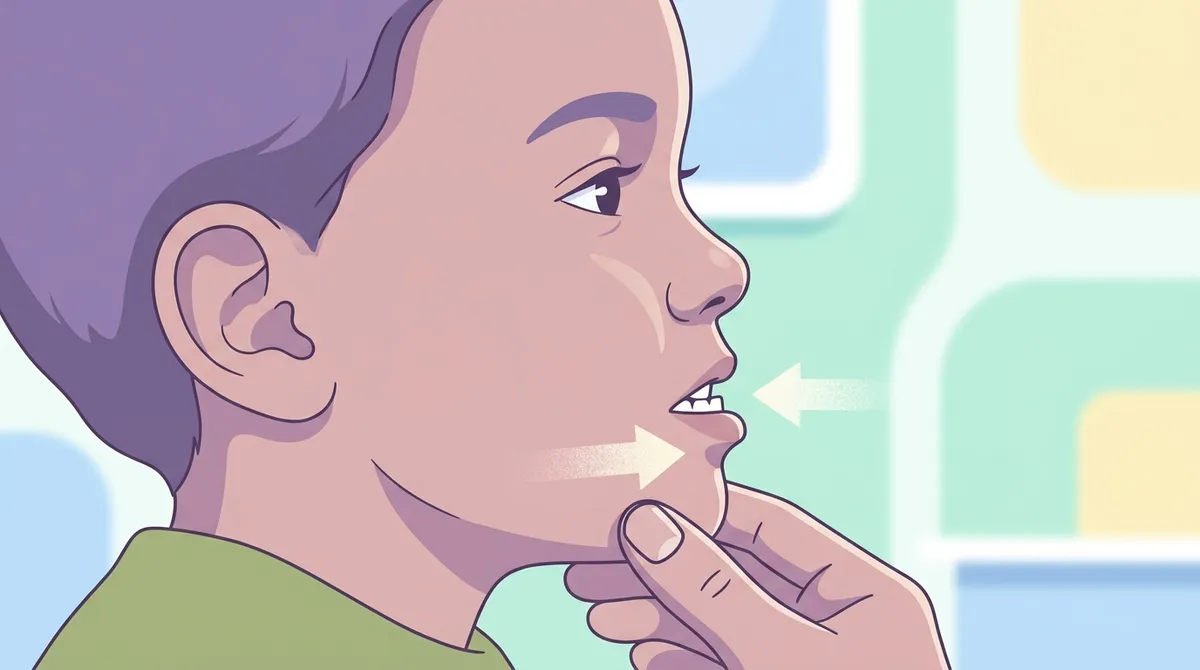
Parents are often the first to notice a bite problem in their children. Here are some signs to watch for at home. If you notice any of these, a visit to an orthodontist is a smart next step.
Signs Your Child or You May Have an Underbite
- Lower teeth visibly protrude in front of upper teeth when the mouth is closed
- Difficulty biting into food like sandwiches or apples
- Speech that sounds different, especially certain sounds like “s” or “z”
- Jaw clicking or popping when eating or speaking
- Facial asymmetry where one side of the face looks different from the other
If you notice any of these signs, do not panic! Getting a professional evaluation is the best thing you can do. Your first orthodontic visit is usually relaxed, informative, and completely judgment-free.
When Should Underbite Treatment Begin?
Timing really does matter when it comes to underbite correction. For children, the American Association of Orthodontists recommends an orthodontic evaluation by age 7. At this age, enough adult teeth have come in to spot developing problems.
Starting treatment early — known as Phase 1 or early orthodontic treatment — can guide jaw growth while the bones are still soft and flexible. This can actually reduce the complexity of treatment needed later. For teens and adults, treatment is still very effective, though it may take longer or require different approaches.
Underbite Treatment Options in Lakewood Ranch
Great news: there are several effective ways to treat an underbite. The right option depends on your age, the severity of the underbite, and your personal lifestyle preferences. Here is a helpful overview of the most common approaches.
| Treatment Option | Best For | How It Works | Treatment Duration |
|---|---|---|---|
| Braces (Metal or Clear) | Children, Teens, Adults | Moves teeth into correct alignment with brackets and wires | 18–36 months |
| Clear Aligners | Teens and Adults (mild to moderate) | Removable trays gradually shift teeth and bite | 12–24 months |
| Palate Expander | Young Children | Widens the upper jaw to correct bite imbalance | 6–12 months |
| Reverse-Pull Headgear | Growing Children | Pulls upper jaw forward to meet lower jaw | 12–18 months |
| Jaw Surgery (Orthognathic) | Adults with severe underbite | Repositions the jaw surgically for major corrections | Combined with braces |
Most mild to moderate underbites in children and teens can be corrected without surgery. Adults with more complex cases may need a combination of orthodontics and surgical intervention. To explore your options, you can learn more about the best options for underbite correction and what each involves.
How Braces Help Correct an Underbite
Braces are one of the most reliable tools for correcting an underbite. They apply consistent, gentle pressure to move teeth into better alignment over time. For underbites, braces often work alongside other appliances like rubber bands or expanders to correct the jaw relationship.
If you are curious about your options, check out the different types of braces available today. From classic metal braces to low-profile clear options, there is something for everyone’s lifestyle and budget.
Benefits of Braces for Underbite Correction
- Highly effective for a wide range of bite issues
- Works well for both children and adults
- Can be customized with fun designs for kids (hello, WildSmiles Braces!)
- Predictable, proven results over decades of use
- Can be combined with other appliances for complex cases
Can Clear Aligners Fix an Underbite?
Yes — in many cases, clear aligners can effectively treat mild to moderate underbites. They are a popular choice for teens and adults who want a more discreet treatment experience. Clear aligners are removable, nearly invisible, and much easier to keep clean compared to traditional braces.
That said, severe underbites or those involving significant jaw discrepancies may still require braces or surgical options. An evaluation with a qualified orthodontist will clarify which path is right for you. It is also worth reading about braces vs. clear aligners to understand the pros and cons of each before your appointment.
Step-by-Step: How to Start Underbite Treatment in Lakewood Ranch
Ready to take action? Here is a simple step-by-step process to get started on your underbite treatment journey right here in Lakewood Ranch.
- Schedule an evaluation: Book a consultation with a local orthodontist to have your bite assessed professionally.
- Review your X-rays and records: Your orthodontist will take photos, X-rays, and digital scans to map out your bite in detail.
- Discuss your treatment options: Go over all available treatments, ask questions, and understand timelines and costs.
- Choose your treatment: With your orthodontist’s guidance, select the option that best fits your age, lifestyle, and goals.
- Begin treatment: Start wearing your braces, aligners, or appliance as prescribed.
- Attend regular check-ups: Follow your appointment schedule to ensure treatment stays on track.
- Complete retention phase: After active treatment, wear your orthodontic retainer to keep your results in place for life.
The process is simpler than you might think! Getting started is often the hardest part, but once you take that first step, it feels amazing. You can schedule your consultation today and see just how easy it is to begin.
What to Expect During Your Orthodontic Evaluation
Walking into an orthodontic office for the first time can feel a little intimidating — but it really should not! Most initial evaluations are relaxed, informative, and free of pressure. You will meet the team, review your dental and jaw health, and get a clear picture of what treatment would look like for you or your child.
Understanding what happens during an orthodontic evaluation can help ease any nerves before you go. Knowledge is power — and it makes the whole experience much more comfortable!
Questions to Ask at Your Consultation
- How severe is the underbite, and what are my options?
- Is this a teeth issue, a jaw issue, or both?
- Will my child need early intervention or can we wait?
- How long will treatment take?
- What does treatment cost, and do you offer financing?
Being prepared with good questions helps you feel confident in your decisions. Learn how to ask the right orthodontic questions at your visit so you get the most out of your time.
Underbite Treatment Costs and Financing
Cost is a real concern for most families — and that is completely understandable. The good news is that underbite treatment does not have to break the bank. Many orthodontic practices offer flexible payment plans, and some insurance plans cover part of the cost.
| Treatment Type | Estimated Cost Range | Insurance Coverage |
|---|---|---|
| Traditional Metal Braces | $3,000 – $7,000 | Often partially covered |
| Clear Braces | $4,000 – $8,000 | Sometimes partially covered |
| Clear Aligners | $3,500 – $8,000 | Sometimes partially covered |
| Palate Expander | $2,000 – $3,000 | Often covered for children |
Do not let cost stop you from seeking treatment. Orthodontic financing options are available to help make treatment accessible for every family. You can also explore 9 smart ways to make orthodontic financing work for you and take the financial stress out of the equation.
Why Choose a Board-Certified Orthodontist for Underbite Treatment
Not all dental professionals are the same when it comes to treating an underbite. A board-certified orthodontist has completed advanced specialty training beyond dental school. Board certification, recognized by the American Board of Orthodontics, means your provider has demonstrated excellence in orthodontic knowledge and clinical skills.
At Segovia Orthodontics, Dr. Flor Segovia is a board-certified orthodontist with years of experience treating underbites in patients of all ages. Her warm, personalized approach means you always feel heard, informed, and cared for throughout your treatment. You can learn more about Dr. Flor Segovia and her commitment to exceptional orthodontic care.
Why Specialized Orthodontic Care Makes a Difference
- Precise diagnosis using advanced imaging technology
- Customized treatment plans tailored to your unique bite
- Access to the latest orthodontic appliances and techniques
- Ongoing monitoring to adjust treatment as needed
- Higher predictability of successful, lasting results
Choosing the right provider is one of the most important decisions you can make. The team at Segovia Orthodontics uses advanced orthodontic technology to deliver precise, effective treatment every time. You can also visit us on Google — Segovia Orthodontics to read real patient reviews and see what our community has to say about their smile transformations.
Underbite Treatment for Kids, Teens, and Adults
One of the best things about modern orthodontics is that it truly works for every age group. Whether your 8-year-old needs early intervention or you are a 35-year-old adult ready to finally fix that bite, there is a path forward for you.
- Kids (Ages 7–12): Early treatment with expanders or headgear can guide jaw growth. This is often the most effective time to intervene. Explore early orthodontic treatment options designed for growing children.
- Teens (Ages 13–17): Braces or clear aligners work beautifully during teenage years when the jaw is still somewhat flexible. Check out teen orthodontic treatment tailored to busy, active lives.
- Adults (18+): Treatment takes longer but is absolutely achievable. Adult orthodontics has never been more popular, with discreet options that fit into professional lifestyles.
The team at Segovia Orthodontics works with all age groups right here in Lakewood Ranch. No matter where you are in life, it is never too early — or too late — to get the smile and bite you deserve. Follow along with our patient community on our Instagram page to see inspiring smile transformations and stay connected with the practice. You can also join the conversation on our Facebook page for helpful updates and community support.
Our content strategy and digital presence are powered by SEO Rocket, ensuring you can always find the helpful orthodontic information you need when you search online. We are committed to making orthodontic education accessible to every family in the Lakewood Ranch community.
Take the First Step Toward a Healthier Bite Today
Dealing with an underbite does not have to feel overwhelming. With the right guidance and the right orthodontic team by your side, correcting your bite is absolutely within reach. The key is simply to start — book that consultation, ask those questions, and trust the process. Your future smile is worth every step of the journey.
Whether you are a parent concerned about your child’s bite, a teen ready for a change, or an adult who has been putting this off for years, now is the perfect time to act. Request your appointment today with Segovia Orthodontics at Lakewood Ranch, and let Dr. Flor Segovia and her caring team help you build the healthy, beautiful smile you deserve. You can also call us directly at 941-557-1333 — we would love to hear from you and help you get started on your smile journey!
FAQs
Q: At what age should my child start underbite treatment in Lakewood Ranch?
A: The ideal time for an initial evaluation is around age 7, when enough adult teeth have come in to assess the bite. Early treatment — sometimes starting at ages 7 to 10 — can guide jaw growth and often makes later treatment much simpler. Don’t worry if your child is older though; effective treatment is available at every age!
Q: Can clear aligners fix an underbite without braces?
A: Yes! In mild to moderate cases, clear aligners can effectively correct an underbite and are a great discreet option for teens and adults. However, more severe underbites involving significant jaw misalignment may still require traditional braces or a combination of orthodontic and surgical approaches. Your orthodontist will recommend the best option after a thorough evaluation.
Q: How long does underbite treatment usually take?
A: Treatment length depends on the severity of the underbite and the method used. Mild cases with clear aligners may take 12 to 18 months, while braces for more complex corrections can take 18 to 36 months. Early intervention in children can sometimes shorten overall treatment time by guiding jaw growth during the developmental years.
Q: Is underbite treatment covered by dental insurance?
A: Many dental insurance plans do provide partial coverage for orthodontic treatment, including underbite correction, especially for children. It’s always a great idea to check your plan details and ask the orthodontic office to help verify your benefits before starting treatment. Flexible financing plans are also widely available to help cover any remaining costs.
Q: Does an underbite always require jaw surgery to fix?
A: Not at all! The majority of underbites in children and teens can be corrected using braces, clear aligners, palate expanders, or growth-modification appliances — no surgery needed. Surgery is typically only considered for adults with a severe skeletal underbite that cannot be adequately corrected with orthodontics alone. A board-certified orthodontist can give you a clear picture of which path is right for your specific situation.