Key Takeaways
-
Children should be evaluated by an orthodontist by age 7 when the jaw is still growing, allowing orthodontists to guide development and make treatment shorter and simpler later on.
-
Untreated overbites can cause serious long-term damage including excessive enamel wear, jaw pain, difficulty chewing, speech issues, gum damage, and TMJ problems.
-
Treatment duration varies by severity: mild cases take 6-12 months, moderate cases 12-24 months, and severe skeletal overbites may require 18-36 months with possible jaw support.
-
Clear aligners work well for mild to moderate overbites and offer a discreet option for teens and adults, while traditional braces are more effective for complex or severe cases.
-
Retainers are essential after correction to prevent relapse, which is why many adults needing retreatment skipped this crucial final step in their original treatment.
-
Board-certified orthodontists have specialized training beyond dental school, making them better equipped to handle complex overbite cases effectively and safely.
Does your child’s top teeth overlap their bottom teeth too much? Or maybe you’ve noticed your own bite feels a little off? You’re not alone. An overbite is one of the most common orthodontic problems we see every day. The good news? It’s very treatable — and the sooner you start, the better the results.
Overbite correction in Lakewood Ranch is more accessible than ever in 2026. Whether you’re a parent researching options for your child, a young adult wanting a more confident smile, or someone who had braces years ago and noticed things shifting again — this guide is for you. We’ve put together 12 important facts to help you understand overbites, your treatment options, and what to expect on your journey to a healthier smile.

What Is an Overbite, Exactly?
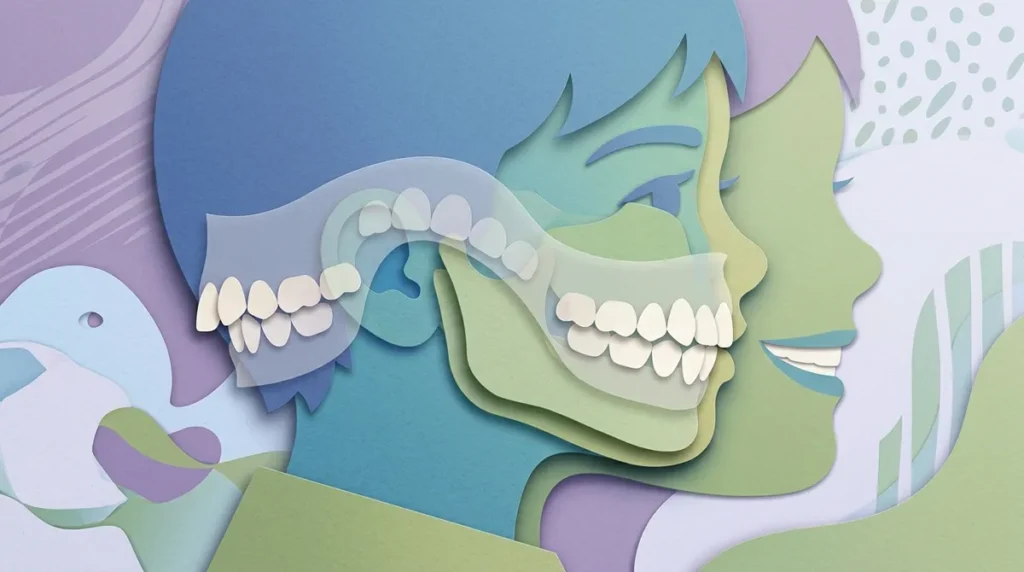
An overbite happens when your upper front teeth stick out too far over your lower front teeth. A small overlap is actually normal and healthy. But when the overlap is too large — usually more than 2-3mm — it becomes what orthodontists call a “deep bite.” This can cause real problems over time if left untreated.
It’s helpful to understand the difference between a dental overbite (caused by tooth position) and a skeletal overbite (caused by jaw structure). Your orthodontist will assess which type you have before recommending the right treatment plan.
12 Overbite Correction Facts You Should Know
1. Overbites Are Extremely Common
You are definitely not alone if you have an overbite. Studies show that overbites are among the most frequently treated bite issues in orthodontics. Many people have some degree of overbite without even knowing it. A quick evaluation can tell you whether yours needs attention or not.
2. Genetics Often Play a Big Role
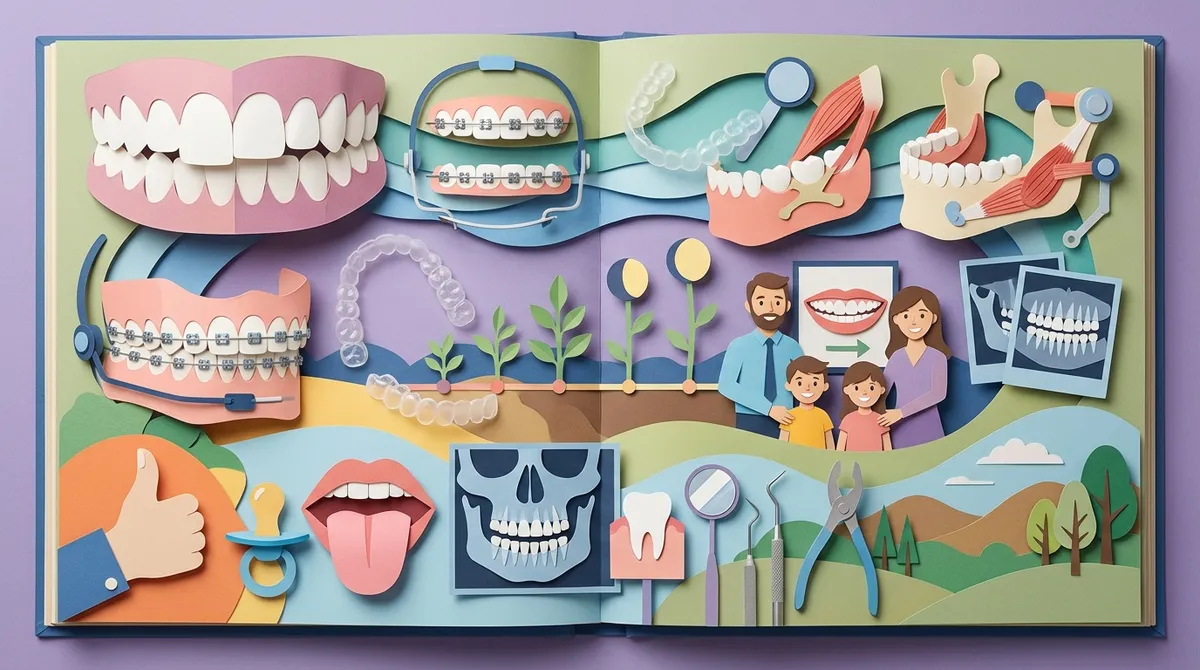
If one of your parents had an overbite, there’s a good chance you might too. Jaw shape and tooth size are largely inherited. That said, certain habits like thumb sucking or prolonged pacifier use in early childhood can also contribute to an overbite developing. Knowing the cause helps guide the best treatment approach. You can learn more about this and other issues at our early orthodontic treatment page.
3. Early Treatment in Children Gets Better Results
The American Board of Orthodontics recommends that children see an orthodontist by age 7. At this age, the jaw is still growing, which means an orthodontist can guide development before the problem gets worse. Early intervention often makes treatment shorter and simpler later on.
4. An Untreated Overbite Can Cause Real Damage
Leaving a significant overbite untreated isn’t just a cosmetic concern. Here are some problems it can lead to:
- Excessive wear on tooth enamel
- Jaw pain and discomfort
- Difficulty chewing or biting food properly
- Speech difficulties in some cases
- Increased risk of gum damage
- Temporomandibular joint (TMJ) issues
Getting an evaluation sooner rather than later protects your long-term oral health. Visit our page on what happens during an orthodontic evaluation to know what to expect.
5. Braces Are a Highly Effective Treatment Option
Traditional metal braces have been correcting overbites for decades — and they’re still one of the most reliable tools available. Braces use brackets and wires to gradually move teeth into proper alignment. For deeper or more complex overbites, braces often work faster and with more control than other options. Check out all about braces to learn how they work.
6. Clear Aligners Can Also Correct Mild to Moderate Overbites
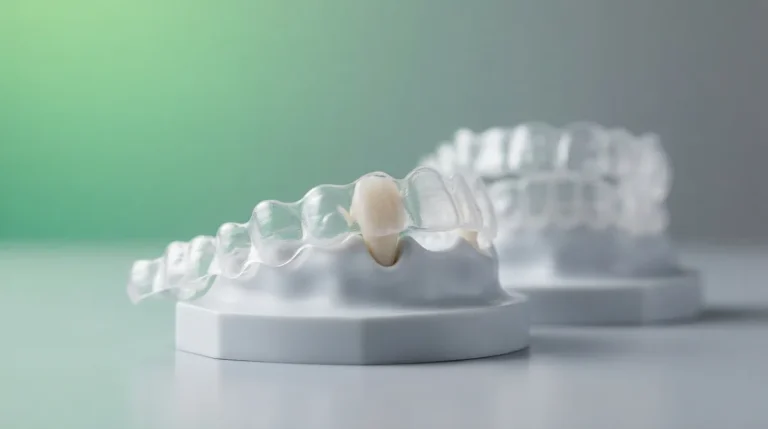
If you’re a teen or adult who wants a more discreet option, clear aligners can be a great choice for mild to moderate overbites. These removable trays are nearly invisible and don’t interfere with your daily life. They’re especially popular with working professionals and adults who want to improve their smile without anyone noticing. You can also explore how braces vs. clear aligners compare to find the right fit for you.
7. Rubber Bands and Auxiliaries Play a Key Role
During overbite correction, your orthodontist may use rubber bands (called elastics) attached to your braces or aligners. These tiny but mighty tools help shift the jaw into the correct position. Here’s how they typically work:
- Elastics attach from upper to lower brackets or aligner hooks
- They create gentle, consistent pressure on the jaw
- Wearing them as directed speeds up your treatment significantly
- Your orthodontist will adjust the configuration as your bite improves
Consistency is key — the more you wear them, the faster your treatment moves!
8. Treatment Time Varies by Severity
One of the most common questions we hear is: “How long will this take?” The honest answer depends on several factors. Here’s a general breakdown:
| Overbite Severity | Common Treatment Option | Estimated Treatment Time |
|---|---|---|
| Mild (dental) | Clear aligners or braces | 6–12 months |
| Moderate (dental/skeletal) | Braces with elastics | 12–24 months |
| Severe (skeletal) | Braces + possible jaw support | 18–36 months |
| Growing children | Phase 1 + Phase 2 treatment | Varies with growth |
Your orthodontist will give you a personalized timeline after a full assessment. Visit our page on your first orthodontic visit to know what to expect at your consultation.
9. Advanced Technology Makes Treatment More Precise
Modern orthodontic offices use cutting-edge tools to plan your overbite correction with incredible accuracy. At practices using advanced orthodontic technology, digital scans replace messy impressions, 3D imaging shows your bite from every angle, and custom treatment plans are tailored specifically for your teeth and jaw. This means more efficient treatment and better outcomes overall.
10. Retainers Are Essential After Overbite Correction
Once your overbite is corrected, you’ll need to wear a retainer to keep your teeth in their new position. Skipping this step is one of the main reasons adults end up needing retreatment later. Orthodontic retainers are custom-made to hold your results in place — think of them as the final, crucial step of your treatment journey. Wearing your retainer as directed protects your investment for life.
11. Adults Can Successfully Correct Overbites Too
Overbite correction isn’t just for kids! Adult orthodontics is booming in 2026, and more adults than ever are choosing to address their bite issues. Whether you’re correcting a new overbite or dealing with relapse after previous treatment, there are excellent options available. Many adults are thrilled to discover how much modern treatment has improved — it’s more comfortable, faster, and more discreet than ever before.
12. Finding a Board-Certified Orthodontist Makes All the Difference
Not all dental providers offer the same level of expertise for overbite correction. A board-certified orthodontist has completed additional years of specialized training beyond dental school. They have the skills and experience to handle complex bite issues like overbites effectively and safely. When it comes to something as important as your smile and jaw health, you want a specialist in your corner.
Treatment Options for Overbite Correction in Lakewood Ranch
If you’re exploring overbite correction in Lakewood Ranch, you’ll be glad to know there are several excellent options available. Here’s a quick summary of the most popular choices:
- Traditional metal braces: The gold standard for overbite correction, especially for kids and teens
- Clear braces: Work like metal braces but with tooth-colored brackets for a subtler look
- Clear aligners: Removable, nearly invisible trays ideal for mild to moderate cases
- LightForce custom braces: Fully personalized brackets for more precise tooth movement
- Retainers post-treatment: Essential for maintaining your corrected bite long-term
Want to explore which option suits you best? Browse our guide on types of braces or check out our 7 orthodontic treatments that can transform your smile for more inspiration.
What to Expect at Your First Consultation
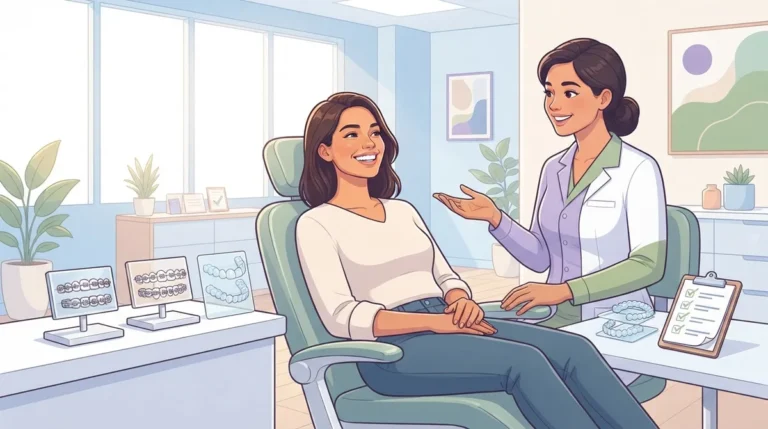
Walking into an orthodontic office for the first time can feel a little intimidating — but it really shouldn’t be! Here’s a simple breakdown of what typically happens:
- Smile assessment: The orthodontist examines your teeth, bite, and jaw
- Digital imaging: X-rays or 3D scans to see what’s happening beneath the surface
- Diagnosis: A clear explanation of your overbite type and severity
- Treatment plan: Personalized recommendations based on your needs and goals
- Cost and financing discussion: A review of your investment and payment options
It’s a relaxed, informative visit — and you leave knowing exactly where you stand. Speaking of costs, check out our orthodontic financing page to learn about flexible payment plans that make treatment affordable for every budget.
Why Choose Segovia Orthodontics for Overbite Correction
At Segovia Orthodontics at Lakewood Ranch, Dr. Flor Segovia brings warmth, expertise, and cutting-edge care to every patient. As a board-certified orthodontist fluent in both English and Spanish, Dr. Segovia creates personalized treatment plans for patients of all ages — from young children to busy adults. The practice uses the latest technology and offers flexible financing to make your smile goals a reality. Visit us on Google — Segovia Orthodontics to read reviews from happy patients in the Lakewood Ranch community.
We love celebrating every smile milestone with our patients — and we’d love to celebrate yours too! Follow along on our Instagram page and connect with our community on our Facebook page for smile inspiration, tips, and practice updates.
Taking the First Step Toward a Better Bite
Correcting an overbite is one of the best investments you can make in your long-term health and confidence. Whether you’re a parent ready to get your child evaluated, an adult finally ready to fix your bite, or someone returning after a relapse — there’s a solution waiting for you in Lakewood Ranch. Don’t let uncertainty hold you back. The right information and the right team make all the difference.
Have more questions before you visit? Browse our FAQ orthodontic treatment page for answers to the most common concerns. And when you’re ready to take action, we’re here for you — simply schedule your consultation with our friendly team and let’s talk about your smile goals today!
FAQs
Q: How do I know if I or my child has an overbite that needs correction?
A: The easiest way to find out is to schedule an orthodontic evaluation! During the visit, the orthodontist will measure how much your upper teeth overlap your lower teeth. A small overlap is perfectly normal, but if it’s more than 2-3mm or causing any discomfort, correction is likely recommended.
Q: Can overbite correction in Lakewood Ranch be done with clear aligners?
A: Absolutely — clear aligners are a fantastic option for mild to moderate overbites, especially for teens and adults who want a discreet treatment. Your orthodontist will assess the severity of your overbite and let you know if clear aligners are the right fit for your specific situation.
Q: At what age should my child be evaluated for an overbite?
A: The American Board of Orthodontics recommends a first orthodontic check-up by age 7. At this age, the jaw is still growing, which gives orthodontists the best opportunity to guide development and prevent the overbite from getting worse over time.
Q: Will overbite correction hurt?
A: Most patients experience some mild soreness in the first few days after getting braces or starting a new set of aligners — but it’s totally manageable! Think of it as your teeth responding to gentle movement. Over-the-counter pain relief and soft foods can help you feel comfortable as you adjust.
Q: How much does overbite correction cost in Lakewood Ranch?
A: The cost of overbite correction varies depending on the severity of your bite and the type of treatment recommended. The great news is that most orthodontic practices offer flexible financing plans and accept insurance to make treatment affordable. We recommend scheduling a consultation to get a personalized cost estimate for your situation.