Key Takeaways
-
Clear aligners achieve 80-96% success rates for mild to moderate cases, with success heavily dependent on wearing aligners 20-22 hours daily and proper case selection by a board-certified orthodontist.
-
Success rates vary significantly by case severity: mild crowding/spacing (75-85%), moderate (55-70%), and severe (35-50%), making honest pre-treatment evaluation critical for realistic expectations.
-
Aligners excel at straightening and leveling teeth but struggle with certain movements like anterior extrusion and complex rotations on rounded teeth, which may require attachments or refinement trays.
-
Upper molar distalization (moving molars backward) has an 88% predictability rate with aligners, making this movement one of the most reliable for creating space without tooth extraction.
-
About 25-30% of cases need refinement trays (additional aligner sets) to perfect results, which is a normal part of treatment rather than a sign of failure.
-
Orthodontist-supervised aligner systems deliver more predictable outcomes than do-it-yourself options because professional monitoring catches small issues early and allows timely treatment adjustments.
Thinking about clear aligners but wondering if they really work? You’re not alone. Every week, parents, professionals, and adults ready for a second chance at a straight smile ask us the same question: what’s the real success rate of clear aligners? The good news is that research gives us solid answers, and we’re breaking it all down for you in plain, simple language. No confusing dental jargon here—just the facts you need to make a confident decision.
Whether you’re a busy mom trying to fit orthodontic care into your family’s schedule, a young professional who wants a discreet fix before a big meeting, or an adult dealing with relapse after your teenage braces, this guide is for you. Let’s walk through what the research actually shows about clear aligner success, so you can feel good about your next step. And if you’re in the Lakewood Ranch area, our team at Segovia Orthodontics is always happy to answer your questions in person.
1. Clear Aligners Succeed in 80% to 90% of Mild to Moderate Cases
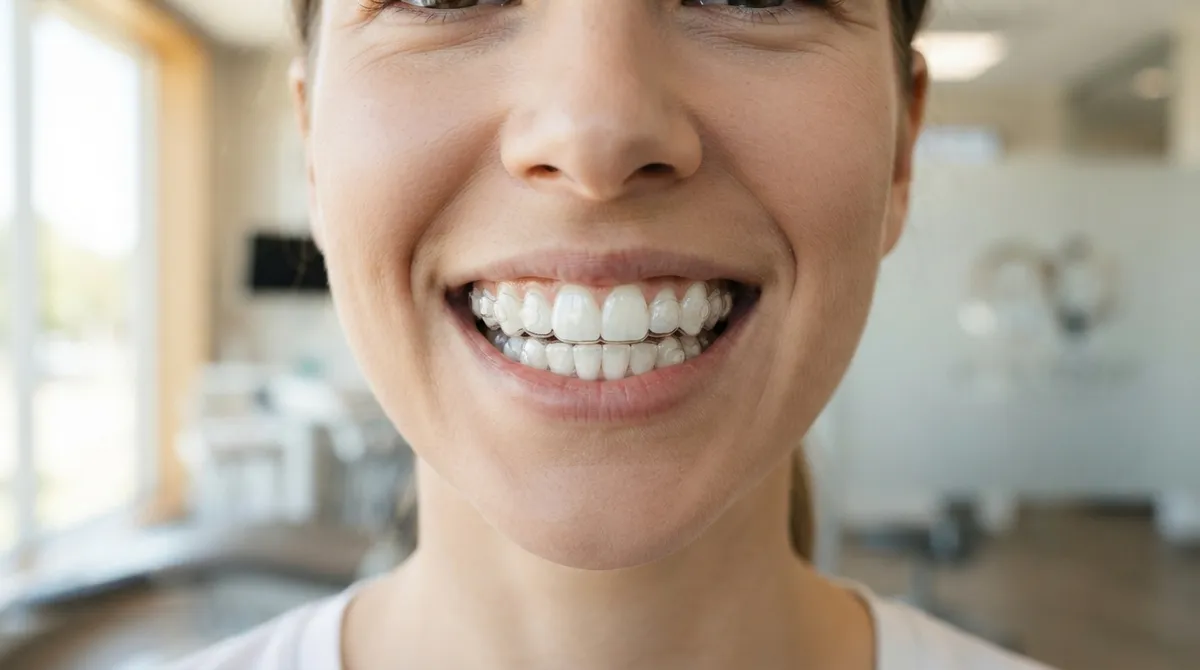
Here’s the headline fact: clinical research shows clear aligners achieve about 80% to 90% success for mild to moderate tooth movements. Some studies even report numbers as high as 96% for well-selected cases. That’s a strong track record, especially when you consider how far aligner technology has come in recent years.
This means if you have crowding, spacing, or minor bite issues, your odds of a smooth, successful outcome are quite good. Of course, success always depends on choosing the right case for aligner treatment in the first place.
2. Case Selection Makes a Huge Difference
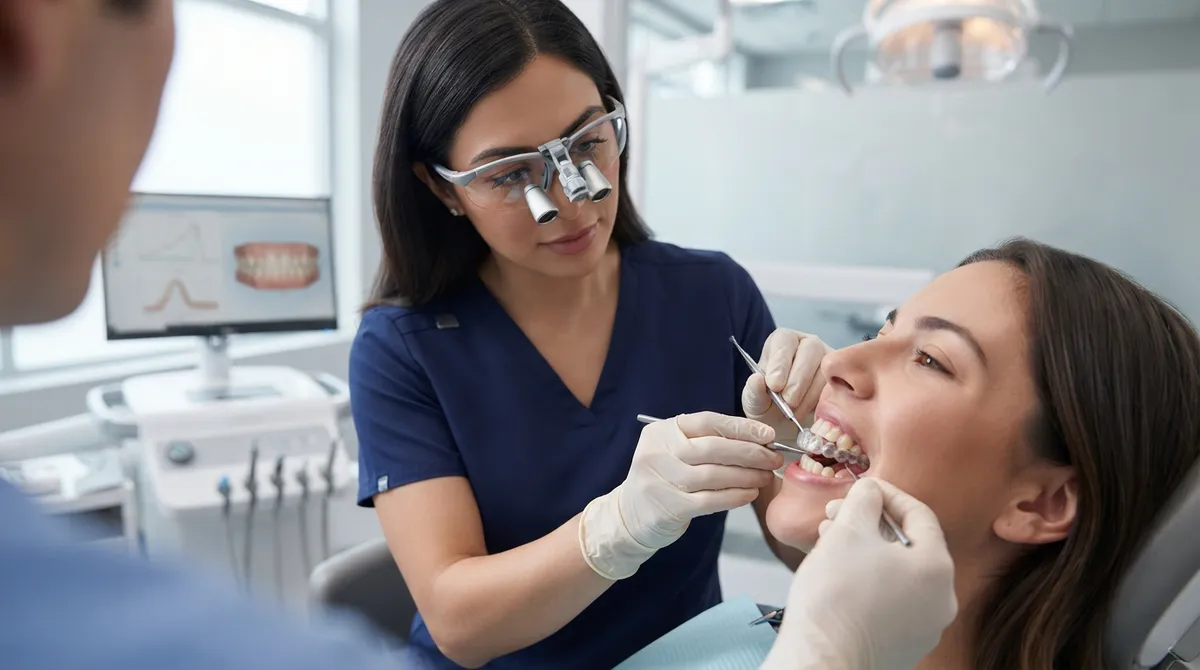
Not every smile is the same, and not every case is a perfect fit for clear aligners. Orthodontists look closely at your specific alignment issues before recommending this treatment path. Mild to moderate crowding and spacing tend to respond beautifully to aligners.
More complex bite problems may need extra tools or a different approach altogether. This is exactly why a thorough evaluation with a trained orthodontist matters so much before you start treatment. Learn more about what happens during an orthodontic evaluation so you know what to expect.
3. Severity of Your Case Changes the Numbers
Success rates aren’t one-size-fits-all. They shift depending on how complex your case is. Here’s a quick breakdown based on clinical protocol summaries:
| Case Severity | Estimated Success Rate |
|---|---|
| Mild crowding/spacing | 75%–85% |
| Moderate crowding/spacing | 55%–70% |
| Severe crowding/spacing | 35%–50% |
This table shows why an honest, upfront conversation with your orthodontist matters. Knowing where your case falls helps set realistic expectations from day one.
4. Your Compliance Is the Biggest Success Factor
We can’t stress this enough: how well aligners work depends heavily on you. Most clinical guidelines recommend wearing your aligners 20 to 22 hours every day. Skipping this can slow your progress or even stall your results completely.
Think of it like a fitness plan. The equipment (or in this case, the aligners) only works if you actually use it consistently. This is one reason clear aligners are a great match for adult relapse patients, who tend to be highly motivated and disciplined about following instructions.
5. Aligners Excel at Aligning and Leveling Teeth
A systematic review found clear aligners are especially effective at aligning and leveling dental arches. This is great news if your main concern is crowded or crooked front teeth. Many patients see noticeable improvement within just a few months.
If straightening your smile before a big life event is your goal, this is worth knowing. Check out our guide on how to fix misaligned teeth and get a straighter smile for more details.
6. Some Tooth Movements Are Trickier Than Others
Clear aligners aren’t perfect for every type of movement. Research shows they struggle more with anterior extrusion (pulling a tooth downward) and certain rotations, especially on rounded teeth.
This doesn’t mean aligners can’t help with these issues at all—it just means they may need extra tools like attachments or additional refinement trays. Your orthodontist will map this out during your treatment planning.
7. Upper Molar Movement Is Surprisingly Predictable
Here’s a fun fact that surprises a lot of patients: moving upper molars backward (called distalization) is actually one of the more predictable movements for aligners. Expert consensus places this success rate around 88%.
This matters a lot for patients who need extra space in their upper arch without extractions. It’s one more example of how precise modern aligner planning has become.
8. Braces vs. Aligners: Similar Results for Simple Cases
For non-extraction, simpler cases, studies show no significant difference in outcome scores between braces and clear aligners. Both can deliver excellent results when used correctly.
One comparative study found clear aligners produced a 75% reduction in a common alignment scoring index (called PAR) after 12 months, compared to 80% with traditional braces. That’s a small gap, and it highlights just how far aligner technology has advanced. Curious which option fits your lifestyle best? Our comparison on braces vs. clear aligners breaks it down further.
9. Accuracy of Tooth Movement Varies by Type
One clinical evaluation found that accuracy of predicted tooth movement with aligners ranges from 36% to 85%, averaging around 65% overall. This wide range depends on the specific type of movement being attempted.
Simple tipping movements tend to be more accurate than complex rotations or vertical movements. This is why regular check-ins with your orthodontist are so important—adjustments keep your treatment on track.
10. Severe Malocclusion Still Needs Extra Care
If you have a significant bite problem or severe misalignment, clear aligners alone may not be your best first option. Research shows predictability drops for complex malocclusions, and quality evidence is still limited in this area.
The good news? Many severe cases can still be treated successfully with a combination approach, or with traditional braces first. Our common orthodontic problems page can help you understand your specific situation better.
11. Refinement Trays Boost Long-Term Success
Here’s something many patients don’t expect: needing refinement trays doesn’t mean treatment failed. In fact, about 25% to 30% of cases across mixed severity levels benefit from additional aligner sets to perfect results.
Think of refinements as the finishing touches on a great renovation. They help fine-tune your smile after your teeth have already made significant progress.
12. Technology Choices Matter for Predictability
Not all aligner systems are created equal. Options range from do-it-yourself mail order aligners to clinician-directed systems designed and monitored by a trained orthodontist.
Systems supervised by orthodontists, like those used at our Lakewood Ranch office, tend to offer more predictable outcomes because a professional is tracking your progress at every stage. This oversight can catch small issues before they become bigger problems. We proudly offer clear aligners as one of several treatment paths, alongside options like Angel Aligners, which use an AI-driven planning system and a flexible wear schedule for efficient results.
13. Steps to Maximize Your Success Rate
Want the best possible outcome from your clear aligner journey? Follow these simple steps:
- Get a thorough evaluation from a board-certified orthodontist before starting treatment.
- Wear your aligners for 20 to 22 hours every single day.
- Switch to each new tray exactly as instructed—don’t skip ahead or fall behind.
- Attend every follow-up appointment so your orthodontist can track progress.
- Clean your aligners daily to avoid staining and bacteria buildup.
- Use any recommended attachments or elastics as directed.
- Communicate immediately if something feels off or uncomfortable.
Following these steps consistently gives you the best shot at hitting that 80% to 96% success range we mentioned earlier.
14. Choosing the Right Orthodontist Changes Everything
At the end of the day, success rates aren’t just about the aligners themselves—they’re about who’s guiding your treatment. Dr. Flor Segovia is a board-certified orthodontist who combines advanced technology with a warm, family-friendly approach to care.
Whether you’re a teen preparing for prom, a professional wanting a discreet solution, or an adult ready to fix relapse from years ago, having an experienced provider matters. Learn more about Dr. Flor Segovia and why families across the region trust her for their smiles. You can also read about our board certification and commitment to using advanced orthodontic technology to boost predictability and comfort.
What This Means for Your Smile Journey
So, what’s the bottom line on the success rate of clear aligners? For the right candidate, success rates land comfortably between 80% and 96%. Compliance, case selection, and clinical supervision are the three biggest factors driving that success.
Every smile is different, and the only way to know your true success odds is through a personalized consultation. Our team loves helping patients of all ages find the treatment path that fits their life, whether that’s traditional braces, fun WildSmiles brackets for kids, precise LightForce technology, or Angel Aligners for busy adults.
Curious what real patients say about their experience? Check out our Facebook page or follow along on our Instagram page for smile transformations and helpful tips. You can also learn more about orthodontic standards from the American Board of Orthodontics, which sets the bar for specialist training nationwide.
Ready to see what your success rate could look like? Request an appointment today, or feel free to contact us with any questions. You can also give us a quick call at 941-557-1333 to get started. And don’t forget to visit us on Google — Segovia Orthodontics to see what our Lakewood Ranch patients have to say about their own smile transformations. We can’t wait to help you achieve the confident, healthy smile you deserve!
FAQs
Q: How successful are clear aligners compared with braces?
A: For simple, non-extraction cases, studies show clear aligners and braces achieve very similar results. One study found a 75% reduction in alignment scores with aligners versus 80% with braces, so both are excellent options depending on your specific needs.
Q: What factors affect the success rate of clear aligners?
A: The biggest factors are case selection, how many hours a day you wear your aligners, and how closely your orthodontist monitors your progress. Wearing aligners 20 to 22 hours daily is key to hitting that 80% to 96% success range.
Q: Are clear aligners effective for bite correction?
A: Clear aligners work well for many mild to moderate bite issues, but severe bite problems may need a combined approach. A thorough evaluation with your orthodontist will help determine if aligners alone can address your specific bite concerns.
Q: Do clear aligners work for severe crowding or complex malocclusion?
A: Severe crowding tends to have lower predictability with aligners alone, with success rates around 35% to 50% in some clinical summaries. That said, many severe cases can still achieve great results with extra planning, attachments, or a combination of treatments.
Q: How important is wearing aligners 20-22 hours a day?
A: It’s honestly the single most important habit for success. Aligners only move your teeth when they’re actually on, so consistent wear time directly determines how close you’ll get to your ideal, predicted results.
Our Service Area