Key Takeaways
-
Untreated misaligned teeth can lead to jaw pain, uneven tooth wear, and gum disease beyond cosmetic concerns, making early treatment an investment in long-term oral health.
-
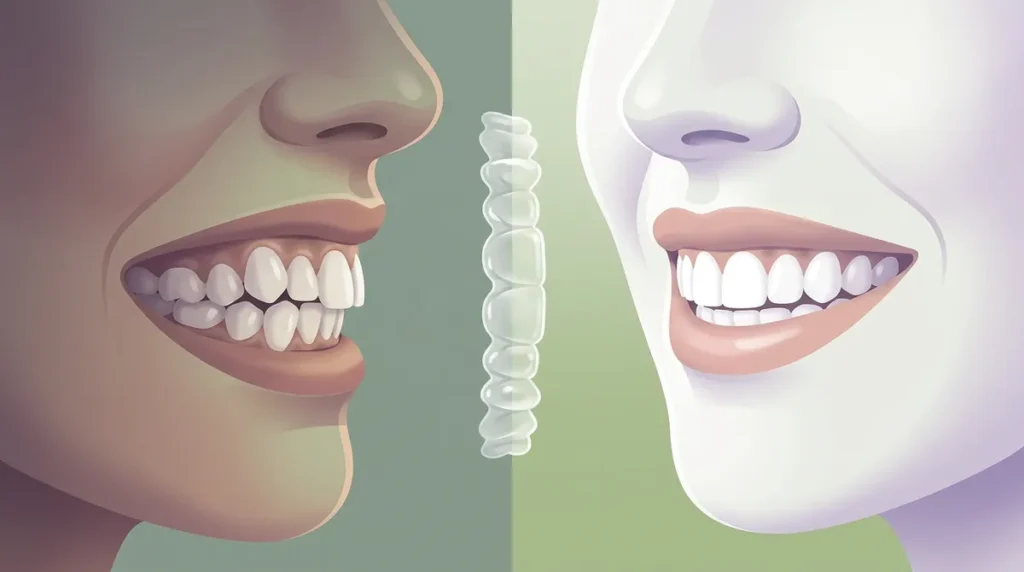
Modern treatment options now include traditional metal braces, clear braces, and removable clear aligners, with clear aligners being nearly invisible and suitable for mild to moderate misalignment.
-
The American Association of Orthodontists recommends children have their first orthodontic evaluation by age 7, but treatment is effective at any age including adulthood with discreet options.
-
Consistency during treatment is critical—wear aligners 20-22 hours daily, attend all appointments, and use retainers after treatment to prevent teeth from shifting back.
-
Orthodontic treatment costs less than many expect with monthly payment plans available, and most dental insurance covers at least a portion of the cost.
-
Professional evaluation using X-rays and digital scans is the essential first step to understand your specific misalignment type and determine the most effective personalized treatment plan.
Does your smile feel off? Maybe your teeth overlap, leave gaps, or just don’t line up the way you’d like. You’re not alone. Misaligned teeth are one of the most common reasons people visit an orthodontist. The good news? There are more ways than ever to fix them — and treatment is more comfortable and discreet than you might think.
Whether you’re a mom researching options for your child, a young professional wanting a more confident smile, or someone preparing for a big life event, this guide is for you. We’ll walk you through the types of misaligned teeth, why they matter, and how to find the right treatment to finally get the smile you deserve. Let’s dive in!
What Are Misaligned Teeth?
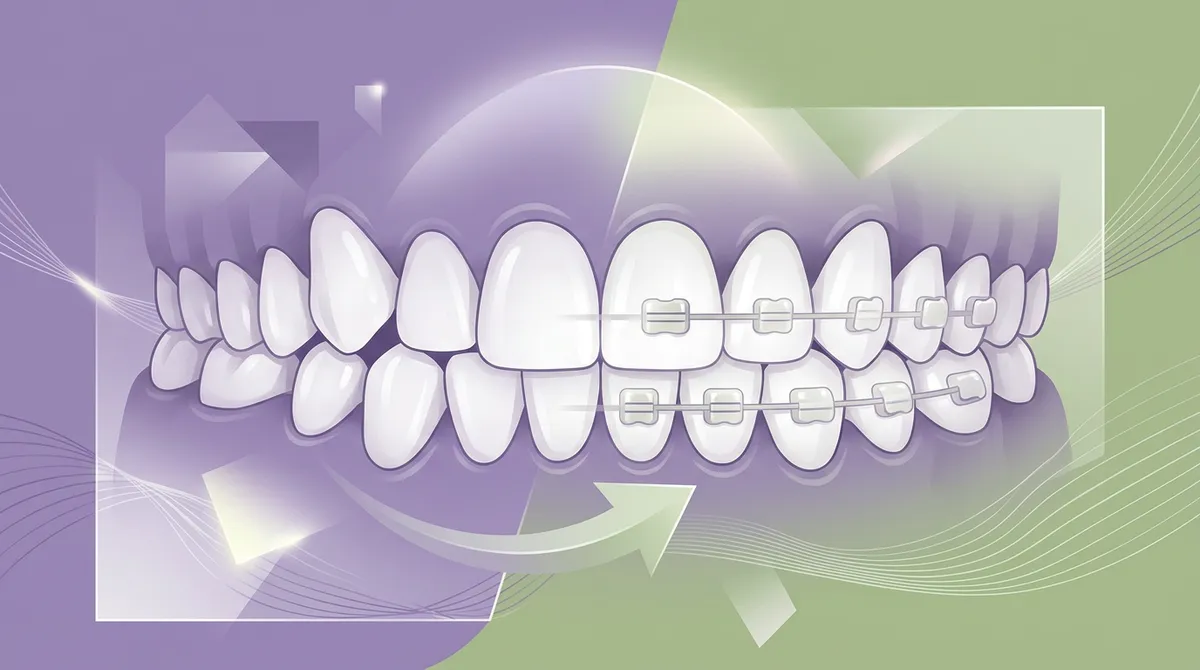
Misaligned teeth — also called malocclusion — simply means your teeth don’t fit together properly. This can affect how you bite, chew, speak, and feel about your smile. It’s not just a cosmetic concern. Left untreated, misaligned teeth can lead to jaw pain, uneven tooth wear, and even gum disease.
Orthodontists classify malocclusion into three main types. Understanding which type you have helps determine the best treatment path. You can learn more about common orthodontic problems and how they’re treated to get a clearer picture of where you stand.
Common Types of Misaligned Teeth
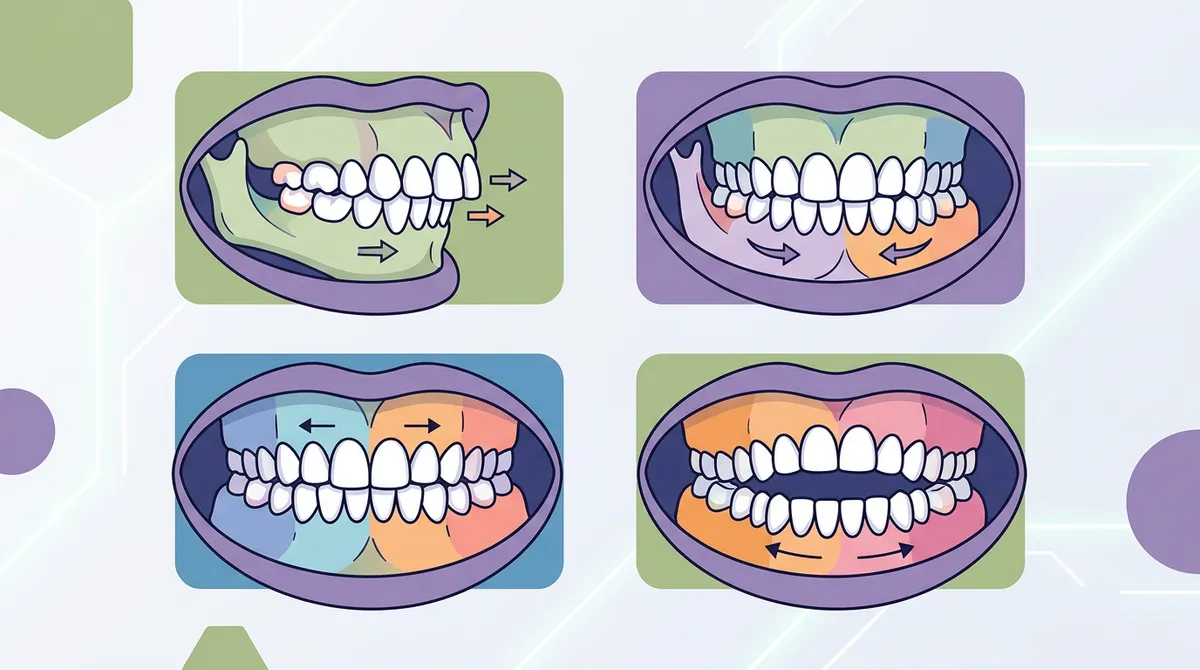
Not all misalignment looks the same. Here’s a quick overview of the most common types orthodontists see every day:
- Crowding: Teeth overlap or twist because there isn’t enough space in the jaw.
- Spacing: Gaps or spaces between teeth, sometimes caused by missing teeth or a large jaw.
- Overbite: The upper front teeth bite too far over the lower front teeth.
- Underbite: The lower teeth extend in front of the upper teeth.
- Crossbite: Some upper teeth sit inside the lower teeth when biting down.
- Open bite: The upper and lower teeth don’t meet when the mouth is closed.
Each of these conditions responds well to modern orthodontic treatment. The key is getting an evaluation early so you can start the right treatment at the right time.
Why Fixing Misaligned Teeth Matters
Sure, a straighter smile looks great — but fixing misaligned teeth goes much deeper than aesthetics. Here’s why treatment is worth it:
- Easier to brush and floss, which lowers the risk of cavities and gum disease
- Less strain on your jaw joints and muscles
- Reduced risk of chipping or wearing down teeth unevenly
- Improved ability to chew and speak clearly
- A boost in self-confidence and overall wellbeing
Research from the American Board of Orthodontics confirms that properly aligned teeth contribute to better long-term oral health. It’s an investment in your health, not just your appearance.
Step-by-Step: How to Address Misaligned Teeth
Ready to take action? Here’s a simple step-by-step process to help you move from concern to confident smile.
Step 1: Schedule an Orthodontic Evaluation
The first step is always a professional evaluation. An orthodontist can assess your bite, jaw, and tooth alignment using X-rays and digital scans. This gives you a full picture of what’s going on — no guessing needed. If you’re not sure what to expect, check out what happens at your first orthodontic visit so you can feel prepared and relaxed.
Step 2: Understand Your Treatment Options
Once your orthodontist reviews your evaluation, they’ll recommend a treatment plan. Here’s what’s typically available for misaligned teeth:
- Traditional Metal Braces: The classic option. Highly effective for all types of misalignment, including complex cases.
- Clear Braces: Same mechanics as metal braces, but with tooth-colored brackets for a more subtle look.
- Clear Aligners: Removable, nearly invisible trays that gradually shift teeth. Great for mild to moderate misalignment.
- Custom Retainers: Used after active treatment to keep teeth in their new positions.
Explore your full range of types of braces to understand which style might work best for your lifestyle and goals.
Step 3: Choose the Right Treatment for Your Life
Your treatment choice should match your lifestyle, age, and the severity of your misalignment. Here’s a comparison to help you decide:
| Treatment Option | Best For | Visibility | Removable? |
|---|---|---|---|
| Traditional Metal Braces | All ages, complex cases | Visible | No |
| Clear Braces | Teens & adults, moderate cases | Less visible | No |
| Clear Aligners | Adults & teens, mild-moderate cases | Nearly invisible | Yes |
| Custom Retainers | Post-treatment maintenance | Minimal | Yes (most types) |
If you’re leaning toward clear aligners, you can learn all about clear aligners and whether they’re a good fit for your situation.
Step 4: Start Treatment and Stay Consistent
Once you begin, consistency is everything. Wear your aligners for the recommended hours per day. Keep up with your adjustment appointments. Follow your orthodontist’s care instructions. The more committed you are, the better your results — and the faster you’ll get there.
At Segovia Orthodontics, Dr. Flor Segovia and her team use advanced orthodontic technology to create precise, personalized treatment plans. This means fewer surprises and more predictable results for every patient.
Step 5: Protect Your Results with a Retainer
Here’s a fact many people don’t know: teeth can shift back after treatment. That’s why wearing your retainer as directed is so important. Retainers hold your teeth in their new, corrected positions so you keep the smile you worked hard for. Learn more about orthodontic retainers and how they protect your investment long-term.
When Should You Start Treatment?
The short answer? As soon as possible. The American Association of Orthodontists recommends children have their first orthodontic evaluation by age 7. Early treatment can catch developing problems before they become more serious. But it’s never too late — adults fix misaligned teeth every single day!
- Children (ages 7–12): Early orthodontic treatment can guide jaw development and prevent more complex issues later.
- Teenagers (ages 13–17): Teen orthodontic treatment is common and highly effective at this stage when the jaw is still growing.
- Adults (18+): Adult orthodontics is more popular than ever, with discreet options that fit busy professional lives.
Misaligned Teeth in Children vs. Adults
Treatment works differently depending on age. Here’s what to keep in mind:
- Children’s jaws are still growing, so treatment may move faster and take advantage of natural development.
- Teens often have a mix of baby and adult teeth, which requires careful planning from an experienced orthodontist.
- Adults may need slightly longer treatment times, but the results are just as impressive.
- Adults who had braces as kids and experienced relapse can absolutely retreat — and often see great outcomes.
No matter your age, the most important thing is taking that first step. You can always reach out to our team to ask questions or get started without any pressure.
What to Look for in an Orthodontist
Choosing the right orthodontist makes a huge difference in your experience and results. Here’s what to look for:
- Board certification from a recognized orthodontic body
- Experience with a wide range of misalignment cases
- Use of modern technology like 3D scanning and digital X-rays
- A welcoming, family-friendly practice environment
- Flexible financing options that work with your budget
Dr. Flor Segovia is a board-certified orthodontist who brings expertise, warmth, and cutting-edge technology to every patient she treats. She also provides bilingual care in English and Spanish, making everyone feel right at home. You can also follow along with patient stories and updates on our Instagram page to get a feel for the practice before you visit.
Understanding the Cost of Treatment
We know cost is a real concern for many families and individuals. The good news is that orthodontic treatment is more affordable than many people expect — especially with the right financing plan in place. Many practices offer monthly payment plans, and most dental insurance plans cover at least a portion of orthodontic treatment.
Explore your orthodontic financing options to find a plan that works for your budget. Don’t let cost be the reason you put off a healthier, happier smile.
Tips for a Smooth Treatment Journey
Once you start treatment for misaligned teeth, these habits will help you get the best results:
- Brush after every meal to keep teeth and brackets clean
- Avoid hard, sticky, or crunchy foods that can damage braces
- Wear your aligners for at least 20–22 hours per day if using clear aligners
- Never skip your follow-up appointments — these keep treatment on track
- Contact your orthodontist right away if something breaks or feels wrong
Knowing what to do in a pinch is also helpful. If you ever have a bracket come loose or experience discomfort, the orthodontic emergency page has everything you need to know. And if you have lingering questions, the FAQ on orthodontic treatment is a great resource to bookmark.
Conclusion
Misaligned teeth don’t have to hold you back from smiling confidently. Whether you’re dealing with crowding, an overbite, or spacing issues, there’s a treatment path that’s right for you — at any age and any stage of life. The most important step you can take is simply getting an evaluation and learning your options.
At Segovia Orthodontics at Lakewood Ranch, we’re here to make that journey as smooth and enjoyable as possible. Dr. Flor Segovia and our friendly team are ready to help you or your child get the smile you’ve always wanted. Visit us on Google to read reviews from real patients in our community. You’re also welcome to connect with us on our Facebook page to see what we’re all about.
Ready to get started? Schedule your appointment today and take the first step toward a straighter, healthier smile. We can’t wait to meet you!
FAQs
Q: How do I know if I have misaligned teeth?
A: Great question! Some signs to look for include overlapping or crowded teeth, gaps between teeth, difficulty biting or chewing, and jaw pain. The best way to know for sure is to visit an orthodontist for a professional evaluation — it’s quick, painless, and gives you all the answers you need.
Q: At what age should misaligned teeth be treated?
A: The American Association of Orthodontists recommends a first evaluation by age 7, but misaligned teeth can be treated at any age! Children, teens, and adults all benefit from orthodontic treatment. It’s truly never too early — or too late — to start working toward a straighter smile.
Q: Can clear aligners fix misaligned teeth as well as braces?
A: Clear aligners work wonderfully for mild to moderate misalignment and are a popular choice for teens and adults who want a discreet option. For more complex cases, traditional or clear braces may be more effective. Your orthodontist will recommend the best option based on your specific needs.
Q: How long does it take to fix misaligned teeth?
A: Treatment time varies depending on the type and severity of your misalignment. On average, most orthodontic treatments take between 12 and 24 months. Your orthodontist will give you a personalized timeline during your consultation so you know exactly what to expect.
Q: Will misaligned teeth get worse if left untreated?
A: Yes, in many cases untreated misaligned teeth can worsen over time and lead to additional problems like tooth wear, jaw pain, gum disease, and difficulty cleaning your teeth. Treating misalignment sooner rather than later helps protect your overall oral health and keeps things simpler — and less expensive — in the long run.