Key Takeaways
-
Adult orthodontic treatment improves both aesthetics and function by fixing crooked teeth, gaps, and bite issues while making oral hygiene significantly easier by eliminating tight spaces where plaque accumulates.
-
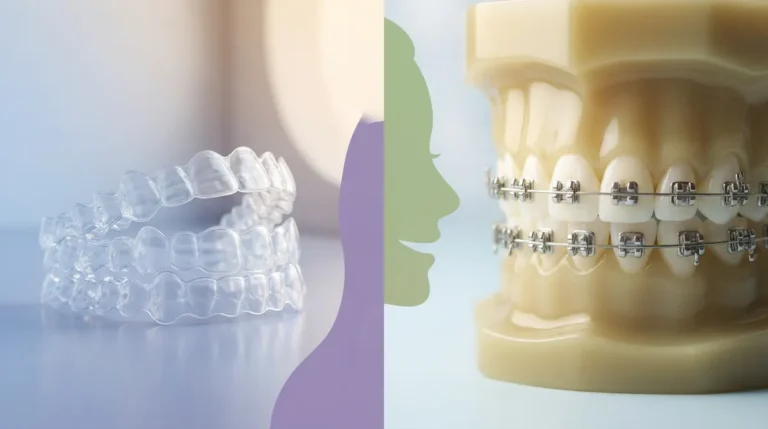
Clear aligners like Angel Aligners are ideal for career-focused adults due to their near-invisibility and removability, while LightForce 3D-printed brackets offer a middle ground for complex cases, potentially cutting treatment time by up to 45%.
-
There is no upper age limit for orthodontic treatment—patients in their 40s, 50s, and beyond can successfully get braces or aligners as long as their gums and jawbone are healthy, though pre-existing dental work may need addressing first.
-
Adult orthodontic treatment typically takes 12-36 months depending on complexity, with most comprehensive cases lasting 2-3 years; simpler aligner cases may finish faster if patients follow instructions and keep appointments.
-
Maintaining excellent oral hygiene during treatment is critical to prevent plaque buildup, white spot lesions, and gum inflammation; brushing twice daily with fluoride toothpaste and using interdental brushes around brackets are essential preventive steps.
-
Wearing a retainer long-term after treatment is non-negotiable to prevent tooth relapse; most orthodontists recommend full-time wear for several months post-treatment, then indefinite nighttime wear, especially for adults who had braces before.
Ever catch yourself staring at your smile in a work Zoom call, wishing your teeth were just a little straighter? You’re far from alone. More grown-ups than ever are raising their hands for adult orthodontic treatment, and the numbers back it up. The American Association of Orthodontists reported roughly 1.91 million adults were in active treatment through AAO-member practices in 2025, up from about 1.64 million just a few years earlier. That’s a lot of confident new smiles walking around!
Whether you’re a busy professional worried about how braces might look in meetings, a parent who put your own smile on hold while raising kids, or someone who wore braces as a teen and watched your teeth slowly drift back, this guide is for you. We’ll walk through your options, what to expect, and how Segovia Orthodontics at Lakewood Ranch helps adults get the smile they’ve been wanting for years. Grab a coffee and let’s talk teeth.
What Adult Orthodontic Treatment Actually Fixes
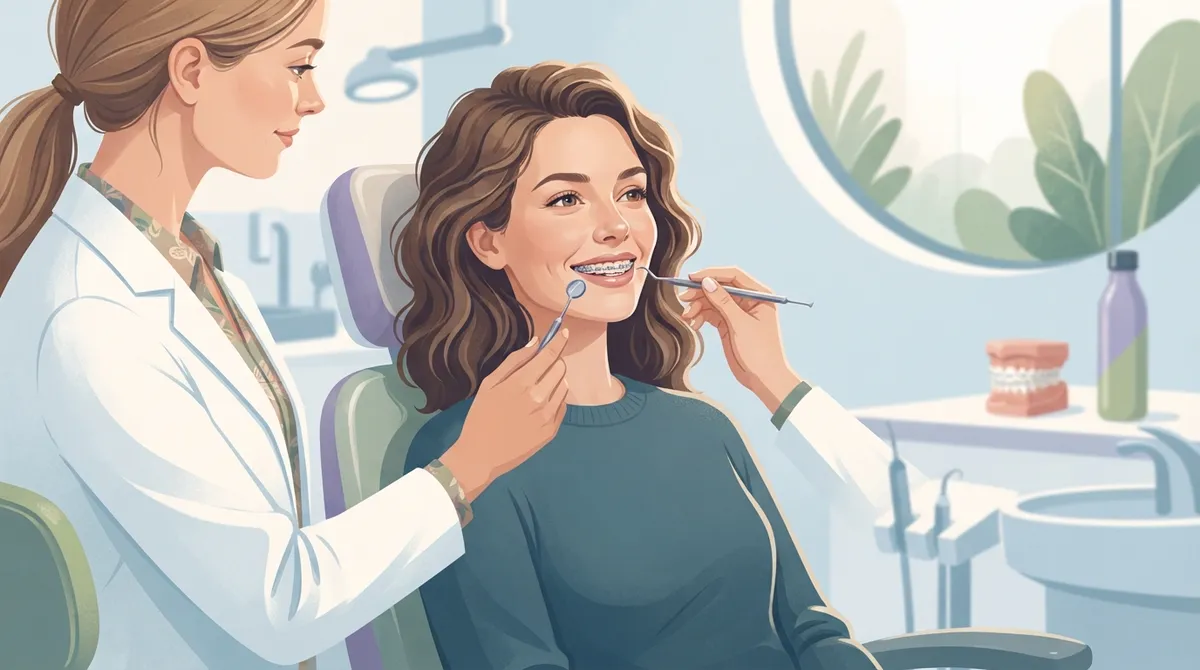
Adult orthodontic treatment isn’t just about looks, though a straighter smile sure feels nice. It also improves how your teeth work together. Here’s what it can help with:
- Crooked or crowded teeth that are hard to keep clean
- Gaps between teeth that bother you cosmetically
- Overbites, underbites, and crossbites
- Jaw discomfort caused by a bad bite
- Teeth that have shifted back after childhood braces
- Trouble chewing properly due to misalignment
A straighter smile also makes brushing and flossing so much easier. Crowded teeth create tight spots where plaque loves to hide. Once your teeth are properly aligned, keeping up with oral hygiene gets a whole lot simpler. Curious about which specific issues affect your smile? Our page on common orthodontic problems breaks it down further.
Is There an Age Limit for Orthodontic Treatment?
Here’s the good news: there really isn’t an upper age limit for braces or aligners. As long as your gums and the bone supporting your teeth are healthy, you’re likely a good candidate. Age alone doesn’t disqualify anyone.
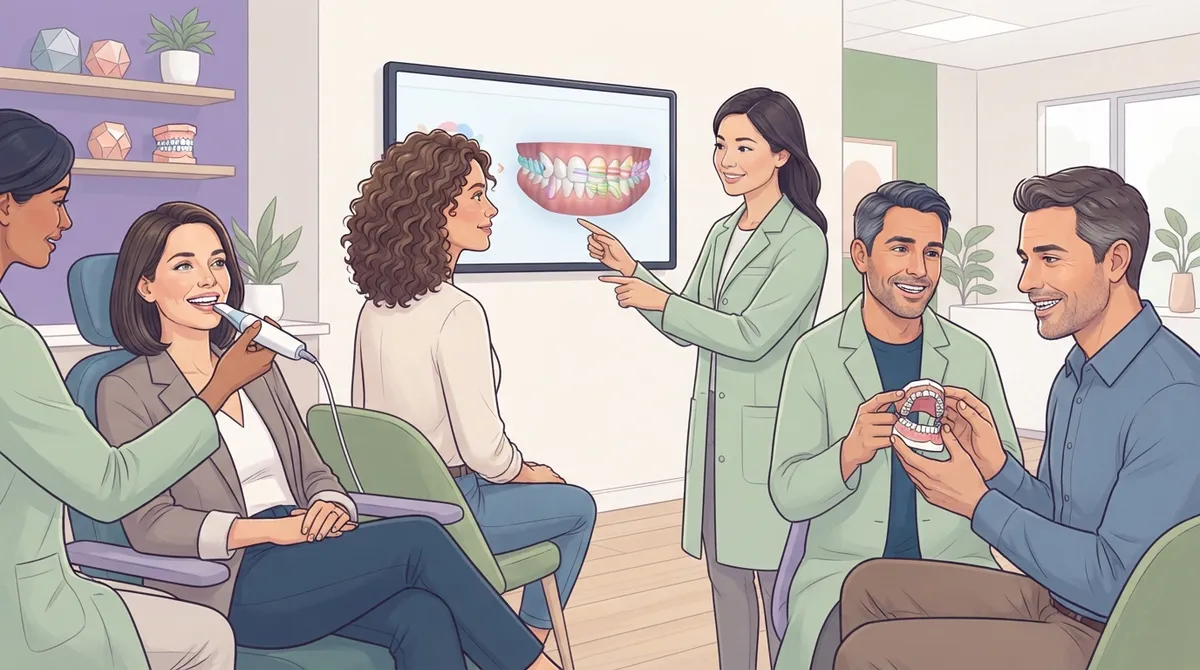
That said, adult mouths often come with extra history. Maybe you have a filling from years ago, a crown, or even a dental implant. Your orthodontist will need to look closely at your dental history and take some images before creating your plan. If you have active gum disease or cavities, those usually need treatment first before any tooth movement begins.
Adults sometimes need orthodontics as part of a bigger plan. This might include working alongside restorative dentistry, like crowns or implants, or even coordinating with jaw surgery in rare cases where the jaw bones themselves are misaligned. Dr. Flor Segovia, a board certified orthodontist, evaluates each adult case individually rather than using a one-size-fits-all approach.
Braces vs. Clear Aligners: Which One Fits Your Life?
This is probably the question we hear most from adult patients. Both options work well, but they fit different lifestyles and needs. Let’s break it down.
| Feature | Traditional & Ceramic Braces | Clear Aligners |
|---|---|---|
| Visibility | Ceramic blends in; metal is more visible | Nearly invisible |
| Removable? | No, fixed in place | Yes, removable for eating and brushing |
| Best for | Complex bite issues, precise movements | Mild to moderate cases, discreet needs |
| Maintenance | Requires special brushing tools | Requires discipline to wear 20-22 hrs/day |
| Diet restrictions | Some foods to avoid | None, since trays come out to eat |
Clear aligners like Angel Aligners are hugely popular with career-focused adults because they’re removable and much less noticeable. Angel Aligners use a smart “7+3” wear schedule, meaning you wear a flexible tray for 7 days, then a firmer one for 3 days. This can speed up tooth movement and often means fewer office visits. They also come with a frosted finish to reduce shine, so they’re less likely to catch light and draw attention during a big presentation.
On the other hand, if your case is more complex, fixed braces might get you better results. LightForce Orthodontics is a fully digital, 3D-printed bracket system that’s custom-fitted to your exact teeth. It can cut treatment time by up to 45% compared to traditional one-size-fits-all brackets, and the brackets themselves come in clear or white for a subtle look. For adults hoping to minimize how noticeable their treatment is, this is a fantastic middle ground between full aligners and traditional metal braces.
How Long Does Adult Orthodontic Treatment Take?
This is the big question, especially if you’re planning around a wedding, career move, or other milestone. Here’s a general timeline breakdown:
- Initial consultation and imaging: Usually the first visit, where your orthodontist checks gum health, bite, and takes scans or X-rays
- Treatment planning: Your custom plan is designed, whether it’s braces or aligners
- Active treatment: Typically lasts 12 to 36 months depending on complexity
- Regular adjustments: Appointments every 6 to 8 weeks to check progress and make changes
- Retention phase: Wearing a retainer to lock in your new smile
NHS orthodontic guidance commonly cites 2 to 3 years for many comprehensive cases, though simpler adult cases using aligners can sometimes finish faster. Missed appointments, broken appliances, and how well you follow instructions all affect your timeline. If you’re eyeing a big event like a graduation or wedding, it’s smart to start early. Our article on how to get a straighter smile faster has more tips on speeding things along responsibly.
What About Cost and Insurance?
Cost is understandably a big factor for most adults considering treatment. Prices vary quite a bit depending on the type of treatment, how complex your case is, and where you live. Here are the general cost drivers to keep in mind:
- Type of treatment (metal braces, ceramic, or clear aligners)
- Length of treatment needed
- Whether any pre-treatment dental work is required
- Your specific bite or alignment issues
- Insurance coverage, if you have orthodontic benefits
Many dental insurance plans offer partial orthodontic coverage, even for adults, though it varies by provider. Flexible financing plans can also make a big difference in affordability. We always recommend asking about payment options during your consultation. You can learn more about your choices on our orthodontic financing page.
Common Risks and How to Avoid Them
Like any dental treatment, adult orthodontics comes with a few risks worth knowing about. The good news is most of them are preventable with good habits.
- Plaque buildup around brackets or aligner edges
- White spot lesions or early tooth decay from poor hygiene
- Gum inflammation or irritation
- Rare cases of root resorption or gum recession
- Temporary soreness after adjustments
NHS patient guidance highlights enamel decalcification and gum inflammation as key risks when plaque isn’t cleaned properly around braces. That’s why sticking to good hygiene habits during treatment matters so much. The British Orthodontic Society recommends brushing with fluoride toothpaste containing roughly 1,350 to 1,500 ppm fluoride, along with regular dental checkups throughout treatment.
Tips for Keeping Your Smile Healthy During Treatment
Whether you choose braces or aligners, a few simple habits go a long way in protecting your results. Here’s what we recommend to every adult patient:
- Brush at least twice daily with fluoride toothpaste
- Use interdental brushes or floss threaders around brackets
- Limit sugary snacks and sodas that feed plaque
- Keep every scheduled adjustment appointment
- Report broken brackets or wires right away rather than waiting
- Wear aligners for the recommended 20-22 hours daily
- Keep up with regular dental cleanings alongside orthodontic visits
If you ever run into a broken wire or lost aligner, don’t panic. Check out our guide on handling an orthodontic emergency so you know exactly what to do until your next appointment.
Life After Braces: Why Retainers Matter So Much
Here’s something a lot of adults don’t expect: finishing active treatment isn’t really the finish line. Your teeth can shift right back if you skip your retainer. This is especially true for adult relapse patients who had braces as teens but stopped wearing retainers too soon.
Most orthodontists recommend full-time retainer wear for several months after treatment, then nighttime wear long-term. Some patients even wear a fixed retainer behind their front teeth for extra insurance. It might feel like a hassle, but it’s a small effort compared to redoing years of treatment. Explore your options on our orthodontic retainers page to find what fits your lifestyle best.
Why Choose Segovia Orthodontics for Your Adult Treatment
Dr. Flor Segovia brings board-certified expertise and genuine warmth to every adult case at our Lakewood Ranch practice. She’s fluent in both English and Spanish, making sure every patient feels comfortable asking questions and understanding their treatment plan fully. You can read more about her background on our Dr. Flor Segovia page.
Our office uses advanced orthodontic technology, including digital scanning and LightForce’s 3D-printed bracket system, to make treatment more precise and often faster. We also offer Angel Aligners for adults who want a discreet, comfortable option with a budget-friendly price tag compared to some premium aligner brands. Being a member in good standing with organizations like the American Board of Orthodontics means we hold ourselves to high clinical standards for every patient, at every age.
Curious what other patients think? Feel free to check out our Facebook page or follow along on our Instagram page for real smile transformations and behind-the-scenes looks at our office. You can also see what our Segovia Orthodontics patients say by visiting our Google Business Profile.
Getting Started: What Your First Visit Looks Like
Not sure what happens at that first appointment? Here’s a simple rundown of what to expect:
- A friendly welcome and quick chat about your smile goals
- A clinical exam checking your teeth, gums, and jaw
- Digital scans or X-rays if needed
- A discussion of your treatment options and estimated timeline
- A clear breakdown of costs and financing choices
We know starting orthodontic treatment as an adult can feel a little intimidating, especially if it’s your first time or a return after years without braces. Our goal is to make that first visit relaxed and informative, not stressful. Learn more by visiting our first orthodontic visit page.
And speaking of getting ready for life’s big moments, if you’re also sprucing up your home or yard before hosting a graduation party or family gathering, our friends at Wayne & Sons Landscaping & Junk Removal can help you get your outdoor space picture-perfect too.
Your Smile Is Worth the Investment
Adult orthodontic treatment isn’t just about vanity. It’s about function, health, and honestly, feeling good every time you smile in a photo or a mirror. There’s no perfect age to start, and there’s no shame in wanting a smile you’re proud of, whether you’re 28 or 68.
If you’ve been putting off this decision, consider this your friendly nudge. Ready to see what’s possible for your smile? Request an appointment with our Lakewood Ranch team today, or give us a call at 941-557-1333 to ask any questions you might have. We can’t wait to meet you and help you start this exciting journey toward a healthier, more confident smile.
FAQs
Q: Can adults still get braces or clear aligners after age 40, 50 or 60?
A: Absolutely! There’s no upper age limit for orthodontic treatment. As long as your gums and jawbone are healthy, you can get braces or aligners at any age. We’ve helped plenty of patients in their 40s, 50s, and beyond finally get the smile they’ve always wanted.
Q: Which is better for adults: braces or clear aligners?
A: It really depends on your case and lifestyle. Clear aligners like Angel Aligners are great for mild to moderate issues and offer a discreet, removable option. Braces, especially custom systems like LightForce, work better for more complex bite problems. We’ll help you figure out which fits your smile and schedule best.
Q: How long does adult orthodontic treatment take?
A: Most adult treatment takes about 12 to 36 months, though it varies based on how complex your case is. Simpler cases with aligners sometimes finish faster, while more involved bite corrections can take longer. Your orthodontist will give you a personalized estimate at your first visit.
Q: Is orthodontic treatment safe for adults with gum disease or dental implants?
A: Great question, and one we take seriously. Active gum disease or cavities typically need treatment first before any tooth movement begins. If you have crowns or implants, your orthodontist will factor those into your treatment plan carefully to keep everything safe and effective.
Q: How long do adults need to wear retainers after treatment?
A: Retainers are a long game, friends. Most people wear them full-time for a few months after treatment, then switch to nighttime wear indefinitely. Skipping this step is the number one reason teeth shift back, so think of your retainer as your smile’s best friend for life.
Our Service Area