Key Takeaways
-
LightForce Braces are custom 3D-printed brackets that fit each tooth individually, enabling up to 45% faster treatment than traditional metal braces while offering clear or white options for subtlety.
-
Clear aligners like Angel Aligners require 20-22 hours of daily wear and consistency is critical—skipping wear time is the #1 reason treatment gets delayed, so they work best for disciplined patients.
-
Professional orthodontic supervision is essential; mail-order aligner kits skip important steps like X-rays and bite analysis, risking undetected problems with tooth roots, jaw alignment, and gum recession.
-
Different treatment options suit different lifestyles: metal braces for complex cases, ceramic braces for visibility-conscious teens, lingual braces for hidden results, and aligners for busy professionals.
-
Retention after treatment is non-negotiable; teeth naturally shift over time, so wearing retainers nightly for years or indefinitely protects your results and prevents relapse.
-
Address oral health issues like decay or gum disease before starting any straightening treatment, since braces and aligners trap plaque and can worsen existing problems if hygiene isn't maintained.
Staring at a mirror and noticing crooked teeth is one thing. Figuring out what to actually do about it is a whole different story. If you’re a busy mom trying to schedule things around soccer practice, a young professional who wants a discreet fix, or an adult who had braces years ago and now sees your teeth drifting again, you’re probably wondering which teeth straightening options make the most sense for your life. Good news: you have more choices today than ever before, and most of them can fit into a real schedule with real budgets.
At Segovia Orthodontics in Lakewood Ranch, Dr. Flor Segovia and her team help patients of every age sort through these choices every single day. This guide breaks down the main paths to a straighter smile, what they actually involve, and how to pick the one that fits your goals, your mouth, and your lifestyle.
What Are the Main Teeth Straightening Options?
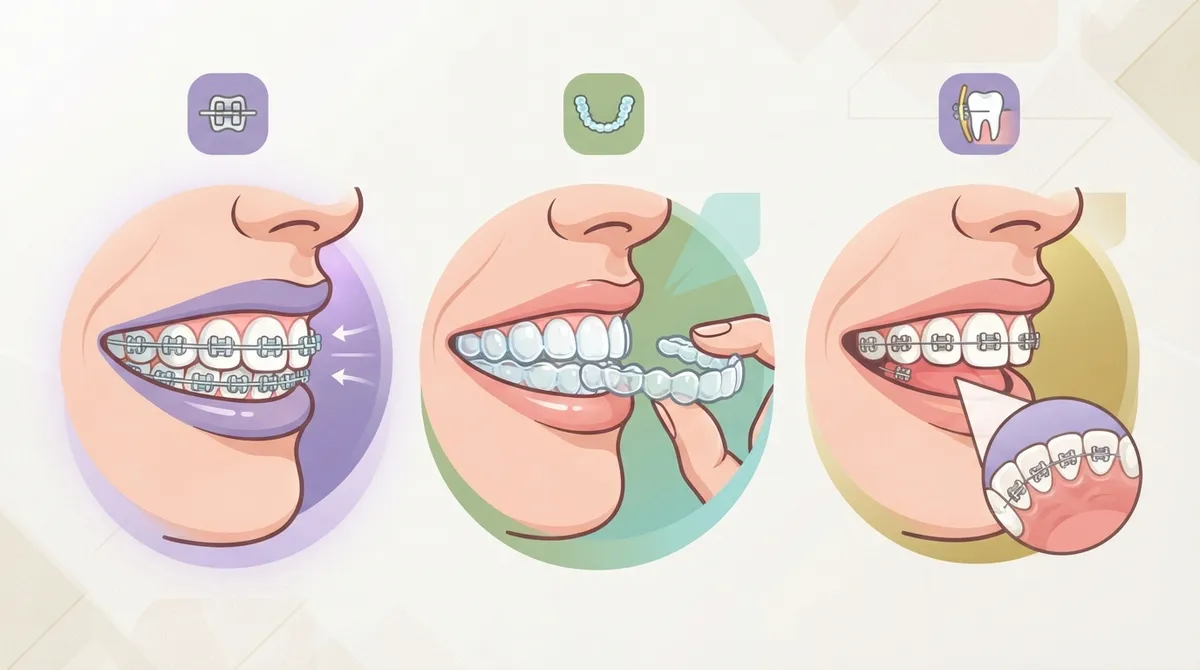
Orthodontic treatment isn’t one-size-fits-all. The right choice depends on your bite, how crowded or gapped your teeth are, your jaw structure, and how consistent you can be with wearing an appliance. Here are the primary options patients consider:
- Traditional metal braces
- Ceramic (clear) braces
- Lingual braces (placed behind the teeth)
- Clear aligners like Angel Aligners
- Specialty appliances such as palatal expanders or elastics
- Orthognathic (jaw) surgery for severe skeletal cases
Each of these has strengths. Some are built for speed. Some are built to be invisible. Some are built to handle the toughest bite problems. Let’s go through them one by one.
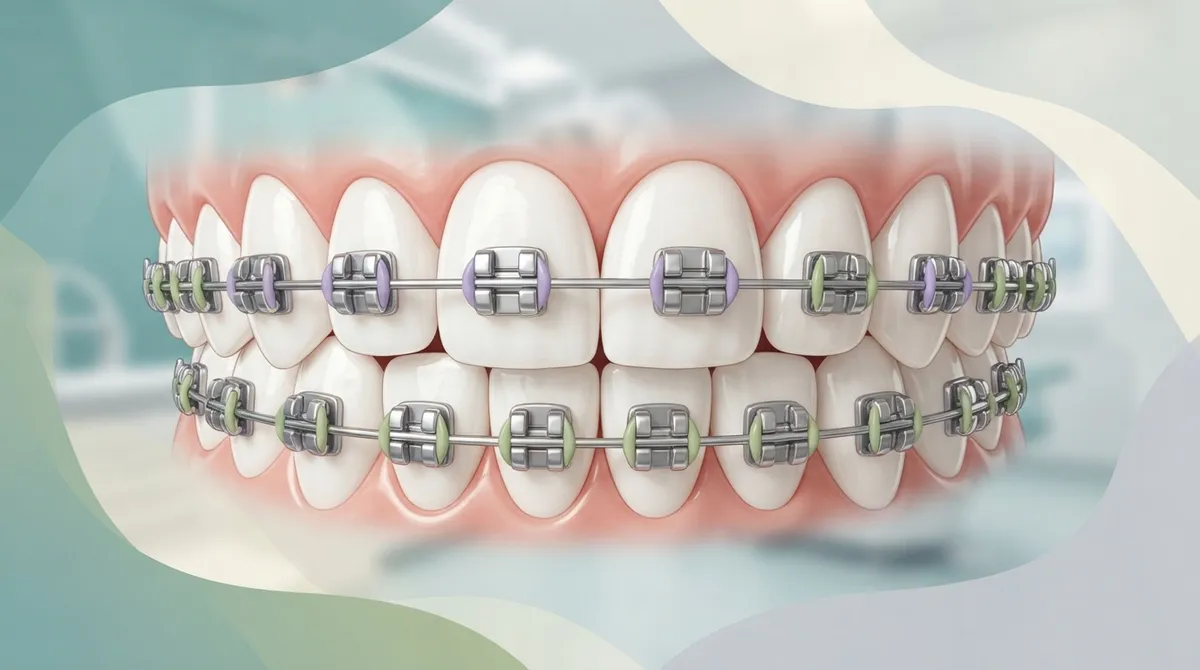
1. Traditional Metal Braces
Metal braces have been around for decades, and they’re still a workhorse for a reason. Small brackets get bonded to each tooth, and a wire threads through them to apply steady pressure that gently guides teeth into place. This option can fix nearly anything — severe crowding, rotated teeth, and big bite discrepancies included.
At Segovia Orthodontics, we offer two exciting versions of this classic option that make treatment more comfortable and even fun:
WildSmiles Braces for Kids and Fun-Loving Adults
Regular brackets are round or square. WildSmiles Braces come in shapes like stars, hearts, flowers, footballs, and even Mickey Mouse. Kids get excited to show off their braces instead of hiding them, and that excitement often translates into better brushing habits. The unique shapes also help both kids and parents spot leftover plaque more easily, since the design keeps the bracket surface more visible when it’s clean.
LightForce Braces: Custom-Fit and Fast
LightForce Orthodontics is a fully digital bracket system. Every single bracket is 3D printed to match the exact shape of your tooth, not a generic mold. This custom fit means less irritation to your gums, a more precise bite correction, and treatment that can move up to 45% faster than traditional methods. Brackets can also be made clear or white for a more subtle look, even on your back teeth.
2. Ceramic Braces
Ceramic braces work the same way as metal braces, but the brackets are tooth-colored or clear instead of shiny silver. They blend in better, which makes them a popular pick for teens heading into yearbook photos or adults who want less visibility at work. The tradeoff is that ceramic brackets can be slightly more fragile and often cost a bit more than metal.
3. Lingual Braces
Lingual braces attach to the back of your teeth, facing your tongue, so they’re essentially invisible from the front. They can treat a wide range of issues, much like traditional braces. However, they usually require a specialist, may cost more, and can take some getting used to since they sit closer to your tongue. Speech and comfort often adjust within the first couple weeks.
4. Clear Aligners
Clear aligners are custom, removable trays that gradually shift your teeth. They’re a favorite among adult orthodontics patients and professionals who want a treatment that doesn’t scream “braces” in every meeting or photo.
At our Lakewood Ranch office, we offer Angel Aligners as a modern option. Here’s what makes them stand out:
- AI-driven planning: Treatment plans are mapped digitally for precision and speed.
- 7+3 wear schedule: Seven days with a flexible tray, then three days with a firmer one, which can speed up movement and cut down on extra office visits.
- Built-in attachments: Some trays include aligner buttons already built in, so you skip extra bonded pieces on your teeth.
- Frosted, comfortable design: A frosted finish reduces shine, and flexible material is gentler on cheeks and gums.
- Budget-friendly pricing: Streamlined manufacturing often makes them more affordable than premium aligner brands, while still using comparable 3D digital planning.
According to the American Association of Orthodontists, clear aligners are typically worn 20 to 22 hours a day, and most trays are swapped out weekly as each one moves teeth by just a fraction of a millimeter. Skipping wear time is the number one reason aligner treatment gets delayed, so consistency really matters here.
Comparing Your Teeth Straightening Options
Sometimes it helps to see everything side by side. Here’s a quick snapshot of how the major options stack up:
| Option | Best For | Visibility | Typical Duration |
|---|---|---|---|
| Metal Braces | Complex bites, severe crowding | Most visible | 12–30 months |
| Ceramic Braces | Moderate to complex cases wanting less visibility | Low visibility | 12–30 months |
| Lingual Braces | Patients wanting a hidden fixed option | Hidden (behind teeth) | 12–30 months |
| Clear Aligners (e.g., Angel Aligners) | Mild to moderate misalignment, busy adults | Nearly invisible | 6–24 months |
| LightForce Braces | Custom precision, faster results | Clear/white option available | Often faster than traditional braces |
Remember, these ranges are general. The British Orthodontic Society notes that clear aligner treatment can run anywhere from about 6 to 24 months depending on how complex the bite is. The NHS reports overall orthodontic treatment commonly lasts 12 months to 2.5 years, with checkups every 4 to 10 weeks.
How to Decide: 5 Steps to Choosing the Right Option
Feeling a little overwhelmed by the choices? That’s completely normal. Here’s a simple path to follow:
- Schedule an evaluation. A hands-on exam, photos, X-rays, and sometimes digital scans help determine what’s really going on with your bite and jaw.
- Get real about your habits. If you know you’ll forget to put aligners back in after lunch, a fixed option might serve you better.
- Think about your timeline. Planning a wedding or graduation? Ask about options built for efficiency.
- Talk budget and financing. Ask about orthodontic financing plans that spread out payments.
- Address oral health first. Any active decay or gum disease should be treated before straightening begins, since braces and aligners can trap plaque if hygiene isn’t on point.
This is exactly the process we walk through during a first orthodontic visit at our Lakewood Ranch practice. We want you to leave that first appointment with a clear, honest plan — not a sales pitch.
Special Considerations by Life Stage
For Growing Kids and Teens
Catching problems early can sometimes prevent bigger issues down the road. Early orthodontic treatment can guide jaw growth before all the adult teeth even come in. For teens juggling sports, band practice, and friend groups, teen orthodontic treatment options like WildSmiles or discreet clear aligners can make the process feel a lot less stressful.
For Busy Professionals
If your calendar is packed with meetings and travel, clear aligners or LightForce’s faster custom braces may be worth exploring. Fewer surprises, fewer emergency visits, and a shorter overall timeline can matter a lot when your career is front and center.
For Milestone Events
Got a wedding, reunion, or big presentation coming up? Ask your orthodontist about realistic timelines based on your specific bite. Some cases really can move faster with the right technology and consistent aligner wear.
For Adults Correcting Relapse
Wore braces as a teen but skipped your retainer? You’re far from alone. Teeth can drift for years after treatment ends, which is why orthodontic retainers are so important long-term. Adults dealing with relapse are often highly motivated and consistent patients, which usually leads to smooth, predictable results the second time around.
Why Professional Supervision Matters
Mail-order aligner kits have grown in popularity, but they often skip important steps like in-person X-rays, bite analysis, and gum health checks. Without that oversight, problems with roots, jaw alignment, or gum recession can go unnoticed until they become bigger issues. An orthodontist can catch these concerns early and adjust your plan as needed.
Dr. Flor Segovia is a board certified orthodontist, meaning she’s met rigorous standards set by the American Board of Orthodontics. She also provides bilingual care in English and Spanish, which makes treatment more comfortable for many families across the Lakewood Ranch and Bradenton area.
What Happens After Treatment Ends?
Once your braces come off or your last aligner tray is done, the job isn’t quite finished. Retention is the final, essential phase. Removable or fixed retainers help hold your teeth in their new position, since teeth can naturally shift over time even after successful treatment. Many orthodontists recommend nighttime retainer wear for years, sometimes indefinitely, to protect your results.
Caring for Your Smile During Treatment
No matter which option you choose, a few habits go a long way:
- Brush after every meal, especially around brackets or attachment points
- Floss daily, using threaders or water flossers if needed
- Avoid sticky, hard, or overly chewy foods with fixed appliances
- Wear aligners for the full recommended hours each day
- Keep every scheduled adjustment or check-in appointment
Skipping appointments or wearing aligners inconsistently are two of the biggest reasons treatment drags on longer than expected. Staying on track really does pay off.
Ready to Explore Your Options?
Choosing among today’s teeth straightening options doesn’t have to feel confusing or stressful. Whether you’re drawn to fun WildSmiles brackets for your child, fast and precise LightForce braces, or the discreet convenience of Angel Aligners, there’s a path built for your life. Our Lakewood Ranch team is here to walk you through every option with honesty and care.
Curious what our patients say about their experience? Check out Visit us on Google — Segovia Orthodontics to read real reviews, or follow along on our Facebook page and our Instagram page for smile transformations and behind-the-scenes moments from our practice.
Ready to take the next step toward a straighter, healthier smile? Request an appointment today, or feel free to contact us with any questions. You can also simply call us at 941-557-1333 to get started.
FAQs
Q: What is the best way to straighten teeth?
A: Honestly, there’s no single “best” answer for everyone! It really depends on your bite, your goals, and your lifestyle. That’s why we always start with a friendly evaluation to figure out whether braces, LightForce, or Angel Aligners will work best for your unique smile.
Q: Are clear aligners as effective as traditional braces?
A: For mild to moderate crowding or spacing, clear aligners like Angel Aligners work beautifully and predictably. For more complex bite issues, traditional or custom braces sometimes offer more control, but your orthodontist can help you weigh the pros and cons together.
Q: How long does teeth-straightening treatment take?
A: Most treatments run somewhere between 6 months and 2.5 years, though it truly varies by case. Simple spacing might wrap up quickly, while more complex bites take a bit longer. Consistent wear and keeping your appointments really helps keep things on schedule.
Q: Can adults get braces or clear aligners?
A: Absolutely, and it happens more often than you might think! Plenty of adults are choosing discreet options like clear aligners or ceramic braces to finally get the smile they’ve always wanted, no matter their age.
Q: Do teeth stay straight after braces or aligners?
A: They can, as long as you wear your retainer as recommended. Teeth naturally want to shift over time, so nighttime retainer wear is your best friend for keeping that beautiful new smile in place for years to come.
Our Service Area