Key Takeaways
-
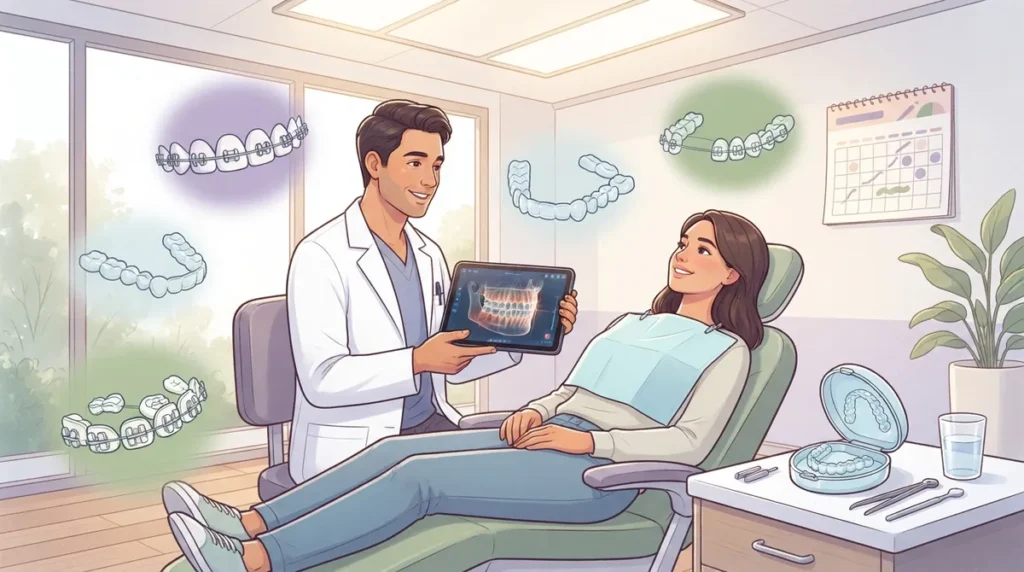
Schedule an initial consultation with an orthodontist for proper diagnosis using clinical exams, digital scans, and X-rays to determine your specific treatment needs before choosing any option.
-
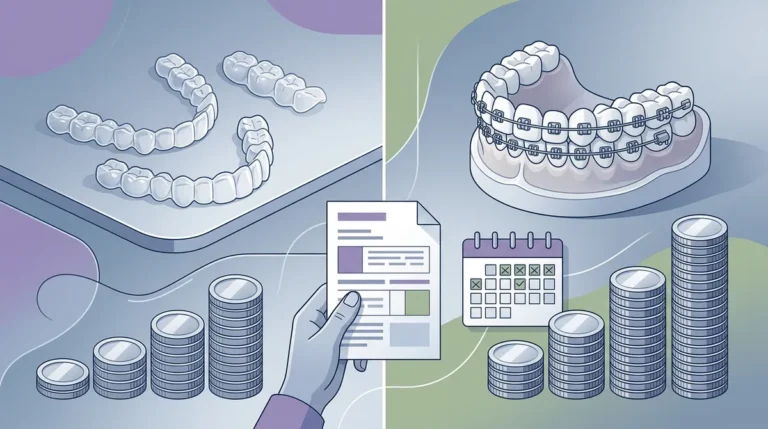
Multiple treatment options exist beyond traditional braces: LightForce offers 45% faster results with 3D-printed custom brackets, while Angel Aligners provide nearly invisible, budget-friendly treatment with flexible scheduling.
-
American Association of Orthodontists recommends children get their first orthodontic evaluation by age 7 to catch developing issues early, which often leads to simpler and faster treatment later.
-
Active orthodontic treatment typically lasts 18-24 months (median 22 months), but consistency with appointments, wearing aligners 20-22 hours daily, and following instructions are the biggest factors in staying on schedule.
-
The retention phase after active treatment is critical—teeth naturally drift back, so wearing retainers long-term, often nightly for years, is essential to protect your results and prevent relapse.
-
Choose a board-certified orthodontist verified through organizations like the American Board of Orthodontics to reduce risks like enamel decalcification, gum inflammation, and relapse from improper care.
So you’re thinking about getting your smile fixed, but you’re not sure where to start. Good news: you’re in great company! Millions of people just like you are asking the exact same question right now. In fact, the American Association of Orthodontists reports that around 8.45 million patients across the U.S. and Canada are currently in active orthodontic treatment. That’s a lot of happy smiles in progress, and yours can be one of them.
Whether you’re a mom trying to figure out the best plan for your kiddo, a busy professional dreaming of straighter teeth without anyone noticing, or an adult ready to fix things that shifted after your teenage braces, this guide is for you. We’ll walk through exactly how to choose the orthodontic treatment that fits your life, your goals, and your budget. Let’s make this simple and even a little fun.
What Is Orthodontic Treatment, Really?
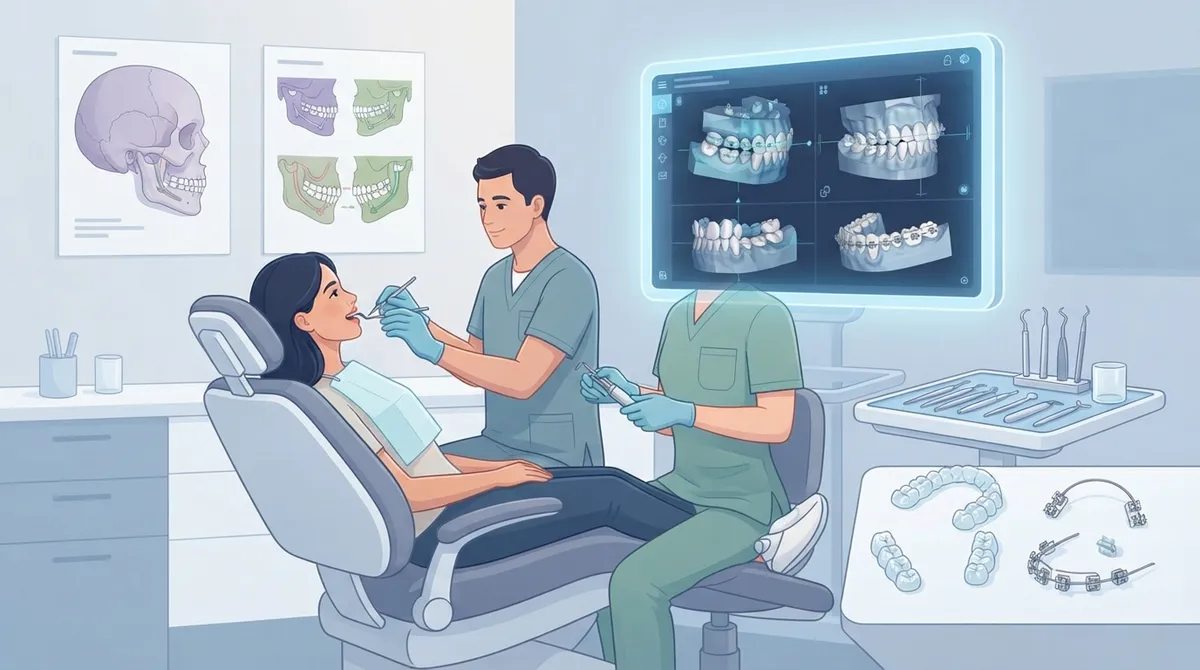
Orthodontic treatment is the process of fixing problems with how your teeth and jaws line up. This includes crowded teeth, gaps, overbites, underbites, and crossbites. The goal isn’t just a pretty smile (though that’s a wonderful bonus). It’s about better chewing, easier cleaning, and healthier teeth for the long run.
At Segovia Orthodontics in Lakewood Ranch, Dr. Flor Segovia and her team see this every single day. Treatment can mean traditional braces, clear aligners, or special appliances, depending on what your smile actually needs. No two mouths are exactly alike, so no two treatment plans should be either.
Common Problems Orthodontic Treatment Can Fix
- Crowded or overlapping teeth
- Gaps or spacing between teeth
- Overbite (upper teeth stick out too far)
- Underbite (lower jaw juts forward)
- Open bite (teeth don’t touch when you bite down)
- Crossbite (upper and lower teeth don’t line up right)
- Impacted or stuck teeth
If any of these sound familiar, don’t worry. These are some of the most common orthodontic problems out there, and they’re very treatable.
Step 1: Figure Out What Kind of Smile Fix You Need
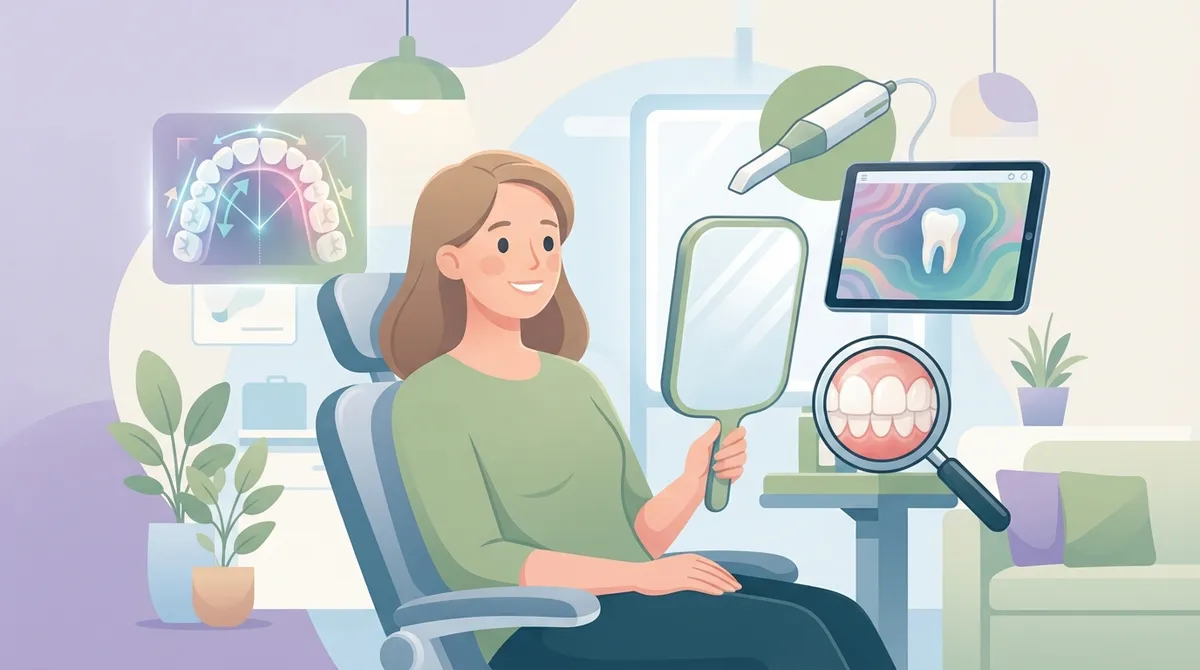
Before picking a treatment, you need a proper checkup. This usually includes a visual exam, some photos, digital scans or molds, and sometimes X-rays. This helps your orthodontist see exactly what’s going on beneath the surface.
Here’s how the process typically works, step by step:
- Schedule an initial consultation to discuss your concerns
- Get a clinical exam, photos, and digital scans or impressions
- Receive X-rays if your orthodontist needs a closer look at roots and jaw structure
- Review your diagnosis and treatment options with your provider
- Choose a treatment plan that fits your lifestyle and goals
- Begin active treatment with regular follow-up visits
- Finish treatment and move into retention with a retainer
Curious what actually happens at this first visit? Check out our guide on your first orthodontic visit to know exactly what to expect.
Step 2: Compare Your Treatment Options
This is where things get exciting. There isn’t just one way to straighten teeth anymore. Depending on your needs, age, and preferences, you’ll likely choose between a few solid options.
| Treatment Type | Best For | Visibility | Typical Duration |
|---|---|---|---|
| Traditional Metal Braces | Complex cases, kids, teens | Visible | 18-24 months |
| WildSmiles Braces | Kids who want a fun experience | Visible (fun shapes) | 18-24 months |
| LightForce Braces | Teens and adults wanting precision and speed | Subtle, clear/white brackets | Up to 45% faster |
| Angel Aligners | Adults and teens wanting discreet, budget-friendly treatment | Nearly invisible | Varies by case |
Traditional Braces: Still a Reliable Workhorse
Metal braces have been helping people for decades, and for good reason. They work well for almost any bite problem, even the tricky ones. If you want to learn more, our article on all about braces breaks down everything you need to know.
For kids, WildSmiles Braces add a playful twist. Instead of plain brackets, kids can choose fun shapes like stars, hearts, or even Mickey Mouse. This makes brushing easier to check too, since the shape should stay visible if teeth are cleaned well. When kids feel excited about their braces, they’re more likely to brush, floss, and follow the rules about food. That’s a win for everyone.
LightForce: Braces Built Just for You
If you love the idea of braces but want something faster and more precise, LightForce Orthodontics might be your answer. This is the first fully digital braces system, using 3D printing to create brackets custom-made for your exact teeth.
Here’s what makes it special:
- Brackets are 3D printed to match your unique tooth shape
- Dr. Segovia can make real-time digital adjustments to your plan
- Treatment can be up to 45% faster than traditional methods
- Clear or white brackets offer a more subtle look
- Custom appliances are usually ready in under two weeks
This is a fantastic option for busy professionals and life event planners who want results fast without sacrificing quality.
Angel Aligners: Clear, Comfortable, and Budget-Friendly
Clear aligners have become incredibly popular, especially with adults who want a treatment that fits quietly into their daily routine. Angel Aligners use a smart “7+3” wear schedule, meaning you wear a flexible tray for 7 days, then switch to a firmer tray for 3 days. This can speed up tooth movement and cut down on office visits.
Some perks of Angel Aligners include:
- Built-in attachments, so fewer bumps bonded onto your teeth
- A frosted finish that reduces shine and visibility
- Flexible materials that feel gentler on cheeks and gums
- Lower cost compared to many premium aligner brands
- AI-powered planning for a smoother treatment journey
Want more detail on how clear aligners compare to braces? We’ve got a full breakdown waiting for you.
Step 3: Think About Timing and Your Life Stage
Believe it or not, timing matters a lot in orthodontic treatment. The American Association of Orthodontists recommends kids get their first orthodontic check by age 7. This doesn’t mean treatment starts right away. It just means problems can be caught early, before they get bigger.
For Concerned Moms
If you have a child between 7 and 16, early evaluation is smart. Some kids need early orthodontic treatment to guide jaw growth, while others can wait until more permanent teeth come in. Either way, catching issues early often means simpler treatment later. Busy moms will also appreciate flexible scheduling, something Dr. Segovia’s practice takes seriously for families juggling school, sports, and everything in between.
For Teens
Teenagers have their own set of needs. They’re social, active, and often self-conscious about their smile. Teen orthodontic treatment can be designed around sports schedules, school photos, and even prom season.
For Young Professionals and Career-Focused Adults
If you’re in your late 20s or 30s and worried about how braces might look in the boardroom, clear aligners or LightForce’s subtle brackets are worth exploring. Nobody wants metal mouth showing up on a big presentation day. Faster treatment times mean you reach your goal smile without a long wait.
For Life Event Planners
Got a wedding, graduation, or big reunion coming up? Timing your treatment matters. Some options, like LightForce, move faster than traditional methods. Talk with your orthodontist early so you can plan around your big day with realistic expectations.
For Adults Fixing Old Relapse
Did your teeth shift back after you stopped wearing your retainer years ago? You’re definitely not alone. This happens more than people think. The AAO reports that nearly 1.91 million adults were in active treatment in 2024, up significantly from just two years earlier. Adult treatment today is faster and more discreet than ever, and many adults find they’re more committed to following instructions the second time around.
Step 4: Understand How Long Treatment Really Takes
On average, active orthodontic treatment lasts about 18 to 24 months. The AAO’s most recent data shows a median treatment time of 22 months. But this can shift depending on:
- How severe your bite or spacing issue is
- Which treatment method you choose
- Your age and how your body responds to treatment
- How consistently you wear your aligners or keep appointments
- Whether you follow your orthodontist’s instructions closely
Some cases move faster with digital systems like LightForce or Angel Aligners, while more complex bites may need the full traditional timeline. Either way, staying consistent is the biggest factor in finishing on schedule.
Step 5: Don’t Skip the Retention Phase
Here’s something people often forget: finishing active treatment isn’t the finish line. Retainers are what keep your smile looking great for years to come. Teeth naturally want to drift back to their old positions, so a good retainer routine is non-negotiable.
Types of orthodontic retainers include removable trays and fixed wires bonded behind your teeth. Your orthodontist will recommend the best option based on your case, and most people need to wear retainers, at least at night, for years after treatment ends.
Step 6: Take Care of Your Smile During Treatment
Whether you choose braces or aligners, good habits matter. Here are some simple tips to protect your results:
- Brush after every meal, especially with braces
- Floss daily, using floss threaders if needed
- Avoid sticky, hard, or chewy foods that can damage brackets
- Wear your aligners the recommended 20-22 hours per day
- Keep up with regular dental cleanings alongside orthodontic visits
- Attend every follow-up appointment, even if things feel fine
Skipping these steps can lead to cavities, gum irritation, or a longer treatment time. Nobody wants that, so a little daily effort goes a long way.
Step 7: Know the Risks (So You’re Never Surprised)
Orthodontic treatment is safe for the vast majority of patients, but like any medical care, it comes with some possible risks. These can include:
- Temporary soreness after adjustments
- Enamel decalcification if cleaning isn’t thorough
- Gum inflammation from plaque buildup
- Minor root shortening in some cases
- Relapse if retainers aren’t worn as directed
Choosing a board certified orthodontist like Dr. Segovia helps reduce these risks. Board certification, verified through groups like the American Board of Orthodontics, means your provider has gone through extra training and testing beyond basic licensing.
Step 8: Ask About Financing Before You Commit
Cost is often the biggest worry people have, and that’s completely understandable. The good news is most practices, including ours, offer flexible plans. Learn more about orthodontic financing options that can spread out payments so treatment fits your budget without stress.
Why Families Choose Segovia Orthodontics
Dr. Flor Segovia brings advanced training and a genuinely warm approach to every patient. Using advanced orthodontic technology, she creates custom treatment plans for kids, teens, and adults alike. Bilingual care in English and Spanish makes the office welcoming for even more Lakewood Ranch families.
Want to see what real patients are saying? You can visit us on Google — Segovia Orthodontics to read reviews from families just like yours. You can also follow along on our Facebook page or check out smile transformations on our Instagram page for daily inspiration and updates.
Bringing It All Together
Choosing the right orthodontic treatment doesn’t have to feel overwhelming. Start with a consultation, understand your options, think about your lifestyle, and don’t forget the importance of retention. Whether it’s fun WildSmiles brackets for your child, fast and precise LightForce braces for your busy schedule, or discreet Angel Aligners for your professional life, there’s a path that fits you perfectly.
Ready to get started? Request an appointment today, or feel free to contact us with any questions. You can also simply call us at 941-557-1333 to speak with our friendly team. Your best smile is closer than you think, and we can’t wait to help you get there.
FAQs
Q: What is orthodontic treatment and what problems does it fix?
A: Orthodontic treatment is all about correcting how your teeth and jaws line up. It fixes crowding, gaps, overbites, underbites, and crossbites so your smile works better and looks great too. Think of it as giving your teeth the guidance they need to settle into their best possible positions.
Q: At what age should my child first see an orthodontist?
A: The American Association of Orthodontists recommends an evaluation by age 7. This doesn’t mean treatment starts right away, it just helps catch developing issues early. Early visits give your orthodontist a head start on planning, which can make future treatment smoother.
Q: How long does orthodontic treatment usually take?
A: Most people finish active treatment in about 18 to 24 months, with the national median sitting around 22 months. Your exact timeline depends on your specific bite issue, the treatment method, and how consistently you follow instructions. Some digital systems like LightForce can even speed things up significantly.
Q: Are braces or clear aligners better for me?
A: It really depends on your case, lifestyle, and goals. Braces handle a wider range of complex issues, while clear aligners like Angel Aligners offer a nearly invisible option great for busy professionals. Your orthodontist can help you weigh the pros and cons based on your unique smile.
Q: What happens if I stop wearing my retainer?
A: Skipping your retainer can let your teeth slowly drift back toward their old positions, undoing months or years of hard work. This is super common, which is exactly why so many adults come back for relapse treatment later. Wearing your retainer as directed is honestly the easiest step to protect your new smile.
Our Service Area