Key Takeaways
-
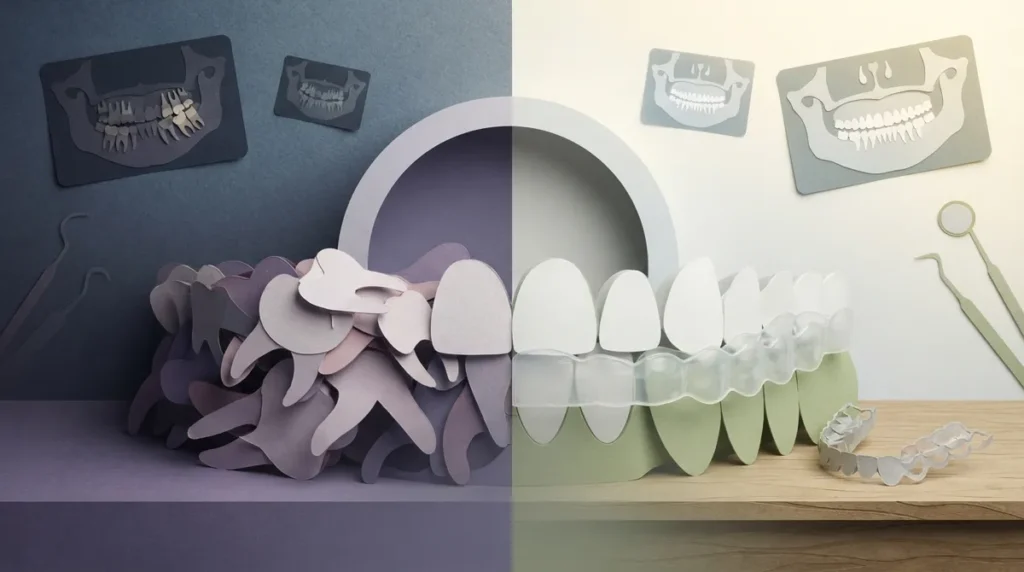
Professional orthodontic evaluation is essential before treatment—it goes beyond appearance to assess bite, jaw growth, bone health, and available space using photos, scans, and X-rays rather than guessing based on mirror inspection.
-
Both braces and clear aligners can fix crowded teeth, but braces are better for severe crowding and complex rotations while aligners work best for mild-to-moderate cases and require 20-22 hours daily wear compliance.
-
Crowded teeth cause real oral health problems including harder-to-clean spots, plaque buildup, gum inflammation, enamel wear, and potential gum disease if left untreated, making treatment more than just cosmetic.
-
Never attempt DIY orthodontics with rubber bands or mail-order aligners without professional supervision, as unsupervised tooth movement can cause irreversible root damage, gum recession, bone loss, and new bite problems.
-
Teeth naturally drift back after treatment through a process called relapse, making consistent retainer wear (removable, fixed, or combined) critical to maintaining results long-term after braces or aligners.
-
Treatment timelines typically range from 12-24 months depending on crowding severity, whether extractions or impacted teeth are involved, and treatment compliance; advanced technology like LightForce can sometimes reduce treatment time by 45%.
If you’ve been hiding your smile in photos because your teeth overlap or twist, you’re definitely not alone. Crowded teeth affect a huge number of kids, teens, and adults, and the good news is that there are more solutions today than ever before. In fact, research shows dental crowding shows up in roughly one-third of children and teens studied, though rates vary quite a bit depending on age and population. So if you’re staring down a mouth full of overlapping teeth wondering what to do next, take a breath. You’ve landed in the right place.
At Segovia Orthodontics in Lakewood Ranch, we get this question all the time: braces or clear aligners, which one actually fixes crowded teeth better? The honest answer is that it depends on your specific situation. This guide will walk you through both options in plain, friendly language so you can feel confident about your next step. We’ll cover how each treatment works, who they’re best suited for, and what else goes into building a smile that lasts a lifetime.
What Causes Crowded Teeth in the First Place?
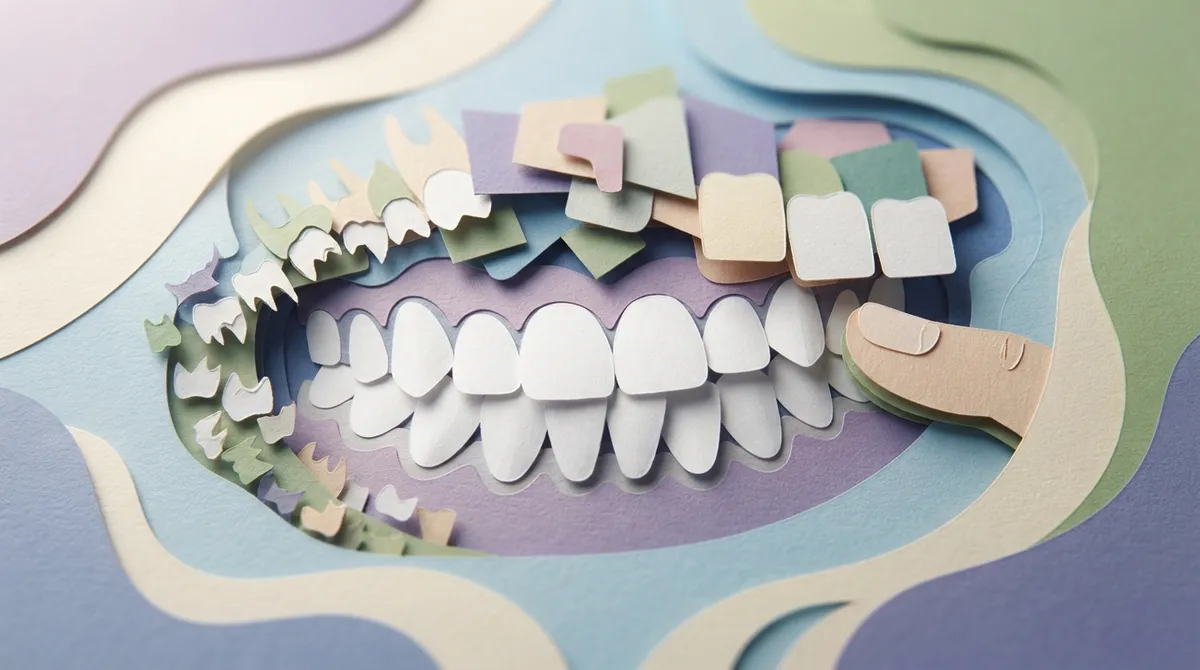
Crowded teeth happen when there simply isn’t enough room in your jaw for all your teeth to line up neatly. Think of it like trying to fit too many people into a small elevator. Something has to give, so teeth start to overlap, twist, or push out of place.
Several things can contribute to this space problem, including:
- A mismatch between tooth size and jaw size (some people simply have larger teeth or smaller jaws)
- A narrow dental arch that doesn’t leave enough room
- Baby teeth that fall out too early or stick around too long
- Teeth that get stuck below the gumline (impacted teeth)
- Teeth erupting in the wrong direction
- Certain jaw growth or bite patterns that develop over time
Crowding doesn’t discriminate by age either. Kids, teenagers, and adults can all develop it, though the causes and best treatments may look a little different depending on where you are in life. Learning more about common orthodontic problems can help you understand where crowding fits into the bigger picture.

Why a Professional Evaluation Matters So Much
Here’s something important: you can’t fix crowded teeth by just looking in the mirror and guessing. A real evaluation looks at way more than how your teeth appear on the surface.
During an orthodontic evaluation, your provider will typically check:
- Your bite and how your upper and lower teeth meet
- Jaw growth patterns, especially important for growing kids
- Gum and bone health around your teeth
- How your teeth are developing, including ones still under the gum
- Your facial balance and profile
- The amount of space actually available in your mouth
This usually involves photos, digital scans or molds, and dental X-rays when needed. Skipping this step and jumping straight to a DIY fix is a bit like trying to fix your car’s engine without ever popping the hood.
Braces vs. Clear Aligners: The Head-to-Head Comparison
Now let’s get to the heart of the matter. Both fixed braces and clear aligners can treat crowded teeth, but they work in different ways and shine in different situations.
| Feature | Traditional Braces | Clear Aligners |
|---|---|---|
| Best for | Mild to severe crowding, complex rotations | Mild to moderate crowding (some complex cases too) |
| Visibility | Visible, though ceramic options are subtler | Nearly invisible |
| Removable? | No, fixed to teeth | Yes, removable for eating and brushing |
| Compliance needed | Low (always working) | High (needs 20-22 hours daily wear) |
| Good for severe cases? | Yes | Sometimes, with orthodontist monitoring |
When Fixed Braces Make More Sense
Fixed braces have been the gold standard for decades because they’re incredibly predictable. Metal or ceramic brackets connected by an archwire apply steady, controlled pressure that moves teeth exactly where they need to go.
Braces tend to be the better pick when you’re dealing with:
- Severe crowding that needs significant tooth movement
- Teeth that are badly rotated
- Bite problems that need correcting alongside the crowding
- Cases requiring careful space closure
We offer fun, modern options here too. WildSmiles Braces let kids and teens choose fun bracket shapes like stars, hearts, or even Mickey Mouse designs, which makes brushing easier to track and treatment way more exciting. For patients who want precision and comfort, LightForce Orthodontics uses 3D-printed, fully custom brackets that can shave up to 45% off traditional treatment times, all while looking more discreet than old-school metal.
When Clear Aligners Are the Smart Choice
Clear aligners have exploded in popularity, and for good reason. They’re removable, nearly invisible, and fit seamlessly into busy adult and teen lifestyles.
That said, success with aligners depends heavily on wearing them as directed, generally around 20 to 22 hours a day. Skip too many hours and your treatment timeline stretches out. Aligners work great for:
- Mild to moderate crowding
- Patients who want a more discreet treatment
- Adults or professionals who need to remove trays for meetings or events
- People motivated enough to stick to the wear schedule
We offer clear aligners including Angel Aligners, which use a unique 7+3 wear schedule (seven days on a flexible tray, then three days on a firmer one) to speed up tooth movement. Angel Aligners also use a frosted finish to reduce shine, plus built-in attachments that can mean fewer trips to the office. They’re often more budget-friendly than premium aligner brands while still using the same advanced 3D digital planning.
Other Solutions Beyond Braces and Aligners
Sometimes crowding needs a little extra help beyond straightforward tooth movement. Depending on your case, your orthodontist might recommend:
- Arch expansion: A device that gradually widens the dental arch to create more room
- Interproximal reduction: Carefully removing a tiny, controlled amount of enamel between certain teeth to create space
- Distalization: Shifting back teeth further back to open up room in the front
- Extraction: In select severe cases, removing one or more permanent teeth to relieve crowding
The right combination depends on your crowding severity, facial profile, gum health, age, and how your bite comes together. This is exactly why a personalized plan matters so much more than a one-size-fits-all approach.
Crowded Teeth in Kids: Why Timing Matters
Parents often ask us when they should start worrying about crowding. The truth is, early orthodontic treatment can sometimes guide jaw growth and tooth eruption in ways that aren’t possible once a child is fully grown.
Kids may benefit from an early check-up if you notice:
- A crossbite or teeth that don’t line up properly
- Teeth coming in at odd angles
- Baby teeth falling out much earlier than expected
- Visible crowding even in baby teeth
- Teeth that seem stuck or slow to erupt
Early treatment doesn’t always mean skipping braces later. Sometimes it simply sets the stage for a smoother second phase of treatment during the teen years. If you’d like a closer look at treatment paths designed just for teens, check out our teen orthodontic treatment options.
Adults With Crowded Teeth: It’s Never Too Late
Maybe you had braces as a teen and your teeth have shifted back. Or maybe you never got treatment at all. Either way, adult orthodontics is more popular and more discreet than ever.
Many working professionals choose clear aligners specifically because they’re barely noticeable in meetings or on video calls. Others prefer subtle brackets like LightForce for faster results without a mouth full of metal. Whatever your reason for revisiting orthodontic care, there’s a solution that fits your schedule and your goals.
What Happens After Treatment? The Retainer Phase
Here’s something people often overlook: finishing braces or aligners isn’t actually the finish line. Teeth naturally want to drift back toward their old positions, a process called relapse.
That’s why orthodontic retainers are such a critical part of the process. Depending on your case, your orthodontist might recommend:
- A removable retainer worn part-time, usually at night
- A fixed, bonded retainer attached behind your teeth
- A combination of both for maximum stability
Skipping your retainer schedule is one of the most common reasons crowding creeps back after treatment. Stick with the plan your orthodontist gives you, and your smile will stay put for years to come.
Why You Should Never DIY Your Orthodontic Treatment
We’ve all seen those online videos of people using rubber bands or mail-order aligners without any professional supervision. Please don’t try this at home. Moving teeth without a trained eye watching your progress can lead to some pretty serious problems, including:
- Root damage that isn’t reversible
- Gum recession
- Bone loss around the teeth
- New bite problems
- In severe cases, tooth loss
Tooth movement should always be diagnosed, planned, and monitored by a qualified professional. The American Board of Orthodontics emphasizes the importance of proper training and oversight throughout any orthodontic treatment, and we couldn’t agree more.
Why Untreated Crowding Can Cause Bigger Problems
It’s tempting to think of crowded teeth as just a cosmetic issue. But over time, overlapping teeth can create real oral health headaches, such as:
- Harder-to-reach spots that make brushing and flossing tricky
- Increased plaque buildup in tight spaces
- Gum inflammation and irritation
- Enamel wear from teeth rubbing against each other
- Bite trauma over time
- Potential gum disease if left untreated for years
Not every case of crowding needs immediate correction, and that’s a conversation to have with your orthodontist. But understanding the risks helps you make an informed decision rather than putting it off indefinitely.
How Long Does Treatment Actually Take?
This is one of the most common questions we hear, and honestly, there’s no universal answer. Many practices estimate comprehensive treatment takes roughly 12 to 24 months, but your personal timeline depends on things like:
- How severe your crowding is
- Whether impacted teeth are involved
- If extractions or growth modification are part of the plan
- How consistently you wear your aligners or keep your appointments
Advanced technology like LightForce’s digital planning can sometimes shorten treatment by improving precision from day one. Ready to get a real timeline for your smile? Request an appointment and we’ll map out exactly what to expect.
Choosing the Right Orthodontic Partner in Lakewood Ranch
Fixing crowded teeth isn’t just about picking braces or aligners. It’s about trusting the person guiding your treatment plan. Dr. Flor Segovia is a board-certified orthodontist who provides bilingual care in English and Spanish, blending advanced technology with a warm, family-friendly approach.
Curious what sets our office apart? Take a look at why families choose us or learn more about what board certification really means for your treatment quality. We also invite you to see what real patients are saying by checking out our Facebook page or following along on our Instagram page for smile transformations and office updates.
You can also visit us on Google — Segovia Orthodontics to read reviews from other Lakewood Ranch families who’ve walked this same journey.
Ready to Fix Your Crowded Teeth?
Crowded teeth don’t have to be something you just live with. Whether braces or clear aligners end up being your best fit, the most important step is getting a real evaluation from someone who knows what they’re doing. At Segovia Orthodontics in Lakewood Ranch, we’ll walk you through every option, answer your questions in plain language, and build a plan that actually fits your life.
Don’t wait for crowding to get more complicated. Contact us today, or simply call us at 941-557-1333 to schedule your consultation. Your straighter, healthier smile is closer than you think.
FAQs
Q: What is the best solution for crowded teeth?
A: Honestly, there’s no single ‘best’ answer for everyone! It really depends on how severe your crowding is, your bite, and your lifestyle. Traditional braces work wonders for more complex cases, while clear aligners are fantastic for mild to moderate crowding. The best way to know for sure is to come in for a friendly evaluation with us.
Q: Can clear aligners fix crowded teeth, or are braces better?
A: Both can absolutely fix crowded teeth! Clear aligners handle mild to moderate cases beautifully, and sometimes more complex ones too when carefully monitored. Braces tend to be the go-to for severe crowding or tricky rotations. We’ll help you figure out which path fits your smile and your life.
Q: Do crowded teeth always require tooth extraction?
A: Not at all! Extraction is just one tool in the toolbox, and it’s only used in select, more severe cases. Many patients find relief through arch expansion, gentle enamel reshaping, or simply braces and aligners doing their job over time. We’ll always explore the least invasive option first.
Q: How long does orthodontic treatment for crowded teeth take?
A: It varies quite a bit from person to person! Many patients finish comprehensive treatment somewhere between 12 and 24 months, though mild cases can wrap up sooner. Severe crowding, extractions, or inconsistent aligner wear can stretch things out a bit longer. We’ll give you a personalized estimate at your first visit.
Q: Will crowded teeth come back after orthodontic treatment?
A: They can, which is exactly why retainers are so important! Teeth naturally want to drift back to their old spots over time. Wearing your retainer as prescribed, whether removable or fixed, is your best defense against relapse and keeps that beautiful new smile right where it belongs.
Our Service Area