Key Takeaways
-
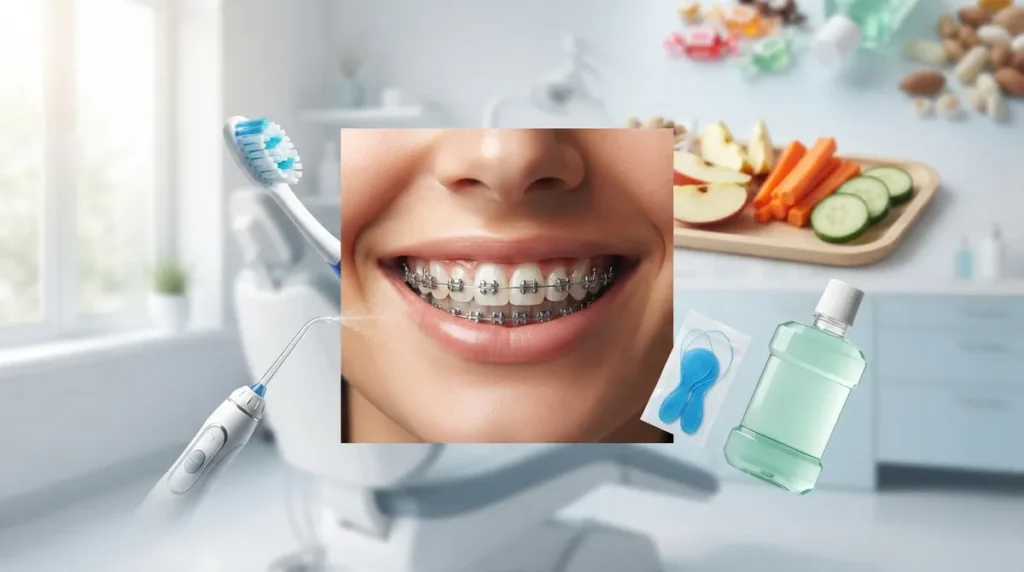
Brush for at least two minutes at least twice daily, or ideally after every meal, using a soft-bristled toothbrush angled above and below each bracket to remove trapped food particles.
-
Floss daily using floss threaders, orthodontic floss, or water flossers, as brackets and wires trap food that toothbrushes cannot reach, preventing cavities and gum disease.
-
Avoid hard foods (ice, nuts), sticky foods (caramel, gum), crunchy foods (popcorn, chips), and chewy bread; cut firm fruits and vegetables into smaller pieces to prevent bracket damage.
-
Use fluoride mouthwash once daily, ideally at night, to strengthen enamel and prevent white spot stains that form around brackets from trapped plaque.
-
Attend all scheduled orthodontic appointments for wire and bracket adjustments, and maintain regular dental checkups every six months for professional cleanings during treatment.
-
Continue wearing your retainer exactly as instructed after braces are removed, cleaning it daily and storing it in its case to prevent teeth from shifting back over time.
So you (or your child) just got braces. Congratulations! You’re on your way to a smile you’ll love showing off. But here’s the thing nobody tells you at that first appointment: getting braces on is easy. Taking care of them every single day? That takes a little practice. The good news is that braces care and maintenance isn’t complicated once you learn the basics, and we’re here to walk you through it like a friend who’s already been there.
At Segovia Orthodontics in Lakewood Ranch, we see patients of every age, from seven-year-olds getting their first look at braces to busy professionals finally fixing that smile they’ve been putting off. No matter your age or your treatment type, the daily habits below will protect your teeth, keep your gums healthy, and help your treatment finish on time. Let’s get into it.

Why Braces Care and Maintenance Really Matters
Braces do amazing work moving your teeth into place. But brackets and wires also create tiny nooks where food and plaque love to hide. Without good care, you risk cavities, gum swelling, and stains that stick around long after your braces come off.
Think of your braces care and maintenance routine as teamwork between you and your orthodontist. Dr. Flor Segovia and her team handle the technical adjustments, but the daily cleaning and food choices? That part is up to you. When both sides do their job, treatment tends to move faster and results look better.
Building a Daily Cleaning Routine That Actually Works
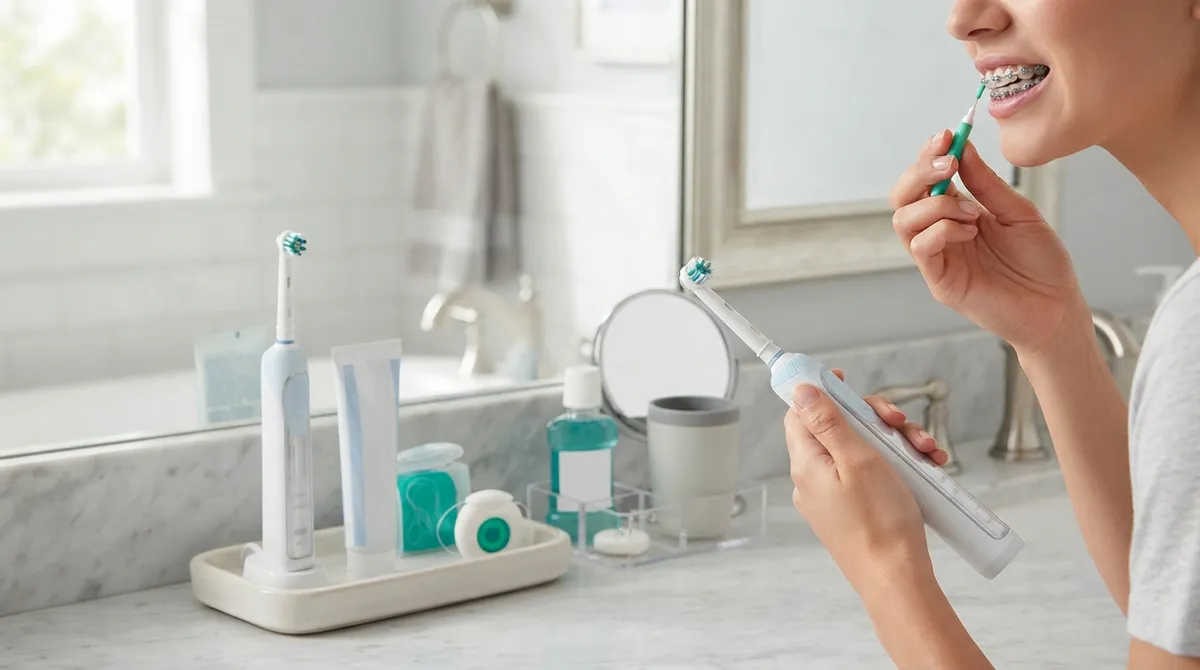
Brushing with braces takes a bit more effort than your old routine, but it’s not hard once it becomes a habit. Here’s what orthodontic experts generally recommend:
- Brush at least twice a day for two full minutes, though many orthodontic sources suggest brushing after every meal when you have braces.
- Use a soft-bristled toothbrush to protect your gums and enamel around each bracket.
- Angle your brush above and below each bracket to catch food particles hiding along the wire.
- Rinse thoroughly and check your smile in the mirror for any leftover debris.
- Finish with fluoride toothpaste to strengthen enamel weakened by trapped plaque.
If you have WildSmiles braces, brushing actually comes with a fun bonus. The unique bracket shapes are designed to sit off the tooth surface, so it’s easier to spot leftover plaque. If you can clearly see the star, flower, or diamond shape after brushing, you know you did a great job.
The Toothbrush and Toothpaste That Work Best
A soft-bristled toothbrush is your best friend during treatment. Some patients prefer an electric toothbrush with a sensitive setting, which can help reach tricky spots around brackets. Whatever you choose, most orthodontic guidance recommends swapping your toothbrush every three months, or sooner if the bristles start looking worn out.
Flossing With Braces: The Step Most People Skip
Let’s be honest, flossing with braces feels like a hassle at first. But it’s one of the most important parts of braces care and maintenance because brackets and wires trap food between teeth that a toothbrush simply cannot reach.
Daily flossing is generally recommended for anyone wearing braces. Here are a few tools that make it much easier:
- Floss threaders that help guide floss under the wire
- Orthodontic floss with a stiff end built specifically for braces
- Interdental brushes that slide between brackets and teeth
- Water flossers that use a gentle stream of water to clean between teeth and around wires
If you’re using interdental brushes, plan on replacing them every one to two weeks since the bristles wear down quickly. It might feel like a small detail, but fresh bristles clean much more effectively than worn ones.
Foods to Avoid So You Don’t Break a Bracket
This is the part everyone remembers (usually after biting into something they shouldn’t have). Certain foods can bend wires, pop off brackets, or get stuck in ways that undo days of progress. Here’s a quick breakdown of what to watch for:
| Food Type | Examples | Why It’s a Problem |
|---|---|---|
| Hard Foods | Ice, nuts, hard candy | Can crack or loosen brackets |
| Sticky Foods | Caramel, taffy, gum | Pulls brackets off or bends wires |
| Crunchy Foods | Popcorn, chips, hard pretzels | Kernels and hard bits get lodged in brackets |
| Chewy Bread | Bagels, thick crusts | Requires excessive biting force |
The safest approach is to cut firm fruits and vegetables into smaller pieces instead of biting directly into them. Corn on the cob, whole apples, and crusty bread are common culprits for loose brackets, so slice them up before eating.
Fluoride: An Extra Layer of Protection
Because braces make thorough cleaning more difficult, many orthodontic sources recommend adding a fluoride mouthwash to your daily routine. Fluoride strengthens enamel and helps prevent the white spot stains that can appear around brackets when plaque sits too long.
Rinsing with a fluoride mouthwash once a day, ideally at night after your last brushing, gives your teeth extra armor against decay while your braces do their job.
Keeping Up With Orthodontic Appointments
Braces care and maintenance isn’t just about what happens at your bathroom sink. Regular visits to your orthodontist are just as important. During these appointments, Dr. Segovia checks your progress and adjusts wires, elastics, or brackets as needed.
Here’s what typically happens at a maintenance visit:
- Your orthodontist examines the wires and brackets for wear or damage.
- Adjustments are made to keep your teeth moving in the right direction.
- Any loose or broken components are repaired on the spot.
- You’ll get personalized tips based on how your treatment is progressing.
It’s also smart to keep up with your regular dentist during treatment. Professional cleanings are generally recommended at least every six months while wearing braces, sometimes more often depending on your needs. Your general dentist and your orthodontist work as a team to protect your smile from every angle.
What to Do If a Bracket or Wire Breaks
Life happens, and sometimes a bracket pops off or a wire pokes out at the worst possible moment. Don’t panic. Here’s a simple checklist to follow:
- Cover any poking wire with orthodontic wax to protect your cheek or gum.
- Save any loose brackets or bands if they come out completely.
- Avoid eating hard or sticky foods until you’re seen.
- Call your orthodontic office to schedule a repair appointment as soon as possible.
Wondering what actually counts as an emergency versus something that can wait? Our orthodontic emergency guide breaks down exactly what to do and when to call. If you’re ever unsure, it’s always better to reach out than to wait it out.
Advanced Technology That Makes Maintenance Easier
Not all braces are created equal when it comes to comfort and upkeep. LightForce Orthodontics uses fully digital, 3D-printed brackets custom fitted to each tooth. This precision reduces irritation and can shorten treatment time by up to 45 percent, meaning less time worrying about daily upkeep overall.
For families who want to make the experience more fun, especially for kids and teens, WildSmiles Braces offer playful bracket shapes like stars, hearts, and even Mickey Mouse designs. When kids are excited about their braces, they’re far more likely to stick with their brushing and flossing routine without a fight.
Adults and busy professionals looking for something more discreet might prefer clear aligners, which come with their own maintenance routine of cleaning trays daily and avoiding stained liquids like coffee or red wine while wearing them.
Caring for Your Smile After Braces Come Off
Braces care and maintenance doesn’t stop the day your braces come off. In fact, this next phase is just as important for protecting your results long term.
Once treatment ends, you’ll be given orthodontic retainers to keep your teeth from shifting back. Here’s how to care for them properly:
- Wear your retainer exactly as instructed, whether that’s full-time at first or just at night later on.
- Clean your retainer daily with a soft brush and lukewarm water, never hot water, which can warp plastic retainers.
- Store your retainer in its case whenever it’s not in your mouth to avoid loss or damage.
- Bring your retainer to dental checkups so your provider can inspect it for wear.
Skipping retainer wear is one of the most common regrets we hear from adult patients who had braces as teens. Teeth naturally want to shift over time, so consistent retainer use is your best defense against relapse.
Quick Reference: Daily Braces Care Checklist
Here’s a simple list you can keep on your fridge or bathroom mirror as a reminder:
- Brush after meals, or at least twice daily for two minutes
- Floss once a day using threaders, orthodontic floss, or a water flosser
- Rinse with fluoride mouthwash to protect enamel
- Avoid hard, sticky, and crunchy foods that can damage brackets
- Wear a mouthguard during sports to protect your braces and teeth
- Keep every orthodontic appointment for adjustments and checkups
Consistency is everything here. None of these steps are difficult on their own, but doing them every day is what actually protects your smile and keeps your treatment on schedule.
Getting Support From Your Orthodontic Team
You don’t have to figure this all out alone. Dr. Flor Segovia is a board-certified orthodontist, recognized by the American Board of Orthodontics, and she’s passionate about making sure every patient, whether a nervous seven-year-old or a busy working parent, feels confident about their care routine.
Our team is happy to walk you through personalized tips based on your treatment type, whether you have traditional metal braces, WildSmiles, LightForce brackets, or clear aligners. We even offer bilingual care in English and Spanish, so language is never a barrier to getting the guidance you need.
Want to see real patient experiences? Check out our Facebook page or follow along on our Instagram page for smile transformations, tips, and a look inside our Lakewood Ranch office. You can also visit us on Google — Segovia Orthodontics to read what our patients and families have to say.
Ready to Keep Your Smile on Track?
Great braces care and maintenance is really about small daily habits adding up to a big result: a healthy, confident smile you’ll love for years to come. Whether you’re managing braces for the first time or helping your teen stay on top of theirs, remember that every brushing session and every appointment gets you one step closer to the finish line.
If you have questions about your care routine or want to explore which treatment option fits your lifestyle best, our friendly Lakewood Ranch team is here to help. Feel free to contact us anytime, or go ahead and request an appointment to get personalized guidance from our team. You can also simply call us at 941-557-1333 and we’ll be glad to answer any questions you have.
FAQs
Q: How often should I brush my teeth with braces?
A: Most orthodontic guidance recommends brushing at least twice a day for two minutes, though brushing after every meal is even better when you’re wearing braces. This helps clear out food that gets stuck around your brackets and wires before it turns into plaque.
Q: What foods should I avoid with braces?
A: Steer clear of hard foods like ice and nuts, sticky treats like caramel and gum, and crunchy snacks like popcorn. These can loosen brackets or bend wires, which usually means an extra trip to your orthodontist for repairs.
Q: How do I floss properly with braces on?
A: You’ll want to floss once a day using a floss threader, orthodontic floss, or a water flosser to get under the wires. It takes a little more time than regular flossing, but it’s one of the best ways to prevent cavities between your teeth.
Q: What should I do if a bracket or wire breaks?
A: Cover any sharp or poking wire with orthodontic wax to protect your cheek, and save any loose pieces if they come out. Then give your orthodontic office a call so they can get you in for a quick repair.
Q: Do I still need to wear a retainer after my braces come off?
A: Yes, absolutely! Retainers are what keep your teeth from shifting back after all that hard work. Wearing yours as directed and cleaning it regularly is a simple habit that protects your smile for the long run.
Our Service Area