Key Takeaways
-
Tooth sensitivity with braces peaks within 24-48 hours after placement or tightening, then gradually fades over 1-2 weeks; if discomfort persists beyond 14 days, contact your orthodontist.
-
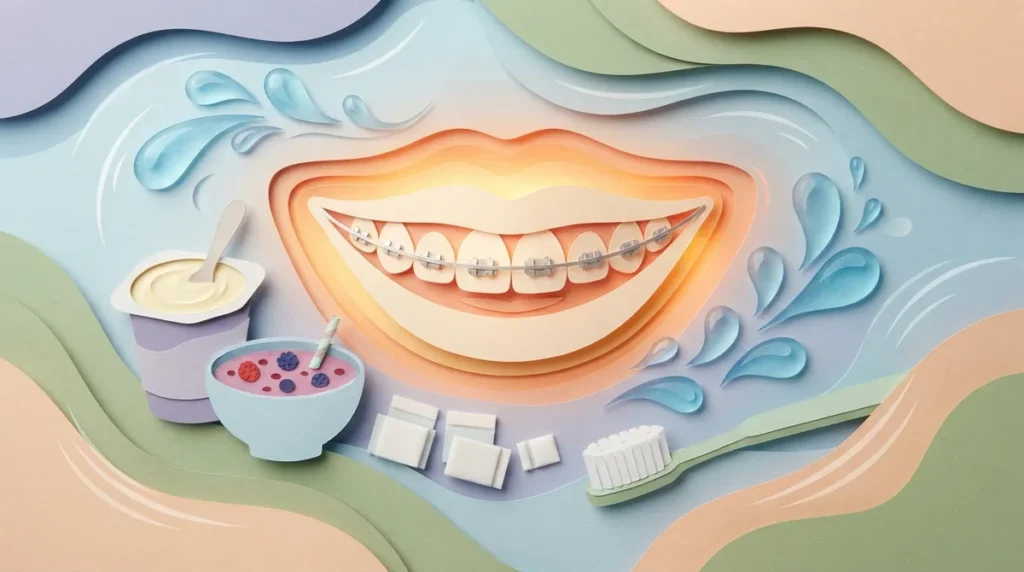
Stick to soft foods like mashed potatoes, yogurt, and smoothies for the first 2-3 days after adjustments to reduce chewing pressure on teeth undergoing movement.
-
Use warm saltwater rinses 2-3 times daily, sensitive toothpaste at every brushing, and a soft-bristled toothbrush with gentle circular motions to manage discomfort.
-
Apply orthodontic wax to bracket or wire irritation points, and avoid very hot/cold foods, hard items, sticky candies, and acidic drinks during sensitive periods.
-
Modern treatment options like LightForce custom brackets and Angel Aligners are designed to minimize irritation from day one compared to traditional metal braces.
-
Call your orthodontist if sensitivity lasts over 14 days, you notice swelling or infection signs, experience sharp pain, or have a broken wire causing irritation.
Getting braces is exciting. You’re on your way to the smile you’ve always wanted. But then it happens: your teeth feel achy, tender, or extra sensitive to hot and cold. If you’re wondering whether this is normal, take a deep breath. You’re not alone, and you’re definitely not doing anything wrong.
Tooth sensitivity with braces is one of the most common concerns we hear at Segovia Orthodontics in Lakewood Ranch. Whether you’re a parent watching your child adjust to new brackets, a busy professional squeezing in clear aligner treatment between meetings, or an adult finally getting the smile correction you’ve always wanted, sensitive teeth can catch you off guard. The good news? It’s usually temporary, manageable, and a sign that your treatment is actually working. Let’s walk through exactly what causes this sensitivity and how you can find relief while staying on track for your best smile.
Why Braces Can Make Teeth Feel Sensitive
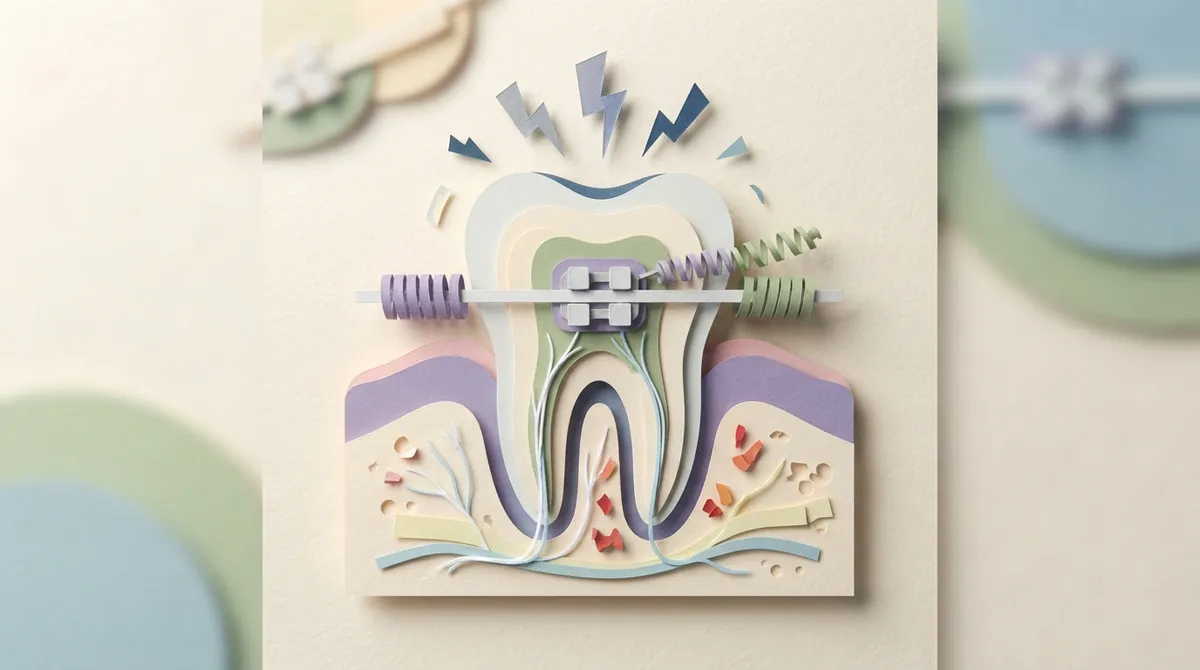
Your teeth aren’t just sitting still in your jaw. They’re anchored by tiny fibers called the periodontal ligament, and braces apply gentle, steady pressure to shift teeth into better positions. This movement is exactly what creates that beautiful new smile, but it also means your teeth are working hard.
When force is applied, especially right after a new bracket placement or a tightening visit, the ligament and surrounding tissue can become slightly inflamed. This is what leads to that tender, sensitive feeling. It’s a completely normal biological response, not a sign that something has gone wrong.
- Teeth feel sore because they’re being gently guided into new positions
- Sensitivity to hot, cold, or pressure often peaks in the first 24 to 48 hours after an adjustment
- Gums may feel irritated where brackets or wires rub against soft tissue
- Biting down on firm foods can feel uncomfortable during the first few days
- Sensitivity typically fades as your mouth adjusts to the new hardware
How Long Does Braces Sensitivity Usually Last?
Most patients notice that discomfort peaks within the first two days after getting braces placed or tightened, then gradually eases over the following week. According to orthodontic guidance shared by Orthodontics Australia, sensitivity that lingers beyond about 14 days without improvement is worth mentioning to your orthodontist.
Here’s a simple timeline many patients experience:
- Day 1-2: Peak soreness and sensitivity, especially when chewing
- Day 3-5: Discomfort starts to fade noticeably
- Day 6-7: Most patients feel back to normal or close to it
- Ongoing: Mild sensitivity may return briefly after each adjustment visit
If you’re new to treatment, know that this pattern tends to repeat after each tightening, but it usually gets easier to manage as your mouth becomes familiar with the process.
Simple Steps to Manage Sensitive Teeth With Braces
You don’t have to just tough it out. There are several tried-and-true strategies that can make a real difference in how you feel day to day.
1. Stick to Soft Foods During Sensitive Periods
Right after getting braces or having them tightened, give your teeth a break with softer foods. Think mashed potatoes, yogurt, scrambled eggs, smoothies, and soup. This reduces the chewing pressure on teeth that are already working hard to shift into place.
2. Rinse With Warm Salt Water
A warm saltwater rinse is one of the most frequently recommended home remedies for soothing sore gums and irritated tissue. Simply mix about half a teaspoon of salt into a cup of warm water and swish gently a few times a day.
3. Brush Gently With a Soft-Bristled Toothbrush
Switching to a soft-bristled brush helps you keep your teeth and brackets clean without adding extra irritation. Take your time and use gentle, circular motions rather than aggressive scrubbing.
4. Try Toothpaste Made for Sensitive Teeth
Many patients find relief using toothpaste formulated specifically for sensitivity. Used consistently, this type of toothpaste can help calm reactive nerve endings over time. Ask your orthodontist which option they’d recommend for your situation.
5. Use Orthodontic Wax for Irritated Spots
If a bracket or wire is rubbing against your cheek or gum, a small dab of orthodontic wax can create a smooth barrier and prevent further irritation while your mouth adjusts.
6. Ask About Approved Pain Relief Options
Over-the-counter pain relief, when approved by your orthodontist or dentist, can help take the edge off during those first uncomfortable days. Always check with your care team before starting any new medication.
Foods and Habits to Avoid When Teeth Feel Sensitive
While your teeth are adjusting, a little extra caution with your diet and habits goes a long way. Here’s a quick list of what to watch out for:
- Very hot or very cold foods and drinks that can trigger sharp sensitivity
- Hard foods like nuts, raw carrots, or ice that require heavy biting force
- Sticky or chewy candies that pull on brackets and wires
- Acidic drinks and foods that can irritate already sensitive teeth
- Chewing on pens, pencils, or fingernails, which adds unnecessary pressure
For a more detailed breakdown of what to steer clear of, our guide on foods to avoid with braces can help you plan meals that keep your treatment comfortable and on schedule.
Comparing Common Sensitivity Relief Methods
Not sure which relief method to try first? Here’s a quick comparison to help you decide what fits your lifestyle and needs.
| Relief Method | Best For | How Often to Use |
|---|---|---|
| Warm saltwater rinse | Sore gums and irritated tissue | 2-3 times daily |
| Sensitive toothpaste | Reactive teeth needing daily nerve calming | Every brushing session |
| Orthodontic wax | Bracket or wire rubbing against cheeks | As needed, replace daily |
| Soft foods diet | First 2-3 days after adjustment | Temporary, until soreness fades |
| Approved pain relief | Peak discomfort in first 48 hours | As directed by your orthodontist |
Why Some Treatment Options Feel More Comfortable Than Others
Not all orthodontic treatments feel the same on sensitive teeth. At Segovia Orthodontics, we offer several options designed with comfort in mind, so patients experience less irritation from day one.
Our LightForce Orthodontics system uses 3D-printed, custom-fitted brackets designed specifically for your unique tooth structure. Because each bracket bonds seamlessly with a uniform cement layer, there’s less irritation to gums and soft tissue compared to generic, one-size-fits-all brackets. Many patients also appreciate that LightForce can shorten treatment time by up to 45%, meaning less time dealing with sensitivity overall.
For families with kids or teens, WildSmiles Braces offer a fun twist on traditional treatment. Their unique bracket shapes are designed to keep plaque from building up directly on the tooth surface, which supports better brushing habits and can reduce irritation over time. Plus, when kids feel excited about their braces, they’re more likely to stick with good oral hygiene, which helps minimize sensitivity from plaque buildup.
If you’re looking for a more discreet option, Angel Aligners provide a clear, removable alternative to traditional brackets and wires. Many patients find the frosted, flexible material more comfortable against gums and cheeks, with less of the rubbing and irritation sometimes associated with metal components.
When to Call Your Orthodontist About Sensitivity
Most sensitivity is nothing to worry about, but there are times when you should reach out to your care team. Trust your instincts here. It’s always better to check in than to wonder.
- Sensitivity or pain lasts longer than 14 days without any improvement
- You notice swelling, significant redness, or signs of infection
- A wire breaks or a bracket becomes loose and is poking your cheek or gum
- Pain is sharp, severe, or feels different from typical adjustment soreness
- You experience sensitivity along with a fever or unusual symptoms
If any of these apply to you, don’t wait it out. Our page on orthodontic emergencies walks you through what counts as urgent and what can typically wait until your next scheduled visit.
Tips for Parents Helping Kids Through Sensitive Days
If your child just got braces, a little extra support goes a long way. Kids may not always know how to describe what they’re feeling, so keep an eye out for signs like avoiding certain foods or seeming extra cranky at mealtime.
- Offer soft, cool foods like yogurt or smoothies right after appointments
- Remind them to use their soft-bristled toothbrush gently
- Keep orthodontic wax on hand for any rubbing or irritation
- Praise their patience since new sensations can feel strange at first
- Reach out to your orthodontist if soreness seems unusually intense
Every child adjusts differently, and that’s completely okay. Our team at Segovia Orthodontics is always happy to answer questions between visits, especially during those first tricky weeks.
Adults Returning to Orthodontic Treatment
If you had braces years ago and are now dealing with shifted teeth, you might be extra aware of sensitivity this time around. The good news is that adult teeth and gums respond to treatment just as effectively, though recovery and sensitivity patterns can feel slightly different than they did in your teenage years.
Many adults appreciate discreet options like clear aligners or subtle bracket designs that blend in with daily professional life. Whatever path you choose, the sensitivity management tips above apply just as well for adults as they do for younger patients.
Your Comfort Matters at Every Step
At Segovia Orthodontics, Dr. Flor Segovia and our team believe that comfort and results go hand in hand. We use advanced, patient-friendly technology and take time to explain what to expect at every stage of treatment, from your very first visit through your final retainer check.
Curious what other patients say about their experience? You can visit us on Google — Segovia Orthodontics to read real reviews from families in Lakewood Ranch. You can also follow along on our Facebook page or check out smile transformations on our Instagram page for a behind-the-scenes look at what treatment really looks like.
Bringing It All Together
Sensitive teeth during braces treatment are common, temporary, and very manageable with the right strategies. Soft foods, gentle brushing, warm saltwater rinses, and sensitivity toothpaste can all help you feel more comfortable while your smile transforms. And if something feels off or lasts longer than expected, your orthodontist is always your best resource.
Choosing a provider who understands comfort-focused care makes all the difference. Board-certified orthodontists follow rigorous training standards set by organizations like the American Board of Orthodontics, ensuring you receive care built on proven expertise. If you’re ready to start your journey toward a straighter, healthier smile without unnecessary discomfort, our team is here to help every step of the way. Request an appointment today, or feel free to reach out to our team with any questions. You can also simply call us at 941-557-1333 to get started.
FAQs
Q: Is it normal for teeth to be sensitive after getting braces?
A: Yes, absolutely! It’s one of the most common things patients experience after braces are placed. Your teeth are adjusting to new pressure, and that soreness usually means your treatment is working exactly as it should.
Q: How long does braces sensitivity usually last?
A: Most patients feel the most discomfort during the first 24 to 48 hours, with sensitivity fading noticeably within about a week. If it lingers past two weeks without improving, it’s a good idea to check in with your orthodontist.
Q: Can I use sensitive toothpaste with braces?
A: You sure can! Many patients find that using toothpaste made for sensitive teeth, combined with gentle brushing, really helps calm that reactive feeling. Just ask your orthodontist for a recommendation that works well alongside your braces.
Q: What foods are best to eat when braces hurt?
A: Soft, easy-to-chew foods are your best friend during sensitive days. Think smoothies, mashed potatoes, yogurt, and soup. These options give your teeth a break while they adjust to new pressure.
Q: When should I call my orthodontist about braces pain?
A: If sensitivity lasts more than about two weeks, or if you notice swelling, a broken wire, or sharp unusual pain, it’s time to reach out. Your orthodontic team would much rather hear from you than have you tough it out unnecessarily.
Our Service Area