Key Takeaways
-
Braces typically cost $3,000-$8,500 nationally in 2026, with metal braces being most affordable ($3,500-$7,000) and lingual braces most expensive ($5,000-$13,000); your exact cost depends on complexity, location, and appliance type.
-
Most dental insurance covers only $1,000-$3,500 lifetime maximum for orthodontics, leaving significant out-of-pocket costs; use HSA/FSA funds and ask about zero-interest payment plans ($100-$350/month) to reduce burden.
-
Case complexity dramatically affects pricing: crowding severity, jaw alignment needs, tooth extractions, and treatment duration all vary individually, so get a personalized written estimate before committing.
-
Modern options like LightForce braces can reduce treatment time by 45%, potentially lowering total visits and costs, while metal braces remain the budget-friendly choice for families.
Let’s talk money. If you’ve been searching “braces cost” and feeling a little overwhelmed by the numbers, you are so not alone. Whether you’re a mom trying to budget for your teen’s smile, a young professional dreaming of straighter teeth before your next big event, or an adult ready to fix that relapse you’ve been putting off, understanding what braces really cost is the first step toward feeling confident about your decision. Grab a cup of coffee, get comfy, and let’s break this down together in a way that actually makes sense.
At Segovia Orthodontics at Lakewood Ranch, we believe you deserve clear, honest answers about pricing before you ever sit in the chair. Dr. Flor Segovia and her team walk every patient through exactly what to expect, so there are no surprises later. Below, we’re covering the seven biggest cost factors you need to know in 2026, plus practical tips to make treatment fit your budget.

1. What Braces Cost Nationally in 2026
Across the United States, a full course of orthodontic treatment typically runs between $3,000 and $8,500 before insurance kicks in. That’s a wide range, we know! The final number depends on things like how complex your case is, where you live, and which type of appliance you choose. Complex cases or premium options can push costs even higher.
Think of it like buying a car. A basic model and a fully loaded one both get you where you’re going, but the features, materials, and customization change the price tag. Braces work the same way. Want to see how different treatment options stack up? Check out our guide on types of braces to get a feel for what might work for your smile.
2. Comparing Costs by Braces Type
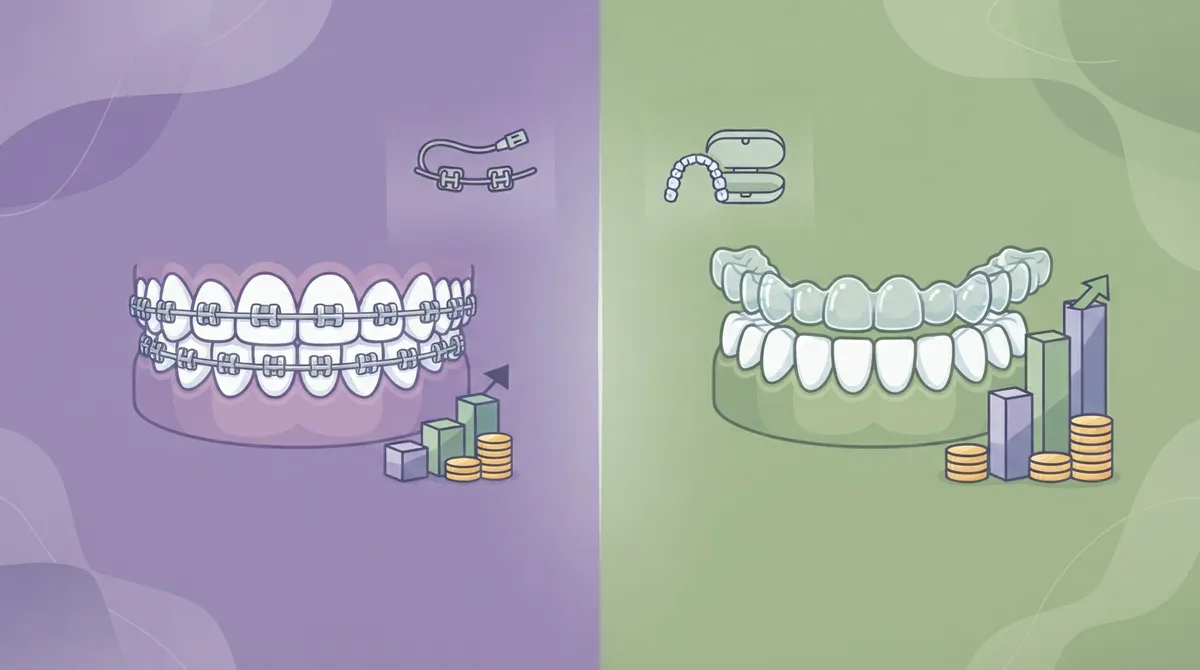
Not all braces are priced the same. Here’s a simple breakdown of what you can typically expect in 2026, based on current industry estimates.
| Braces Type | Estimated Cost Range | Best For |
|---|---|---|
| Traditional Metal Braces | $3,500 – $7,000 | Budget-conscious families, kids and teens |
| Ceramic (Clear) Braces | $4,500 – $8,500 | Teens and adults wanting a subtler look |
| Clear Aligners | $4,000 – $7,500 (up to $8,500) | Busy professionals, discreet treatment seekers |
| Lingual Braces | $5,000 – $13,000 | Patients wanting fully hidden brackets |
Metal braces are usually the most wallet-friendly fixed option, while lingual braces (attached behind your teeth) sit at the top of the price scale. Curious how metal braces stack up against clear options? Our article on 7 Reasons Traditional Metal Braces Are Still a Top Choice breaks it down nicely.
3. Why Your Case Complexity Changes the Price
Here’s something a lot of people don’t realize: two people can want the same type of braces and pay very different amounts. Why? It comes down to your unique smile.
- How crowded or gapped your teeth are
- Whether you need jaw alignment correction
- If extractions are needed before treatment starts
- How long your treatment is expected to take
- Whether you need extra diagnostic records like X-rays or 3D scans
A simple case might wrap up in under a year, while more complex bite issues can take two years or longer. Longer treatment often means a higher overall investment, but it also means a more thorough, lasting result. If you’re not sure which category you fall into, an evaluation with an experienced provider can clear things up fast. Learn more about common orthodontic problems that might affect your treatment timeline and cost.
4. Fun, Modern Options That Fit Every Budget
Good news: braces don’t have to be boring, and modern technology is making treatment faster and more comfortable than ever.
WildSmiles Braces for Kids and Teens
If your child dreads the thought of “boring” braces, WildSmiles Braces might be the perfect solution. Instead of standard round brackets, kids can choose fun shapes like stars, hearts, footballs, or even Mickey Mouse. When kids are excited about their braces, they tend to brush better and stick to their treatment plan more consistently, which can actually help keep costs on track by avoiding extra visits for issues caused by poor hygiene.
LightForce Braces for Precision and Speed
For patients who want a faster, more customized experience, LightForce Orthodontics uses 3D printing to create brackets designed specifically for your teeth. This can reduce treatment time by up to 45 percent compared to traditional one-size-fits-all brackets. Shorter treatment time can sometimes mean fewer adjustment visits, which is a nice bonus for busy parents and professionals alike.
Angel Aligners for Discreet Adult Treatment
Career-focused adults and life event planners often love clear aligners like Angel Aligners because they’re nearly invisible and removable. Angel Aligners use a smart wear schedule that can speed up tooth movement, often at a lower cost than premium aligner brands, all while using similar digital planning technology.
5. How Insurance and Financing Affect Your Final Cost
Dental insurance can definitely help, but it rarely covers the whole bill. Here’s what you need to know:
- Most plans have a lifetime orthodontic maximum, often between $1,000 and $3,500.
- Adult orthodontic coverage is sometimes limited or excluded entirely.
- You’ll usually need to confirm whether your plan covers braces, aligners, or both.
- Retainers, repairs, and emergency visits may or may not be included in your estimate.
- HSA and FSA funds can often be used to cover out-of-pocket orthodontic costs.
Beyond insurance, many practices offer flexible payment plans. Monthly payments commonly range from about $100 to $350, depending on your down payment, total fee, and repayment term. To explore your options, take a look at our page on orthodontic financing.
6. What Should Be Included in Your Written Estimate
Before committing to any treatment plan, always ask for a written estimate. A trustworthy orthodontic office should clearly explain:
- The total treatment fee
- What your insurance is expected to cover
- Your down payment amount
- Monthly payment schedule and total number of payments
- Whether retainers are included after treatment
- The policy on broken brackets or missed appointments
- What happens if your treatment takes longer than expected
- Ask about zero or low-interest in-house payment plans
- Look into family discounts if more than one person needs treatment
- Use FSA or HSA dollars before they expire
- Compare treatment types, since metal braces are often the most budget-friendly
- Ask about discounts for paying the full fee upfront
- Schedule a free consultation to get an accurate, personalized quote
Never be afraid to ask questions. A good orthodontist wants you to feel fully informed. If you want tips on what to ask, check out our guide on how to ask the right orthodontic questions at your visit.
7. Simple Ways to Make Braces More Affordable
You don’t have to pay for everything upfront. Here are some practical ways families and adults are managing orthodontic costs in 2026:
Every smile journey is different, and a good orthodontic team will work with you to find a plan that fits your life, not just your wallet. To see real examples of how personalized care makes a difference, visit our page on why choose us.
Meet the Team Behind Your Smile
Dr. Flor Segovia is a board certified orthodontist who is board certified through the American Board of Orthodontics, meaning she has gone above and beyond standard requirements to provide top-quality care. She also offers bilingual care in English and Spanish, so language is never a barrier to getting the smile you want. Learn more about her background on our Orthodontist Flor Segovia page.
Our Lakewood Ranch office uses advanced orthodontic technology to make every visit efficient and comfortable, whether you’re a first-time patient or coming back to fix a relapse from years ago. Curious what your first visit looks like? Read about our first orthodontic visit process before you book.
Real Stories, Real Smiles
Nothing builds trust like hearing from other patients. We invite you to visit us on Google — Segovia Orthodontics to read honest reviews from Lakewood Ranch families just like yours. You can also connect with us on our Facebook page or follow along with smile transformations on our Instagram page. Seeing before-and-after photos and hearing patient experiences can really help you feel confident about your own journey.
Bringing It All Together
Understanding braces cost doesn’t have to feel overwhelming. Once you know the average price ranges, what affects your personal quote, and how financing works, you can make a confident, informed decision for yourself or your family. Whether you’re drawn to fun WildSmiles brackets for your kiddo, fast and precise LightForce technology, or discreet Angel Aligners for your own smile makeover, there’s a treatment option and payment plan that fits your life.
Ready to get your personalized quote? Our friendly Lakewood Ranch team is here to answer every question with warmth and honesty. Feel free to contact us today, or go ahead and request an appointment to start your smile journey. You can also simply call us at 941-557-1333 and we’ll walk you through your options step by step. We can’t wait to help you smile with confidence!
FAQs
Q: How much do braces cost without insurance?
A: Without insurance, braces typically cost between $3,000 and $8,500, depending on the type you choose and how complex your case is. Metal braces tend to be the most affordable, while lingual braces are usually the priciest. The best way to get an exact number is to schedule a consultation for a personalized quote.
Q: How much do braces cost with dental insurance?
A: With insurance, you’ll typically pay less out of pocket, but most plans only cover a portion, often up to a lifetime maximum of $1,000 to $3,500. That means you’ll still likely have some cost to cover yourself. We’re happy to help you understand your specific benefits during your visit.
Q: Are metal braces cheaper than clear aligners?
A: Generally, yes! Metal braces usually cost a bit less than clear aligners, though the price ranges can overlap depending on your case. It really comes down to your treatment needs and personal preference for appearance and lifestyle.
Q: Does dental insurance cover braces for adults?
A: Sometimes, but not always. Many insurance plans limit or exclude orthodontic coverage for adults, so it’s important to check your specific policy. Don’t worry though, we offer flexible financing options to help make treatment affordable either way.
Q: Can I use an HSA or FSA to pay for braces?
A: Absolutely! Both HSA and FSA funds can typically be used toward orthodontic treatment, which can make a nice dent in your out-of-pocket costs. Just be sure to check your plan’s specific rules before your appointment so you can budget smoothly.
Our Service Area