Key Takeaways
-
Metal braces are fixed appliances made of stainless-steel brackets and archwire that require no compliance effort, making them ideal for children and teens who might forget removable aligners.
-
Treatment typically lasts 12-24 months with appointments every 4-10 weeks, and duration depends on severity of bite issues, age, compliance with care instructions, and appointment attendance.
-
Poor oral hygiene during braces can cause permanent white or brown spots (demineralization) on teeth where brackets were located, making consistent brushing, flossing, and dental cleanings essential.
-
Metal braces can correct multiple issues including crowded teeth, gaps, overbites, underbites, crossbites, and open bites; they work effectively for patients of all ages including adults seeking re-treatment.
-
Some soreness lasting 3-5 days is normal after getting braces or adjustments; orthodontic wax prevents bracket irritation, and patients must avoid hard, sticky, and crunchy foods to prevent wire and bracket damage.
-
Retainers are mandatory after braces to prevent teeth from shifting back to original positions, with most orthodontists recommending full-time wear initially, then gradual transition to nightly wear for years or lifetime.
Thinking about metal braces for yourself or your child? You’re in good company. Metal braces have helped millions of people get healthier, straighter smiles for decades, and they’re still one of the most trusted options in orthodontic care today. Whether you’re a mom juggling soccer practice and school pickups, a young professional eyeing a big event, or an adult ready to fix things a second time around, this guide breaks down everything you need to know in plain, friendly language.
At Segovia Orthodontics in Lakewood Ranch, Dr. Flor Segovia and her team see patients of all ages choose metal braces every week. We put together this list of 13 facts to help you feel confident and informed before your first visit. Let’s get started!
1. Metal Braces Are Fixed, Reliable, and Time-Tested
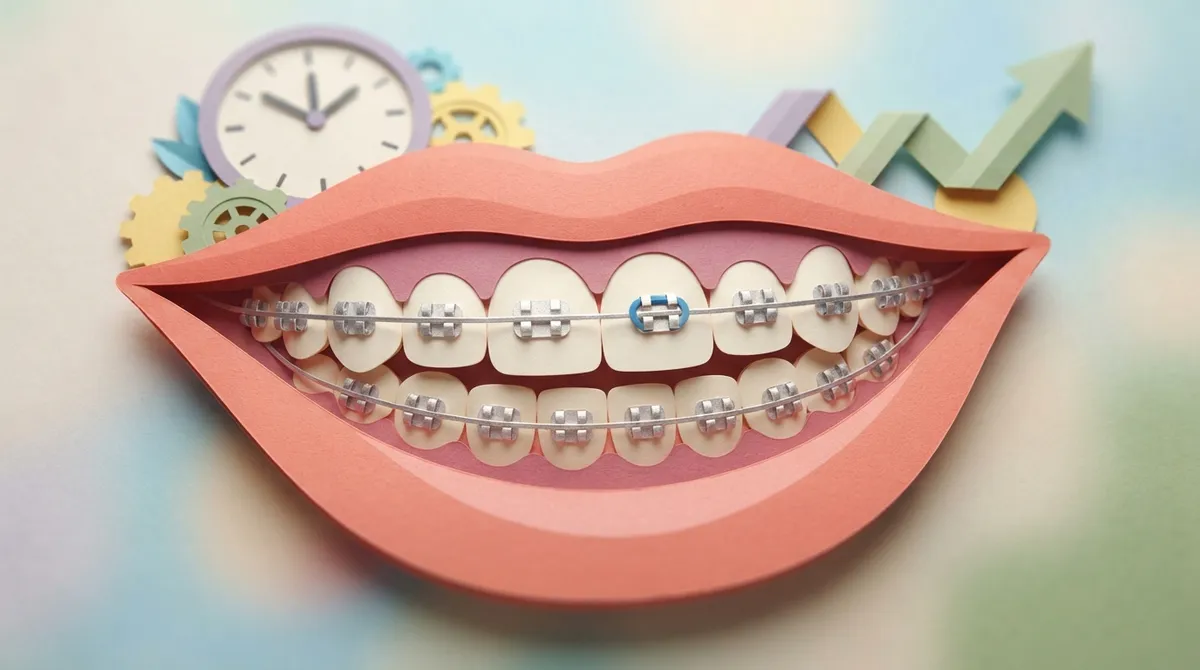
Metal braces are made of small stainless-steel brackets bonded to each tooth. A thin archwire connects the brackets and applies gentle, steady pressure. Over time, this pressure moves teeth into their correct position and helps improve how your upper and lower teeth meet.
Because they’re fixed in place, you don’t have to remember to wear them like you would with removable trays. This makes them a great fit for kids and teens who might forget to pop aligners back in after lunch. Learn more about how these appliances work on our Types Of Braces page.
2. They Can Fix a Wide Range of Smile Issues
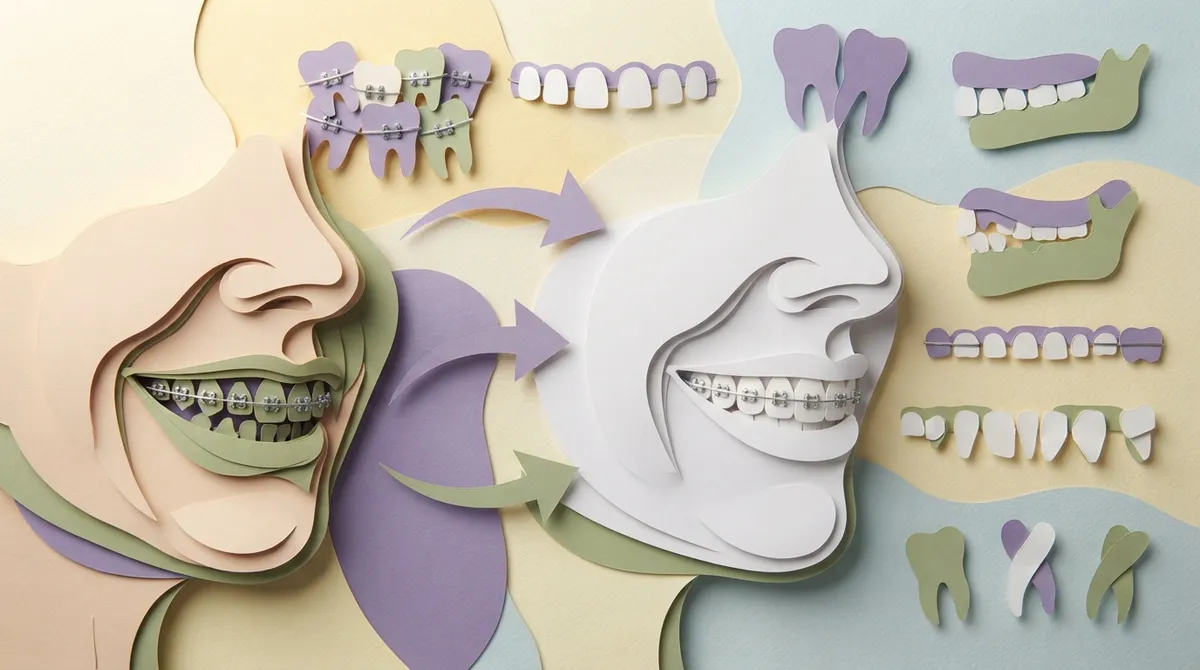
Metal braces aren’t just for crooked teeth. They can also treat:
- Crowded or overlapping teeth
- Gaps and spacing issues
- Overbites, underbites, and crossbites
- Open bites where teeth don’t meet properly
- Protruding front teeth
In some cases, braces also create room for teeth that haven’t fully come in yet. Our page on Common Orthodontic Problems goes into more detail about how these issues develop and get treated.
3. Treatment Usually Takes 12 to 24 Months
According to the American Association of Orthodontists, most patients wear braces for about 12 to 24 months. Some minor cases wrap up faster, while more complex situations can take longer. The NHS reports a similar range, often citing 18 to 24 months as typical for many patients.
Your exact timeline depends on a few things:
- How severe your bite or crowding issue is
- Your age and how your jaw is still growing
- How well you follow care instructions
- Whether you keep your scheduled appointments
- How often brackets or wires need repair
4. Metal Braces Work for Kids, Teens, and Adults
One of the best things about metal braces is that they’re not limited by age. Children as young as 7 might start early treatment, teens often begin during middle or high school, and plenty of adults get braces later in life too.
If you’re an adult who had braces years ago and noticed your teeth shifting back, you’re not alone. This is called relapse, and metal braces are often an effective way to correct it. Check out our Adult Orthodontics page for more on treatment options designed for grown-up schedules and goals.
5. Appointments Happen Every 4 to 10 Weeks
You’ll need regular visits to keep your treatment on track. The NHS notes that appointments are typically scheduled every 4 to 10 weeks, while the AAO recommends a similar range of about 6 to 10 weeks.
| Treatment Stage | Typical Visit Frequency | What Happens |
|---|---|---|
| Early Treatment | Every 4-6 weeks | Wire adjustments, bracket checks |
| Mid Treatment | Every 6-8 weeks | Progress review, elastic changes |
| Final Stage | Every 8-10 weeks | Fine-tuning before removal |
During these visits, your orthodontist checks your progress, may swap out wires, and looks for any issues with your teeth or gums. It’s also a great time to ask questions. We’ve got tips on How to Ask the Right Orthodontic Questions at Your Visit.
6. Some Soreness Is Normal (And Temporary)
Let’s be honest: your mouth might feel a little tender after getting braces put on or tightened. This is completely normal. NHS guidance says soreness commonly lasts about 3 to 5 days before it fades.
If your cheeks or lips get irritated by the brackets, orthodontic wax can be a lifesaver. Just dab a small piece over the spot that’s bothering you. Most patients say the discomfort becomes barely noticeable after the first week or so.
7. Certain Foods Are Off-Limits (At Least for Now)
Braces and crunchy or sticky foods don’t mix well. Hard candy, popcorn, and chewy snacks can bend wires or pop off brackets. Here’s a quick list of foods to watch out for:
- Popcorn and nuts
- Hard candies and ice
- Chewy candies like caramel or taffy
- Corn on the cob (cut it off instead)
- Sticky gum
Sugary and acidic drinks also deserve caution since they raise the risk of enamel damage. For a deeper dive, check out our guide on 13 Foods to Avoid With Braces (And Why It Matters).
8. Brushing and Flossing Take a Little Extra Effort
Braces create more nooks and crannies where food and plaque can hide. That means your usual brushing routine needs an upgrade. Here’s how to keep your smile healthy during treatment:
- Brush after every meal with fluoride toothpaste
- Use a soft-bristle brush angled toward the gumline
- Clean around brackets and under wires with interdental brushes or floss threaders
- Rinse with an antibacterial mouthwash if recommended
- Keep up with regular dental cleanings and checkups
Skipping these steps can lead to gingivitis, cavities, or permanent white spots on your teeth (more on that below). Our All About Braces page has more hygiene tips worth bookmarking.
9. Poor Hygiene Can Cause Lasting Marks
Here’s something worth taking seriously: if plaque builds up around brackets for too long, it can cause white or brown spots called demineralization. These marks are permanent and show up right where the brackets used to be.
In more serious cases, an orthodontist may need to pause treatment until your oral hygiene improves. The good news? This is completely preventable with consistent brushing and flossing. The American Association of Orthodontists offers helpful tips on maintaining a healthy smile throughout treatment.
10. Retainers Are Not Optional After Braces
Once your braces come off, your teeth still want to shift back to their old positions. That’s just how teeth behave over time. Wearing a retainer is the only way to lock in your new smile.
Most orthodontists recommend wearing retainers full-time at first, then gradually cutting back to nighttime wear. Many people continue wearing retainers for years, sometimes for life, just a few nights a week. Our Orthodontic Retainers page explains the different types available and how to care for them.
11. Metal Braces vs. Other Options: What’s the Difference?
Metal braces aren’t the only option out there, but they do offer some unique advantages. Here’s a simple comparison:
| Feature | Metal Braces | Clear Aligners |
|---|---|---|
| Visibility | Most visible | Nearly invisible |
| Removable? | No, fixed in place | Yes, removable trays |
| Best for complex cases | Excellent control | Good for mild-moderate cases |
| Compliance needed | Low (fixed appliance) | High (must wear 20-22 hrs/day) |
| Durability | Very durable | Can crack or warp |
If discretion matters most to you, you might want to explore Clear Aligners instead. For a full breakdown, see our article on Braces vs. Clear Aligners: Which Is Right for You?
12. There Are Fun Ways to Make Braces More Enjoyable
Getting braces doesn’t have to feel like a chore, especially for kids and teens. At Segovia Orthodontics, we offer WildSmiles Braces, which feature fun bracket shapes like stars, hearts, and even Mickey Mouse designs. Kids who enjoy their braces are more likely to stick with brushing and care routines.
We also offer LightForce Orthodontics, a fully digital, 3D-printed bracket system custom-fitted to each patient’s teeth. This technology can reduce treatment time by up to 45% while improving comfort. It’s a great option for busy teens and adults who want efficient results without sacrificing quality.
13. Emergencies Happen, But They’re Manageable
A loose bracket or poking wire can be annoying, but it’s rarely a true emergency. Here’s what to do if something feels off:
- Cover a poking wire with orthodontic wax or a small piece of cotton
- Avoid pulling on loose brackets or wires yourself
- Call your orthodontic office to schedule a repair visit
- Watch for signs of infection, swelling, or severe pain
If you’re ever unsure what counts as urgent, our Orthodontic Emergency page walks through common situations and what to do about them.
Why Families in Lakewood Ranch Choose Segovia Orthodontics
Dr. Flor Segovia is a Board Certified Orthodontist who believes every patient deserves a comfortable, welcoming experience. She uses Advanced Orthodontic Technology to keep treatment efficient and precise, whether you’re getting traditional metal braces or exploring aligner options.
Our practice also offers bilingual care in English and Spanish, so families throughout Lakewood Ranch and Bradenton feel understood and supported every step of the way. You can learn more about what makes us different on our Why Choose Us page, or read about Dr. Segovia’s background on the American Board of Orthodontics website.
Curious what other patients think? You can visit us on Google — Segovia Orthodontics to read real reviews from families just like yours. We also love sharing smile transformations and orthodontic tips on our Facebook page and our Instagram page.
Ready to Get Started?
Metal braces remain one of the most dependable ways to achieve a healthier, straighter smile, no matter your age or schedule. If you’re ready to take the next step, our team would love to help you figure out the best plan for your needs. Feel free to contact us with any questions, request an appointment online, or simply call us at 941-557-1333 to talk with our friendly staff. Your best smile is closer than you think!
FAQs
Q: How long do metal braces take to straighten teeth?
A: Most people wear metal braces for about 12 to 24 months, though this can vary based on your specific needs. Simple cases might wrap up faster, while more complex bite issues can take a bit longer. Your orthodontist will give you a personalized estimate at your first visit.
Q: Are metal braces painful?
A: You might feel some soreness for the first few days after getting braces on or adjusted, but it’s totally normal and temporary. Most patients say it feels better within 3 to 5 days. Orthodontic wax can help if brackets rub against your cheeks or lips.
Q: Can adults get metal braces, or are they just for kids?
A: Absolutely, adults get metal braces all the time! Whether you never had orthodontic treatment or your teeth shifted back after braces years ago, metal braces can work wonders at any age. Many adults appreciate how durable and predictable they are for fixing bite issues.
Q: What foods should I avoid while wearing metal braces?
A: Steer clear of hard, sticky, or crunchy foods like popcorn, hard candy, and chewy snacks since they can damage brackets and wires. Sugary drinks and acidic beverages should also be limited to protect your enamel. When in doubt, cut foods into smaller, softer pieces before eating.
Q: Do I really need to wear a retainer after my braces come off?
A: Yes, retainers are essential for keeping your new smile in place. Teeth naturally want to shift back over time, so wearing your retainer as directed helps protect all the hard work you put into your treatment. Many people wear retainers a few nights a week for years to maintain their results.
Our Service Area