Key Takeaways
-
Clear braces offer a discreet orthodontic solution that blends seamlessly with natural tooth color, making them ideal for professionals and adults seeking aesthetic treatment.
-
These braces effectively handle complex orthodontic issues like severe crowding, bite corrections, and rotated teeth that clear aligners might struggle with.
-
Treatment typically takes 18-36 months, with advanced technology like heat-activated wires providing gentle, consistent tooth movement.
-
Ceramic brackets are stain-resistant and designed to withstand daily wear, maintaining their subtle appearance throughout treatment.
-
Clear braces require no patient compliance, making them excellent for teenagers and busy adults who might forget to wear removable aligners.
-
Proper oral hygiene is crucial, involving brushing after meals, using specialized tools like interdental brushes, and avoiding certain foods that could damage brackets.
-
The cost of clear braces is typically $500-$1,500 more than metal braces, with many orthodontic practices offering flexible financing options to make treatment accessible.
Are you considering clear braces but wondering if they’re truly worth the investment in Lakewood Ranch? You’re not alone. Many patients wrestle with this decision, balancing their desire for a beautiful smile with concerns about cost, comfort, and visibility. The good news is that clear braces have come a long way in recent years, offering an excellent middle ground between traditional metal braces and clear aligners. If you’ve been hesitant to start your orthodontic journey because you’re worried about how braces might affect your appearance, clear braces might be the perfect solution you’ve been searching for.
Clear braces work similarly to traditional metal braces but use tooth-colored or clear ceramic brackets that blend naturally with your teeth. This makes them significantly less noticeable than conventional metal braces while still delivering powerful results for complex orthodontic issues. Whether you’re a professional preparing for career advancement, a parent seeking treatment for your teenager, or an adult ready to finally fix that crooked smile, understanding what makes clear braces special can help you make an informed decision about your orthodontic care.

How Do Clear Braces Actually Work?
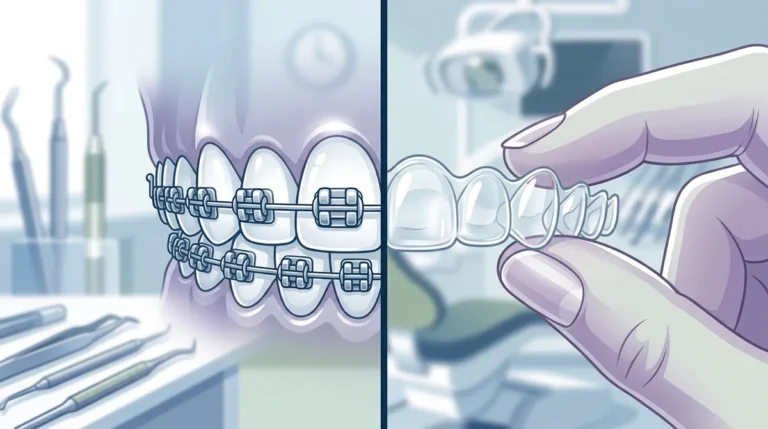
Clear braces function using the same proven orthodontic principles as traditional metal braces, but with an aesthetic upgrade that makes them far more discreet. The brackets are made from ceramic or composite materials that match your natural tooth color, making them blend seamlessly with your smile. These brackets are bonded to the front of your teeth and connected with wires that gradually shift your teeth into their ideal positions.
The treatment process begins with a comprehensive evaluation where your orthodontist examines your teeth, takes digital scans or impressions, and creates a customized treatment plan. This plan maps out exactly how your teeth will move over time and estimates your treatment duration. Most clear braces treatments take between 18 to 36 months, depending on the complexity of your case and how well you follow your orthodontist’s instructions.
What sets clear braces apart is their ability to handle complex orthodontic problems that clear aligners sometimes can’t address as effectively. Issues like severe crowding, significant bite problems, or teeth that need vertical movement often respond better to the constant, controlled pressure that braces provide. The brackets stay in place 24/7, continuously working to straighten your teeth without requiring you to remember to wear removable aligners.
The Technology Behind Modern Clear Braces
Today’s clear braces incorporate advanced orthodontic technology that makes treatment more comfortable and efficient than ever before. High-quality ceramic brackets are stain-resistant and designed to withstand the daily wear and tear of eating, speaking, and normal oral hygiene routines. Some practices, like Segovia Orthodontics, use cutting-edge digital planning software to predict tooth movement with remarkable accuracy.
The wires used with clear braces have also evolved significantly. Modern nickel-titanium wires are heat-activated, meaning they respond to your body temperature to apply gentle, consistent pressure. This reduces discomfort while speeding up tooth movement. Some orthodontists even offer tooth-colored or frosted wires to further minimize the visibility of your braces.

What Are the Main Benefits of Choosing Clear Braces?
Clear braces offer a unique combination of effectiveness and aesthetics that appeals to a wide range of patients. Understanding these benefits can help you decide if they’re the right choice for your orthodontic needs.
Discreet Appearance for Professional Settings
The most obvious advantage of clear braces is their subtle appearance. Unlike metal braces with shiny silver brackets, clear braces blend with your natural tooth color, making them far less noticeable in photos, video calls, and face-to-face conversations. This is particularly valuable for professionals who want to improve their smile without drawing attention to their orthodontic treatment during important meetings or presentations.
For adults who feel self-conscious about wearing braces, clear braces provide a confidence boost that metal braces simply can’t match. You can smile naturally without worrying about how your braces look, which is essential for maintaining your professional image and personal confidence throughout treatment.
Effective Treatment for Complex Cases
Clear braces excel at treating orthodontic issues that might be challenging for clear aligners alone. Here are some conditions where clear braces particularly shine:
- Severe crowding: When teeth are significantly overlapped or twisted, the constant pressure from braces works more efficiently than removable aligners.
- Complex bite corrections: Overbites, underbites, and crossbites often require the precise control that brackets and wires provide.
- Rotated teeth: Teeth that need significant rotation respond well to the multidirectional forces braces can apply.
- Vertical tooth movement: Moving teeth up or down (extrusion or intrusion) is much easier with braces than aligners.
If you’re dealing with any of these issues, clear braces might be your most effective option for achieving the smile you’ve always wanted.
No Compliance Concerns
Unlike clear aligners, which require 20-22 hours of daily wear, clear braces work continuously without requiring any effort on your part. You don’t need to remember to wear them, track your hours, or worry about losing them. This makes clear braces an excellent choice for teenagers who might struggle with the discipline required for aligners, or busy adults who don’t want to think about their treatment throughout the day.
The fixed nature of clear braces means they’re always working, which can sometimes lead to faster results compared to aligners when patient compliance is a concern. Your orthodontist has complete control over your treatment progress, making adjustments at each appointment to keep everything on track.
What Should You Expect During Clear Braces Treatment?
Understanding the treatment process helps reduce anxiety and prepares you for the journey ahead. Clear braces treatment follows a structured timeline with predictable milestones along the way.
The Initial Consultation and Planning
Your clear braces journey begins with a comprehensive consultation where your orthodontist evaluates your teeth, jaw alignment, and overall oral health. During your first orthodontic visit, expect digital scans or impressions, photographs, and possibly X-rays to create a complete picture of your orthodontic needs.
Your orthodontist will discuss your treatment goals, explain how clear braces can address your specific concerns, and provide an estimated timeline and cost. This is the perfect time to ask questions about the process, discuss orthodontic financing options, and understand what to expect throughout treatment.
Getting Your Clear Braces
The appointment to place your clear braces typically takes about two hours. Your orthodontist will thoroughly clean and dry your teeth before carefully bonding each ceramic bracket in its precise position. Once all brackets are in place, the archwire is threaded through them and secured with small elastic ties (which can be clear or tooth-colored for maximum discretion).
The first few days with new braces can feel strange as your mouth adjusts to the brackets and wires. Your teeth may feel sore or tender, especially when eating, but this discomfort typically subsides within a week. Over-the-counter pain relievers and soft foods can help during this adjustment period.
Regular Adjustment Appointments
You’ll visit your orthodontist approximately every 4-8 weeks for adjustments. During these appointments, your orthodontist will:
- Check your progress and tooth movement
- Replace the archwire with the next one in your treatment sequence
- Change elastic ties if needed
- Make any necessary adjustments to brackets
- Address any concerns or discomfort you’re experiencing
- Provide guidance on oral hygiene and care
These appointments are crucial for keeping your treatment on schedule and ensuring optimal results. Missing appointments can extend your treatment time, so it’s important to prioritize these visits in your schedule.
How Do You Care for Clear Braces Properly?
Maintaining good oral hygiene with clear braces requires a bit more effort than without them, but establishing the right routine makes it manageable. Proper care keeps your brackets looking clear and prevents staining or damage.
Daily Cleaning Techniques
Brushing with braces requires extra attention to clean around brackets and under wires. Follow these steps for effective cleaning:
- Brush after every meal: Food particles can easily get trapped in brackets, so brush within 30 minutes of eating whenever possible.
- Use the right technique: Angle your toothbrush at 45 degrees to clean above and below each bracket, spending about 10 seconds on each tooth.
- Invest in quality tools: An electric toothbrush designed for braces and interdental brushes help clean hard-to-reach areas.
- Floss daily: Use a floss threader or water flosser to clean between teeth and under the archwire.
- Rinse with mouthwash: An antimicrobial rinse helps reduce bacteria and keeps your breath fresh.
Foods to Avoid with Clear Braces
Certain foods can damage ceramic brackets or stain them, compromising the aesthetic benefits of clear braces. Here’s what to avoid:
- Hard foods: Nuts, hard candy, ice, and popcorn kernels can crack ceramic brackets
- Sticky foods: Caramel, taffy, and gummy candies can pull brackets off your teeth
- Staining foods and drinks: Coffee, red wine, curry, and tomato sauce can stain the elastic ties (though not the brackets themselves)
- Crunchy foods: Chips, hard pretzels, and raw carrots should be eaten carefully or avoided
When you do want to enjoy foods that could potentially stain, brush your teeth immediately afterward to minimize discoloration of the elastic ties.
| Food Category | Avoid | Safe Alternatives |
|---|---|---|
| Snacks | Popcorn, hard pretzels, nuts | Soft crackers, cheese, yogurt |
| Sweets | Caramel, taffy, hard candy | Soft cookies, ice cream, pudding |
| Vegetables | Raw carrots, corn on the cob | Steamed vegetables, cut corn |
| Fruits | Whole apples, hard pears | Sliced apples, bananas, berries |
What Is the Cost Difference Between Clear and Metal Braces?
Clear braces typically cost more than traditional metal braces due to the higher quality materials and manufacturing processes involved. In Lakewood Ranch, you can expect clear braces to cost approximately $500 to $1,500 more than metal braces, though exact pricing varies based on your specific treatment needs and the orthodontic practice you choose.
The investment in clear braces reflects several factors beyond just the materials. Ceramic brackets are more expensive to produce, and they require more careful handling during placement and adjustments. However, many patients find the aesthetic benefits well worth the additional cost, especially when spread out over monthly payment plans.
Financing Options Make Treatment Accessible
Most orthodontic practices understand that cost is a significant consideration for families and offer various payment plans to make clear braces more affordable. Common financing options include:
- Interest-free monthly payment plans spread over your treatment duration
- Extended payment plans that continue beyond your treatment completion
- Third-party financing through healthcare credit companies
- Discounts for paying in full upfront
- Family discounts when multiple family members need treatment
- Flexible spending account (FSA) or health savings account (HSA) compatibility
Many dental insurance plans cover a portion of orthodontic treatment, typically between $1,000 and $2,000 for a lifetime orthodontic benefit. Your orthodontist’s office can help you understand your insurance coverage and maximize your benefits.
Why Choose Clear Braces Over Clear Aligners?
While clear aligners have gained tremendous popularity in recent years, clear braces offer distinct advantages for certain patients and situations. Understanding these differences helps you make the best choice for your unique needs.
Treatment Complexity and Effectiveness
Clear braces excel at addressing complex orthodontic issues that clear aligners may struggle with. The constant, precise pressure from brackets and wires can achieve tooth movements that are difficult or impossible with removable aligners. If you have significant crowding, severe bite problems, or teeth that need substantial rotation, clear braces might deliver better, faster results.
Orthodontists have more direct control over tooth movement with braces because they can adjust the force and direction at each appointment. With aligners, the entire treatment sequence is planned upfront, and while refinements are possible, they require creating new aligners and extending treatment time.
Lifestyle Considerations
Your daily habits and lifestyle play a big role in determining which treatment option works best. Clear braces might be the better choice if you:
- Struggle with self-discipline: Forgetting to wear aligners 20-22 hours daily can significantly extend treatment time or compromise results.
- Have a busy, unpredictable schedule: Braces don’t require you to plan your eating schedule or find private places to remove aligners.
- Want to avoid the hassle of removing appliances: Some people find the constant removal and insertion of aligners inconvenient.
- Are concerned about losing or damaging aligners: Braces stay in place, eliminating the risk of lost or broken aligners.
On the other hand, clear aligners offer advantages like removability for important events, easier oral hygiene, and no dietary restrictions. The right choice depends on your priorities and treatment needs.
| Factor | Clear Braces | Clear Aligners |
|---|---|---|
| Visibility | Less noticeable than metal braces | Nearly invisible when worn |
| Treatment Complexity | Excellent for complex cases | Best for mild to moderate cases |
| Compliance Required | None – always working | High – must wear 20-22 hours daily |
| Oral Hygiene | Requires special techniques | Easier – remove to brush and floss |
| Dietary Restrictions | Yes – avoid hard and sticky foods | No – remove to eat anything |
| Cost | Moderate to high | Moderate to high |
What Are Common Concerns About Clear Braces?
Before committing to clear braces treatment, many patients have legitimate questions and concerns. Addressing these upfront helps you feel confident about your decision.
Will Clear Braces Stain or Turn Yellow?
This is one of the most common worries about clear braces. The good news is that modern ceramic brackets are highly stain-resistant and won’t yellow or discolor during treatment. The brackets themselves are made from strong, non-porous materials that resist staining from foods and beverages.
However, the small elastic ties that hold the wire to the brackets can stain over time, especially if you frequently consume coffee, tea, red wine, or highly pigmented foods. The silver lining is that these ties are replaced at each adjustment appointment (every 4-8 weeks), so any staining is temporary. Some patients choose to have their ties changed more frequently if they’re particularly concerned about staining.
Are Clear Braces More Fragile Than Metal Braces?
While ceramic brackets are strong and durable, they are slightly more brittle than metal brackets. This means they can chip or break if subjected to excessive force, such as biting into hard foods or experiencing facial trauma. However, with proper care and by following your orthodontist’s dietary guidelines, bracket breakage is relatively uncommon.
If a bracket does break, contact your orthodontist right away to schedule a repair appointment. A broken bracket can slow your treatment progress if left unattended, so addressing it quickly is important.
Do Clear Braces Take Longer Than Metal Braces?
Treatment time with clear braces is generally comparable to metal braces for the same orthodontic issues. The materials may be different, but the mechanics of how teeth move remain the same. Your treatment duration depends more on the complexity of your case, how well you follow instructions, and your body’s individual response to treatment than on the type of brackets you choose.
Some orthodontists report that ceramic brackets may have slightly more friction with the archwire compared to metal brackets, which could theoretically slow tooth movement minimally. However, modern low-friction ceramic brackets have largely eliminated this concern, and any difference in treatment time is negligible for most patients.
Who Is the Ideal Candidate for Clear Braces?
Clear braces work wonderfully for a wide range of patients, but they’re particularly well-suited for certain individuals and situations.
Teenagers Who Want Discreet Treatment
Adolescence is already a self-conscious time, and many teens are reluctant to get braces because they’re worried about their appearance. Clear braces offer a compromise that provides effective treatment without the metallic smile that some teens find embarrassing. Teen orthodontic treatment with clear braces allows young people to feel more confident during their orthodontic journey, which can improve compliance and overall treatment success.
For teens who are active in sports, theater, debate, or other activities where appearance matters, clear braces provide peace of mind. They’re less noticeable in photos and videos, which is important in today’s social media-driven world where teens are constantly documenting their lives.
Professionals and Career-Focused Adults
Adults who work in client-facing roles, give presentations, or work in image-conscious industries often prefer clear braces over metal braces. The subtle appearance allows you to improve your smile without drawing unwanted attention to your orthodontic treatment during important meetings, networking events, or professional presentations.
Adult orthodontics has grown tremendously in recent years as more people recognize that it’s never too late to achieve the smile you’ve always wanted. Clear braces make that journey more comfortable from a professional and social perspective.
Patients with Complex Orthodontic Needs
If you’ve consulted with an orthodontist about clear aligners and learned that your case is too complex for that treatment option, clear braces might be your best path forward. They can handle virtually any orthodontic problem while still offering improved aesthetics compared to traditional metal braces.
People who have experienced orthodontic relapse after previous treatment are also excellent candidates for clear braces. If you had braces as a teen but didn’t wear your retainer and now your teeth have shifted, clear braces can efficiently correct the relapse while maintaining a professional appearance.
How Do You Find the Right Orthodontist for Clear Braces?
Choosing the right orthodontist is just as important as choosing the right treatment option. The quality of your results and your overall experience depend heavily on your orthodontist’s skill, experience, and approach to patient care.
Look for Board Certification and Experience
Not all dentists who offer orthodontic treatment have specialized training in orthodontics. A board-certified orthodontist has completed additional years of specialized education beyond dental school and has passed rigorous examinations by the American Board of Orthodontics. This certification ensures your orthodontist has demonstrated excellence in the field and stays current with the latest techniques and technologies.
Ask potential orthodontists about their experience specifically with clear braces. How many clear braces cases have they completed? Do they use advanced technology for treatment planning? What’s their approach to handling complex cases? An experienced orthodontist can show you before-and-after photos of previous patients and clearly explain what results you can expect.
Evaluate the Practice Environment and Technology
Visit the orthodontic practice for a consultation before committing to treatment. Pay attention to:
- The cleanliness and organization of the facility
- The friendliness and professionalism of the staff
- The technology and equipment used (digital scanners, 3D treatment planning, etc.)
- Appointment availability and flexibility
- Communication style and willingness to answer questions
- Transparency about costs and financing options
You’ll be visiting this practice regularly throughout your treatment, so feeling comfortable and confident in the environment matters. A practice that invests in modern technology often provides more accurate diagnoses, more comfortable treatment experiences, and better final results.
Consider Convenience and Location
Since you’ll need regular adjustment appointments every 4-8 weeks, choosing an orthodontist with a conveniently located office can make your treatment journey much easier. Look for a practice in Lakewood Ranch that fits naturally into your routine, whether that’s near your home, workplace, or your children’s school.
Also consider appointment availability. Do they offer early morning, evening, or weekend appointments for busy professionals? Can they accommodate emergency visits if something breaks? Flexible scheduling can make a significant difference in your treatment experience.
What Happens After Your Clear Braces Come Off?
The day your clear braces are removed is exciting, but your orthodontic journey isn’t quite finished. Maintaining your beautiful new smile requires a commitment to wearing retainers as directed by your orthodontist.
The Retention Phase
After your braces are removed, your teeth need time to stabilize in their new positions. Bone and soft tissue surrounding your teeth need to adapt to the changes, which is why orthodontic retainers are essential. Your orthodontist will provide retainers immediately after removing your braces, and you’ll need to wear them according to their specific instructions.
Most patients wear their retainers full-time (except when eating and brushing) for the first few months, then transition to nighttime-only wear. Some orthodontists also recommend permanent retainers—thin wires bonded to the back of your front teeth—for extra insurance against shifting.
Long-Term Smile Maintenance
Think of retainers as a lifetime commitment to your smile investment. Teeth have a natural tendency to shift throughout life, even without orthodontic treatment. Wearing your retainer as directed is the only way to ensure your teeth stay in their beautiful new positions.
You’ll have periodic retention check appointments (typically every 6-12 months) where your orthodontist evaluates your retainer fit and makes sure your teeth haven’t shifted. These visits are quick and painless but crucial for long-term success.
Making Your Decision About Clear Braces in Lakewood Ranch
Choosing clear braces represents an investment in your smile, confidence, and oral health. If you’ve been considering orthodontic treatment but hesitating because of aesthetic concerns, clear braces offer an excellent solution that balances effectiveness with discretion. They work for complex cases, don’t require the compliance challenges of removable aligners, and provide results you can count on.
The key is finding an experienced, caring orthodontist who will customize your treatment to your specific needs and goals. Take the time to research your options, ask questions during consultations, and choose a practice where you feel valued and understood. Your smile transformation is a journey, and having the right team supporting you makes all the difference.
At Segovia Orthodontics, Dr. Flor Segovia and her team specialize in creating beautiful smiles using clear braces and other advanced treatment options. With a focus on personalized care, cutting-edge technology, and a warm, welcoming environment, the practice makes orthodontic treatment comfortable and convenient for patients of all ages. Whether you’re seeking treatment for yourself or your child, the team is ready to help you achieve the confident smile you deserve.
If you’re ready to explore whether clear braces are right for you, don’t wait any longer to take that first step. Visit Segovia Orthodontics on Google to read reviews from satisfied patients and learn more about what makes this practice special. The friendly team would love to answer your questions and help you start your journey toward a straighter, healthier smile. Schedule your consultation today and discover how clear braces can transform your smile with confidence and discretion.
FAQs
Q: How much do clear braces cost in Lakewood Ranch?
A: Clear braces in Lakewood Ranch typically cost $500 to $1,500 more than traditional metal braces, with total treatment costs varying based on your specific orthodontic needs and treatment duration. Most practices offer flexible financing options, including interest-free payment plans and insurance coordination, to make treatment more affordable. The investment reflects the higher quality ceramic materials and the aesthetic benefits that make clear braces less noticeable throughout your treatment.
Q: Do clear braces stain or turn yellow during treatment?
A: Modern ceramic brackets used in clear braces are highly stain-resistant and won’t yellow or discolor during treatment. However, the small elastic ties that hold the wire can stain from coffee, tea, red wine, or highly pigmented foods. The good news is these ties are replaced at every adjustment appointment (every 4-8 weeks), so any staining is temporary and doesn’t affect the clear brackets themselves.
Q: How long does treatment with clear braces take?
A: Clear braces treatment typically takes 18 to 36 months, similar to traditional metal braces for the same orthodontic issues. Your specific treatment duration depends on the complexity of your case, how well you follow your orthodontist’s instructions, and your individual response to treatment. Complex cases involving severe crowding or significant bite corrections may take longer, while minor adjustments might be completed more quickly.
Q: Are clear braces better than clear aligners?
A: Clear braces excel at treating complex orthodontic problems like severe crowding, significant bite issues, and teeth requiring substantial rotation—cases where clear aligners may be less effective. They work continuously without requiring patient compliance to wear them 20-22 hours daily. However, clear aligners offer advantages like removability for special events and easier oral hygiene. The best choice depends on your specific orthodontic needs, lifestyle, and personal preferences, which your orthodontist can help you determine during a consultation.
Q: What foods should I avoid with clear braces?
A: Avoid hard foods like nuts, ice, and hard candy that can crack ceramic brackets, and sticky foods like caramel and taffy that can pull brackets off your teeth. Also minimize staining foods and drinks like coffee, red wine, curry, and tomato sauce, which can discolor the elastic ties. Safe alternatives include soft foods like yogurt, steamed vegetables, soft crackers, and sliced fruits. When you do consume potentially staining foods, brush your teeth promptly afterward to minimize discoloration.
Our Service Area