Key Takeaways
-
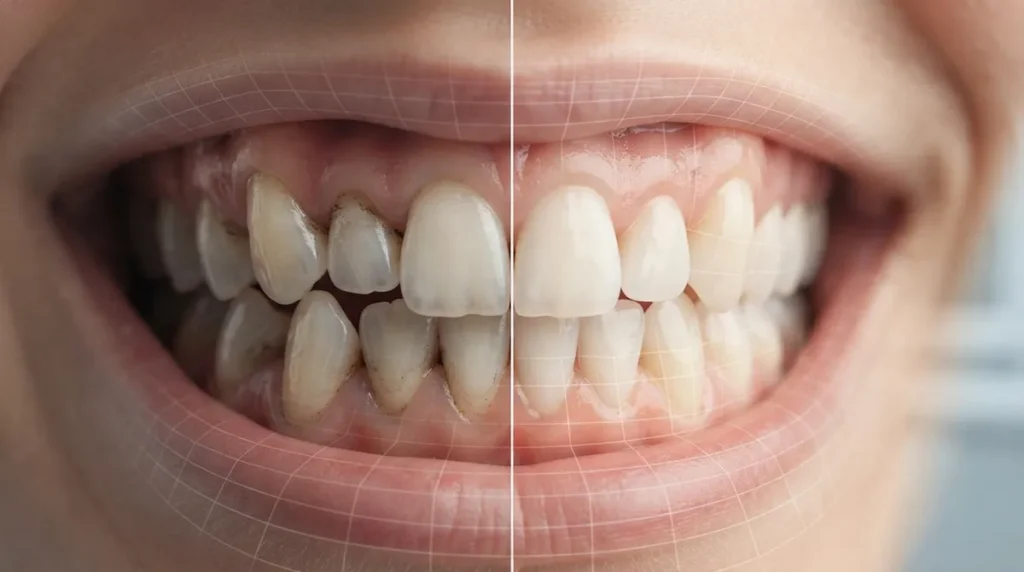
Crowded teeth affect 24% of women and 14% of men; orthodontists measure severity by space needed (mild: <4mm, moderate: 4-8mm, severe: >8mm) to determine if aligners, braces, or extraction is needed.
-
Untreated crowding leads to functional problems beyond appearance: overlapping teeth trap plaque, increasing cavity and gum disease risk, while uneven bite pressure causes faster enamel wear and jaw joint stress.
-
LightForce custom 3D-printed braces can shorten treatment time by up to 45% compared to traditional braces; clear aligners with 7+3 wear schedules offer nearly invisible options for mild-to-moderate crowding.
-
Early orthodontic evaluation around age 7 is recommended for children; palatal expanders can guide jaw growth before permanent teeth fully erupt, potentially preventing more complex and expensive treatment later.
-
Treatment duration varies by severity: mild crowding typically takes 12-18 months, moderate takes 18-24 months, and severe cases range from 24-30+ months; personalized treatment plans consider jaw size, arch form, and long-term stability.
-
Severe crowding (>8mm) may require tooth extraction to create necessary space, but this is not the first treatment option; extraction decisions are made after thorough evaluation by a board-certified orthodontist.
Have you ever looked in the mirror and noticed your teeth seem to be fighting for space? Maybe one tooth twists a little, or your smile feels tighter than you’d like. You’re not alone. Crowded teeth are one of the most common reasons families visit an orthodontist, and the good news is that orthodontics for crowded teeth has never been more comfortable, faster, or more personalized than it is right now in 2026.
At Segovia Orthodontics in Lakewood Ranch, we see this every single day. Parents bring in kids whose adult teeth are coming in sideways. Busy professionals come to us frustrated that their teeth have shifted since their teenage braces. Brides and grooms want a straighter smile before their big day. Whoever you are, crowded teeth have a solution, and we’re here to walk you through exactly how it works.
What Exactly Are Crowded Teeth?
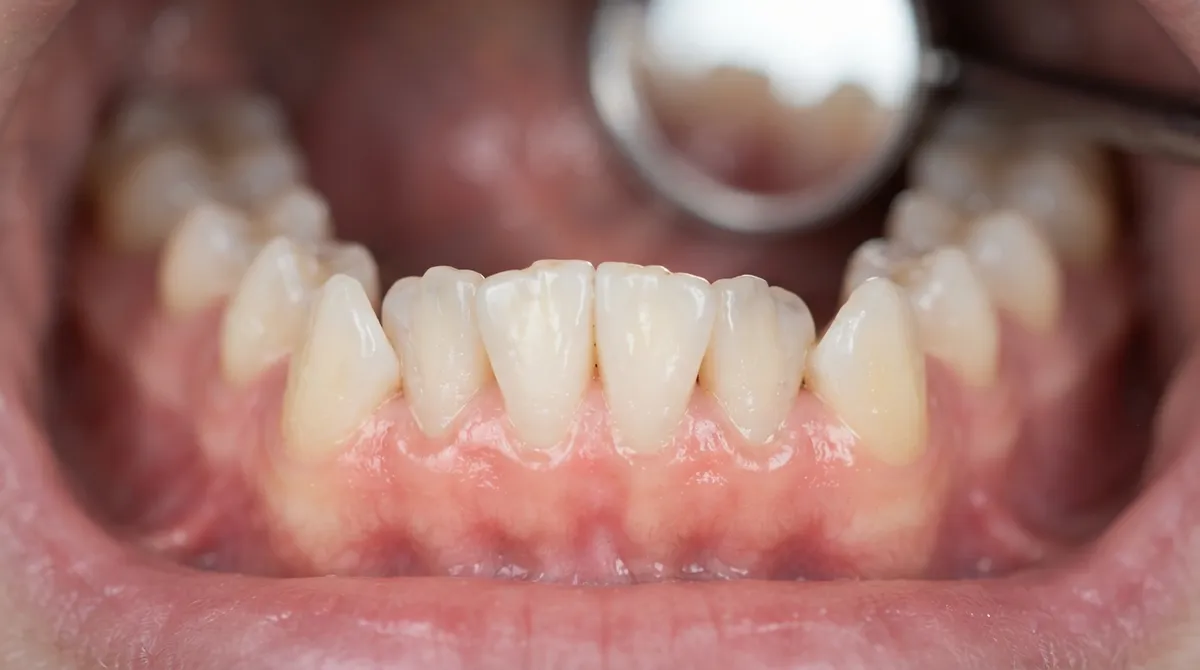
Crowded teeth happen when your jaw simply doesn’t have enough room for all your teeth. Think of it like trying to fit too many people into a small elevator. Something has to give, so teeth twist, overlap, or push out of line.
This happens because the total width of your teeth is bigger than the space in your jaw. It can affect baby teeth, adult teeth, or both. In fact, crowding is one of the top reasons kids and adults get referred to an orthodontist in the first place.
Common Causes of Crowded Teeth
- Genetics (thanks, Mom and Dad, for those small jaws or big teeth)
- Losing baby teeth too early, which lets other teeth drift into the empty space
- Thumb sucking or prolonged pacifier use in childhood
- Extra or unusually large teeth that don’t fit the arch
- Natural aging, which can cause slow shifting over the years
Interestingly, adult tooth crowding is more common than many people realize. One widely cited estimate suggests it affects about 24% of women and 14% of men. So if you’re dealing with this as an adult, you’re in very good company.
How Severe Is Your Crowding? Understanding the Categories
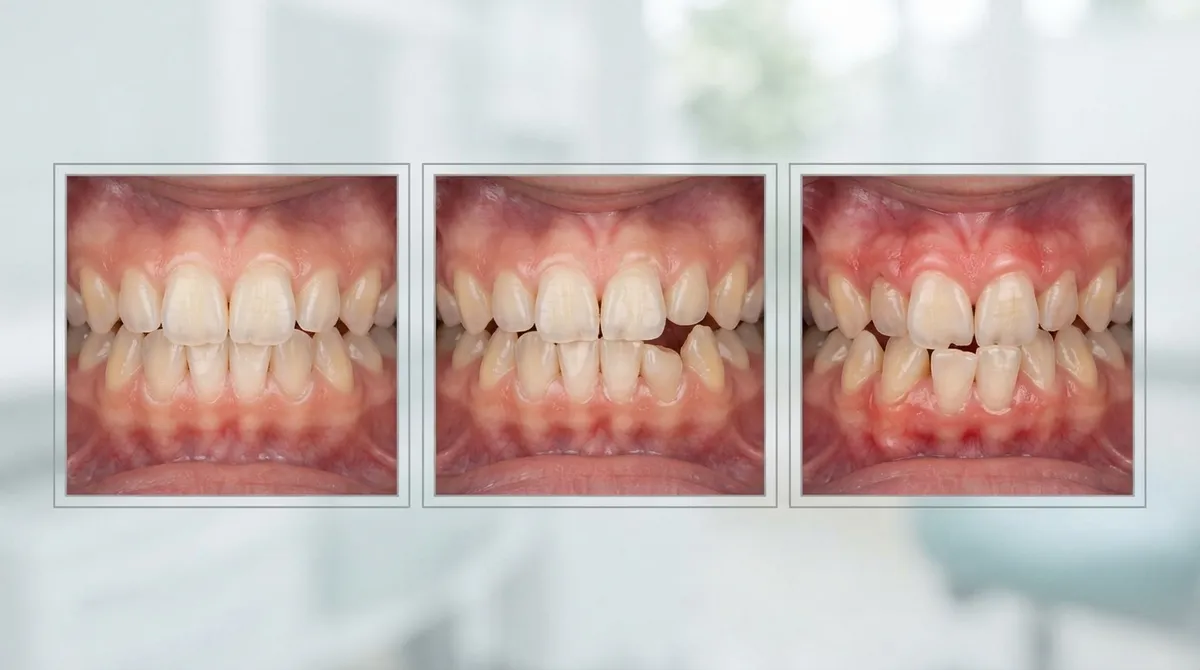
Not all crowded teeth are the same. Orthodontists measure crowding by how much extra space is needed to line everything up properly.
| Severity Level | Space Needed | Typical Treatment Approach |
|---|---|---|
| Mild Crowding | Less than 4mm | Clear aligners or braces, minimal adjustment |
| Moderate Crowding | 4mm to 8mm | Braces or aligners, sometimes with expansion |
| Severe Crowding | More than 8mm | Expansion appliances, possible extraction, longer treatment |
Knowing your severity level helps Dr. Segovia build a treatment plan that actually fits your mouth, your goals, and your lifestyle. It’s never a one-size-fits-all approach here.
Treatment Options for Crowded Teeth
Here’s the part you’re probably most curious about: what can actually be done? Let’s break down the main paths, depending on age and severity.
1. Traditional Metal Braces
Braces remain a reliable, proven way to gently shift crowded teeth into their correct spots over time. If you love a bit of personality in your treatment, our WildSmiles Braces let kids and teens choose fun bracket shapes like stars, hearts, or even Mickey Mouse designs. It turns a sometimes-scary process into something exciting.
2. LightForce Custom Braces
For patients who want precision and speed, LightForce Orthodontics uses fully digital, 3D-printed brackets custom-made for your exact tooth shape. This can shorten treatment time by up to 45% compared to traditional one-size-fits-all brackets, and the clear or white brackets are far less noticeable too.
3. Clear Aligners
For mild to moderate crowding, clear aligners are a fantastic, nearly invisible option. Angel Aligners, which we offer at our practice, use a unique 7+3 wear schedule that can speed up movement while keeping costs more manageable than some premium brands.
4. Expansion Appliances
For kids whose jaws are still growing, a palatal expander can widen the upper jaw to create more room. This is often paired with early treatment to guide how permanent teeth come in.
5. Extraction (For Severe Cases)
When crowding is severe, sometimes removing one or two teeth creates the space needed for a healthy, stable result. This isn’t the first choice, but it’s sometimes the smartest one for long-term success.
Treatment by Age: What to Expect
Crowded teeth look different at every stage of life, and treatment plans should reflect that.
Children (Ages 7-11)
This is often the ideal window for early orthodontic treatment. Appliances like palatal expanders, lip bumpers, or space maintainers can guide jaw growth before all the adult teeth even arrive. This proactive step can prevent more complicated (and more expensive) treatment later.
Teens (Ages 12-18)
Most permanent teeth have erupted by now, making this a classic time for full teen orthodontic treatment with braces or aligners. Busy teens juggling sports, school, and social lives appreciate options that fit their routines.
Adults (25+)
Maybe you had braces once, but your teeth have shifted back. Or maybe you never got treatment and you’re ready now. Adult orthodontics today is discreet, efficient, and designed around real, busy schedules. Clear aligners are especially popular with professionals who don’t want visible metal at client meetings.
Why Untreated Crowding Isn’t Just a Cosmetic Issue
It’s tempting to think crowded teeth are only about appearance. But there’s more at stake here.
- Overlapping teeth create tight spaces that are harder to brush and floss properly
- Plaque builds up more easily in these tight spots
- This can lead to cavities and gum disease over time
- Crowding can add stress to your jaw joint, contributing to discomfort
- Uneven bite pressure can wear down enamel faster in certain spots
In short, straightening crowded teeth isn’t just about a nicer smile for photos. It’s genuinely an investment in your long-term oral health.
How Long Does Treatment Actually Take?
This is one of the most common questions we hear at our Lakewood Ranch office. The honest answer: it depends on your specific case. Generally speaking:
- Mild crowding: often 12 to 18 months
- Moderate crowding: typically 18 to 24 months
- Severe crowding: can range from 24 to 30 months or more
Advanced technology, like LightForce’s digital precision, can help shorten these timelines significantly in many cases. Dr. Segovia will give you a personalized estimate at your first orthodontic visit, based on your unique smile.
What Makes Treatment Planning So Important
Good orthodontic care for crowding isn’t just about pushing teeth into a straighter line. Dr. Segovia, a board-certified orthodontist, considers several factors before recommending treatment:
- The size and shape of your teeth compared to your jaw
- Your natural arch form
- Your facial profile and how it may shift with treatment
- Gum and bone health limits
- Long-term stability, so your results actually last
This thoughtful approach is part of why so many families trust our practice. You can learn more about her credentials and training on our Orthodontist Flor Segovia page, and you can always verify board certification through the American Board of Orthodontics.
Steps to Getting Started with Treatment
Not sure where to begin? Here’s a simple roadmap most patients follow:
- Schedule a consultation to evaluate your crowding severity
- Get digital scans, X-rays, or photos to map your treatment plan
- Review your options, whether braces, aligners, or expansion appliances
- Choose the option that fits your lifestyle, budget, and comfort level
- Begin treatment with regular check-ins to track progress
- Transition to a retainer once your teeth reach their ideal position
We know finances are often part of this decision too, which is why we offer flexible orthodontic financing to make treatment work with your budget, not against it.
Why Families Choose Segovia Orthodontics for Crowded Teeth
We know Lakewood Ranch families have options. Here’s why so many choose our practice for crowding concerns:
- Bilingual care in English and Spanish for comfortable communication
- Advanced technology like LightForce for faster, more precise results
- Fun options like WildSmiles for kids who need a little extra encouragement
- Flexible scheduling for busy parents and working professionals
- A warm, welcoming office atmosphere for every age group
You can browse our Why Choose Us page for more details, or check out real patient experiences on our Facebook page and our Instagram page. We also love when new patients visit us on Google — Segovia Orthodontics to see what our community has to say.
Caring for Your Smile During Treatment
Whether you choose braces or aligners, a few simple habits make a big difference:
- Brush after every meal, especially with braces, to avoid buildup around brackets
- Floss daily, using threaders if needed for braces
- Avoid sticky or hard foods that can damage brackets or wires
- Wear aligners as instructed, typically 20-22 hours a day
- Keep every follow-up appointment so your plan stays on track
If you ever run into an unexpected issue, like a loose wire or bracket, our orthodontic emergency guidance can help you know exactly what to do.
Ready to Fix Your Crowded Teeth?
Crowded teeth don’t have to be something you just live with. Whether you’re a parent watching your child’s smile change, a professional wanting a discreet fix, or someone ready to finally correct old relapse, there’s a path forward that fits your life.
Dr. Flor Segovia and our team at Segovia Orthodontics in Lakewood Ranch would love to help you map out your best next step. Ready to get started? Request an appointment today, or feel free to contact us with any questions. You can also simply call us at 941-557-1333 to speak with our friendly team directly. Your straighter, healthier smile is closer than you think, and we truly can’t wait to be part of that journey with you.
FAQs
Q: What causes crowded teeth?
A: Crowded teeth usually happen when your jaw is too small for all your teeth, or your teeth are simply too big for the space available. Genetics play a huge role, but early loss of baby teeth and habits like thumb sucking can also contribute. The good news is that no matter the cause, there’s almost always a treatment path that works for you.
Q: Can clear aligners fix crowded teeth?
A: Yes, clear aligners work wonderfully for mild to moderate crowding! Options like Angel Aligners use smart wear schedules to move teeth efficiently while staying nearly invisible. For more severe crowding, your orthodontist might recommend braces or a combination approach instead.
Q: When do crowded teeth need tooth extraction?
A: Extraction usually comes into play with severe crowding, generally more than 8mm of needed space. It’s not the first option we reach for, but sometimes removing one or two teeth creates the room needed for a stable, lasting result. Your orthodontist will always explain why it’s recommended before moving forward.
Q: What is the best age to treat crowded teeth in children?
A: Many orthodontists recommend a first evaluation around age 7, even before all baby teeth are gone. This early check-in doesn’t always mean immediate treatment, but it lets us catch developing crowding early and plan ahead. Early treatment can sometimes prevent more complex work down the road.
Q: How long does orthodontic treatment for crowded teeth take?
A: Treatment time really depends on how severe the crowding is. Mild cases might wrap up in about 12 to 18 months, while more complex cases can take 24 to 30 months or longer. Advanced technology like digital treatment planning can sometimes speed things up quite a bit.
Our Service Area