Key Takeaways
-
True orthodontic emergencies involve severe pain, significant brace damage, or mouth/jaw injuries that could impact oral health or treatment progress.
-
If a wire is piercing your cheek or gums and causing bleeding, seek immediate professional orthodontic care.
-
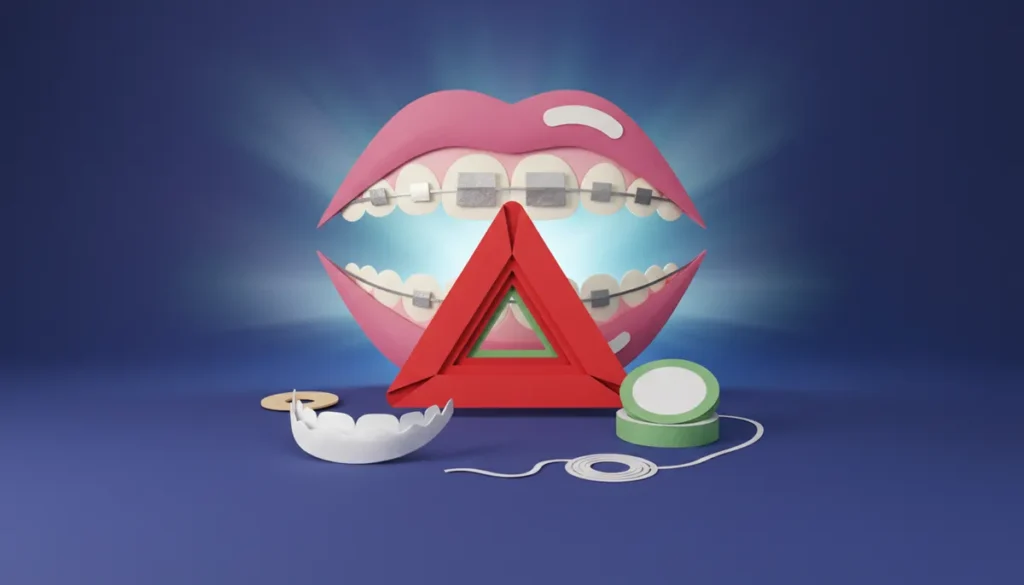
Keep an emergency kit with orthodontic wax, dental floss, pain relievers, and your orthodontist’s contact information to manage unexpected issues.
-
Avoid hard and sticky foods that can break brackets, and always wear a mouthguard during physical activities to prevent orthodontic damage.
-
Broken or loose brackets need professional repair within a few days to ensure your treatment stays on track.
-
Rinse with warm salt water and apply orthodontic wax to manage mouth sores and irritation caused by braces.
-
For clear aligners, wear your previous set if you lose a current aligner and contact your orthodontist immediately for guidance.
Orthodontic emergencies can happen when you least expect them. Maybe you bit into something crunchy and a bracket popped off. Perhaps your child took a tumble at soccer practice and their wire is poking their cheek. Or maybe you’re experiencing sudden pain that won’t go away. Whatever the situation, knowing what to do during an orthodontic emergency can save you time, reduce discomfort, and protect your investment in that perfect smile. Emergency orthodontic care isn’t just about fixing broken braces—it’s about getting quick relief and preventing further damage to your teeth and treatment progress.
At Segovia Orthodontics, we understand that emergencies don’t follow a schedule. That’s why we’re here to help you understand what counts as a true emergency, how to handle common orthodontic problems at home, and when you need to seek professional care right away. Let’s walk through everything you need to know about emergency orthodontic care so you can feel confident handling any situation that comes your way.
Understanding What Counts as an Orthodontic Emergency
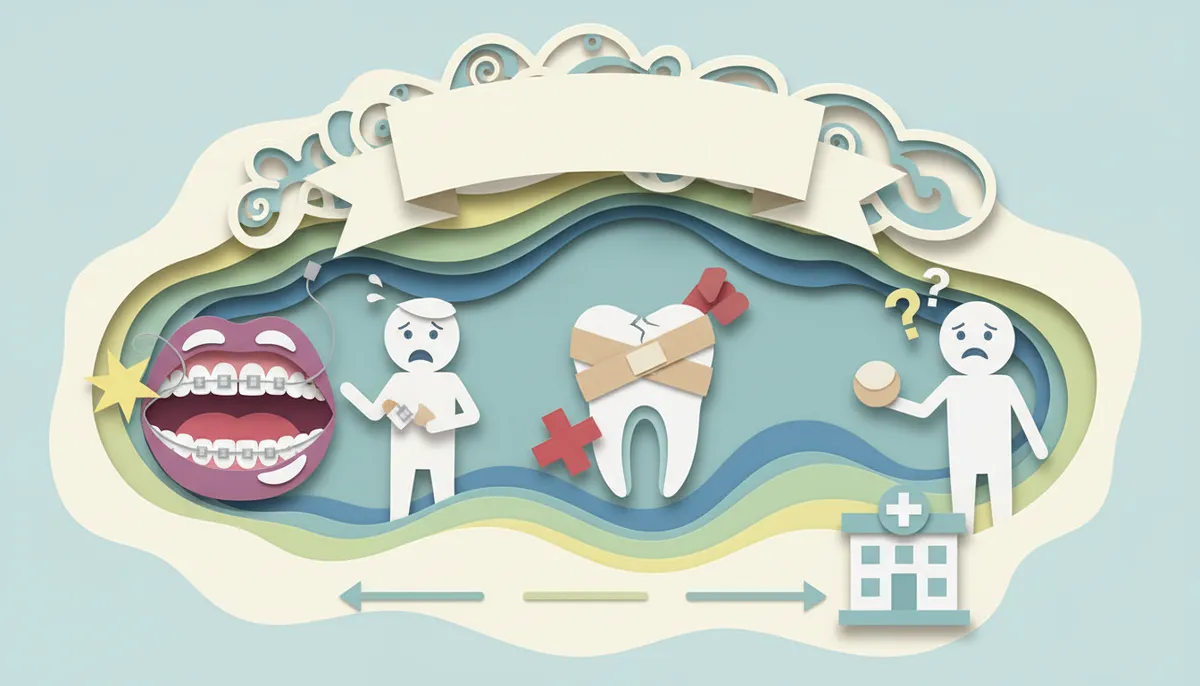
Not every orthodontic issue requires immediate attention. Understanding the difference between a true emergency and a minor inconvenience can help you respond appropriately. A real orthodontic emergency involves severe pain, significant damage to your braces, or injury to your mouth, teeth, or jaw that could affect your oral health or treatment progress.
True emergencies include situations where a wire has broken and is piercing your cheek or gums, causing bleeding. Severe tooth pain that doesn’t respond to over-the-counter pain relievers could signal an infection or other serious problem. Trauma to your face or mouth that results in knocked-out teeth, severe bleeding, or jaw injury definitely requires immediate professional care. If an appliance breaks completely and you can’t remove it safely, that’s also an emergency situation.
On the other hand, some situations feel urgent but can usually wait until regular office hours. A loose bracket that’s still attached to the wire is annoying but not dangerous. Minor discomfort after an adjustment is normal and expected. A poking wire that you can temporarily cover with orthodontic wax is uncomfortable but manageable. Even a lost elastic tie or separator typically doesn’t require emergency care, though you should call your orthodontist during business hours to schedule a repair appointment.
Common Orthodontic Problems That Need Quick Attention
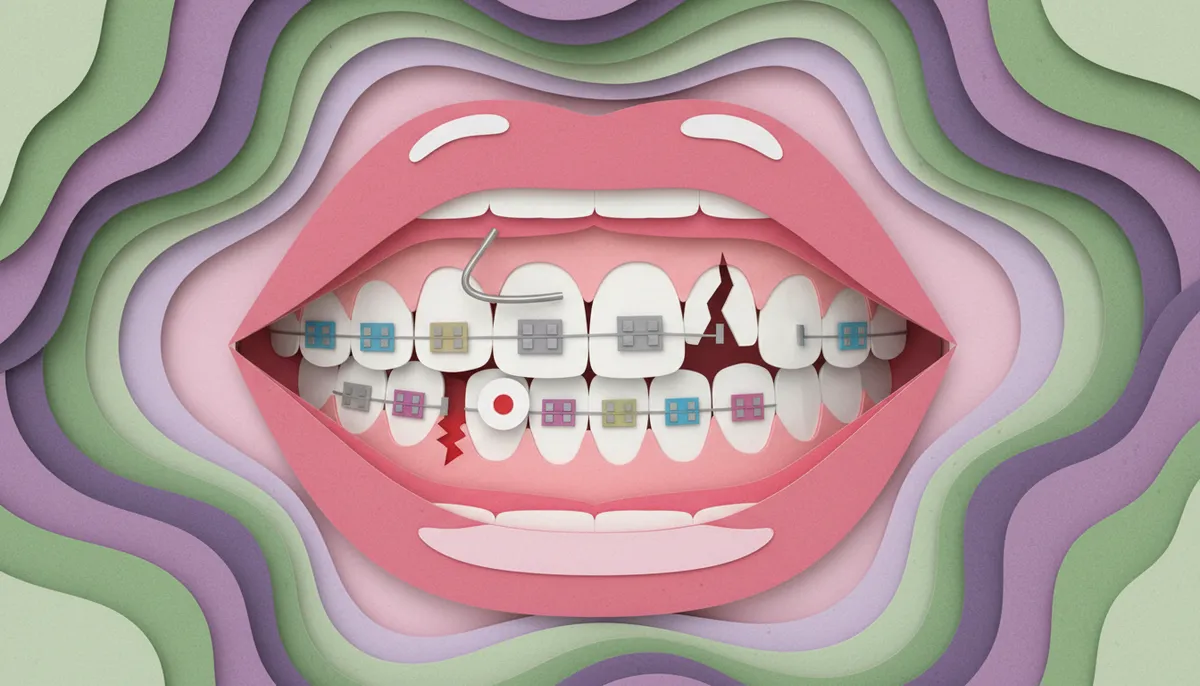
Several orthodontic issues come up frequently and benefit from prompt care. Knowing what these are helps you recognize when to take action. Here are the most common problems that require quick attention:
Broken or Loose Brackets
Brackets are the small metal or ceramic squares bonded to each tooth. They can break loose from eating hard or sticky foods, or from impact during sports or accidents. If a bracket breaks completely off, save it and bring it to your appointment. If it’s still attached to the wire but loose, leave it in place and cover any sharp edges with orthodontic wax. Contact your orthodontist to schedule a repair visit within a few days. A loose bracket won’t move your teeth properly, which can delay your treatment progress.
Protruding or Broken Wires
Wires can shift out of position or break, creating sharp edges that poke your cheeks, gums, or tongue. This is one of the most uncomfortable orthodontic problems. If a wire is poking you, try using the eraser end of a pencil to gently push it back into a more comfortable position. Cover the sharp end with orthodontic wax to protect your soft tissues. If the wire is severely broken or you can’t make it comfortable, call your orthodontist right away. Don’t try to cut the wire yourself unless your orthodontist instructs you to do so, as you might accidentally inhale or swallow the piece.
Lost or Broken Rubber Bands or Ties
The tiny elastic ties that hold wires to brackets can break or fall off. While this isn’t painful, it affects how your braces work. If you lose one, your teeth won’t move as planned in that area. Rubber bands that connect your upper and lower jaws are critical for bite correction. If these break, replace them immediately with the extras your orthodontist provided. If you’ve run out, call the office to get more. Missing these components even for a few days can slow down your treatment.
Mouth Sores and Irritation
Your mouth needs time to adjust to braces. It’s normal to develop sores or irritation, especially during the first week after getting braces or after adjustments. Rinse your mouth with warm salt water several times a day to promote healing. Apply orthodontic wax over any brackets or wires that are rubbing. Use over-the-counter oral pain relief gels if needed. If sores don’t improve after a week or become infected (red, swollen, oozing), contact your orthodontist. Check out our Instagram page for helpful tips on managing orthodontic discomfort.
Step-by-Step Guide to Handling Orthodontic Emergencies at Home
When an orthodontic problem happens, taking the right steps immediately can reduce pain and prevent further damage. Here’s what to do:
- Stay Calm and Assess the Situation: Take a deep breath and carefully examine what’s wrong. Use a mirror and good lighting to see the problem clearly. Determine whether you’re dealing with broken hardware, a poking wire, loose appliances, or injury to your mouth tissues.
- Address Any Bleeding or Injury First: If there’s bleeding, rinse your mouth with clean water and apply gentle pressure with gauze or a clean cloth. Ice can reduce swelling from trauma. If bleeding doesn’t stop within 10 minutes or if there’s severe trauma, seek medical attention immediately.
- Make Temporary Repairs When Safe: Use orthodontic wax to cover sharp wires or brackets that are causing discomfort. If a bracket is loose but still on the wire, leave it in place and cover it with wax. You can gently reposition a poking wire using the eraser end of a pencil or a clean cotton swab.
- Manage Pain and Discomfort: Take over-the-counter pain relievers like ibuprofen or acetaminophen according to package directions. Rinse with warm salt water (one teaspoon of salt in eight ounces of warm water) to soothe irritated tissues. Apply ice packs to the outside of your face for 15 minutes at a time if you have swelling.
- Contact Your Orthodontist: Call your orthodontist’s office as soon as possible. Describe the problem clearly so they can determine whether you need an emergency appointment or if it can wait until regular hours. Many orthodontic offices have emergency contact information for after-hours situations.
Essential Items for Your Orthodontic Emergency Kit
Being prepared makes handling orthodontic problems much easier. Keep these supplies on hand at home and in your bag when you travel:
- Orthodontic Wax: This soft, pliable wax covers sharp edges and protects your mouth from irritation. Your orthodontist should provide this, but you can also buy it at most pharmacies.
- Dental Floss and Floss Threaders: These help you clean around your braces and remove food stuck in your wires, which can cause discomfort.
- Pain Relievers: Keep ibuprofen or acetaminophen handy for managing discomfort after adjustments or minor emergencies.
- Salt: For making salt water rinses that promote healing and reduce inflammation.
- Small Mirror: A compact mirror helps you see problems clearly and make temporary fixes.
- Orthodontist’s Contact Information: Keep your orthodontist’s phone number, emergency contact, and office hours easily accessible in your phone and written down at home.
- Cotton Swabs or Pencil with Eraser: Useful for gently repositioning wires that have shifted out of place.
When to Call Your Orthodontist Immediately
Some situations require professional attention right away. Don’t wait if you experience any of these problems:
- Severe, Persistent Pain: Pain that doesn’t improve with over-the-counter medication or that keeps getting worse could indicate infection, a damaged tooth, or other serious problems.
- Significant Mouth or Facial Trauma: Any accident that impacts your face, jaw, or teeth needs immediate evaluation to prevent long-term damage.
- Wire Piercing Soft Tissue: If a wire is actively cutting into your cheek, gums, or tongue and you can’t make it safe with wax, you need same-day care.
- Infection Signs: Swelling, fever, pus, or severe redness around your teeth or gums suggests infection that requires prompt treatment.
- Broken Appliance You Can’t Remove: If a permanent appliance like an expander breaks and creates a choking hazard or severe discomfort, seek immediate help.
- Knocked-Out Permanent Tooth: This is a dental emergency that requires immediate attention. Keep the tooth moist in milk or saliva and get to a dentist or emergency room within 30 minutes if possible.
The team at Segovia Orthodontics prioritizes emergency cases and can often see patients the same day for urgent problems. Don’t hesitate to request an appointment if you’re unsure whether your situation requires immediate care. It’s always better to ask than to wait and risk complications.
How to Prevent Common Orthodontic Emergencies
Many orthodontic emergencies are preventable with proper care and attention. Following these guidelines significantly reduces your risk of problems:
Watch What You Eat
Food choices matter tremendously when you have braces. Avoid hard foods like nuts, hard candy, ice, popcorn kernels, and hard pretzels that can break brackets. Stay away from sticky foods like caramel, taffy, gummy candies, and chewing gum that can pull brackets off or get stuck in your wires. Cut hard fruits and vegetables into small pieces instead of biting into them directly. Choose softer options like pasta, yogurt, soft bread, eggs, and cooked vegetables during your treatment.
Protect Your Braces During Activities
Sports and physical activities increase your risk of mouth injuries. Always wear a mouthguard designed for braces when playing contact sports or doing activities where you might fall or get hit in the face. Your orthodontist can provide a special mouthguard that fits over your braces. Never use a regular mouthguard, as it won’t fit properly and could damage your braces. Even non-contact activities like skateboarding, biking, or gymnastics benefit from mouthguard protection.
Follow Your Orthodontist’s Instructions
Your orthodontist gives specific care instructions for a reason. Wear your rubber bands exactly as prescribed—skipping them or wearing them inconsistently can actually increase treatment time and create problems. Brush and floss carefully around your braces to prevent decay and gum disease. Attend all scheduled adjustment appointments so your orthodontist can monitor your progress and fix small problems before they become emergencies. Learn more about caring for your braces properly.
Don’t Try DIY Fixes
Resist the urge to adjust your braces yourself. Never try to bend wires, remove brackets, or make major adjustments without professional guidance. While temporary fixes like applying wax are fine, attempting to repair or modify your braces can cause serious damage to your teeth and treatment plan. If something doesn’t feel right, contact your orthodontist instead of trying to fix it yourself.
Special Considerations for Different Types of Orthodontic Treatment
Emergency care varies depending on what type of orthodontic treatment you’re using. Here’s what you need to know for different treatment options:
Traditional Metal Braces
Metal braces have the most components that can break or shift. The brackets, wires, and elastic ties all require careful monitoring. If you have metal braces, check different types of braces to understand how yours work. Most emergencies involve loose brackets or protruding wires. Keep orthodontic wax with you always and know how to apply it properly. Metal braces are durable, but they still need protection from hard impacts and foods.
Clear Braces and Ceramic Braces
Clear or ceramic braces work similarly to metal braces but use tooth-colored or clear brackets. These brackets are slightly more fragile than metal ones, so extra care is important. The same emergency protocols apply, but be especially gentle when eating and avoid foods that stain, as discolored brackets are noticeable. If a ceramic bracket breaks, the pieces can be sharp, so handle them carefully and save them for your orthodontist.
Clear Aligners
Clear aligner emergencies look different from traditional braces problems. Common issues include lost aligners, cracked trays, or severe discomfort. If you lose your current aligner, wear your previous set if possible while you contact your orthodontist. Never skip to the next set without professional guidance. If an aligner cracks but is still intact, you may be able to continue wearing it until your next scheduled change, but call your orthodontist to confirm. Learn more about clear aligner treatment and proper care.
Retainers
Retainer emergencies usually involve lost or broken retainers. If your retainer breaks, stop wearing it immediately to avoid mouth injury. Contact your orthodontist right away, as teeth can shift quickly without retention. If you lose your retainer, call the office the same day—your orthodontist may be able to make emergency appointments to prevent shifting. Never go without your retainer for more than a day or two if possible. Read about orthodontic retainers and their importance in maintaining your results.
What to Expect During an Emergency Orthodontic Appointment
If you need emergency orthodontic care, knowing what to expect can reduce anxiety. When you arrive at the office, the staff will assess your situation immediately. For serious problems, you’ll be seen right away. For less urgent issues, you might wait a short time if the orthodontist is with another emergency patient.
Your orthodontist will examine the problem carefully and explain what needs to be done. Most repairs are quick and painless. Replacing a bracket usually takes just a few minutes. Cutting and repositioning a protruding wire is fast and provides immediate relief. If you’re in pain, the orthodontist may adjust your appliances to reduce pressure or provide recommendations for pain management.
The appointment typically includes checking your overall treatment progress to ensure the emergency hasn’t affected your timeline. Your orthodontist will give specific instructions for preventing similar problems in the future. You’ll leave with temporary supplies like orthodontic wax and clear guidance on what to do if another problem occurs.
Dr. Flor Segovia at Segovia Orthodontics uses advanced orthodontic technology to make emergency repairs efficient and comfortable. The practice offers bilingual care in English and Spanish, ensuring clear communication during stressful situations. As a American Board of Orthodontics certified orthodontist, Dr. Segovia has extensive training in handling all types of orthodontic emergencies.
Managing Orthodontic Emergencies for Children and Teens
Children and teens face unique challenges with orthodontic emergencies. Young patients may feel scared or embarrassed about broken braces. Parents play a crucial role in staying calm and reassuring their child that orthodontic problems are fixable and common.
For early orthodontic treatment patients, emergencies might involve growth appliances like expanders. These devices can come loose or cause discomfort as they work. Teach your child to tell you immediately if something feels wrong rather than trying to hide it or fix it themselves.
Teenagers getting teen orthodontic treatment often have busier schedules and more independence. Make sure your teen knows how to reach you or the orthodontist if a problem happens at school or during activities. Keep an emergency kit in their backpack with wax, pain relievers, and contact information. Remind them that calling about a problem is always better than waiting and hoping it goes away.
School nurses can help with minor orthodontic issues if you provide them with supplies and instructions. Send orthodontic wax and your orthodontist’s contact information to school at the beginning of the year. Many teens feel self-conscious about orthodontic problems, so maintaining open communication helps them feel supported rather than judged.
Cost Considerations for Emergency Orthodontic Care
One common worry about orthodontic emergencies is cost. The good news is that most orthodontic practices include emergency visits and repairs in your overall treatment cost. Broken brackets, loose wires, and other typical problems that happen during normal treatment usually don’t cost extra.
However, problems caused by not following care instructions might incur additional fees. For example, repeatedly breaking brackets by eating prohibited foods or losing multiple sets of clear aligners due to carelessness could result in charges. Always clarify your orthodontist’s emergency policy and any potential extra costs at your initial consultation.
Segovia Orthodontics offers flexible orthodontic financing options to make treatment affordable. This includes coverage for typical emergencies and repairs. The practice works with families to ensure cost never prevents necessary care. If you have questions about coverage for a specific emergency, the office staff can explain your options clearly.
Insurance coverage for orthodontic emergencies varies by plan. Most dental insurance that covers orthodontics includes emergency care as part of the overall benefit. However, if you haven’t started orthodontic treatment yet and experience trauma requiring emergency intervention, your medical insurance might cover the visit instead. Always check with both your dental and medical insurance providers to understand your coverage.
Long-Term Impact of Orthodontic Emergencies on Treatment
Most orthodontic emergencies, when addressed promptly, don’t significantly affect your overall treatment timeline. A broken bracket repaired within a few days typically won’t delay your finish date. However, repeated emergencies or delayed repairs can extend treatment time.
Each time a bracket breaks or comes loose, the teeth in that area aren’t moving as planned. If repairs aren’t made quickly, teeth can shift back toward their original positions. This means your orthodontist may need to repeat certain stages of treatment, adding weeks or months to your timeline.
Proper emergency care also protects your oral health beyond just straightening teeth. Untreated broken braces can cause tooth damage, gum problems, or soft tissue injuries that require additional dental work. Taking orthodontic emergencies seriously preserves both your treatment progress and your overall dental health.
The key to minimizing long-term impact is quick action. Contact your orthodontist as soon as a problem occurs. Follow temporary care instructions until you can get professional help. Attend your emergency appointment promptly. These simple steps keep your treatment on track and protect your investment in your smile. Understanding common orthodontic problems helps you recognize issues early before they become bigger concerns.
Questions to Ask Your Orthodontist About Emergency Care
During your first orthodontic visit, make sure to discuss emergency protocols. Here are important questions to ask:
- What is your emergency contact procedure? Know exactly how to reach the office after hours, on weekends, and during holidays.
- Which problems require immediate attention versus what can wait? Understanding this helps you respond appropriately to different situations.
- Do you charge extra for emergency visits and repairs? Clarify the financial aspect so there are no surprises.
- What should I keep in my emergency kit? Your orthodontist can provide specific recommendations based on your treatment type.
- How quickly can you typically see emergency patients? This helps set expectations if a problem occurs.
- What temporary measures can I safely do at home? Clear instructions empower you to provide immediate relief while waiting for professional care.
Don’t hesitate to check out more information on the our Facebook page where Segovia Orthodontics shares helpful tips and answers common questions about orthodontic care and emergencies.
Conclusion: Stay Prepared and Know When to Seek Help
Orthodontic emergencies happen, but they don’t have to derail your treatment or cause excessive stress. By understanding what counts as a true emergency, keeping proper supplies on hand, and knowing how to contact your orthodontist quickly, you can handle any situation with confidence. Remember that most orthodontic problems are fixable, and prompt action prevents complications.
The most important things to remember are staying calm, addressing immediate pain or injury, making safe temporary fixes, and contacting your orthodontist as soon as possible. Never ignore orthodontic problems or wait too long to seek help. What seems minor can quickly become more serious if left untreated.
At Segovia Orthodontics in Lakewood Ranch, FL, Dr. Flor Segovia and her team are committed to providing exceptional emergency care when you need it most. Whether you’re dealing with broken braces, a poking wire, or any other orthodontic concern, help is just a phone call away. The practice prioritizes patient comfort and works efficiently to resolve problems quickly. Visit us on Visit us on Google to read reviews from satisfied patients who appreciate the caring, responsive emergency care they received.
Don’t let fear of emergencies prevent you or your family from getting the orthodontic treatment you need. With proper knowledge and a trusted orthodontist who provides excellent emergency care, you can pursue that perfect smile with confidence. If you’re experiencing an orthodontic emergency or have questions about emergency protocols, give us a call at 941-557-1333 for immediate assistance. Your smile journey should be smooth and successful, and we’re here to support you every step of the way.
FAQs
Q: What is considered a true orthodontic emergency?
A: A true orthodontic emergency involves severe pain that doesn’t improve with medication, significant trauma to your mouth or teeth, a wire piercing your cheek or gums causing bleeding, signs of infection like swelling and fever, or a broken appliance creating a safety hazard. Minor issues like loose brackets or slight discomfort can usually wait until regular office hours, though you should still contact your orthodontist for guidance.
Q: Can I cut a poking wire myself at home?
A: You should avoid cutting wires yourself unless your orthodontist specifically instructs you to do so. Instead, try gently repositioning the wire with a pencil eraser or cotton swab, then cover the sharp end with orthodontic wax for protection. Cutting wires without guidance can result in swallowing or inhaling small pieces, and you might cut the wrong part of the wire, making the problem worse.
Q: Will emergency orthodontic visits cost extra?
A: Most orthodontic practices include routine emergency visits and repairs in your overall treatment cost, so typical problems like broken brackets or loose wires during normal treatment usually don’t cost extra. However, repeated problems caused by not following care instructions (like eating prohibited foods) might result in additional charges. It’s best to clarify your orthodontist’s specific emergency policy during your initial consultation.
Q: How quickly do I need to see my orthodontist for a broken bracket?
A: While a broken bracket isn’t usually a same-day emergency, you should schedule a repair appointment within a few days. If the bracket is still attached to the wire, leave it in place and cover any sharp edges with orthodontic wax. A loose or broken bracket prevents proper tooth movement in that area, and delaying repairs for more than a week can slow your treatment progress.
Q: What should I do if my child breaks their braces at school?
A: Stay calm and reassure your child that orthodontic problems are common and fixable. Have them cover any sharp edges with orthodontic wax from their emergency kit, which should be kept in their backpack. Contact your orthodontist’s office to schedule a repair appointment. If there’s severe pain, bleeding that won’t stop, or injury to the mouth, pick up your child and seek immediate care. School nurses can also help with minor issues if you’ve provided them with supplies and instructions ahead of time.
Our Service Area