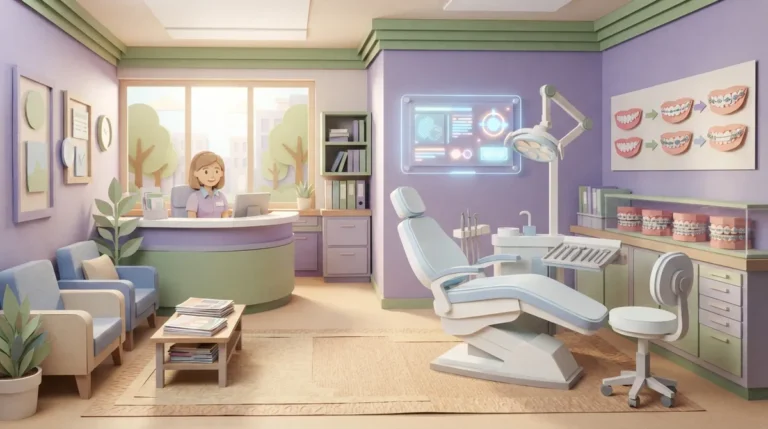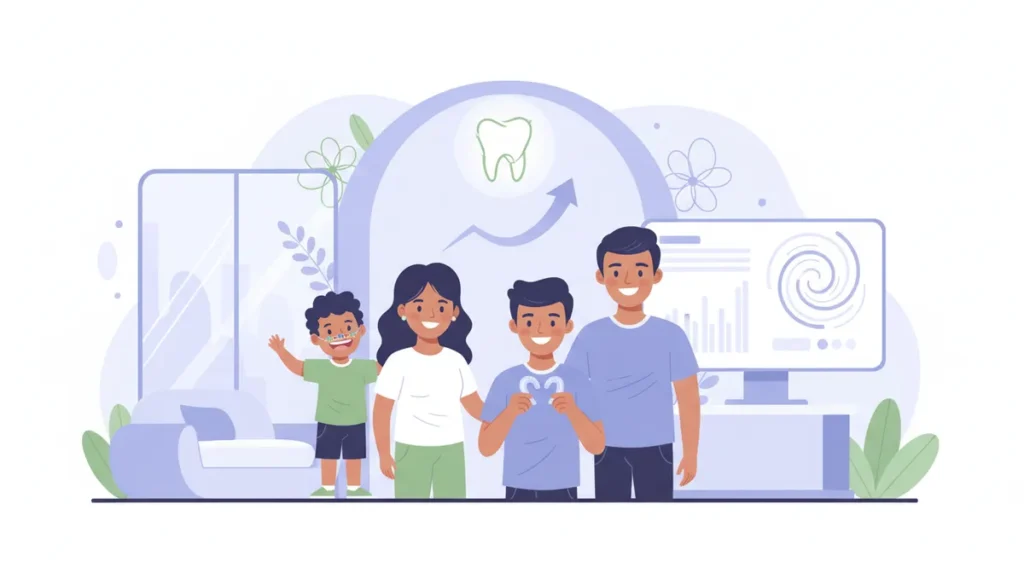
Finding quality orthodontic care for your entire family can feel overwhelming. Between coordinating multiple schedules, driving to different offices, and managing various treatment plans, many families struggle to keep everyone’s smile health on track. That’s where family orthodontic care changes everything.
Family orthodontic care means one practice handles smile solutions for everyone in your household. Whether your seven-year-old needs early treatment, your teenager wants clear aligners, or you’re finally addressing that crooked tooth, everyone receives personalized care at the same convenient location. This approach saves time, reduces stress, and creates better results for your entire family.
This guide explores how family orthodontic care works, what treatments are available for different ages, and why choosing a family-focused orthodontist makes life easier. You’ll learn practical tips for managing multiple family members’ treatments and discover how modern orthodontics creates beautiful smiles at any age.
What Makes Family Orthodontic Care Different
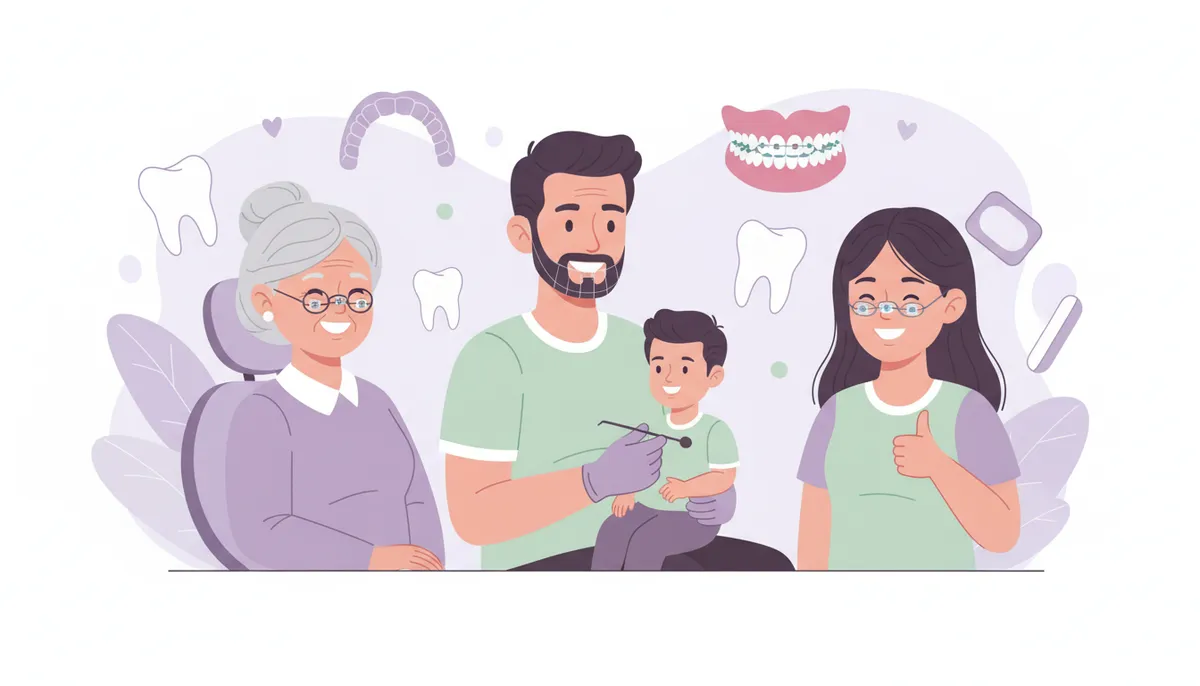
Family orthodontic care goes beyond just treating multiple age groups. It’s a complete approach that recognizes each family member has unique needs, schedules, and smile goals. The practice becomes a trusted partner in your family’s long-term oral health journey.
Unlike general dental offices that might offer limited orthodontic services, a dedicated family orthodontic practice specializes exclusively in straightening teeth and correcting bite problems. This focused expertise means better treatment outcomes for everyone from young children to grandparents.
The biggest advantage is convenience. Instead of juggling appointments at different locations, you schedule everyone on the same day. Many families find this saves several hours each month. Plus, siblings often feel more comfortable attending appointments together, reducing anxiety about treatment.
Age-Specific Treatment Approaches
Family orthodontic practices customize care based on developmental stages. Children receive gentle guidance as their permanent teeth emerge. Teens get treatment options that fit their active lifestyles and social concerns. Adults enjoy discreet solutions that don’t interfere with professional life.
This specialized knowledge matters because a seven-year-old’s orthodontic needs differ dramatically from a thirty-five-year-old’s requirements. The timing, duration, and methods must match each person’s unique situation. Family orthodontists understand these differences and plan accordingly.
Early orthodontic treatment can prevent more serious problems later. By evaluating children around age seven, orthodontists identify issues while there’s still time for easier corrections. This proactive approach often means shorter, simpler treatment during the teenage years.
Treatment Options for Children
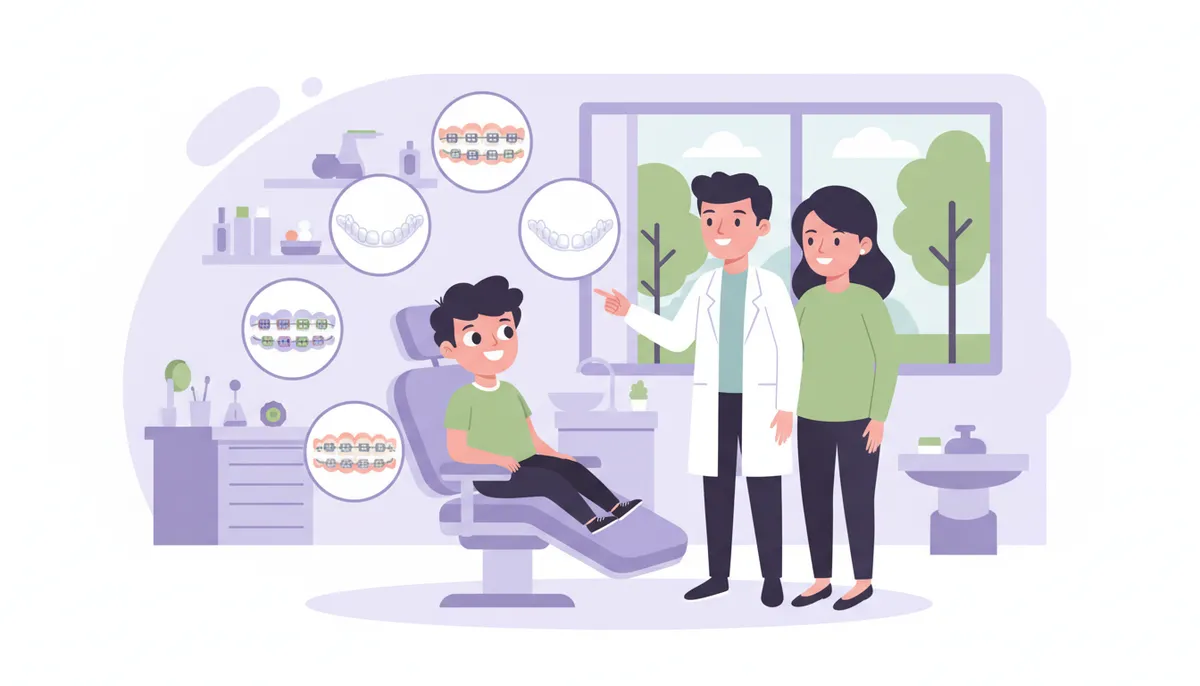
Young children benefit from interceptive orthodontics, which guides proper jaw growth and tooth development. These early treatments create space for permanent teeth and correct habits that could cause problems later. Most early treatment happens between ages seven and ten.
Common childhood orthodontic issues include:
- Crowded teeth that need space to grow properly
- Crossbites that affect jaw development
- Protruding front teeth vulnerable to injury
- Severe overbites or underbites
- Thumb sucking or tongue thrust habits
Early treatment doesn’t always mean full braces right away. Many children start with removable appliances or partial braces that address specific problems. These gentler approaches work with natural growth patterns to create better outcomes.
Making Treatment Fun for Kids
Modern family orthodontic practices make treatment enjoyable for young patients. Colorful bracket options, reward programs, and kid-friendly office environments help children feel excited about their appointments rather than anxious.
Many practices offer fun elements like colored rubber bands that children choose themselves. Some even provide special braces designs with shapes or characters. These small touches transform orthodontic care from a chore into something children actually look forward to.
Parents appreciate practices that communicate clearly with children at their level. When kids understand why they need treatment and what will happen, they cooperate better throughout the process. This partnership approach leads to smoother treatment and better results.
Orthodontic Solutions for Teenagers
The teenage years represent the most common time for orthodontic treatment. Permanent teeth have emerged, jaw growth continues, and the body responds well to tooth movement. Teen orthodontic treatment addresses both functional problems and aesthetic concerns.
Today’s teenagers have more treatment choices than ever before:
- Traditional metal braces with smaller, more comfortable brackets
- Clear ceramic braces that blend with tooth color
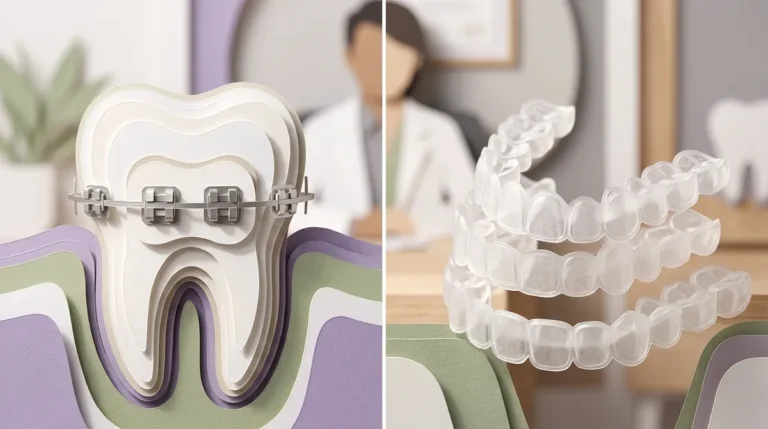
- Clear aligners for nearly invisible treatment
- Self-ligating braces that reduce adjustment appointments
- Customized bracket systems for faster results
Each option offers different advantages. Metal braces work fastest for complex cases. Clear aligners provide the discretion many teens want. Self-ligating systems often mean fewer office visits, which busy teenagers appreciate.
Managing Teen Treatment During Busy Lives
Teenagers juggle school, sports, activities, and social lives. Family orthodontic care accommodates these demanding schedules with flexible appointment times, including after-school and weekend options. This flexibility helps teens stay on track without missing important events.
Sports participation doesn’t stop during orthodontic treatment. Custom mouthguards protect braces and teeth during contact sports. Many teens continue playing their favorite sports throughout treatment without interruption.
Social concerns matter deeply to teenagers. Modern types of braces address these worries with more discreet options than previous generations had. Whether choosing clear brackets or removable aligners, teens can feel confident about their appearance during treatment.
Adult Orthodontics in Family Practices
More adults than ever seek orthodontic treatment, and family practices welcome them. Whether addressing childhood issues that were never treated or correcting teeth that shifted over time, adult orthodontics creates stunning smile transformations at any age.
Adults choose orthodontic treatment for various reasons. Some want to fix long-standing cosmetic concerns before important life events. Others need to correct bite problems causing jaw pain or tooth wear. Many simply decide it’s finally their turn to invest in the smile they’ve always wanted.
Treatment timelines for adults vary based on complexity. Simple alignment issues might resolve in six to twelve months. More involved cases could take eighteen to twenty-four months. Modern technology has significantly shortened treatment times compared to older methods.
Discreet Options for Professional Adults
Career-focused adults often worry about how braces might affect their professional image. Clear aligners solve this concern by providing nearly invisible treatment that doesn’t impact workplace confidence.
Clear aligner systems use a series of custom-made, removable trays that gradually shift teeth into position. Adults remove them for important meetings, meals, and photos. This flexibility fits seamlessly into professional and social lives.
Even when traditional braces work better for certain cases, clear ceramic brackets offer a more subtle appearance than metal. These tooth-colored options blend naturally, making treatment far less noticeable during daily interactions.
The Family Appointment Advantage
Scheduling multiple family members on the same day creates incredible time savings. Instead of three separate trips to the orthodontist, everyone goes together. This consolidated approach means less time away from work, school, and other activities.
Here’s how family appointment scheduling typically works:
- Call the office to coordinate available time slots for all family members
- Schedule back-to-back or simultaneous appointments based on treatment needs
- Arrive together and check in as a family
- Each person receives their individual treatment while others wait in the comfortable reception area
- Leave together after all appointments complete
Many families find this approach also saves money on transportation costs. One trip uses less gas than multiple visits. Plus, parents don’t need to take as much time off work when appointments happen together.
Siblings often provide moral support during appointments. Younger children feel braver watching older siblings go first. Teenagers appreciate having family members nearby during adjustment appointments. This emotional support strengthens the entire treatment experience.
Building Long-Term Relationships
Family orthodontic care creates lasting relationships between your family and the orthodontic team. Over months or years of treatment, the staff gets to know each family member personally. They understand your concerns, preferences, and communication styles.
This familiarity leads to better care. The orthodontist notices subtle changes and can adjust treatment plans proactively. Staff members remember important details about each family member’s life, making every visit feel more personal and less clinical.
Many families continue returning to their orthodontist for retention check-ups and future needs. When a practice treats multiple generations, that trust and relationship becomes a valuable part of your family’s healthcare team.
Understanding Treatment Timelines for Different Ages
Treatment duration varies significantly based on age, complexity, and individual response. Understanding typical timelines helps families plan and set realistic expectations for each member’s orthodontic journey.
| Age Group | Typical Treatment Duration | Common Treatment Types |
|---|---|---|
| Children (7-10 years) | 6-12 months for Phase 1 | Expanders, partial braces, habit appliances |
| Teens (11-18 years) | 12-24 months | Full braces, clear aligners, comprehensive treatment |
| Adults (18+ years) | 6-24 months | Clear aligners, ceramic braces, traditional braces |
| Adult Relapse Patients | 3-12 months | Quick refinement with aligners or short-term braces |
These timelines represent averages, and your orthodontist provides personalized estimates during consultation. Some cases finish faster, while complex situations might take longer. Regular appointments and following care instructions help ensure treatment stays on schedule.
The good news is that modern orthodontic techniques have dramatically reduced treatment times. Advanced materials and technology mean many patients finish treatment several months faster than they would have with older methods.
Cost Considerations and Financial Flexibility
Family orthodontic care often provides financial advantages compared to treating family members at different practices. Many orthodontists offer family discounts when multiple people undergo treatment simultaneously. These savings can add up to hundreds or even thousands of dollars.
Typical family orthodontic costs include:
- Initial consultation and examination fees
- Diagnostic records (X-rays, photos, impressions)
- Treatment appliances (braces, aligners, retainers)
- Monthly adjustment appointments
- Retention phase after active treatment
Most family orthodontic practices understand that treating multiple family members represents a significant investment. They offer flexible payment plans that spread costs over the treatment duration. Many families find monthly payments fit more comfortably into household budgets than lump-sum payments.
Insurance coverage varies by plan, but many policies provide orthodontic benefits for children and sometimes adults. The orthodontic office typically helps families maximize insurance benefits and coordinates payment for any remaining balance.
Financing Options That Work for Families
Modern orthodontic practices offer various financing solutions. Interest-free payment plans let families divide treatment costs into manageable monthly amounts. Some practices work with third-party financing companies that provide extended payment terms.
Health savings accounts (HSAs) and flexible spending accounts (FSAs) can help pay for orthodontic treatment with pre-tax dollars. This approach reduces the effective cost and makes treatment more affordable. Your orthodontic office can provide documentation needed for these accounts.
For families facing financial constraints, discussing options openly with the orthodontist often reveals creative solutions. Some practices offer different treatment approaches at various price points, allowing families to choose what fits their budget while still achieving excellent results.
Choosing the Right Family Orthodontic Practice
Selecting where your family receives orthodontic care requires careful consideration. The right practice combines clinical excellence with a welcoming environment that makes every family member feel comfortable and valued.
Key factors to evaluate include:
- Board certification and professional credentials of the orthodontist
- Experience treating patients across all age groups
- Modern technology and advanced treatment options
- Convenient location and appointment availability
- Transparent pricing and flexible payment plans
- Positive reviews and testimonials from other families
Schedule consultations at practices you’re considering. This visit reveals how the staff interacts with your family and whether the environment feels right. Trust your instincts about where your family will receive the best care and feel most comfortable.
Ask about the orthodontist’s approach to family care specifically. How do they coordinate multiple family members’ treatments? What systems ensure each person receives individualized attention? These questions reveal whether the practice truly specializes in family orthodontics.
The Importance of Board Certification
Board certification represents the highest level of orthodontic expertise. Orthodontists who earn this distinction complete rigorous additional training and examination beyond dental school and orthodontic residency. This certification demonstrates a commitment to excellence in orthodontic care.
The American Board of Orthodontics sets strict standards for certification. Only orthodontists who demonstrate superior knowledge, skill, and clinical judgment earn this designation. When choosing a family orthodontist, board certification provides confidence in their expertise.
At Segovia Orthodontics, Dr. Flor Segovia brings board-certified expertise to family orthodontic care. Her advanced training and bilingual capabilities ensure every family member receives exceptional treatment in a comfortable, welcoming environment.
Technology That Improves Family Orthodontic Care
Modern orthodontic technology transforms the treatment experience for families. Digital tools create more accurate diagnoses, faster treatment, and greater comfort throughout the process. These advances benefit patients of all ages.
Advanced technologies in family orthodontics include:
- Digital scanning that eliminates messy impression materials
- 3D treatment planning that shows predicted results before starting
- Custom bracket systems designed specifically for each patient
- Accelerated treatment options that reduce overall time
- Digital monitoring between appointments for aligner patients
- Precision diagnostics using cone beam imaging when needed
Digital scanners make the treatment start much more pleasant, especially for children who might gag on traditional impression materials. The scanner creates a perfect 3D model of teeth in minutes without any discomfort.
Custom bracket systems represent a significant advancement in orthodontic care. These brackets are designed specifically for each tooth’s unique anatomy, creating more efficient tooth movement and often shorter treatment times. Families appreciate anything that helps treatment finish faster.
Virtual Monitoring and Reduced Office Visits
Some family orthodontic practices offer virtual monitoring between regular appointments. Patients take photos or scans at home using a smartphone app, and the orthodontist reviews progress remotely. This technology reduces the number of in-office appointments needed.
Virtual monitoring works especially well for clear aligner patients and those in the final stages of treatment. Busy families save time while still receiving close oversight of treatment progress. When issues arise, the orthodontist identifies them early and schedules an in-office visit if needed.
This technology doesn’t replace in-person care but supplements it intelligently. Families still attend important adjustment appointments but can skip some check-ups that only verify everything is progressing normally. The result is more efficient care that respects everyone’s time.
Maintaining Results After Treatment
Completing active orthodontic treatment is exciting, but maintaining those beautiful results requires ongoing retention care. Every family member who finishes treatment needs retainers to keep teeth in their new positions while surrounding bone and tissues stabilize.
Retention typically involves:
- Wearing retainers full-time initially (usually 3-6 months)
- Transitioning to nighttime-only wear
- Attending periodic retention check-ups
- Replacing retainers as needed over time
- Continuing good oral hygiene habits
Many orthodontists recommend lifelong nighttime retainer wear to ensure teeth remain straight. This small commitment protects the investment your family made in beautiful smiles. Retainers become part of the bedtime routine, just like brushing teeth.
Different orthodontic retainers suit different needs. Removable retainers offer convenience and easy cleaning. Fixed retainers bonded behind front teeth provide permanent retention for teeth most likely to shift. Your orthodontist recommends the best option for each family member.
Teaching Good Retention Habits
Children and teens especially need help establishing good retention habits. Parents can support success by helping younger family members remember to wear retainers, keeping them in protective cases when not in use, and scheduling regular check-ups.
Creating a retainer care routine prevents common problems like lost or damaged retainers. Establishing a specific place to store retainers when removed for meals helps prevent accidental disposal. Many families keep retainer cases in the same spot to build consistent habits.
When multiple family members have retainers, everyone can support each other. Siblings remind each other to wear retainers at bedtime. Parents model good habits if they have retainers too. This family approach to retention care improves compliance and protects everyone’s results.
Creating Positive Orthodontic Experiences
The emotional aspects of family orthodontic care matter as much as the clinical outcomes. Practices that create positive, supportive environments help every family member feel comfortable and confident throughout treatment.
Elements of a positive orthodontic experience include:
- Friendly, welcoming staff who remember patients’ names
- Comfortable office environment with amenities for all ages
- Clear communication about what to expect at each stage
- Celebrating milestones like getting braces off
- Addressing concerns promptly and compassionately
- Making each family member feel heard and valued
Children who have positive early orthodontic experiences grow into teens and adults with healthy attitudes toward dental care. This foundation of trust and comfort benefits their oral health for life. Family orthodontic practices understand this long-term impact.
You can stay connected with your orthodontic practice between appointments through social media. Following our Facebook page and our Instagram page keeps your family informed about office updates, care tips, and community events.
Conclusion: Investing in Your Family’s Smile Health
Family orthodontic care represents more than just straightening teeth. It’s an investment in your family’s confidence, oral health, and overall wellbeing. When everyone in your household can receive expert orthodontic treatment at one convenient practice, life becomes simpler and smiles become brighter.
The benefits extend beyond the practical advantages of consolidated appointments and family discounts. Choosing a family orthodontist creates a trusted partnership that supports your family through different life stages. From early childhood interventions to adult smile makeovers, you have one expert team guiding every step.
Modern orthodontics offers remarkable solutions for every age group. Children benefit from early guidance that prevents complex problems. Teenagers get treatment options that fit their active lives. Adults finally achieve the smiles they’ve always wanted. All of this happens under one roof with personalized care for each family member.
Ready to explore how family orthodontic care can transform your family’s smiles? The team at Segovia Orthodontics welcomes families seeking expert, compassionate orthodontic treatment in a warm, bilingual environment. Request an appointment today to discover how convenient and rewarding family orthodontic care can be. You can also visit us on Google to see what other families are saying about their experiences.
FAQs
Q: At what age should my child have their first orthodontic evaluation?
A: The American Association of Orthodontists recommends children have their first orthodontic evaluation around age seven. At this age, the first permanent molars have usually erupted, allowing the orthodontist to assess jaw growth patterns and identify potential problems early. Early detection doesn’t always mean immediate treatment, but it allows the orthodontist to plan the best timing for any needed interventions.
Q: Can adults get braces or is orthodontic treatment only for children and teens?
A: Adults absolutely can and do get orthodontic treatment! There’s no age limit for achieving a healthier, more beautiful smile. Many adults choose clear aligners or ceramic braces for discreet treatment that fits their professional lives. Adult orthodontics addresses cosmetic concerns, bite problems, and teeth that have shifted over time, with excellent results at any age.
Q: How much does family orthodontic treatment typically cost?
A: Family orthodontic costs vary based on the complexity of each person’s treatment and the type of braces or aligners chosen. Many practices offer family discounts when treating multiple members, and flexible payment plans make treatment affordable by spreading costs over the treatment duration. During your consultation, the orthodontist provides personalized cost estimates and explains all financing options available to your family.
Q: Will my child need to miss a lot of school for orthodontic appointments?
A: Most family orthodontic practices offer flexible scheduling to minimize missed school time. Appointments typically occur every 4-8 weeks and last about 20-30 minutes. Many practices offer after-school and weekend appointment times specifically to accommodate students’ schedules. When multiple family members have appointments the same day, it becomes even more convenient.
Q: What happens if my family moves during orthodontic treatment?
A: If your family relocates during treatment, your orthodontist will help coordinate transfer of care to a qualified orthodontist in your new area. They’ll provide complete records including X-rays, photos, and treatment plans so the new orthodontist can continue treatment seamlessly. Many orthodontic practices are part of professional networks that facilitate smooth transfers when families move.
Our Service Area