Key Takeaways
-
Clear aligners work best for mild to moderate dental issues (1-6mm range) including crowding, gaps, and bite problems, but severe cases typically require traditional braces or extractions first.
-
Aligners are most effective when tooth position is the issue; if bite problems stem from jaw structure (skeletal discrepancy), braces or additional appliances may be necessary.
-
Treatment typically takes 12 months and costs $3,000-$7,000, with success heavily dependent on wearing aligners 20-22 hours daily as prescribed.
-
Custom retainers are essential after treatment completion to prevent relapse, as teeth naturally shift back over time without proper retention.
-
Aligners suit busy professionals, teens before events, and adults experiencing tooth relapse, offering discreet treatment that fits active lifestyles better than traditional braces.
-
A professional orthodontist evaluation is critical for case selection, as recent research shows aligners can treat most malocclusions in appropriate candidates with proper diagnosis.
So you’ve got a gap between your front teeth, or maybe your bite feels a little off when you chew. You’re wondering: can clear aligners actually fix this, or do you need old-school metal braces? You’re not alone. This is one of the most common questions we hear at our Lakewood Ranch office, and the answer depends on exactly what’s going on with your smile.
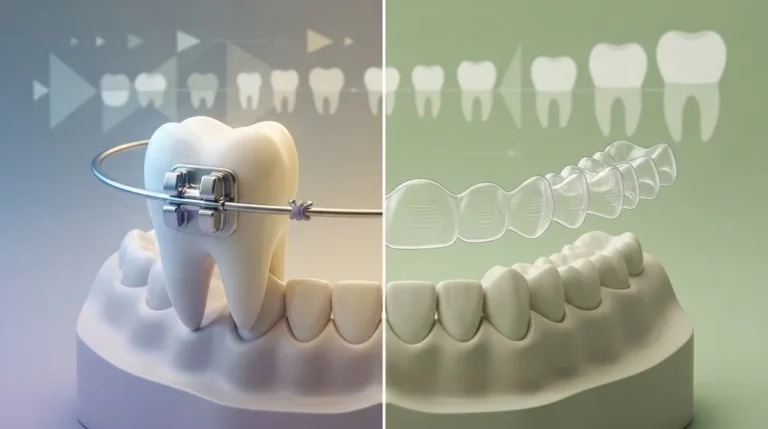
Here’s the good news. Clear aligners for specific dental issues have come a long way. Today’s aligner systems can treat everything from mild crowding to certain bite problems, often just as well as traditional braces. But aligners aren’t magic for every mouth. Knowing which option fits your specific issue can save you time, money, and a whole lot of frustration. Let’s break it down together, nice and simple.
What Dental Issues Can Aligners Actually Fix?
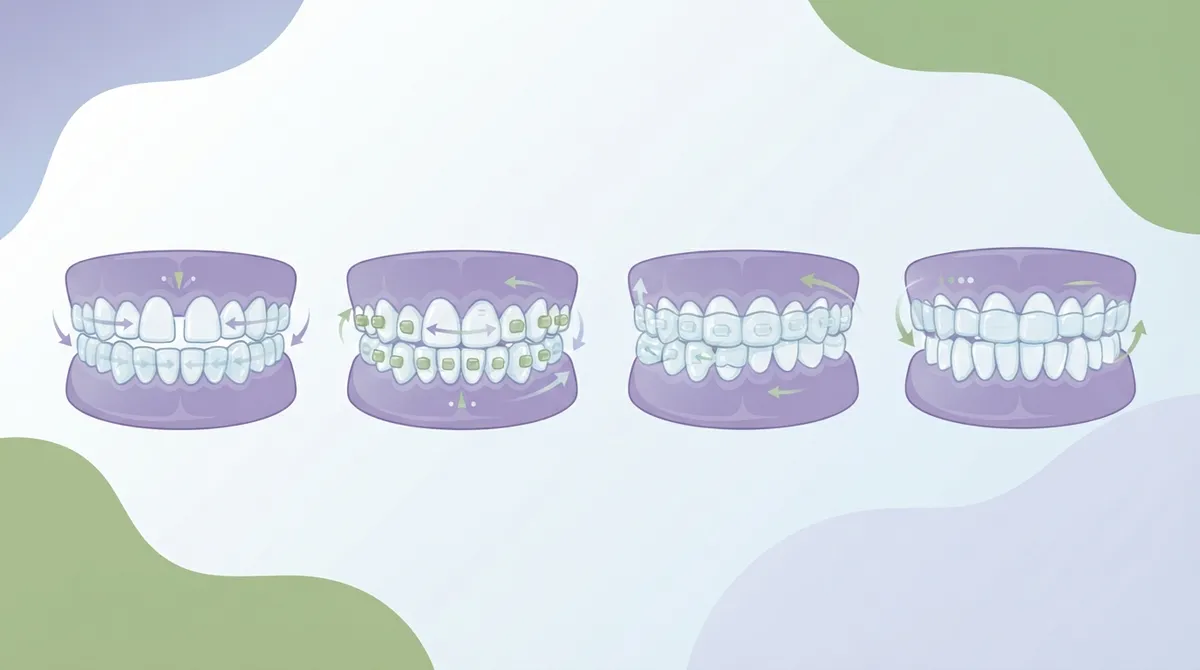
Clear aligners work by gently shifting your teeth using a series of custom, removable trays. Each tray moves your teeth a tiny bit closer to their final position. According to the American Association of Orthodontists, aligners commonly treat gapped teeth, crowded teeth, overbite, underbite, open bite, crooked teeth, and crossbite.
That’s a pretty long list! But there’s a catch. Aligners work best on mild to moderate cases. If your issue is more complex, your orthodontist might suggest a different plan. Let’s look at specific problems one by one.
Crowded Teeth
Crowding happens when there isn’t enough room in your jaw for all your teeth to line up straight. Aligners are especially convenient for mild to moderate crowding, typically in the 1 to 6 millimeter range. If your crowding is more severe, you may need extractions or fixed braces to create enough space first.
Gaps and Spacing Issues
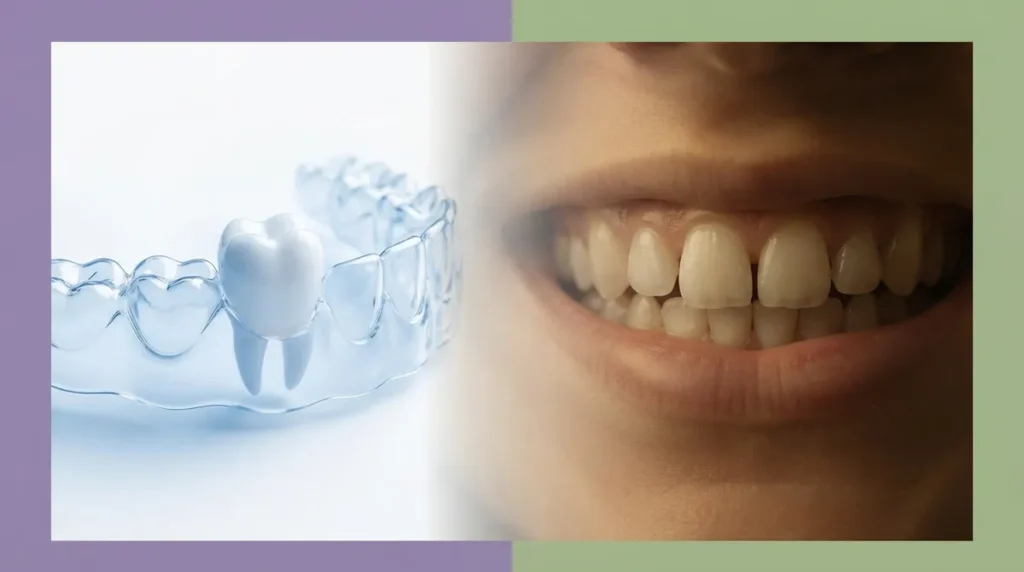
Got a noticeable gap between your teeth? This is called a diastema, and it’s one of the easiest issues for aligners to correct. Mild to moderate spacing, again in that 1 to 6 millimeter zone, responds really well to aligner trays because the movement needed is straightforward.
Overbite and Underbite
An overbite means your upper teeth stick out too far over your lower teeth. An underbite is the opposite, with your lower jaw jutting forward. Aligners can correct milder versions of both, especially when the issue comes from tooth position rather than a major jaw discrepancy. If your bite problem stems from your actual jawbone structure, you might need additional appliances alongside your aligners, or even traditional braces instead.
Open Bite and Crossbite
An open bite is when your front teeth don’t touch when you close your mouth. A crossbite happens when your upper and lower teeth don’t line up correctly on one or both sides. Both of these can often be treated with aligners, but success really depends on the root cause. A skeletal (jaw-related) open bite or crossbite may need more than trays alone.
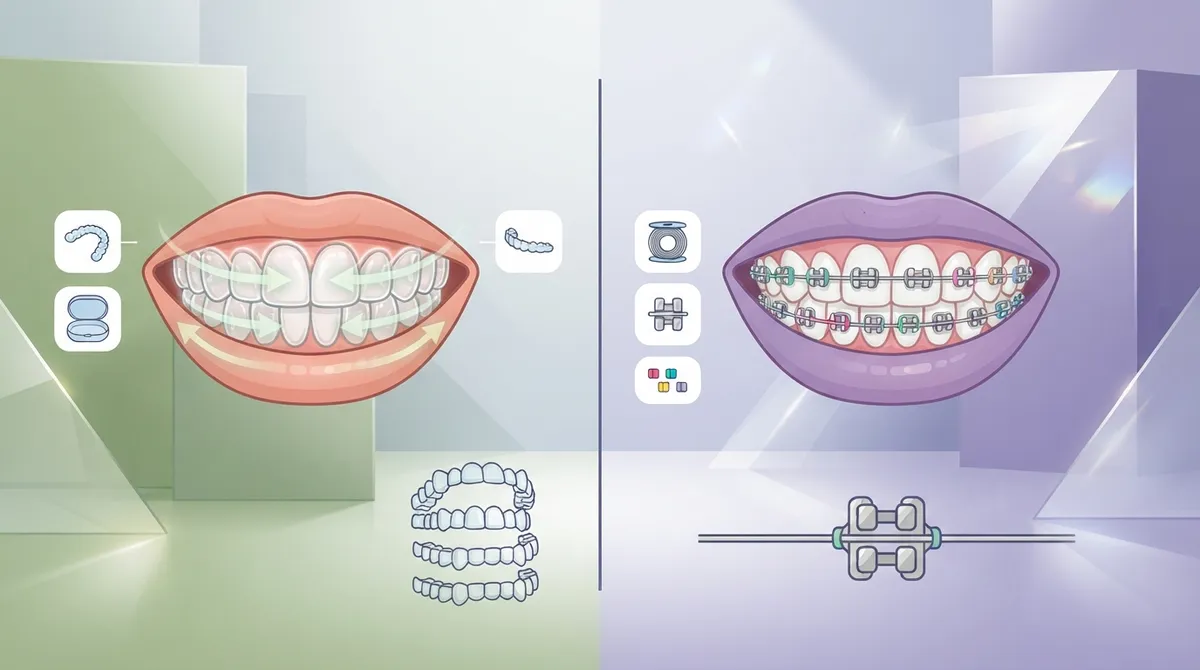
Aligners vs. Braces: A Side-by-Side Look
Trying to decide between clear aligners and braces? Here’s a simple comparison to help you weigh your options.
| Dental Issue | Best Handled By | Notes |
|---|---|---|
| Mild to moderate crowding | Clear aligners | Works well within 1-6mm range |
| Severe crowding | Braces | May require extractions first |
| Gaps or spacing | Clear aligners | Great for mild to moderate diastema |
| Mild overbite/underbite | Clear aligners | Works if issue is dental, not skeletal |
| Severe jaw discrepancy | Braces or surgery | Often needs specialist evaluation |
| Crossbite | Both, case dependent | Depends on cause and severity |
| Relapse after old treatment | Clear aligners | Popular option for adults |
Notice a pattern? Aligners shine when tooth movements are relatively simple. Braces still have an edge for complex cases involving multiple teeth needing dramatic repositioning, or when jaw structure is the real problem.
Why Case Selection Really Matters
A 2025 expert consensus published in a leading dental journal noted something exciting: clear aligners can now treat nearly all types of malocclusions in the right patients. This is especially true for people with high esthetic needs, gum sensitivity, cavity risk, or enamel issues that make traditional brackets less ideal.
That said, picking the right treatment isn’t a guessing game. It takes a trained eye. This is exactly why an evaluation with a board-certified orthodontist, like Dr. Flor Segovia, matters so much. She’ll look at your bite, your x-rays, and your goals before recommending a path forward.
Who Benefits Most From Aligners?
Let’s talk about who tends to love aligner treatment the most. Different life stages bring different needs, and aligners fit some lifestyles better than others.
- Busy professionals who want a treatment that doesn’t scream “metal mouth” in meetings
- Parents managing school pickups who need flexible appointment scheduling
- Teens and young adults prepping for graduation photos or a wedding
- Adults who had braces years ago and are seeing their teeth shift back (this is called relapse)
- Anyone with mild to moderate crowding, spacing, or bite issues who wants a nearly invisible option
If you fall into any of these groups, aligners for specific dental issues might be exactly what you’re looking for. We proudly offer adult orthodontics options designed around real, busy lives.
Angel Aligners: A Smart Option Worth Knowing About
At our Lakewood Ranch practice, we offer Angel Aligners as one of our clear aligner solutions. This system uses AI-driven treatment planning and a unique wear schedule, 7 days with a flexible tray followed by 3 days with a firmer one, to help speed up tooth movement.
Some patients find this schedule reduces the number of office visits needed. Angel Aligners also use a frosted finish to cut down on shine, and they’re often more budget-friendly than premium aligner brands while still using advanced 3D digital planning. If discreet, efficient treatment sounds appealing, this could be a great fit for your specific dental issue.
What About Severe Cases?
Let’s be honest here. Not every dental issue can be solved with aligners alone. Severe crowding, major jaw discrepancies, and complex tooth movements often need traditional fixed appliances. This is where options like WildSmiles Braces or LightForce Braces come into play.
LightForce uses fully digital, 3D-printed brackets custom-fit to your teeth, which can reduce treatment time by up to 45 percent compared to traditional methods. For kids and teens who want a little extra fun during treatment, WildSmiles offers custom bracket shapes, including Disney-inspired designs, that make brushing easier to track and treatment more enjoyable.
Steps to Figure Out Your Best Option
Not sure where to start? Here’s a simple process we recommend for anyone considering treatment for a specific dental issue.
- Schedule a consultation to get a full evaluation of your teeth, bite, and jaw alignment.
- Discuss your goals, whether it’s fixing a gap, correcting an overbite, or addressing relapse from old treatment.
- Review your options, including aligners, WildSmiles Braces, LightForce Braces, or a combination approach.
- Ask about treatment timelines and what to expect at each stage.
- Talk through financing options so cost doesn’t become a barrier to a healthier smile.
- Commit to your treatment plan, since consistent wear is key to aligner success.
- Plan for retention after treatment with a custom retainer to protect your results long term.
Following these steps helps take the guesswork out of the process and gets you moving toward a smile you’ll love.
How Long Does Treatment Usually Take?
Most routine clear aligner cases wrap up in about 12 months, though this varies based on how complex your issue is. Simple spacing or mild crowding cases can sometimes finish faster, while more involved bite corrections may take longer. Cost for adult aligner treatment typically ranges from $3,000 to $7,000, depending on the complexity and system used.
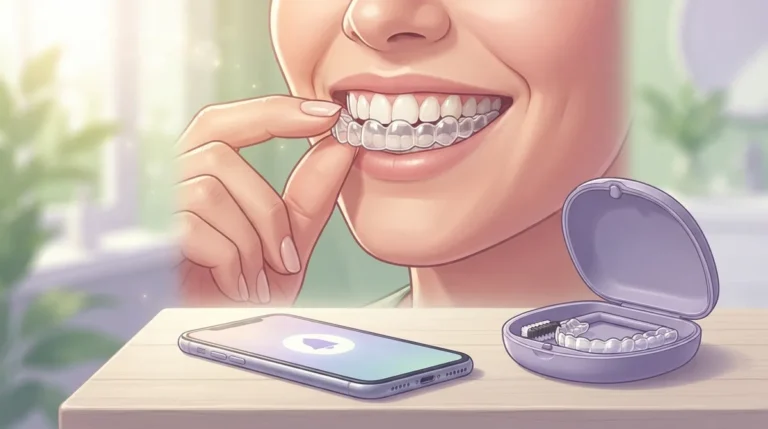
Compliance is a huge factor here. Aligners only work if you wear them as directed, usually 20 to 22 hours a day. Skipping days or losing trays can slow things down significantly, so staying on track really pays off.
Life After Aligners: Don’t Skip Retention
Once your treatment ends, your job isn’t quite done yet. Teeth naturally want to shift back over time, a process called relapse. That’s why custom orthodontic retainers are so important after finishing aligner treatment.
Wearing your retainer as instructed protects your investment and keeps your new smile looking great for years to come. Skipping this step is one of the biggest mistakes patients make after finishing treatment, so don’t let it happen to you.
Common Situations We See at Our Lakewood Ranch Office
Every week, we meet patients with different concerns. Here are a few common scenarios and how we typically approach them.
- The busy mom: Wants convenient scheduling and an option that won’t disrupt her child’s school photos or sports activities.
- The young professional: Needs a discreet option that won’t affect how they’re perceived at work or during client meetings.
- The bride or grad: Has a big event coming up and wants a straighter smile before the big day.
- The adult relapse patient: Had braces as a teen, but their teeth have shifted and they’re ready to fix it for good this time.
- The parent of a child with early signs of crowding: Wondering if early intervention could prevent bigger issues down the road.
No matter which situation sounds like you, there’s likely a treatment path that fits your specific dental issue and your lifestyle. Our team focuses on personalized care, guided by American Board of Orthodontics standards, so you always know you’re getting expert-level treatment.
Why Choose Segovia Orthodontics for Your Treatment
Dr. Flor Segovia and our team believe every patient deserves a treatment plan built around their specific needs, not a one-size-fits-all approach. We offer bilingual care in English and Spanish, flexible financing, and a warm, family-friendly environment for patients of every age.
Curious what real patients think? Check out our Facebook page or follow along on our Instagram page to see smile transformations and patient stories. You can also visit us on Google — Segovia Orthodontics to read reviews from families right here in Lakewood Ranch.
Ready to Find Your Best Fit?
Whether you’re dealing with crowding, a gap, an overbite, or teeth that have shifted since your last treatment, there’s a solution designed just for you. The best way to know for sure is to get a professional evaluation from someone who understands the full picture.
Ready to take the next step? Feel free to request an appointment with our Lakewood Ranch team today. You can also contact us with any questions, or simply call us at 941-557-1333 to get started. Your best smile is closer than you think, and we can’t wait to help you get there.
FAQs
Q: What dental problems can clear aligners fix?
A: Clear aligners work wonderfully for mild to moderate crowding, gaps between teeth, overbite, underbite, open bite, and crossbite. They’re especially great for simple tooth movements without major jaw discrepancies. For anything more complex, your orthodontist might suggest combining aligners with other appliances.
Q: Are clear aligners effective for overbite or underbite?
A: Yes, in many cases! Aligners can correct mild versions of both issues, especially when the problem comes from tooth position rather than jaw structure. If your bite issue is more severe or skeletal in nature, braces or additional treatment may work better.
Q: Can aligners treat severe crowding or just mild cases?
A: Aligners shine brightest with mild to moderate crowding, typically in the 1 to 6 millimeter range. Severe crowding often needs extractions or fixed braces first to create enough space. Don’t worry though, your orthodontist can help map out the best plan for your specific smile.
Q: How long does clear aligner treatment usually take?
A: Most routine cases take about 12 months, though this varies based on how complex your issue is. Sticking to your wear schedule, usually 20 to 22 hours a day, keeps your treatment on track and helps you finish on time.
Q: Do I need retainers after aligner treatment?
A: Absolutely, yes! Teeth naturally want to shift back after treatment ends, so wearing a custom retainer protects all the hard work you put into your new smile. Skipping this step is one of the easiest ways to undo your progress, so don’t skip it.
Our Service Area